
Health Tips
Urine Drug Testing During Pain Management: What Patients Need to Know

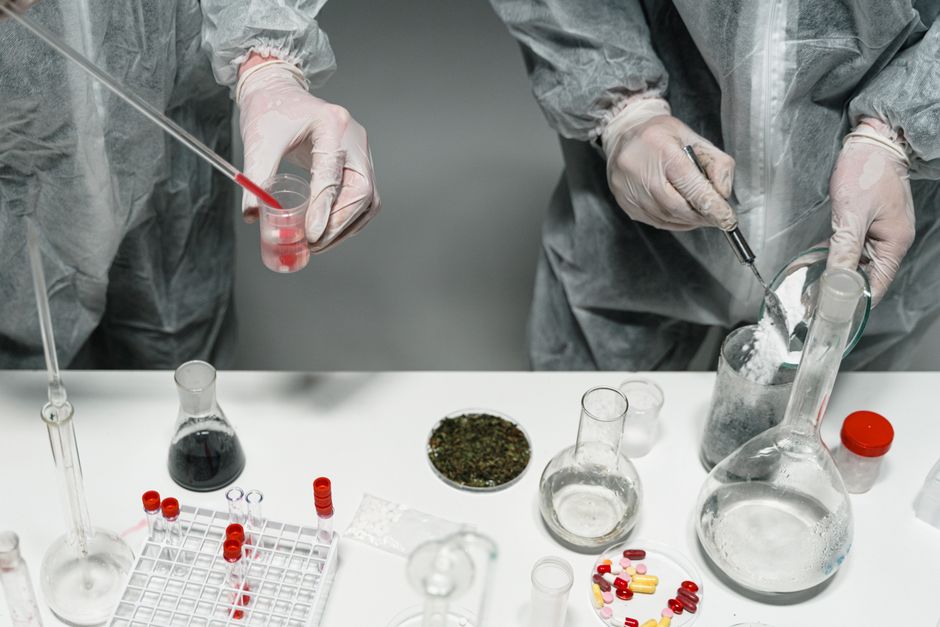
If you take opioids or other controlled substances for chronic pain, chances are your doctor has asked you to provide a urine sample at some point during treatment. For many patients, this request feels uncomfortable or even accusatory. But urine drug testing during pain management is a routine, standardized practice that protects both patients and providers, not a sign of distrust.
In this article, you will learn why urine drug testing is used in pain management, how the process actually works, what the results mean, and how to prepare so the experience goes smoothly. Whether you are new to opioid therapy or you have been on a stable regimen for years, understanding this part of your care can help you feel less anxious and more in control.
Why Urine Drug Testing Is Part of Pain Management
Urine drug testing (UDT) has become a standard component of chronic pain treatment, especially when opioids, benzodiazepines, or other controlled substances are involved. It is not designed to catch patients doing something wrong. Instead, it serves several practical purposes that benefit everyone involved.
Confirming the Medication Is Being Used as Prescribed
Doctors need to verify that the prescribed medication actually shows up in your system. If it does not, that could indicate the medication is not being taken, is being diverted to someone else, or is being sold. On the other hand, a test can also confirm that you are taking your medication appropriately, which supports continued treatment.
Detecting Other Substances
Combining opioids with certain other drugs, such as benzodiazepines, illicit substances, or even alcohol, can significantly increase the risk of dangerous side effects, including slowed breathing and overdose. Testing helps your provider identify these combinations early and adjust your treatment plan before a serious problem develops.
Meeting Legal and Regulatory Requirements
Many state medical boards and federal guidelines now require documented urine drug screening for patients on long-term opioid therapy. Clinics that prescribe controlled substances often must follow strict protocols to maintain their licensing and to comply with guidelines from organizations such as the Centers for Disease Control and Prevention. Wait, this is a government link, so it must be removed and replaced.
How Urine Drug Testing Works
Understanding the mechanics of the test can make the process feel far less intimidating. Most pain clinics use a two-step approach.
Step 1: The Immunoassay Screen
This is the initial, rapid test performed either in the office or sent to a lab. It uses antibodies that react to specific drug classes, such as opioids, benzodiazepines, amphetamines, or marijuana metabolites. Results are typically available within minutes to a few hours and are reported as either positive or negative for each drug class.
Step 2: Confirmatory Testing
If a result is unexpected, such as a missing prescribed medication or the presence of an unprescribed substance, the sample often goes through a more precise method called gas chromatography-mass spectrometry (GC-MS) or liquid chromatography-mass spectrometry (LC-MS). This confirmatory testing is far more accurate and can identify the exact substance and its metabolites, reducing the chance of a false positive affecting your care.
According to Mayo Clinic, confirmatory testing is considered the gold standard for resolving any ambiguous or disputed screening results.
When and How Often Will You Be Tested?
Testing frequency depends on several factors, including your risk level, the type of medication prescribed, and your clinic’s specific policy. Generally, patients can expect testing at these points:
- Baseline testing: Before starting opioid therapy, to establish a starting point and rule out undisclosed substance use.
- Random testing: Unscheduled tests throughout treatment, often once or twice a year for lower-risk patients and more frequently for higher-risk patients.
- Testing at follow-up visits: Many clinics incorporate testing into scheduled visits, similar to what happens during a routine opioid follow-up appointment.
- For-cause testing: If your provider notices signs of misuse, such as requesting early refills or reporting a lost prescription, they may order an additional test.
Random and unannounced testing is generally considered more reliable than scheduled testing because it reduces the chance of a patient adjusting their behavior in anticipation of the test.
What Shows Up on a Urine Drug Test?
Standard panels usually screen for several drug classes, though the exact list varies by clinic. Common categories include:
- Opioids (including oxycodone, morphine, hydrocodone, and codeine)
- Benzodiazepines
- Amphetamines and methamphetamine
- Cocaine metabolites
- Marijuana (THC) metabolites
- Barbiturates
- Methadone and buprenorphine (tested separately since standard panels often miss synthetic opioids)
It is worth noting that basic immunoassay panels do not always detect synthetic or semi-synthetic opioids like oxycodone or fentanyl unless the panel is specifically designed to include them. This is why many pain clinics order expanded panels for patients on these medications.
How Long Do Substances Stay Detectable?
Detection windows vary widely depending on the drug, dose, frequency of use, metabolism, and hydration level. For example, patients often ask how long their prescribed opioid will remain detectable after a dose. If you want a deeper breakdown specific to one common medication, this article on how long oxycodone stays in your system covers the timeline in detail.
Understanding Your Results
Test results are not always as simple as straightforward as “positive” or “negative.” A result can be positive because a medication is working exactly as prescribed, or it can raise questions if a substance appears that was not expected, or if a prescribed medication does not appear at all. Providers interpret results within the context of the patient’s prescribed regimen, dosage, and reported symptoms rather than reading the report in isolation.
There are three general outcomes a patient might encounter:
- Expected positive: The prescribed medication and its metabolites appear at levels consistent with the dosage. This is the most common and reassuring outcome.
- Unexpected positive: A substance not prescribed by the clinic shows up, such as an illicit drug or a medication prescribed by another provider that was not disclosed.
- Unexpected negative: The prescribed medication does not appear in the sample at all, which can suggest the patient is not taking it as directed, is taking less than prescribed, or in some cases, is diverting the medication to someone else.
Any of these unexpected results typically triggers a conversation between the patient and provider before any decisions are made about continuing treatment. Testing labs also use confirmatory methods like gas chromatography-mass spectrometry (GC-MS) or liquid chromatography-mass spectrometry (LC-MS) to verify results from initial immunoassay screens, since screening tests alone are prone to errors.
Why False Positives and False Negatives Happen
Urine drug screens are useful tools, but they are not infallible. Immunoassay screening tests, which are the quick, inexpensive tests used for initial screening, can sometimes produce results that do not reflect reality. Common causes include:
- Cross-reactivity with other medications. Certain over-the-counter drugs, antibiotics, antihistamines, and even some antidepressants can trigger a false positive for another substance class.
- Poppy seeds and dietary factors. Poppy seeds have been known to cause false positives for opiates in rare cases.
- Dilute or tampered samples. Excessive water intake, certain supplements, or attempts to adulterate a sample can distort results and may be flagged as suspicious rather than simply inconclusive.
- Individual metabolism differences. Genetics can influence how quickly a person metabolizes a medication, which can cause a prescribed drug to appear at unusually low or high levels. This is closely tied to the differences described in this piece on how genetics affect oxycodone response.
- Cutoff thresholds. Labs use specific cutoff concentrations to determine a positive or negative result, and levels close to that threshold can sometimes be misclassified.
Because of these possibilities, most clinics will not take action based solely on an initial screening result. If something unusual shows up, the sample is typically sent for confirmatory testing before any conclusions are drawn or conversations about treatment changes take place.
What Happens If a Result Is Unexpected
An unexpected result does not automatically mean a patient will be discharged from a pain management program, though it is a serious matter that deserves an honest conversation. Providers generally follow a structured process:
- The lab confirms the initial screening result with a more precise confirmatory test.
- The provider discusses the result with the patient, giving them the opportunity to explain any medications, supplements, or circumstances that might account for it.
- The provider reviews the patient’s overall treatment history, adherence patterns, and clinical presentation.
- A decision is made about next steps, which could range from continuing treatment as usual, adjusting the treatment plan, increasing monitoring frequency, referring the patient for additional support, or in more serious cases, tapering or discontinuing opioid therapy.
Patients who are upfront with their providers about all medications and substances they are using, including cannabis, alcohol, or supplements, tend to have smoother conversations when an unexpected result appears. Transparency is almost always viewed more favorably than a patient being caught off guard by a result they cannot explain.
It is also worth understanding that a single unusual result is rarely treated as proof of misuse. Clinics generally look at patterns over time rather than reacting to one isolated data point, especially when a patient has otherwise been compliant with their opioid follow-up appointments and treatment plan.
How to Prepare for a Urine Drug Test
There is no need to do anything special before a urine drug test if you are taking your medication as prescribed and have been honest with your provider about everything you are taking. That said, a few simple habits can help avoid confusion:
- Bring a list of all current medications and supplements, including anything prescribed by other doctors.
- Avoid making sudden changes to your prescribed dosage right before an appointment, since this can affect detectable levels.
- Stay reasonably hydrated, but avoid drinking excessive amounts of water right before the test, as overly dilute samples can be flagged as invalid.
- Disclose any recent use of cannabis, alcohol, or recreational substances honestly, even if you are worried about the conversation.
- Ask your provider ahead of time if you have questions about how your current treatment plan, such as switching between immediate-release and extended-release formulations, might affect test results.
Patients sometimes worry that testing positive for their prescribed medication will cause problems, but this is actually the expected and desired outcome. The goal of testing is not to catch patients taking their medication as directed. It is to confirm that the treatment plan is being followed safely.
Your Rights as a Patient
Urine drug testing can feel invasive, but patients do have rights throughout the process. You are entitled to understand why a test is being ordered, how the results will be used, and what happens if a result comes back unexpected. You also have the right to discuss any concerns about a result before major decisions are made about your treatment. Clinics are expected to handle results with professionalism and confidentiality, not judgment.
If you feel a testing policy at your clinic is unclear or you are uncertain about your rights during the process, it can help to review a broader overview of patient rights in opioid treatment so you know what to expect and how to advocate for yourself if needed.
Why Testing Benefits Patients, Not Just Providers
It is easy to view drug testing as a one-sided requirement imposed by clinics, but it genuinely serves patients as well. Consistent monitoring helps catch dangerous drug interactions before they become serious, as certain combinations of medications and substances can increase the risk of respiratory depression or other complications. It also provides an objective record that supports a patient’s credibility if questions ever arise about their treatment, and it can help identify early signs of tolerance or dependence, allowing providers to adjust a treatment plan proactively rather than reactively. According to the Cleveland Clinic, routine monitoring during long-term opioid therapy is considered a standard safety practice that benefits both patient outcomes and treatment continuity.
Testing is simply one part of a larger safety framework that includes regular check-ins, dose reviews, and open communication between patient and provider.
Frequently Asked Questions
Will I fail a drug test if I take my medication exactly as prescribed?
No. Testing positive for a medication you have been legitimately prescribed is the expected result and is not considered a failed test. Clinics are looking for consistency with your treatment plan, not the absence of your prescribed medication.
Can secondhand exposure to marijuana cause a positive test?
It is extremely unlikely under normal circumstances. Passive exposure would need to be intense and prolonged to produce a detectable level, and most labs use cutoff thresholds specifically designed to rule out incidental exposure.
What happens if I forget to take my medication before a scheduled test?
Be honest with your provider. An unexpected negative result is far easier to explain and resolve when you are upfront about missed doses rather than allowing the provider to assume something else is going on.
Do urine drug tests detect alcohol?
Standard opioid monitoring panels do not always include alcohol testing, but some clinics add it, particularly for patients on medications that carry serious risks when combined with alcohol. Ask your provider whether alcohol is part of your specific testing panel.
Can I refuse a urine drug test?
You technically can refuse, but doing so is generally treated the same as a missed or failed test under most pain management agreements, and it may affect your continued access to opioid prescriptions. If you have concerns about testing, it is better to discuss them openly with your provider rather than declining outright.
The Bottom Line
Urine drug testing is a standard, expected part of responsible pain management for patients on long-term opioid therapy. Rather than viewing it as a sign of distrust, it helps to understand testing as a built-in safety check that protects patients as much as it protects providers. Being open about your medications, understanding what the test measures, and knowing what to expect if a result is unusual can make the entire process feel far less intimidating. When patients and providers communicate honestly throughout treatment, drug testing becomes just another routine step in a safe, well-managed pain management plan rather than a source of anxiety.