
Health Tips
Adderall vs Wellbutrin: A Stimulant and an Antidepressant Compared

People who type “Adderall vs wellbutrin” into a search bar are rarely asking a pure pharmacology question. More often, they live with ADHD and also feel flat, low or worn down, and they wonder whether one pill could cover both. Others have been offered a stimulant, feel uneasy about it, and want to know if there is a non-controlled path. Those are the real questions behind the comparison, and they deserve a straight answer.
Here it is. Wellbutrin (bupropion) is an antidepressant, not an ADHD medicine on its label. It works as a norepinephrine-dopamine reuptake inhibitor (NDRI), and the FDA has approved it for major depressive disorder and for preventing seasonal affective disorder. The same molecule, sold as Zyban, is approved to help people stop smoking. Some prescribers use bupropion off-label for ADHD, especially in adults, but that use rests on modest evidence.
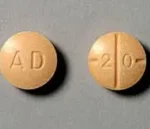
Adderall is a Schedule II central nervous system stimulant made of mixed amphetamine salts. It is FDA-approved for ADHD and narcolepsy, acts within hours, and carries a boxed warning about misuse and addiction. So the honest summary of Adderall vs Wellbutrin is this: one is a fast-acting ADHD treatment with abuse potential, and the other is a slower antidepressant that may help some ADHD symptoms. Both need a prescription, and which one fits, if either, is a call for your prescriber.
Adderall vs Wellbutrin at a Glance: Two Profile Cards
Before the details, it helps to see each drug on its own terms. Think of these as the short ID cards a pharmacist might keep in their head.
Profile card: Adderall (dextroamphetamine and amphetamine)
- Drug class: CNS stimulant (amphetamine); releases dopamine and norepinephrine and blocks their reuptake.
- Approved uses: ADHD and narcolepsy.
- Controlled status: DEA Schedule II, the tightest category for prescription drugs.
- Forms: immediate-release tablets (Adderall) and extended-release capsules (Adderall XR), plus generics.
- Speed: effects show up the same day; blood levels of the tablet peak about 3 hours after a dose, per the label.
- Boxed warning: high potential for abuse and misuse, which can lead to addiction, overdose and death.
Profile card: Wellbutrin (bupropion hydrochloride)
- Drug class: aminoketone antidepressant; often described as an NDRI because it weakly blocks reuptake of norepinephrine and dopamine.
- Approved uses: major depressive disorder (Wellbutrin SR and XL) and prevention of seasonal depression (XL); smoking cessation as Zyban.
- Controlled status: not a controlled substance.
- Forms: sustained-release (SR, usually twice daily) and extended-release (XL, once daily), plus generics.
- Speed: mood benefits build over weeks; average half-life around 21 hours, according to the XL label.
- Boxed warning: antidepressants raise the risk of suicidal thoughts and behaviors in children, teens and young adults.
Notice the overlap in the Adderall vs Wellbutrin profiles: both drugs touch dopamine and norepinephrine. That shared chemistry is why people ask “is Wellbutrin a stimulant?” The short answer is no. Bupropion’s action is milder and slower, it is not scheduled, and it does not produce the same quick lift in focus that an amphetamine does.
What Each Is Approved For
FDA approval tells you which conditions a drug was tested for in large trials and which uses the manufacturer is allowed to describe on its label. Anything else is “off-label,” which is legal and common in medicine but means the evidence is often thinner. The table below pulls from the Adderall prescribing information on DailyMed and the Wellbutrin XL label from the FDA.
| Condition | Adderall | Wellbutrin / bupropion |
|---|---|---|
| ADHD | FDA-approved (tablets labeled for ages 3 and up; XR for ages 6 and up) | Not approved; sometimes used off-label, mostly in adults |
| Narcolepsy | FDA-approved (tablets) | Not approved |
| Major depressive disorder | Not approved | FDA-approved for adults (SR and XL) |
| Seasonal affective disorder | Not approved | FDA-approved for prevention (XL) |
| Smoking cessation | Not approved | FDA-approved as Zyban |
| Pediatric depression | Not applicable | Not approved for patients under 18 |
Approved uses based on current FDA labeling. Off-label use is a prescriber decision.
The table highlights a mismatch. Wellbutrin vs Adderall is not a contest between two ADHD drugs. It is a comparison between an ADHD drug and a depression drug that happens to have some ADHD research behind it. For a head-to-head between two non-stimulant-style options, the sister post on how Adderall compares with Strattera, an FDA-approved non-stimulant for ADHD, may be more useful.
How Strong Is the Evidence for Wellbutrin for ADHD?
The best single summary comes from a 2017 Cochrane review of bupropion for adult ADHD. The authors pooled six randomized trials with 438 adults, five run in the United States and one in Iran. Each trial compared bupropion with a placebo.
What they found, in plain terms:
- People taking bupropion reported somewhat fewer ADHD symptoms than people on placebo. The size of that gap was moderate on paper.
- More people on bupropion were rated by clinicians as clearly improved.
- Dropout rates looked similar between the two groups, suggesting tolerability close to placebo in these small studies.
- The reviewers rated the overall quality of evidence as low, mainly because the trials were small and had a real risk of bias. They said future research could easily change the picture.
The authors suggested bupropion might be an alternative for adults who cannot tolerate stimulants. That is a careful, narrow conclusion. It is not a claim that bupropion matches Adderall. Across the wider literature, stimulants such as amphetamine and methylphenidate generally show larger and more consistent effects on ADHD symptoms than bupropion does, and they remain first-line options in most guidelines.
Evidence in children and teens is even thinner, and bupropion has no pediatric approval for any use. For a young person, a prescriber would usually look first at approved treatments. If you want to compare Adderall with another drug that is sometimes used off-label for attention, the post on Adderall vs modafinil covers a different set of trade-offs.
Wellbutrin for ADHD and Depression: When the Two Overlap
ADHD and depression show up together more often than chance would predict. The National Institute of Mental Health’s ADHD overview lists depression and anxiety among the conditions that commonly co-occur with ADHD and notes that the overlap can make both harder to diagnose and treat.
The overlap is tricky because the symptoms blur. Trouble concentrating, low motivation, poor sleep and irritability can come from ADHD, from depression, or from both at once. Years of struggling with untreated ADHD can also wear down self-esteem and mood. Day-to-day ups and downs are normal too, and the post on what mood swings may actually mean can help you describe patterns to a clinician.
How prescribers may think about sequencing
There is no single rulebook, and every plan is individual. In general, though, clinicians often ask which condition is causing the most harm right now. Common patterns include:
- Severe depression first. If someone is seriously depressed or having thoughts of self-harm, most clinicians focus on stabilizing mood before fine-tuning attention.
- ADHD first, then reassess mood. When low mood seems to flow from untreated ADHD, treating the ADHD may lift mood on its own. The prescriber then checks whether depression remains.
- One drug for both, with realistic goals. For some adults, a prescriber may try bupropion hoping to ease depression and blunt some ADHD symptoms, knowing the ADHD effect may be partial.
- Therapy alongside medication. Cognitive behavioral therapy and skills coaching can help with both conditions and do not interact with any drug.
Why mood has to be watched closely
Both drugs can affect mood in ways that matter. Bupropion carries the antidepressant boxed warning about suicidal thinking in younger patients, and its label also warns about agitation, anxiety, mania in people with bipolar disorder, and rarer reactions such as hallucinations or paranoia. Adderall’s label warns that stimulants can trigger manic or psychotic symptoms and that a stimulant crash can leave people irritable or low.
That is why prescribers usually screen for bipolar disorder before starting either drug and ask about mood at each visit. Heavy fatigue is another clue worth reporting; the article on why you might feel more tired than usual covers causes that are not medication-related, too.
Can You Take Wellbutrin and Adderall Together?
Sometimes, yes. Prescribers do combine bupropion with a stimulant, for example when a person’s ADHD responds to Adderall but depression persists. Neither label forbids the pairing. Both labels, however, contain warnings that apply directly to it, so the combination calls for a deliberate plan and closer follow-up. The points below are facts to discuss, not a suggestion to try it.
Seizure threshold
Bupropion’s best-known serious risk is seizures, and that risk climbs with dose. The Wellbutrin SR prescribing information estimates seizures in about 1 in 1,000 people at 300 mg a day and about 4 in 1,000 at 400 mg a day. The label tells prescribers to use extra caution with other factors that lower the seizure threshold, and it lists misuse of stimulant drugs among them. The Adderall label separately notes that stimulants may lower the seizure threshold. Together, that means dose, history of head injury and any seizure history all matter.
Blood pressure and heart rate
Adderall raises blood pressure and heart rate on average. Bupropion can raise blood pressure too, and its label says the risk is higher when it is combined with other drugs that boost dopamine or norepinephrine. Prescribers typically check vitals before starting and at follow-ups.
Insomnia
Trouble sleeping is a common side effect of both. In the seasonal depression trials of Wellbutrin XL, insomnia was reported by 20% of people on the drug versus 13% on placebo. Stimulants are well known for delaying sleep, which is why they are generally taken early in the day. Stacking the two can make sleep problems worse.
Anxiety and agitation
Both labels list nervousness, anxiety or agitation as possible effects. For someone already prone to anxiety, the combined effect may feel like being “wired.” It is worth tracking and reporting rather than pushing through.
CYP2D6 inhibition
This one is technical but worth knowing. Bupropion inhibits a liver enzyme called CYP2D6, and its label warns that it can raise levels of drugs cleared by that enzyme. Amphetamine is partly processed by CYP2D6. The Adderall label states that taking it with CYP2D6 inhibitors may increase amphetamine exposure and the risk of serotonin syndrome, and it advises a lower starting dose and monitoring. The Adderall label does not name bupropion specifically in that section, but bupropion does belong to the class it describes. For background on how the body clears amphetamine, see why some people need less medication than others.
Safety note: Never add one of these drugs to the other on your own, even if you have leftover pills from an old prescription. Mixing them without a plan is one of the common medication mistakes patients make, and the seizure and blood pressure risks are real.
Onset: Hours vs Weeks
Timing is one of the clearest practical differences in the bupropion vs Adderall question, and it often settles the Adderall vs Wellbutrin debate for people who need help this week. A stimulant works on the day you take it. An antidepressant needs time to change how the brain adapts. The MedlinePlus bupropion page says it may take four weeks or longer to feel the full benefit, while the MedlinePlus page on dextroamphetamine and amphetamine describes immediate-release doses spaced 4 to 6 hours apart because each dose wears off the same day.
| Timing factor | Adderall | Wellbutrin |
|---|---|---|
| First noticeable effect | Usually within the first hour or so after a dose | Some people notice energy or sleep changes in the first weeks; mood changes come later |
| Full benefit | Same day, once the dose is right | Often 4 weeks or more |
| Peak blood level | About 3 hours (tablets); later for XR | Steady state reached within about 8 days (XL label) |
| How long one dose lasts | Roughly 4–6 hours (IR); longer for XR | Effect is continuous with daily dosing |
| Skipping a day | Symptoms return that day | Little change from one missed day, but stopping should be planned |
| Usual dosing time | Morning, avoiding late afternoon | XL in the morning; SR doses spaced at least 8 hours apart |
General timing based on FDA labels and MedlinePlus. Individual response varies.
This difference shapes expectations. Someone switching from a stimulant to bupropion may feel worse for a while before the new drug has a chance to work. That gap is worth planning for with your prescriber rather than discovering on day two.
Wellbutrin Side Effects vs Adderall Side Effects
The two drugs share some side effects, including dry mouth, insomnia and reduced appetite, but they differ in their most serious risks. The table lists commonly reported effects from each label. Numbers for Wellbutrin come from the XL seasonal depression trials; Adderall is described more generally because rates vary by age and form.
| Side effect | Adderall | Wellbutrin (XL, SAD trials vs placebo) |
|---|---|---|
| Decreased appetite / weight loss | Very common | Appetite loss listed among common effects; weight loss possible |
| Insomnia | Common | 20% vs 13% |
| Dry mouth | Common in adults | 26% vs 15% |
| Headache | Common | 34% vs 26% |
| Nausea / stomach upset | Stomach ache is common in children | 13% vs 8% (nausea) |
| Nervousness / anxiety | Common | Anxiety and agitation listed |
| Faster heart rate / higher blood pressure | Expected on average | Blood pressure can rise; palpitations reported |
| Seizures | Label notes stimulants may lower seizure threshold | Dose-related; the drug’s signature serious risk |
| Abuse and dependence | Boxed warning | Not controlled; low abuse potential at prescribed doses |
Label data summarized for education. Report any side effect to your prescriber or pharmacist.
The two boxed warnings
Wellbutrin boxed warning: Antidepressants increased the risk of suicidal thoughts and behaviors in children, adolescents and young adults in short-term studies. Anyone starting bupropion, and their family, should watch for worsening mood, new suicidal thoughts or unusual behavior changes, especially in the first months and after dose changes.
Adderall boxed warning: Since 2023, all prescription stimulant labels carry an updated warning that they have a strong potential for misuse and abuse that may progress to addiction. Misuse can lead to overdose and death, and the risk rises with higher doses or non-oral use.
If you are concerned about stimulant risks, the posts on whether you can become dependent on Adderall and warning signs of Adderall misuse explain what to watch for in yourself or a family member.
Wellbutrin seizure risk: who should not take bupropion
The Wellbutrin labels list several contraindications, meaning situations where the drug should not be used at all:
- A seizure disorder.
- A current or past diagnosis of bulimia or anorexia nervosa, because seizure rates were higher in these patients.
- Abruptly stopping alcohol, benzodiazepines, barbiturates or antiseizure drugs.
- Taking an MAO inhibitor at present or during the previous 14 days, or being treated with linezolid or intravenous methylene blue.
- A known allergy to bupropion.
Adderall has its own list, including MAOI use within 14 days and allergy to amphetamines, and its label urges caution in people with heart disease, high blood pressure, a history of substance use or certain psychiatric conditions. A thorough medical history is what lets a prescriber rule each drug in or out.
Controlled vs Not Controlled: What Changes at the Pharmacy
The DEA’s drug scheduling page names Adderall as an example of a Schedule II drug, meaning it has accepted medical use but a high potential for abuse. Bupropion is not scheduled at all. That single difference changes a lot about daily life on each medicine.
- Refills. Schedule II prescriptions cannot be refilled. Each fill needs a new prescription, though a prescriber may write several dated prescriptions to cover up to 90 days. Bupropion prescriptions can carry refills, as allowed by state law and the prescriber.
- Monitoring databases. Adderall fills are reported to your state’s prescription drug monitoring program. The guide to how PDMPs work explains what is recorded and who can see it.
- History checks. Prescribers commonly review your controlled-substance history before writing a stimulant prescription. The reasons are covered in why doctors check prescription history.
- Supply problems. Stimulants faced national shortages from 2022 through 2024, partly because production of controlled drugs is capped. Bupropion has not faced the same quota system.
- Travel and storage. Keep any Schedule II drug in its labeled bottle, locked away from others, and never share it.
Not being controlled does not mean bupropion is casual to stop. Changes to either drug should be planned. If a stimulant is being tapered or stopped, the guide on how to stop taking Adderall safely and the overview of Adderall withdrawal symptoms describe what people commonly feel, including the low mood and fatigue that can be confused with depression.
A Pre-Visit Worksheet for the Adderall vs Wellbutrin Conversation
Appointments go fast. Writing your answers in advance helps your prescriber see the whole picture, especially when ADHD and mood symptoms overlap. Print or copy this table and fill in the right-hand column before your visit. For more prompts, see the checklist of questions to ask before starting Adderall.
| Question or prompt | Your notes |
|---|---|
| Which bothers me most right now: focus and follow-through, low mood, or both equally? | |
| When did my mood symptoms start compared with my attention problems? | |
| Have I ever had a seizure, a serious head injury, or an eating disorder? | |
| Have I or a close relative had bipolar disorder, mania or psychosis? | |
| Have I had thoughts of self-harm, now or in the past? | |
| Do I have high blood pressure, a heart condition or a family history of sudden cardiac death? | |
| All medicines, supplements and substances I use, including alcohol, cannabis and nicotine | |
| Have I taken a stimulant or an antidepressant before? What happened? | |
| How is my sleep now, and what time do I usually go to bed? | |
| Am I comfortable with a Schedule II medicine and its pharmacy rules? | |
| How long should I wait before judging whether a new medicine works? | |
| Which warning signs should make me call you before my next visit? |
Bring this worksheet to your appointment. Leave the second column for your own notes.
After treatment starts, the same habit pays off. The list of questions to ask at every follow-up visit helps you track whether the plan is working.
Frequently Asked Questions
Is Wellbutrin a stimulant?
No. Bupropion is classed as an antidepressant and is not a controlled substance. It affects dopamine and norepinephrine, which gives it a mildly activating feel for some people, but it does not act like amphetamine and does not carry a stimulant-style abuse warning.
Is Wellbutrin approved for ADHD?
No. Wellbutrin for ADHD is off-label. Its FDA approvals cover major depressive disorder, seasonal affective disorder and, as Zyban, smoking cessation. Some prescribers use it for adult ADHD, often when stimulants are not a good fit or when depression is also present.
Which works better for ADHD, Adderall or Wellbutrin?
For core ADHD symptoms, stimulants such as Adderall generally have stronger and better-studied effects. The 2017 Cochrane review found only low-quality evidence for bupropion in adults. That said, “better” depends on the person, including side effects, other conditions and personal concerns about controlled drugs.
Can Wellbutrin replace Adderall?
For some people, a prescriber may suggest it, but it is not a one-to-one swap. The drugs work differently, take effect on very different timelines and have no dose equivalence. Any switch should be planned by your prescriber.
Does Wellbutrin cause weight loss like Adderall?
Both can reduce appetite, and weight loss is listed as a possible effect of each. In the Adderall vs Wellbutrin context, neither should be used as a weight-loss drug, and appetite or weight changes should be reported, especially in teens and young adults.
Is it safe to drink alcohol on Wellbutrin?
The label advises keeping alcohol to a minimum or avoiding it, and it warns that suddenly stopping heavy drinking while taking bupropion can raise seizure risk. Be honest with your prescriber about how much you drink so they can plan around it.
Can teenagers take Wellbutrin for ADHD?
Bupropion is not approved for anyone under 18, and the antidepressant boxed warning is most relevant to this age group. A pediatric prescriber would weigh approved ADHD treatments first and explain the reasoning if they consider anything off-label.
What should I do if I feel worse after starting either drug?
Call your prescriber. New agitation, panic, severe insomnia, racing thoughts, chest pain or darker mood are all worth reporting promptly. Do not stop or change the dose on your own unless a clinician tells you to.