
Health Tips
Adderall Withdrawal Symptoms: What to Expect and How to Cope


Stopping Adderall, whether on your own or under a doctor’s guidance, can trigger a rough stretch of physical and emotional symptoms that catch many people off guard. Adderall withdrawal symptoms range from crushing fatigue and irritability to intense cravings and depressed mood, and they can last anywhere from several days to a few weeks depending on how long and how much you took the medication. If you’re preparing to stop Adderall or you’re already in the middle of withdrawal and wondering if what you’re feeling is normal, this guide walks through exactly what happens to your brain and body, how long it typically lasts, and what actually helps.
We’ll cover the science behind why withdrawal happens, the full range of symptoms you might experience, the factors that make withdrawal worse or milder, and practical strategies for getting through it safely. We’ll also flag warning signs that mean it’s time to call a doctor.
What Is Adderall Withdrawal?
Adderall is a combination of amphetamine salts that increases dopamine and norepinephrine activity in the brain. Taken as prescribed, it helps people with ADHD focus, manage impulsivity, and regulate energy. But when someone takes Adderall regularly, especially at higher doses or for longer stretches, the brain adapts to the constant chemical boost.
When the drug is suddenly reduced or stopped, the brain is left without the extra dopamine and norepinephrine it has grown used to. This dip in neurotransmitter activity is what produces withdrawal symptoms. Essentially, the brain needs time to recalibrate and start producing and regulating these chemicals on its own again.
This process happens whether someone was misusing Adderall recreationally or taking it exactly as prescribed for ADHD. Physical dependence isn’t the same as addiction; it’s a normal biological response to sustained stimulant exposure, and it can happen to anyone who takes the medication consistently over time.
Why Adderall Withdrawal Happens
To understand withdrawal, it helps to understand what Adderall does in the brain in the first place. Amphetamines stimulate the release of dopamine and norepinephrine while also blocking their reabsorption, which floods the brain’s reward and alertness centers with extra activity. Over time, the brain compensates by producing less of these neurotransmitters naturally and becoming less sensitive to them. If you want a deeper dive into this process, our guide on how Adderall works in the brain breaks it down in detail.
When the medication is removed, dopamine and norepinephrine levels drop below baseline for a period of time. This is sometimes called a
rebound effect,” and it explains why so many of the withdrawal symptoms feel like the opposite of what Adderall normally provides. Instead of focus, energy, and elevated mood, you get fog, fatigue, and irritability. The brain isn’t malfunctioning; it’s simply readjusting to operating without the artificial boost it had come to rely on.
The severity of this rebound depends heavily on how long someone has been taking Adderall, the dosage, and whether the medication is stopped abruptly or tapered gradually. A person who has been on a high dose for several years will typically experience a more pronounced withdrawal than someone who took a moderate dose for a few months. Genetics, metabolism, and overall health also play a role in how intensely the brain reacts to the sudden absence of the drug.
Common Physical Symptoms of Adderall Withdrawal
Adderall withdrawal doesn’t just affect mood and cognition; it takes a real toll on the body as well. Because stimulants suppress appetite, disrupt sleep architecture, and rev up the nervous system, removing them can trigger a cascade of physical symptoms as the body attempts to find equilibrium again.
- Extreme fatigue: One of the most universally reported symptoms is a crushing sense of tiredness that can last for days or even weeks. This happens because the artificial energy boost is gone and the body’s natural energy regulation systems need time to catch up.
- Increased appetite: Adderall is well known for suppressing hunger, so when it’s removed, many people notice a sharp increase in appetite, sometimes accompanied by intense cravings for sugar or carbohydrates.
- Sleep disturbances: Ironically, even though fatigue is common, many people also struggle with disrupted sleep patterns, including trouble falling asleep, vivid dreams, or oversleeping as the body tries to catch up on rest it may have missed while on the medication.
- Headaches: Changes in blood flow and neurotransmitter activity can trigger tension headaches or migraines during the withdrawal period.
- Body aches and muscle tension: Some people report generalized aches, particularly in the neck, shoulders, and back, likely tied to stress and disrupted sleep.
- Slowed heart rate and lower blood pressure: Since Adderall raises heart rate and blood pressure, stopping it can cause these vitals to drop, sometimes leading to dizziness or lightheadedness.
- Digestive issues: Nausea, stomach discomfort, or changes in bowel habits are also fairly common as the gut adjusts to the absence of stimulant-induced changes in digestion.
These physical symptoms tend to be most intense in the first few days after the last dose, gradually improving as the body stabilizes. For a detailed breakdown of what happens day by day, our Adderall withdrawal timeline guide walks through the physical and emotional changes you can expect during each phase of recovery.
Common Psychological and Emotional Symptoms
While the physical symptoms of Adderall withdrawal are uncomfortable, many people find the psychological and emotional symptoms to be even more challenging. This makes sense given that Adderall directly affects mood-regulating chemicals in the brain, and its absence can leave people feeling emotionally raw and unstable for a while.
- Depression: A drop in dopamine can trigger feelings of sadness, hopelessness, or a general lack of motivation. For some, this depressive dip is mild and short-lived; for others, especially those who used high doses for extended periods, it can be more severe and long-lasting.
- Anxiety: Many people experience heightened anxiety during withdrawal, ranging from mild nervousness to more intense panic-like symptoms. This is often tied to the nervous system’s overcorrection as it tries to find a new baseline.
- Irritability and mood swings: Without the steady chemical support Adderall once provided, emotional regulation can become more difficult, leading to snapping at loved ones or feeling unusually short-tempered.
- Difficulty concentrating: This is particularly frustrating for people who were prescribed Adderall for ADHD, since the return of attention difficulties can feel like a step backward, even though it’s a temporary part of the withdrawal process.
- Intense cravings: Especially in cases of misuse or high-dose use, cravings for the drug can be strong, driven by the brain’s memory of the dopamine surge it used to receive.
- Vivid or unpleasant dreams: Sleep disruption often comes with unusually intense or disturbing dreams, which can add to the emotional exhaustion of withdrawal.
- Anhedonia: This is the reduced ability to feel pleasure from activities that were once enjoyable, a direct result of the brain’s temporarily blunted dopamine response.
It’s worth noting that these emotional symptoms, while distressing, are almost always temporary. As the brain’s natural neurotransmitter production ramps back up, mood and motivation typically improve. That said, if depression or anxiety becomes severe or includes thoughts of self-harm, it’s important to seek professional support immediately.
Factors That Influence Withdrawal Severity
Not everyone experiences Adderall withdrawal the same way. Several factors determine how intense or prolonged the symptoms will be:
Dosage and Duration of Use
Higher doses taken over longer periods generally lead to more significant physical dependence, which often translates into more pronounced withdrawal symptoms. Someone who has taken a low therapeutic dose for a few months will likely have an easier adjustment than someone who has taken high doses for several years.
Immediate-Release vs. Extended-Release Formulations
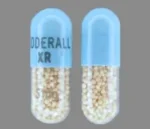
The type of Adderall you’ve been taking can also affect withdrawal. Because extended-release (XR) formulations release medication more slowly, stopping XR may lead to a more gradual decline in blood levels compared to immediate-release (IR) versions, which can cause sharper peaks and valleys. If you’re curious how these two formulations differ, our article on Adderall IR vs XR explains the pharmacological differences in more depth.
Individual Metabolism
Genetics and metabolic rate influence how quickly Adderall is cleared from the system, which in turn affects how abruptly the brain experiences the drop in stimulation. People who metabolize the drug quickly may notice withdrawal symptoms sooner, while slower metabolizers might have a more delayed onset. Our guide on how Adderall is metabolized offers more detail on this process.
Method of Discontinuation
Whether someone stops Adderall abruptly (“cold turkey”) or tapers off gradually under medical supervision makes a substantial difference in symptom severity. Abrupt discontinuation tends to produce a more intense rebound effect, while a slow taper allows the brain more time to adjust incrementally.
Underlying Mental Health Conditions
People with pre-existing depression, anxiety, or other mood disorders may experience more intense psychological symptoms during withdrawal, since the temporary dip in dopamine and norepinephrine can exacerbate underlying vulnerabilities.
Overall Health and Lifestyle
Sleep quality, diet, hydration, stress levels, and even physical fitness can all influence how smoothly someone transitions through withdrawal. A well-supported body tends to recover its chemical balance more efficiently than one that’s already depleted or stressed.
How Long Does Adderall Withdrawal Last?
Most people begin noticing withdrawal symptoms within 24 hours of their last dose, with symptoms typically peaking within the first few days and gradually improving over one to three weeks. However, some psychological symptoms, particularly mood changes and cognitive fog, can linger for several weeks in a phase often referred to as “post-acute withdrawal.” For a more detailed, stage-by-stage breakdown, take a look at our Adderall withdrawal timeline, which outlines what to expect from day one through the following weeks.
It’s important to remember that everyone’s timeline looks a little different. Factors like those discussed above (dosage, duration of use, and method of discontinuation) all play a role in how long the process takes. Patience and self-compassion go a long way during this period, since pushing yourself too hard or expecting an overnight recovery can add unnecessary stress to an already challenging process.
Cold Turkey vs. Tapering: Why It Matters
One of the biggest factors within your control when it comes to withdrawal severity is how you stop taking Adderall. Quitting abruptly, sometimes called going “cold turkey,” can trigger a sudden and intense rebound in withdrawal symptoms because the brain doesn’t have time to gradually adjust its neurotransmitter production.
Tapering, on the other hand, involves slowly reducing the dose over a period of days, weeks, or even months, depending on how long the medication was used and at what dose. This gradual reduction gives the brain a chance to slowly recalibrate its dopamine and norepinephrine systems rather than being abruptly cut off. Tapering is almost always recommended over cold turkey discontinuation, especially for anyone who has been taking Adderall consistently for more than a few weeks.
If you’re considering stopping Adderall, it’s worth working with a healthcare provider to create a personalized tapering plan rather than trying to manage it entirely on your own. Our step-by-step guide on how to stop taking Adderall safely walks through what a responsible tapering process typically looks like and how to minimize discomfort along the way.
Coping Strategies for Adderall Withdrawal
While you can’t eliminate withdrawal symptoms entirely, there are several evidence-based strategies that can make the process more manageable and help your body and brain recover more smoothly.
Prioritize Sleep
Sleep is one of the most powerful tools for recovery during withdrawal. Establishing a consistent sleep schedule, avoiding screens before bed, and creating a calm, dark sleeping environment can help regulate the disrupted sleep patterns common during this period. If insomnia or oversleeping becomes severe, talk to your doctor about additional strategies.
Stay Hydrated and Eat Nutrient-Dense Foods
Since appetite often returns with a vengeance during withdrawal, it helps to focus on balanced, nutrient-rich meals rather than reaching for excessive sugar or processed carbohydrates, which can cause energy crashes and worsen mood swings. Staying well-hydrated also supports overall brain function and can help ease headaches and fatigue.
Incorporate Gentle Exercise
Light physical activity, such as walking, stretching, or yoga, can help boost mood naturally by encouraging the release of endorphins and supporting healthier sleep. Intense exercise may feel overwhelming during the early days of withdrawal, so it’s fine to start small and build back up as energy returns.
Practice Stress-Reduction Techniques
Because anxiety and irritability are common during withdrawal, techniques like deep breathing, meditation, or mindfulness exercises can help calm an overactive nervous system. Even just a few minutes a day of intentional relaxation can make a noticeable difference over time.
Lean on Your Support System
Withdrawal can feel isolating, especially when fatigue and mood changes make it hard to engage with others. Letting trusted friends, family members, or a support group know what you’re going through can provide both emotional support and practical help during the toughest days.
Consider Professional Guidance
Working with a healthcare provider, whether a primary care doctor, psychiatrist, or addiction specialist, ensures you have professional oversight throughout the process. This is particularly important if you were taking high doses, using Adderall recreationally, or have underlying mental health conditions that could complicate withdrawal. According to Mayo Clinic, medical supervision during stimulant discontinuation can help manage symptoms more safely and effectively than attempting to quit alone.
For a broader overview of how to approach medication safety throughout your Adderall journey, from starting the medication to eventually discontinuing it, our complete Adderall safety guide is a helpful resource to keep on hand.
Adderall Withdrawal vs. Adderall Crash: What’s the Difference?
People often confuse an “Adderall crash” with true withdrawal, but the two aren’t exactly the same thing. A crash typically refers to the temporary dip in energy and mood that happens as a single dose wears off, often occurring a few hours after taking the medication. It can include fatigue, irritability, and low mood, but it usually resolves once the next dose is taken or after a period of rest.
Withdrawal, on the other hand, refers to the broader and more sustained set of symptoms that occur when the medication is stopped altogether, not just between doses. While a crash might last a few hours, withdrawal symptoms can persist for days or weeks as the brain works to restore its natural neurotransmitter balance. Understanding this distinction can help you gauge whether what you’re experiencing is a normal part of your daily dosing cycle or a sign that your body is adjusting to life without the medication entirely.
When to Seek Medical Help
Most Adderall withdrawal symptoms, while uncomfortable, are not medically dangerous and will resolve on their own with time and self-care. However, there are certain warning signs that warrant prompt medical attention.
- Severe depression, especially if it includes thoughts of self-harm or suicide
- Intense anxiety or panic attacks that interfere with daily functioning
- Suicidal ideation or feelings of hopelessness that don’t improve
- Irregular heartbeat, chest pain, or fainting
- Severe dehydration from persistent vomiting or diarrhea
- Psychotic symptoms such as hallucinations or extreme paranoia (rare, but possible in cases of heavy or long-term misuse)
If you or someone you know experiences any of these symptoms during withdrawal, don’t hesitate to seek immediate medical attention. Our guide on what to do during an Adderall emergency can help you recognize red flags and respond appropriately. It’s also worth reviewing the signs of Adderall overdose, since some symptoms, though caused by very different circumstances, can sometimes overlap or be mistaken for withdrawal in the context of misuse.
According to the Cleveland Clinic, anyone who has been taking high doses of stimulant medication or using it outside of prescribed guidelines should consult a healthcare provider before stopping, since the withdrawal process can be more unpredictable in these cases.
Debunking Common Myths About Adderall Withdrawal
There’s a lot of misinformation floating around about what stopping Adderall really involves. A few common myths include the idea that withdrawal only happens to people who misuse the drug, or that it’s always dangerous and requires hospitalization. In reality, withdrawal can happen to anyone who has taken Adderall consistently, including those using it exactly as prescribed for ADHD, and for most people, it’s uncomfortable rather than medically dangerous. For a broader look at separating fact from fiction when it comes to this medication, check out our article on Adderall myths vs. facts.
Frequently Asked Questions About Adderall Withdrawal
How soon after stopping Adderall do withdrawal symptoms start?
Most people notice symptoms within the first 24 hours after their last dose, though the exact timing depends on the formulation (immediate-release versus extended-release) and individual metabolism. Symptoms often peak within the first few days before gradually improving.
Can Adderall withdrawal cause depression?
Yes, depression is one of the most commonly reported symptoms during withdrawal, caused by the temporary drop in dopamine that occurs when the medication is removed. For most people, this depressive dip improves over one to a few weeks, but if it becomes severe or persistent, it’s important to speak with a healthcare provider.
Is it safe to stop Adderall cold turkey?
Stopping abruptly is generally not recommended, especially for those who have taken the medication for an extended period or at higher doses. A gradual taper, ideally guided by a healthcare provider, tends to produce a smoother and more manageable withdrawal experience.
How long does the brain take to fully recover after stopping Adderall?
While the most intense withdrawal symptoms typically resolve within a few weeks, some people report subtler changes in mood, motivation, or focus for a month or longer as the brain’s dopamine and norepinephrine systems fully normalize. This extended adjustment period is often called post-acute withdrawal.
Can I take supplements or over-the-counter medications to ease withdrawal symptoms?
Some people find relief from certain lifestyle strategies like proper hydration, balanced nutrition, and quality sleep, but it’s important to consult a doctor before adding any supplements or medications, since some can interact with residual stimulant effects or underlying health conditions. A healthcare provider can help you build a safe, personalized plan.
Final Thoughts
Adderall withdrawal can feel discouraging, especially when fatigue, low mood, and mental fog set in just as you’re trying to move forward with your life. But it’s important to remember that these symptoms are a normal, temporary part of the brain’s healing process, not a sign that something has gone permanently wrong. With patience, self-care, and the right support system, most people find that symptoms steadily improve within a few weeks, with full recovery of mood and cognitive clarity following shortly after.
If you’re planning to stop taking Adderall, whether for medical reasons or personal choice, working closely with a healthcare provider can make the transition significantly smoother and safer. A well-structured tapering plan, combined with healthy lifestyle habits and a strong support network, can help you navigate withdrawal with greater confidence and far less discomfort than trying to go it alone.