
Health Tips
Adderall vs Vyvanse: How a Prodrug Changes Your ADHD Day

People who compare Adderall vs Vyvanse are usually asking a practical question: how will each one shape the hours between breakfast and bedtime? Both medicines act on the same brain chemicals, dopamine and norepinephrine, so the core effect on focus and impulse control is similar. What changes is the shape of the curve: how fast the medicine arrives, how long it holds steady and how it fades in the evening.
This guide walks through that curve using information from the official FDA labels. You will see how the prodrug design works, what a typical day can look like on each option, which kinds of patients tend to lean one way or the other, and what to watch for if your prescriber suggests a switch. If you are new to stimulants altogether, the basics of how Adderall works in the brain make a helpful starting point.
Adderall vs Vyvanse at a glance
The table below pulls key facts from the prescribing information for Adderall tablets, Adderall XR capsules and Vyvanse. Dose ranges are label information only, not advice for any one person.
| Feature | Adderall (IR and XR) | Vyvanse |
|---|---|---|
| Active ingredient | Mixed amphetamine salts (roughly 3 parts dextroamphetamine to 1 part levoamphetamine) | Lisdexamfetamine dimesylate, converted in the body to dextroamphetamine |
| Is it active when swallowed? | Yes, absorbed as active amphetamine | No, it is a prodrug that must be converted first |
| Forms | IR tablets; XR capsules with immediate- and delayed-release beads | Capsules and chewable tablets |
| FDA-approved uses and ages | IR: ADHD from age 3, narcolepsy from age 6. XR: ADHD from age 6 through adulthood | ADHD from age 6 through adulthood; moderate-to-severe binge eating disorder in adults |
| Label starting dose (ADHD) | IR: 2.5 mg (ages 3–5) or 5 mg once or twice daily (6+). XR: 10 mg in children, 20 mg in adults | 30 mg once daily |
| Label maximum (ADHD) | IR: rarely over 40 mg per day. XR: 30 mg per day in ages 6–12; 20 mg is the recommended adult dose | 70 mg per day |
| Time to peak blood level | IR: about 3 hours. XR: about 7 hours | Dextroamphetamine peaks about 3.5–4.4 hours after a dose |
| Typical daily dosing | IR: 1–3 doses spaced 4–6 hours apart. XR: once each morning | Once each morning |
| Duration studied in label trials | Varies by form; XR was built to mimic two IR doses | Benefit measured out to 12–14 hours in classroom and adult workplace studies |
| Can it be mixed with food or liquid? | XR capsule may be opened and sprinkled on applesauce; IR tablets are swallowed | Capsule contents may be mixed with yogurt, water or orange juice; chewables are chewed fully |
| DEA schedule | Schedule II | Schedule II |
| Generic available? | Yes, for both IR and XR | Yes, since August 2023 (capsules and chewables) |
Summary based on the FDA-approved labeling for Adderall, Adderall XR and Vyvanse. Your prescriber chooses the form and dose.
You can read the full prescribing details yourself in the Vyvanse label on DailyMed and the Adderall XR label on DailyMed. If the short-acting and extended-release versions of Adderall are still blurry for you, see the real difference between Adderall IR and XR.
The prodrug difference: lisdexamfetamine vs amphetamine
Lisdexamfetamine is dextroamphetamine with an amino acid called L-lysine attached to it. While that lysine “tag” is in place, the molecule does very little in the brain. The medicine only becomes active after the tag is snipped off.
According to the Vyvanse label, that snipping happens mainly in the bloodstream, driven by enzymes linked to red blood cells. The label lists the half-life of intact lisdexamfetamine at under an hour, because it is converted quickly once absorbed. The released dextroamphetamine then hangs around much longer, with a half-life of roughly 10 to 11 hours in healthy adults and a bit less in children ages 6 to 12.
A simple way to picture it
Think of Adderall IR as pouring a full glass of water into a sink at once: the level rises fast, then drains. Adderall XR is like pouring half the glass now and half a few hours later. Vyvanse is closer to a faucet set to a steady trickle. The red blood cells act like the faucet valve, releasing active drug at a pace the body controls rather than all at once.
This is why the conversion step is described as rate-limited. Even with food in the stomach, the label notes that the total amount of dextroamphetamine reaching the blood stays about the same, although food can push the peak back by about an hour. The result for many people is a softer start, fewer sharp peaks and a long, flat plateau.
What the prodrug design does not change
Once converted, the active molecule in Vyvanse is a stimulant from the same family as Adderall. It raises heart rate and blood pressure, it can reduce appetite and disturb sleep, and it carries the same boxed warning about misuse, abuse and addiction that the FDA required for all prescription stimulants in 2023. Another difference sits in the chemistry: Adderall contains both dextro- and levo-amphetamine, while Vyvanse delivers only the dextro form. Some people notice the levo portion as slightly more “body” stimulation, though responses vary widely.
A day in the life: how long does Vyvanse last vs Adderall?
The timeline below sketches a general pattern for a person who takes their morning dose at 7 a.m. It is built from the timing data in the labels, not from any promise about your own response. Metabolism, meals, sleep, dose and other medicines can all shift these hours a great deal.
| Clock time | Adderall IR (two doses) | Adderall XR (one dose) | Vyvanse (one dose) |
|---|---|---|---|
| 7 a.m. | First tablet taken | Capsule taken; first bead set begins dissolving | Capsule taken; conversion has not started yet |
| 8 a.m. | Effects often noticeable within the hour | Effects often beginning to build | Conversion under way; many people notice little yet |
| 10 a.m. | Near peak blood level | Rising steadily | Active drug nearing its peak range, often with a gradual feel |
| Noon | First dose starting to fade | Second bead set releasing | Steady plateau |
| 1 p.m. | Second tablet, if prescribed | Around the blood level peak | Steady plateau |
| 3 p.m. | Second dose near its peak | Coverage continuing | Coverage continuing |
| 5 p.m. | Second dose beginning to fade; some notice a dip | Gradual decline may begin for some | Often still covered |
| 7 p.m. | Mostly worn off for many people | Wearing off for many people | Taper begins for many people |
| 9 p.m. | Little effect left; sleep usually less affected | Residual effect possible | Residual effect possible; late-day insomnia is a known risk |
General pattern only, based on label timing (IR peak about 3 hours, XR about 7 hours, Vyvanse dextroamphetamine about 3.5–4.4 hours, Vyvanse benefit measured to 12–14 hours). Individual experiences differ.
The Vyvanse label describes a pediatric classroom study in which benefit showed up from about 2 hours after the dose through the 12-hour mark, and an adult workplace-style study that tested attention out to 14 hours. Adderall XR was designed so that one capsule gives a profile similar to two IR tablets taken four hours apart. For a closer look at what shapes timing on the Adderall side, see how long the effects of Adderall last and the explainer on Adderall’s half-life.
One more timing point: a long duration is not always better. A student who finishes homework by 4 p.m. may not want stimulant effects at 8 p.m. A nurse working a 12-hour shift may want exactly that. The shape of the day, not just the length, should guide the conversation with your prescriber.
Who each one tends to suit
Prescribers weigh a person’s schedule, health history, past responses and practical needs. The profiles below show common patterns, not rules. Many people do well on either medicine, and some do well on neither.
Someone who needs flexible, short coverage
Adderall IR lets a prescriber tailor coverage in smaller blocks. A person might take one dose for a morning class and skip the second on a light afternoon, if the prescriber allows that pattern. That flexibility can help people whose days change a lot or who are sensitive to evening stimulation. The trade-off is more pill-taking and more frequent ups and downs.
Someone who needs a smooth, long day
A busy adult with work, commuting and evening family duties may value one morning dose that holds steady. Vyvanse vs Adderall for adults often comes down to this point: Vyvanse’s slow conversion tends to produce a more even plateau, while Adderall XR provides a two-step release. Some adults find XR’s second wave noticeable; others never feel it.
Someone who has trouble swallowing capsules
This is where the two differ in a practical, label-based way. Vyvanse capsules can be opened and the powder stirred into yogurt, water or orange juice, and there is a chewable tablet. Adderall XR capsules can be opened and the beads sprinkled on applesauce, to be swallowed right away without chewing the beads. Adderall IR tablets are small, but they are still tablets. Ask the pharmacist to show you the right method, because crushing or chewing extended-release beads defeats their design.
Someone with a history of substance misuse
Because Vyvanse has to be converted in the blood, snorting or injecting it does not produce the rapid spike that people chasing a high may seek. Some prescribers see that as a modest advantage. Still, Vyvanse is a Schedule II controlled substance, its label carries the full boxed warning on abuse, misuse and addiction, and taking more than prescribed can still cause serious harm. A prodrug is not a “safe” stimulant. Anyone with a misuse history should talk openly with their prescriber, who may consider extra monitoring or a non-stimulant. The guide to recognizing signs of Adderall misuse applies to any amphetamine-based medicine.
Someone with binge eating disorder
Vyvanse is the only one of the two with an FDA approval for moderate-to-severe binge eating disorder in adults. Adderall has no such indication. That makes Vyvanse a natural topic for adults who live with both ADHD and binge eating, although the decision still depends on heart health, mood and other factors. More on that below.
A young child under 6
Adderall IR’s label includes ADHD dosing from age 3, while Vyvanse’s ADHD approval starts at age 6. For preschoolers, the CDC’s ADHD treatment guidance notes that parent training in behavior management is usually recommended first, before any medicine is tried.
Vyvanse vs Adderall side effects
Both medicines share the typical stimulant side effects. The table compares adult clinical trial numbers from each label. The trials were separate, used different designs and different doses, so this is not a head-to-head contest. The Adderall IR tablet label lists side effects without percentages, so the Adderall column uses Adderall XR adult data.
| Side effect (adults with ADHD) | Adderall XR vs placebo | Vyvanse vs placebo |
|---|---|---|
| Decreased appetite | 33% vs 3% | 27% vs 2% |
| Dry mouth | 35% vs 5% | 26% vs 3% |
| Insomnia | 27% vs 13% | 27% vs 8% |
| Headache | 26% vs 13% | Not among the most common listed |
| Weight loss | 10% vs 0% | 3% vs 0% |
| Nausea | 8% vs 3% | 7% vs 0% |
| Anxiety | 8% vs 5% | 6% vs 0% |
| Fast heart rate | 6% vs 3% | Listed as increased heart rate in label tables |
| Diarrhea | Listed among common reactions | 7% vs 0% |
| Feeling jittery | Agitation 8% vs 5% | 4% vs 0% |
Adult ADHD trial data from the Adderall XR and Vyvanse prescribing information. Separate studies; not a direct comparison.
In children ages 6 to 12, the Vyvanse label reports decreased appetite in 39% of children versus 4% on placebo, and trouble sleeping in 22% versus 3%. The Adderall XR label reports loss of appetite in 22% and insomnia in 17% for the same age group. Again, these come from different trials. Plain-language summaries are also available from MedlinePlus for lisdexamfetamine and for dextroamphetamine and amphetamine.
What tends to differ: appetite
Appetite loss is common with both. With Adderall IR, hunger often returns between doses or after the last dose wears off, which can create a natural window for lunch or an afternoon snack. With Vyvanse and Adderall XR, the appetite dip can stretch through lunch and into the late afternoon. Families often plan a bigger breakfast and a filling evening meal. Growth and weight checks in children matter with any stimulant.
What tends to differ: sleep
Longer coverage means more chance that the medicine is still working at bedtime. The Vyvanse label specifically advises against afternoon doses because of insomnia risk. Short-acting Adderall gives a prescriber more room to end coverage earlier. If sleep becomes a problem on any option, a dose timing change is a prescriber’s call, not a do-it-yourself fix.
What tends to differ: crash and rebound
Many people describe the end of an Adderall IR dose as a “crash”: tiredness, irritability or a dip in mood as blood levels fall. A slower decline, as many people experience with Vyvanse, often feels gentler, though some still notice late-day irritability. Practical tips for this phase are in how to reduce an Adderall crash, and the return of ADHD symptoms as a dose wears off is covered in what Adderall rebound is and how to manage it.
Vyvanse for binge eating disorder
Binge eating disorder (BED) involves repeated episodes of eating a large amount of food in a short time, with a sense of losing control and distress afterward. In 2015 Vyvanse became the first medicine approved by the FDA to treat moderate-to-severe BED in adults. That approval is separate from its ADHD approval and does not extend to children or teens.
For BED, the label describes starting at 30 mg each morning and increasing weekly to a target range of 50 to 70 mg. In the adult BED trials, the most frequent side effects were dry mouth (36% vs 7% on placebo), insomnia (20% vs 8%), decreased appetite, increased heart rate, constipation, feeling jittery and anxiety.
Not a weight-loss drug: The Vyvanse label states plainly that it is not indicated or recommended for weight loss. Using stimulants to lose weight has been linked to serious heart and blood vessel problems, and Vyvanse’s safety for obesity has not been established. Adderall is not approved for weight loss either.
BED treatment usually includes therapy as well, such as cognitive behavioral therapy, and a careful look at mood, sleep and heart health. If someone has ADHD and BED, a prescriber may see value in one medicine that addresses both, but that call depends on the full picture.
Cost, generic Vyvanse and shortages
For years, Vyvanse was only available as a brand-name product, while generic Adderall IR and XR were widely stocked. That changed in August 2023, when the FDA approved the first generic versions of lisdexamfetamine capsules and chewable tablets. Many insurance plans now favor generics for both medicines, though coverage rules and prior authorization requirements vary.
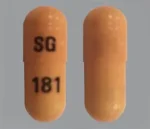
Generic versions contain the same active ingredient and must meet FDA standards for strength and how the body absorbs them. They can still look different from the brand or from one refill to the next, because each manufacturer uses its own colors and imprints. If your capsule suddenly looks unfamiliar, the article on why generic pills don’t always look the same explains what is normal, and your pharmacist can confirm what you received.
Both medicines were caught up in the stimulant shortages that began in late 2022 and continued unevenly through 2024. Because they are Schedule II drugs, manufacturers work under DEA production limits, and pharmacies cannot simply transfer a prescription the way they might for other medicines. If you hit an empty shelf, see what to do if your pharmacy is out of stock, and review Schedule II prescription rules so you know what your prescriber and pharmacist can and cannot do. A shortage of one medicine is sometimes the reason a prescriber suggests the other.
Switching from Adderall to Vyvanse (or back)
People switch for many reasons: a rough afternoon crash, a need for longer coverage, swallowing problems, side effects, insurance changes or supply gaps. The key fact to understand is that the two do not convert milligram for milligram. A Vyvanse capsule’s labeled strength refers to lisdexamfetamine, a larger molecule that includes the lysine tag, and Adderall’s strength refers to a mix of four salts. The numbers on the two bottles are not directly comparable.
For that reason, there is no official conversion chart to follow at home. Your prescriber picks a starting dose based on your history and response, then adjusts over the following weeks. Never combine leftover tablets from one medicine with the new one unless you have been told to. Going in with a clear list from a checklist of questions to ask before starting a stimulant can make the visit more productive.
During the first few weeks of a switch, a simple daily log helps your prescriber fine-tune things. Track these points:
- Dose time and onset: when you took it and when you first noticed it working.
- Wear-off time: when focus started to slip, and whether it faded gently or dropped off.
- Appetite and meals: what you ate and when hunger returned.
- Sleep: time you fell asleep, night waking and how rested you felt.
- Mood: irritability, anxiety, low mood or flat feelings, especially in the evening.
- Heart signs: home blood pressure or pulse readings if your prescriber asked for them, plus any racing heartbeat or chest discomfort.
Bring the log to your follow-up. Chest pain, fainting, signs of a stroke or sudden changes in thinking need emergency care right away, not a note in the log.
It is also worth knowing how Vyvanse compares with other options your prescriber might raise. The breakdown of Adderall vs Dexedrine covers pure dextroamphetamine without the prodrug step, and Adderall vs Ritalin looks at a different stimulant family altogether.
Adderall vs Vyvanse FAQs
Vyvanse vs Adderall: which is better?
Neither one wins for everyone. Vyvanse often suits people who want a smooth, long day from one dose. Adderall offers more timing control, especially in its IR form, and is approved for younger children and for narcolepsy. Your response, health history and daily schedule decide which is better for you.
Is Vyvanse just a longer-lasting Adderall?
Not quite. Vyvanse becomes dextroamphetamine only, while Adderall contains both dextro- and levo-amphetamine. The two are close cousins, but the ingredients and release methods differ, so people can respond differently to each.
Does Vyvanse kick in slower than Adderall?
Often, yes. Because the body must convert lisdexamfetamine first, many people feel a gradual start rather than a sharp lift. Adderall IR tends to be noticed sooner. Food can delay the peak of either one somewhat.
Is Vyvanse less addictive than Adderall?
The prodrug design makes rapid-onset misuse harder, but Vyvanse still carries a boxed warning for abuse, misuse and addiction and is still Schedule II. Dependence can develop with either medicine. Learn more in whether you can become dependent on Adderall.
Can I take Adderall and Vyvanse together?
Only if your prescriber specifically sets up that plan. Combining two amphetamine products without direction raises the risk of high blood pressure, fast heart rate, sleep loss and overdose. Never add one to the other on your own.
Will a drug test tell them apart?
Standard screens generally detect both as amphetamine. More detailed lab testing can sometimes distinguish the forms. Tell the testing lab or employer about your prescription ahead of time.
Can I open the capsule if I can’t swallow it?
Both labels allow opening certain capsules, with different instructions. Vyvanse powder can go into yogurt, water or orange juice; Adderall XR beads go on applesauce and are swallowed without chewing. Ask your pharmacist to confirm the method for your exact product.
Can a doctor prescribe Vyvanse for weight loss?
The FDA label says Vyvanse is not indicated or recommended for weight loss. Its eating-related approval covers moderate-to-severe binge eating disorder in adults, which is a distinct medical condition.