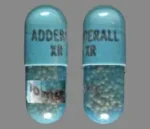

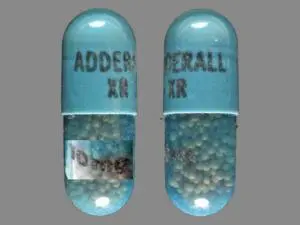
Generic Adderall XR 10 mg
Price range: $538.00 through $1,514.00
| Variation | Price | Quantity | Add To Cart |
|---|---|---|---|
| 360 pills | $1,514.00 |
|
Add to cart |
| 180 pills | $913.00 |
|
Add to cart |
| 90 pills | $538.00 |
|
Add to cart |
Adderall XR 10 mg Patient Guide: Starting Treatment, Morning Use, and ADHD Monitoring
Adderall XR 10 mg is a once-daily extended-release prescription stimulant used to treat attention-deficit/hyperactivity disorder (ADHD) in adults and children age 6 years and older. Each capsule contains mixed amphetamine salts in a formulation designed to release medicine in two phases. The 10 mg strength is a commonly referenced starting strength for patients ages 6 to 17 under current FDA labeling, but it is not automatically right for every child, teenager, or adult.
This guide follows the questions a patient or caregiver faces when beginning an Adderall XR 10 mg prescription: what the medicine is expected to do, how the extended-release capsule is taken, what screening should happen first, how benefit is measured, which side effects need attention, and how a controlled stimulant should be stored and obtained. It does not diagnose ADHD, select a dose, or replace the Medication Guide, prescriber, or pharmacist.
Boxed Warning: Abuse, Misuse, and Addiction
Adderall XR has a high potential for abuse and misuse, which can lead to a substance use disorder, including addiction. Misuse and abuse of central nervous system stimulants can result in overdose and death. Risk increases with higher doses or unapproved methods of administration. Before prescribing, the clinician should assess risk; throughout treatment, the clinician should monitor for warning signs and reinforce secure storage and proper disposal.
- Take Adderall XR only for the patient named on the prescription.
- Never share, sell, trade, or give away capsules.
- Do not crush, chew, snort, inject, or otherwise misuse the capsule contents.
- Store the medicine in a locked place and track the quantity.
- Contact the prescriber promptly if use becomes difficult to control, doses are taken for euphoria, or capsules run out early.
Adderall XR contains amphetamine and is a Schedule II controlled substance. A valid prescription and licensed pharmacy are required. “No prescription” stimulant offers are unsafe and should not be used.
What Is Inside an Adderall XR 10 mg Capsule?
Adderall XR contains equal amounts by weight of four amphetamine salts: dextroamphetamine sulfate, amphetamine sulfate, dextroamphetamine saccharate, and amphetamine aspartate monohydrate. The 10 mg capsule contains two bead types—an immediate-release component and a delayed-release component—which prolong amphetamine release compared with an immediate-release tablet.
The “10 mg” on the capsule describes the labeled strength of the mixed amphetamine salts, not the total number of hours it will work and not a score of ADHD severity. Duration varies between individuals. Sleep, meals, other medicines, gastrointestinal factors, kidney function, and metabolism can influence the experience, but patients should not change dose timing or capsule handling to manipulate duration.
Current branded labeling describes the 10 mg capsule as blue/blue and imprinted “ADDERALL XR 10 mg.” Generic extended-release mixed amphetamine salts may look different. Never identify a controlled medicine by color alone. Use the pharmacy label, imprint, manufacturer information, and pharmacist verification.
What Adderall XR Is Approved to Treat
Adderall XR is FDA-approved for ADHD in adults and pediatric patients age 6 and older. ADHD is a neurodevelopmental condition involving persistent patterns of inattention and/or hyperactivity-impulsivity that interfere with functioning or development. A qualified clinician must make the diagnosis using a comprehensive history and evaluation. Difficulty concentrating during stress, sleep deprivation, depression, anxiety, substance use, or medical illness does not by itself establish ADHD.
Medication is generally one part of a broader treatment plan. Depending on age and need, the plan may include parent training, behavioral strategies, educational support, workplace or school accommodations, skills coaching, counseling, sleep care, and treatment of coexisting conditions. The purpose is not to create nonstop productivity or eliminate normal distraction. The goal is safer, more consistent function with acceptable side effects.
Adderall XR should not be used without an ADHD diagnosis for studying, working longer, losing weight, staying awake recreationally, or enhancing athletic performance. Nonmedical use can cause psychiatric and cardiovascular emergencies and exposes another person to a controlled substance they were not screened to take.
Why 10 mg May Be Chosen at the Beginning
For patients ages 6 to 12 who are starting treatment or switching from another medication, current labeling gives 10 mg once each morning as the usual starting dose, with 5 mg as an option when the clinician judges a lower initial dose appropriate. For ages 13 to 17, the recommended starting dose is also 10 mg each morning; the clinician may increase it to 20 mg after one week if symptoms remain inadequately controlled.
These labeled recommendations are not instructions to self-start or self-adjust. The clinician considers age, previous stimulant exposure, symptom burden, cardiac history, blood pressure and heart rate, weight, sleep, tics, mental health, kidney function, interaction risks, and the family’s ability to monitor.
For adults starting or switching treatment, the labeled recommended dose is 20 mg per day, but prescribing still must be individualized and use the lowest effective dose. An adult may receive a different strength for a clinical reason. The presence of a 10 mg product page does not establish that 10 mg is an adult starting recommendation.
Before the Prescription: A Proper ADHD and Health Evaluation
A responsible assessment asks whether symptoms began at an appropriate developmental stage, occur across relevant settings, cause impairment, and are better explained by another condition. School records, caregiver observations, work history, rating scales, and collateral information can be useful, but no single questionnaire should determine treatment.
Before Adderall XR, the clinician should review:
- personal and family history of sudden death, ventricular arrhythmia, structural heart disease, fainting, chest pain, or unexplained exercise intolerance;
- blood pressure, pulse, and findings on physical examination;
- psychosis, mania, bipolar disorder, depression, suicidal thinking, anxiety, aggression, or a family history of serious mood illness;
- seizures or an abnormal electroencephalogram;
- motor or vocal tics and personal or family history of Tourette’s syndrome;
- circulation problems in fingers or toes, including Raynaud’s phenomenon;
- kidney disease;
- pregnancy, plans for pregnancy, or breastfeeding;
- current and past substance use, stimulant misuse, addiction, or diversion risk;
- all prescriptions, nonprescription medicines, supplements, caffeine products, and recent medication changes.
The FDA label specifically calls for cardiac history, family history of sudden death or ventricular arrhythmia, and a physical examination, plus an evaluation for tics or Tourette’s syndrome before treatment. Additional tests are based on clinical findings, not automatically required for every patient.
Who Must Not Take Adderall XR?
Adderall XR is contraindicated in patients with a known hypersensitivity to amphetamine or another component of the product and in patients taking monoamine oxidase inhibitors (MAOIs) or within 14 days of stopping an MAOI. This includes certain MAOI antidepressants and can include linezolid or intravenous methylene blue. The combination can cause a hypertensive crisis with outcomes such as stroke, heart attack, organ failure, or death.
FDA labeling also advises avoiding Adderall XR in known structural cardiac abnormalities, cardiomyopathy, serious arrhythmia, coronary artery disease, or other serious cardiac disease. The individual clinical decision belongs to the prescriber who has reviewed the condition.
The First-Morning Routine
Adderall XR should be taken upon awakening. Afternoon doses should be avoided because they may cause insomnia. The capsule can be taken with or without food. Try to follow the same prescriber-approved routine each day so changes in benefit and side effects can be interpreted more accurately.
- Check the prescription label and confirm that it says Adderall XR or the correct generic extended-release mixed amphetamine salts—not immediate-release Adderall.
- Take the prescribed capsule once in the morning when first waking.
- Swallow the capsule whole with water, or use the approved applesauce method if swallowing is difficult.
- Record the time if a caregiver administers the medicine, reducing the chance of a duplicate dose.
- Do not take a second capsule because the first seems slow to work.
Food can affect the timing of peak concentration, and gastrointestinal or urinary pH-altering products can affect amphetamine exposure. Do not redesign meal timing or add antacids, vitamin C, bicarbonate, or other products to change how the medicine works; discuss them with the pharmacist.
How to Use the Applesauce Sprinkle Method Correctly
If the patient cannot swallow the capsule whole, FDA labeling permits opening it and sprinkling the entire contents on applesauce. Consume the mixture immediately. Do not store it, chew the beads, divide the contents, or take less than the full capsule contents. Chewing can damage the extended-release design.
The capsule contents should not be sprinkled onto an unapproved food or mixed into a bottle for later use unless the pharmacist confirms instructions for the exact product. Do not crush the beads in a blender, mortar, pill crusher, or feeding-tube mixture without specialist guidance.
What to Do if the Morning Dose Is Missed
Do not double the next dose. Because a late dose can interfere with sleep, contact the prescriber or pharmacist for patient-specific advice rather than taking Adderall XR in the afternoon. A one-time missed dose and repeated forgetfulness are different problems. If mornings are consistently difficult, discuss a safe reminder and administration plan.
Never use another family member’s capsule to replace a missed dose. Controlled prescriptions are patient-specific, and strengths that look similar may differ.
How to Tell Whether 10 mg Is Helping
A good trial begins with a small set of observable targets recorded before treatment. “Better focus” is useful but broad. More specific measures might be starting a task after one prompt, completing a defined morning routine, interrupting less often in a particular setting, finishing schoolwork with fewer redirections, driving with fewer impulsive decisions, or organizing required work more consistently.
Track both improvement and cost:
- morning onset and the part of the day when benefit fades;
- attention, impulsivity, activity level, and emotional regulation;
- appetite at breakfast, lunch, and dinner;
- sleep onset, total sleep, and morning tiredness;
- headache, stomach pain, nausea, dry mouth, irritability, or anxiety;
- pulse and blood pressure as directed;
- weight and height in children;
- new tics, repetitive sounds, finger or toe symptoms, or mood changes.
One unusually good or bad day should not automatically determine the dose. The clinician looks for a pattern across settings and considers sleep, stress, illness, routine changes, and adherence.
Common Side Effects at the Start of Treatment
In children ages 6 to 12, commonly reported reactions in clinical trials included loss of appetite, insomnia, abdominal pain, emotional lability, vomiting, nervousness, nausea, and fever. In adolescents, common reactions included appetite loss, insomnia, abdominal pain, weight loss, and nervousness. Adults commonly reported dry mouth, appetite loss, insomnia, headache, weight loss, nausea, anxiety, agitation, dizziness, fast heart rate, diarrhea, and weakness.
Side effects can appear early and may improve, persist, or worsen. Do not independently move dosing later, split the capsule, take sedating medicines at night, or skip meals to work around them. Report persistent appetite suppression, weight loss, insomnia, marked irritability, anxiety, palpitations, repeated headaches, or abdominal symptoms. The clinician may modify timing, strength, formulation, or the overall treatment plan.
Appetite, Weight, and Growth Monitoring
Stimulants can reduce appetite and are associated with weight loss and slowing of growth rate in pediatric patients. Height and weight should be monitored. A child who is not growing or gaining as expected may need treatment reevaluated or interrupted by the clinician.
Parents should record appetite patterns rather than pressuring a child to eat or adding unreviewed supplements. The care team may discuss a substantial breakfast before the morning dose, nutrient-dense meals when appetite is stronger, and timing that fits the individual prescription. Sudden weight loss, dehydration, dizziness, or restrictive eating behavior needs prompt assessment.
Adderall XR is not a weight-loss medicine. Using it for appetite suppression without an ADHD treatment indication is misuse and can cause cardiovascular, psychiatric, and nutritional harm.
Sleep: Protect the Treatment Signal
Insomnia can be a medicine effect, but untreated ADHD, inconsistent schedules, caffeine, screens, anxiety, and inadequate sleep opportunity can also contribute. Take Adderall XR upon awakening and avoid an unapproved late dose. Keep a simple log of dose time, bedtime, sleep onset, night waking, and wake time.
Do not combine the stimulant with another person’s sleeping medicine or a sedating antihistamine without review. Some products may cause next-day impairment or dangerous interactions. Persistent insomnia can make ADHD symptoms appear worse and should be addressed before assuming the stimulant dose is too low.
Cardiovascular Monitoring and Emergency Symptoms
CNS stimulants can raise blood pressure and heart rate. FDA labeling reports average increases of approximately 2 to 4 mmHg in blood pressure and 3 to 6 beats per minute in heart rate, while some individuals experience larger changes. The clinician should monitor for hypertension and tachycardia.
Call the healthcare professional promptly for repeated racing heartbeat, new palpitations, exercise intolerance, or significant blood-pressure changes. Seek emergency care for chest pain, shortness of breath, fainting, or other signs of a serious cardiac event.
Caffeine from coffee, tea, energy drinks, pre-workout powders, tablets, and some headache medicines may worsen jitteriness, anxiety, insomnia, or palpitations. Disclose the actual daily amount and ask for individualized limits.
Mental Health Changes That Need Attention
Stimulants may worsen behavior or thought disorder in people with pre-existing psychosis, induce a manic or mixed episode in susceptible patients, or cause new psychotic or manic symptoms even without a previous history. Tell the prescriber about depression, bipolar disorder, psychosis, suicidal behavior, and relevant family history before treatment.
Contact the prescriber immediately for hallucinations, delusional beliefs, new mania, extreme agitation, aggression, severe mood changes, or new or worsening suicidal thoughts. If there is immediate danger, call emergency services. Do not try to control severe symptoms by adding sedatives or changing doses without medical direction.
Tics, Seizures, and Circulation Problems
Adderall XR may worsen motor or verbal tics or Tourette’s syndrome, so personal and family history should be reviewed and new symptoms monitored. Stimulants may also lower the seizure threshold in susceptible patients. A seizure requires urgent evaluation; the prescriber will determine whether treatment should be discontinued.
Peripheral vasculopathy, including Raynaud’s phenomenon, has been reported with stimulant use at therapeutic doses. Fingers or toes may feel numb, cool, or painful or change color from pale to blue to red. Report these changes. Unexplained wounds on fingers or toes need immediate medical attention.
Serotonin Syndrome and Important Interactions
Serotonin syndrome is a potentially life-threatening reaction that can occur when amphetamines are combined with certain serotonergic medicines. Relevant products include SSRIs, SNRIs, triptans, tricyclic antidepressants, fentanyl, lithium, tramadol, buspirone, tryptophan, St. John’s wort, and others. CYP2D6 inhibitors may increase amphetamine exposure and serotonin-syndrome risk.
Emergency signs can include agitation, hallucinations, confusion, coma, fast heartbeat, unstable blood pressure, dizziness, sweating, fever, tremor, muscle rigidity or twitching, poor coordination, seizures, nausea, vomiting, or diarrhea. Stop taking the medicine and obtain emergency medical care when the prescriber’s emergency instructions or Medication Guide indicate serotonin syndrome may be occurring.
Other clinically relevant interactions include:
- MAOIs, which are contraindicated during treatment and for 14 days after stopping;
- alkalinizing agents, which can increase amphetamine blood levels and should generally be avoided with Adderall XR;
- acidifying agents such as ascorbic acid, which can reduce blood levels and may require clinician assessment;
- some blood-pressure medicines, whose effects may be reduced;
- proton pump inhibitors, which may change the time to peak concentration;
- other stimulants, decongestants, and caffeine products, which may intensify cardiovascular or nervous-system effects.
Never use an interaction list to stop a medicine abruptly. Give the pharmacist the complete list so the prescriber can make a coordinated decision.
Kidney Function and the 10 mg Strength
Amphetamine elimination is affected by kidney function. Current labeling provides lower recommendations for severe renal impairment and does not recommend Adderall XR in end-stage renal disease. The presence of a 10 mg capsule does not mean it fits a patient with kidney disease. The prescriber must review kidney function, age, other medicines, and response.
Pregnancy and Breastfeeding
Tell the clinician about pregnancy or plans for pregnancy. Current labeling says it is not known whether Adderall XR will harm an unborn baby and provides information about a pregnancy registry for psychostimulant exposure. Treatment decisions should balance maternal ADHD impairment, medication risks, and available alternatives.
Amphetamines pass into breast milk, and current Medication Guide advice is not to breastfeed during Adderall XR treatment. Discuss feeding and treatment options with the prescriber rather than stopping or continuing on your own.
Physical Dependence, Tolerance, and Misuse Warning Signs
Physical dependence can occur after prolonged use even when Adderall XR is taken as directed. Abrupt discontinuation or a major reduction after prolonged use may produce fatigue, low mood, sleep changes, increased appetite, or other withdrawal symptoms. The prescriber should direct changes.
Tolerance means a reduced response to the same dose. It is not permission to increase the strength. The clinician should first review adherence, sleep, routine, coexisting conditions, timing, and whether the target symptoms are truly returning.
Misuse warning signs include taking extra capsules, using the medicine to stay awake or lose weight, opening capsules to alter release, repeated “lost” prescriptions, seeking several prescribers, giving medicine to classmates or colleagues, or feeling unable to control use. Discuss these signs early and honestly. Effective help is available.
Safe Storage and School or Work Handling
Store Adderall XR at controlled room temperature, protected as the product label directs, and in a secure place such as a locked cabinet. Keep it in the original child-resistant pharmacy container with the label intact. Children and teenagers should not carry loose capsules in a pocket, lunchbox, pencil case, or backpack.
If school administration is necessary, use the school’s authorized medication process. At work or while traveling, follow applicable rules and keep the prescription with the patient named on the label. Do not announce stimulant use or leave the bottle in a shared desk, vehicle, hotel room, or communal cabinet.
How to Dispose of Unused Adderall XR
Use a medicine take-back program or DEA-authorized collection site when possible. If one is not available, current Medication Guide instructions for mixed amphetamine salts advise mixing the unused medicine with an undesirable, nontoxic material such as dirt, cat litter, or used coffee grounds, placing it in a sealed container, and putting it in household trash. Follow the most current FDA disposal guidance for the exact product.
Do not flush Adderall XR unless current product-specific instructions say to do so. Do not save unused capsules for another semester, share them, or return them to an unverified seller. Remove personal information from the empty label.
How to Fill an Adderall XR 10 mg Prescription Safely
People searching “buy Adderall XR 10 mg online,” “Adderall XR 10 mg prescription,” “generic Adderall XR 10 mg pharmacy,” or “Adderall XR 10 mg availability” should use only a properly licensed pharmacy that requires a valid prescription. Verify online pharmacies through the relevant state board of pharmacy. A legitimate service provides a physical U.S. address, telephone number, and access to a licensed pharmacist.
Avoid websites that offer Adderall XR without a prescription, sell individual capsules, advertise “study pills,” promise anonymous overnight supply, omit a verifiable pharmacy license, or use suspicious packaging. Counterfeit pills may contain methamphetamine, illicit fentanyl, or an unpredictable amount of stimulant. A copied logo or professional-looking website does not prove legitimacy.
When the prescription is filled, confirm:
- the extended-release formulation, not immediate-release;
- the 10 mg strength and exact directions;
- the patient and prescriber information;
- the manufacturer and capsule imprint;
- the quantity and expiration or beyond-use information;
- pharmacist availability for administration and interaction questions.
Availability and cost change with location, pharmacy supply, insurance coverage, deductible, manufacturer, and brand or generic selection. Ask a licensed pharmacy and insurer for current information. Never respond to a shortage by buying from an unlicensed source or using another strength without a new prescription.
Brand Adderall XR 10 mg and Generic Mixed Amphetamine Salts ER
FDA-approved generics must meet applicable standards for active ingredient, strength, dosage form, route, quality, and bioequivalence. Inactive ingredients and capsule appearance may differ. Some patients notice a different experience after a manufacturer change, but color or subjective impression alone cannot establish that a product is incorrect.
Record the manufacturer, administration time, benefit, and side effects, then discuss consistent differences with the pharmacist and prescriber. Do not take extra capsules to compensate. If there is an allergy, dietary restriction, or sensitivity, ask the pharmacist to check the inactive ingredients in the exact dispensed product.
Follow-Up Questions for a 10 mg Trial
- Which two or three ADHD-related impairments are we measuring?
- When should benefit begin and when might it fade?
- Which appetite, sleep, pulse, blood pressure, height, or weight measures should be recorded?
- What should happen if a dose is missed?
- Which mental-health or cardiac symptoms require urgent contact?
- Does any current medicine alter serotonin, CYP2D6, or urinary pH?
- When will the dose be reviewed, and what evidence would support keeping it unchanged?
- How should unused medicine be disposed of?
A Four-Week Observation Framework
The first several weeks are often used to distinguish a repeatable treatment effect from ordinary day-to-day variation. Use the schedule set by the prescriber; do not increase the dose simply because a calendar week has passed. The clinician needs both benefit and tolerability information before making a decision.
Week one: establish the daily pattern
Record the administration time, whether the capsule was swallowed or sprinkled, meals, target symptoms, appetite, and bedtime. Note any headache, stomach discomfort, emotional change, dizziness, or racing heart. Call promptly for symptoms identified in the Medication Guide rather than waiting for the next appointment.
Week two: compare settings
When appropriate, collect concise observations from home, school, work, or another structured setting. A medicine that appears helpful during one preferred task may not improve the broader impairment. Protect privacy: teachers or supervisors need only the information authorized by the patient or guardian.
Week three: look for accumulated costs
Review weight trend, appetite across the full day, sleep debt, mood, blood pressure or pulse measurements requested by the clinician, and whether the medicine is wearing off with irritability. Do not label every late-day difficulty as “rebound”; fatigue, hunger, stress, and environment may contribute.
Week four: make a shared decision
Bring the log, remaining capsule count, medicine list, and questions to follow-up. The possible outcomes include continuing 10 mg, changing behavioral supports, adjusting the prescription, choosing another formulation, or stopping under medical direction. A higher dose is not automatically a better result. The appropriate dose is the lowest one that produces meaningful improvement with acceptable risk.
Frequently Asked Questions About Adderall XR 10 mg
Is 10 mg a low dose of Adderall XR?
It is one of the lower marketed strengths and is the labeled starting dose for many patients ages 6 to 17. “Low” does not mean risk-free. Cardiovascular, psychiatric, appetite, sleep, misuse, and interaction risks still require screening and monitoring.
Can a child younger than 6 take Adderall XR 10 mg?
Adderall XR is not recommended for children younger than 6. Current labeling notes higher exposure and a higher incidence of adverse reactions at the same dose in this age group.
Can the 10 mg capsule be divided into two 5 mg doses?
No. The contents of one capsule should not be divided. If a 5 mg strength is appropriate, the prescriber must issue the correct prescription.
Is Adderall XR 10 mg the same as immediate-release Adderall 10 mg?
No. They have different release profiles and administration schedules. Do not substitute them tablet-for-capsule or change timing without the prescriber.
Can the capsule be taken in the afternoon?
FDA labeling says Adderall XR should be taken upon awakening and afternoon doses should be avoided because of insomnia risk. Ask the pharmacist what to do if the morning dose is missed.
Can I take vitamin C or antacids with Adderall XR?
Products that acidify or alkalinize the gastrointestinal or urinary environment can alter amphetamine exposure. Give the pharmacist exact product names, doses, and timing for individualized advice.
Can Adderall XR 10 mg be ordered without a prescription?
A legitimate U.S. pharmacy requires a valid prescription. Adderall XR is Schedule II, and no-prescription offers are a major counterfeit and safety warning.
What if a generic capsule looks different?
Do not guess. Check the manufacturer and imprint on the pharmacy label and call the dispensing pharmacist before taking an unexpected capsule.
Reliable References
- FDA Adderall XR Prescribing Information and Medication Guide
- MedlinePlus: Dextroamphetamine and Amphetamine
- FDA BeSafeRx: Online Pharmacy Safety
Medical disclaimer: This educational content does not diagnose ADHD or recommend a dose. Follow the current prescription label and consult the prescriber or pharmacist about individual use. For chest pain, fainting, severe psychiatric symptoms, seizure, suspected overdose, or another emergency, call 911.
| Select Variation |
360 pills ,180 pills ,90 pills |
|---|