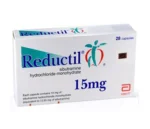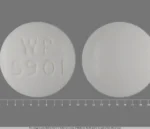


Generic Reductil 15 mg
Price range: $349.99 through $599.99
| Variation | Price | Quantity | Add To Cart |
|---|---|---|---|
| 90 pills | $349.99 |
|
Add to cart |
| 240 pills | $599.99 |
|
Add to cart |
| 180 pills | $449.99 |
|
Add to cart |
Reductil 15 mg tablet remains one of the most searched names in weight-loss medicine, more than a decade after it left pharmacy shelves. Some people remember it from treatment years ago. Others come across “Reductil 15 mg” on marketplaces, slimming forums, or overseas websites and want to know whether it is real, legal, or safe. This page answers those questions. It explains what Reductil was, the strict European prescribing rules attached to the 15 mg strength, the regulatory review that ended its approval, and the approved weight-management options doctors use now.
What Reductil 15 mg Was
Reductil was the international brand name for sibutramine hydrochloride monohydrate, an oral appetite suppressant first developed by Knoll and later marketed by Abbott. In the United States the same medicine was sold as Meridia. Reductil was authorised in European countries from 1999 and in Australia from 2002, and it was supplied as 10 mg and 15 mg capsules.
The 15 mg capsule was the maximum strength. It was never meant to be a first prescription. Patients began on 10 mg, and only those who did not respond well enough in the first month could move up to 15 mg. Understanding that step-up rule is the key to understanding the 15 mg strength.
One Medicine, Many Names
Sibutramine was sold under a long list of brand names. If you see any of the names below on a product, the active ingredient is the same drug, and the same safety concerns apply.
| Brand name | Where it was commonly used |
|---|---|
| Reductil | EU member states, UK, Australia, and many other markets |
| Meridia | United States and Canada |
| Sibutral | Selected European markets |
| Obesan | Selected European markets |
| Minimacin | Selected European markets |
| Local generic brands | Various countries, including India, Latin America, and parts of Asia, before national bans |
The European Medicines Agency’s sibutramine referral page confirms that sibutramine was available under more than a dozen trade names and as generics across Europe.
How Reductil 15 mg Affected Appetite
Reductil worked in the brain rather than the gut. In the liver, sibutramine was converted into two active metabolites that blocked the reuptake of serotonin and noradrenaline (norepinephrine). With more of these messengers available, people felt full sooner and wanted to eat less. Because noradrenaline also tightens blood vessels and speeds the heart, Reductil could raise blood pressure and pulse. That double effect, helpful for appetite and unhelpful for the heart, shaped every rule that came with the 15 mg dose.
The European Rules for Using Reductil 15 mg
Long before its suspension, Reductil carried some of the tightest prescribing conditions of any weight-loss medicine in Europe. Think of them as four checkpoints a patient had to pass. The summary below draws on the European product information and the review published in Australian Prescriber.
Checkpoint 1: Eligibility
Reductil was intended for adults with a BMI of 30 kg/m² or more, or a BMI of 27 kg/m² or more with type 2 diabetes or abnormal blood fats, who had not lost enough weight through diet and exercise alone. People with a history of coronary artery disease, heart failure, arrhythmias, peripheral arterial disease, or stroke were excluded.
Checkpoint 2: Start on 10 mg
Every patient began with one 10 mg capsule a day, taken in the morning with or without food.
Checkpoint 3: Move to 15 mg only if needed
If a patient had lost less than 2 kg after four weeks on 10 mg, the dose could be raised to 15 mg once daily. No higher dose was permitted.
Checkpoint 4: Stop if it is not working, and never beyond a year
Treatment had to stop if a patient had not lost at least 5% of their starting body weight within three months. European conditions also capped the total treatment time at one year.
These rules show that Reductil 15 mg was designed as a time-limited, closely watched treatment, not a long-term or casual one. Doctors tailored each step to the individual, much like the principles described in our guide to why some people need less medication.
The Monitoring Schedule That Came With Reductil
| Treatment phase | Blood pressure and pulse checks |
|---|---|
| First three months | At least every two weeks |
| Months four to twelve | At least every three months |
| Any time | Stop treatment if resting pulse rose by 10 beats per minute or blood pressure by 10 mmHg on two consecutive visits |
Few weight-loss medicines have required fortnightly heart checks. The schedule existed because regulators already knew sibutramine could push blood pressure and pulse up in some people, even before the outcome trial confirmed the wider risk.
Side Effects Linked to Reductil 15 mg
The most frequently reported effects were related to the drug’s action on the nervous system and blood vessels:
- Dry mouth and altered taste
- Constipation and nausea
- Insomnia and difficulty falling asleep
- Headache and light-headedness
- Increased heart rate, palpitations, and higher blood pressure
- Sweating, hot flushes, and anxiety or nervousness
Rarer but serious problems included seizures, serotonin syndrome when combined with antidepressants or migraine medicines, bleeding problems, and mood changes. If you used Reductil in the past and noticed fatigue or mood shifts, our articles on feeling more tired than usual and what mood swings can mean explain how to talk to a doctor about them.
Medicines Reductil should never have been combined with
- MAO inhibitors, or within two weeks of stopping one
- Other centrally acting weight-loss drugs
- Antidepressants such as SSRIs, and triptans used for migraine, because of serotonin syndrome risk
- Strong CYP3A4 inhibitors (for example, ketoconazole or erythromycin), which could raise sibutramine levels
Why Reductil 15 mg Was Suspended in Europe
The trial behind the decision
When Reductil was first authorised, European regulators asked for a long-term study to check whether weight loss with sibutramine actually reduced heart attacks and strokes. That study was the Sibutramine Cardiovascular Outcomes Trial (SCOUT), which followed nearly 10,000 overweight and obese people aged 55 and over for up to six years. Most participants had existing cardiovascular disease, type 2 diabetes, or both.
The final results, published in the New England Journal of Medicine, showed that 11.4% of people taking sibutramine had a major cardiovascular event, compared with 10.0% of people on placebo. The gap came from more non-fatal heart attacks and non-fatal strokes.
The review timeline
| Date | What happened |
|---|---|
| 1999 | Sibutramine medicines, including Reductil, become available in Europe |
| 18 December 2009 | The EMA announces a safety review after preliminary SCOUT data show more serious cardiovascular events |
| 21 January 2010 | The EMA’s human medicines committee (CHMP) concludes the benefits no longer outweigh the risks and recommends suspension across the EU |
| 6 August 2010 | The European Commission issues its legally binding decision |
| October 2010 | The manufacturer withdraws sibutramine in the U.S., Canada, and Australia |
You can read the EMA’s original December 2009 safety review announcement for the full regulatory wording.
What the regulators weighed
- Benefit: extra weight loss of only about 2 to 4 kg compared with placebo, with no clear evidence that it lasted after treatment stopped.
- Risk: a higher rate of heart attacks and strokes in a large, well-designed trial.
- Relevance: although many SCOUT participants would not normally have been prescribed Reductil, obesity itself raises cardiovascular risk, so the committee judged that similar risks applied to typical patients too.
Is Reductil 15 mg Legal or Available Anywhere Now?
Reductil 15 mg is not authorised in the EU, the UK, the U.S., Canada, or Australia, and many other countries have also removed or banned sibutramine. In the U.S., sibutramine is still listed as a Schedule IV controlled substance, and the FDA’s withdrawal notice in the Federal Register states that its benefits do not outweigh its risks in any identifiable patient group.
This means any pack labelled “Reductil 15 mg” that you see for sale today is very likely to be one of the following:
- Counterfeit: packaging copied from the original brand, with unknown contents.
- Unregulated manufacture: sibutramine made without quality controls, which can mean far more or far less than 15 mg per capsule.
- Old stock: genuine capsules that expired many years ago.
- Mislabelled “herbal” products: regulators worldwide regularly find hidden sibutramine in slimming teas, coffees, and supplements. The FDA’s guide to avoiding products with hidden ingredients explains the risk.
A properly licensed pharmacy will not supply a product that has no valid authorisation. Our guide on how pharmacies verify controlled prescriptions explains the checks that keep unsafe products out of the regulated supply.
Practical Steps If You Have Reductil 15 mg at Home
- Do not take it. The cardiovascular risk applies whatever the source of the capsules.
- Do not give it to anyone else. Sharing a prescription-only medicine carries health and legal risks, as covered in what happens if someone else takes your prescription.
- Return it to a pharmacy for safe disposal, or use a local take-back scheme.
- Tell your doctor if you have taken it recently, especially if you have high blood pressure, heart disease, or diabetes, or you take antidepressants.
- Report suspicious products to your national medicines regulator, such as the FDA’s MedWatch in the U.S.
Seek emergency care straight away for chest pain, breathlessness, a pounding or irregular heartbeat, sudden severe headache, confusion, one-sided weakness, slurred speech, or a seizure.
Who Was Most Likely to Run Into Problems on Reductil 15 mg
Looking back at the trial data and the prescribing rules, certain groups stood out as having the greatest risk from the 15 mg dose:
- People with known heart or circulation disease. They were the group in which SCOUT showed the clearest harm, and they were formally excluded from treatment in Europe.
- People whose blood pressure crept up on treatment. A rise that seemed small at each visit could add up over months, which is why two consecutive increases were enough to stop treatment.
- People with type 2 diabetes plus other risk factors. Many SCOUT participants fell into this group.
- People taking serotonin-affecting medicines. Antidepressants and migraine treatments raised the chance of serotonin syndrome.
- People who kept taking it after it stopped working. The five per cent rule existed so that nobody stayed exposed to the risk without a clear benefit.
This pattern is one reason doctors today review your full history before choosing any weight-loss medicine, and why reporting new symptoms promptly matters so much.
What the Reductil Story Means for Weight-Loss Medicines Today
Reductil 15 mg changed the way regulators judge obesity medicines. Before sibutramine, a medicine could be approved mainly on the basis of how much weight people lost. The SCOUT result showed that weight loss on a scale does not automatically mean a healthier heart. Since then, regulators in Europe and the U.S. have expected much stronger evidence on cardiovascular safety for new weight-loss medicines, and large outcome trials are now a standard part of development.
That shift has had real benefits for patients. Several modern weight-management medicines have been tested in heart-outcome studies, and some have been shown to lower the risk of heart attack and stroke in people with existing cardiovascular disease. In other words, the field has moved from a medicine that raised heart risk to medicines that can, for some people, reduce it.
For anyone weighing a weight-loss treatment, the lesson is simple: look for a medicine that is currently authorised where you live, prescribed by a clinician who knows your history, and supplied by a licensed pharmacy. Old brand names that carry nostalgia, like Reductil, are not a shortcut.
What Doctors Use Instead of Reductil 15 mg
The weight-management landscape looks very different today. Health services now combine lifestyle support with a range of approved medicines, and in some cases weight-loss surgery. The NHS guide to overweight and obesity and the World Health Organization’s obesity fact sheet are useful starting points.
| Approach | Examples | Key point |
|---|---|---|
| Lifestyle programmes | Structured diet, activity, and behaviour support | The foundation of every plan |
| Fat-absorption blocker | Orlistat | Works in the gut, not the brain |
| Combination brain-acting medicine | Naltrexone / bupropion | Targets hunger and reward pathways |
| Short-term appetite suppressant | Phentermine (where authorised) | Used for a limited period alongside lifestyle change |
| Incretin-based medicines | GLP-1 and GLP-1/GIP injections | Larger average weight loss; some have shown heart benefits |
| Surgery | Gastric bypass, sleeve gastrectomy | For people meeting specific criteria |
Before your appointment, it helps to have a list of what you want to ask. Our checklist of questions to ask at every follow-up visit works well for weight-management reviews too. Your doctor will also look at your past prescriptions, including any sibutramine use; our article on why doctors check prescription history explains why that matters.
| Select Variation |
180 pills ,240 pills ,90 pills |
|---|