
Generic Celexa 20 mg
Price range: $897.30 through $2,970.00
| Variation | Price | Quantity | Add To Cart |
|---|---|---|---|
| 300 pills | $2,970.00 |
|
Add to cart |
| 180 pills | $1,785.00 |
|
Add to cart |
| 240 pills | $2,376.00 |
|
Add to cart |
| 90 pills | $897.30 |
|
Add to cart |
Celexa 20 mg (Citalopram): Prescription Guide for Adult Major Depressive Disorder
Celexa 20 mg is a prescription antidepressant tablet containing 20 mg of citalopram. In current U.S. prescribing information, 20 mg once daily is the labeled initial adult dose for major depressive disorder (MDD). The dose may be increased to a maximum of 40 mg once daily no sooner than one week after starting, but a dose change should occur only after a prescriber evaluates benefit, side effects, health conditions, and interacting medicines.
For adults over age 60, people with hepatic impairment, known CYP2C19 poor metabolizer status, and patients taking cimetidine or another CYP2C19 inhibitor, 20 mg per day is the labeled maximum because higher exposure increases the risk of QT prolongation. Celexa 20 mg is therefore a common strength but plays different roles: it can be an initial dose for one patient, a maximum dose for another, or a step within an individualized plan.
Celexa is FDA-approved for MDD in adults. Citalopram may be prescribed off-label for certain anxiety-related conditions, but a website category does not convert an off-label use into an approved indication. A person planning to buy Celexa 20 mg online should first receive a diagnosis and prescription from a licensed clinician, then use a licensed pharmacy that can perform an interaction and safety review.
A Patient Roadmap: From Evaluation to First Refill
- Assessment: confirm the condition, severity, suicide risk, bipolar history, medical causes, current medicines, and previous treatment response.
- Prescription: confirm brand or generic, 20 mg strength, once-daily timing, quantity, refills, and follow-up date.
- Baseline safety: review heart rhythm, electrolyte, liver, bleeding, seizure, eye, pregnancy, and interaction risks; complete tests if the clinician considers them necessary.
- Early monitoring: watch for worsening mood, suicidality, agitation, mania, serotonin syndrome, severe side effects, and adherence problems.
- Response review: evaluate symptoms and function over several weeks rather than changing the dose after only a few days.
- Refill decision: continue, adjust, switch, or taper only with clinical guidance.
What Celexa 20 mg Is Designed to Treat
Major depressive disorder is a clinical illness that can affect emotion, thinking, physical health, relationships, and daily function. Symptoms may include persistent sadness or emptiness, loss of interest, appetite or weight change, sleep disturbance, slowed or agitated movement, low energy, difficulty concentrating, excessive guilt or worthlessness, and thoughts of death or suicide.
A clinician looks at the number, duration, pattern, and impact of symptoms. Screening must also consider bipolar disorder because an antidepressant given without appropriate recognition of bipolar illness can contribute to mania or hypomania. Thyroid disease, anemia, sleep disorders, medicines, substances, grief, and other conditions may mimic or worsen depression.
Citalopram is an SSRI. It inhibits serotonin reuptake, changing serotonergic signaling. The clinical antidepressant effect is not immediate even though the medicine begins altering serotonin processes earlier. Patients may notice changes in sleep, appetite, anxiety, or energy before core mood symptoms improve. Some people experience side effects before benefit.
Is 20 mg a Starting Dose, Maintenance Dose, or Maximum?
Under U.S. labeling, 20 mg once daily is the adult starting dose for MDD. If needed and tolerated, the prescriber may increase to 40 mg after at least one week. Doses above 40 mg are not recommended because of QT prolongation risk. An increase is not automatic: some patients respond at 20 mg, and higher exposure can add side effects without providing a meaningful additional benefit for that individual.
Twenty milligrams is also the labeled maximum for certain groups:
- patients older than 60 years;
- patients with hepatic impairment;
- known CYP2C19 poor metabolizers; and
- patients taking cimetidine or another CYP2C19 inhibitor.
The tablet strength alone does not show the entire daily dose. One 20 mg tablet once daily is different from two 20 mg tablets, half-tablet directions, or a combination with another formulation. Use the printed instructions. If the pharmacy label differs from the plan discussed in the appointment, call before taking the first dose.
How to Take Celexa 20 mg
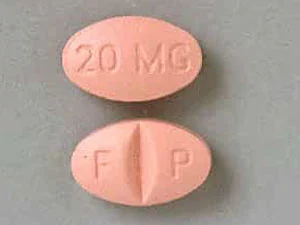
Take it once daily, with or without food, at approximately the same time. Swallow the dose as directed. The 20 mg brand tablet is described as scored, but a score line does not authorize a dose change; split it only when the prescription and pharmacist specifically instruct you.
Some patients prefer morning dosing if the medicine contributes to insomnia, while others may use evening dosing if it causes drowsiness. Ask the prescriber before changing timing. Avoid switching back and forth because inconsistent timing can complicate side-effect and adherence assessment.
If a dose is missed, take it when remembered unless it is close to the next dose. Skip it when the next dose is near and continue the usual schedule. Do not double. Several missed doses can cause discontinuation symptoms and may require advice before restarting.
Do not increase to 40 mg because improvement is slow. Do not reduce or stop because a single good day suggests recovery. Dose decisions consider trends, tolerability, suicide risk, and the planned duration of therapy.
What to Expect During Weeks 1 and 2
Early effects may include nausea, dry mouth, headache, fatigue, sleepiness, insomnia, sweating, tremor, digestive changes, or increased restlessness. Some improve as the body adjusts; others require a treatment change. Contact the prescriber when symptoms are severe, worsening, or interfere with eating, sleeping, driving, work, or medication adherence.
Mood can fluctuate before improvement stabilizes. Antidepressants carry a boxed warning because children, adolescents, and young adults had an increased risk of suicidal thoughts and behaviors in short-term studies. Celexa is not approved in pediatric patients. Monitoring for clinical worsening and unusual behavior is important at every age, particularly early in treatment and after dose changes.
Do not drive or perform dangerous work until you know how citalopram affects alertness, judgment, and coordination. Avoid using alcohol or sedating nonprescription products to “take the edge off.” They can worsen depression, drowsiness, and decision-making.
What to Assess During Weeks 3 to 8
Antidepressant response is evaluated over time. Useful questions include:
- Is low mood less intense or less persistent?
- Has interest in usual activities begun to return?
- Are sleep and appetite moving toward a healthier pattern?
- Is concentration improving at work, school, or home?
- Are self-care and social contact easier?
- Have suicidal thoughts changed in frequency, intensity, or specificity?
- Are side effects acceptable, treatable, or outweighing benefit?
A clinician may use a standardized symptom scale, but functional recovery matters too. Partial improvement may support more time, psychotherapy, a dose review, or another strategy. No improvement can reflect an incorrect diagnosis, nonadherence, an interaction, inadequate duration, substance use, another illness, or a treatment mismatch.
The Boxed Warning and an Emergency Safety Plan
Before starting, the patient and a trusted contact should know how to reach the prescriber, an urgent mental-health service, a crisis line, and emergency services. Seek immediate help for an active suicide plan, intent, access to lethal means, a recent attempt, psychosis, inability to stay safe, or dangerous mania.
Call the prescriber promptly for new or worsening depression, suicidal thoughts, agitation, panic, severe insomnia, aggression, impulsivity, marked restlessness, or a sudden unusual change in behavior. These symptoms may reflect the illness, treatment-emergent effects, bipolar activation, substances, or another cause. They need assessment rather than a self-directed dose change.
Families should not hide the medicine or alter doses without clinical guidance, except when emergency professionals direct immediate safety actions. Store the medicine securely, provide calm supervision when risk is rising, and remove access to lethal means as part of the emergency plan.
QT Prolongation and Heart-Rhythm Precautions
Citalopram can prolong the QT interval in a dose-dependent manner. QT prolongation can lead to torsades de pointes, a potentially fatal ventricular arrhythmia. The risk is why doses above 40 mg are not recommended and why 20 mg is the maximum for several higher-exposure groups.
Tell the clinician about:
- congenital long QT syndrome or family history of sudden cardiac death;
- slow heartbeat, heart failure, recent heart attack, structural heart disease, or rhythm problems;
- fainting, unexplained seizures, palpitations, or severe dizziness;
- low potassium or magnesium, diuretic use, prolonged vomiting or diarrhea, or eating disorders; and
- every medicine that may prolong QT or change citalopram metabolism.
Depending on risk, the prescriber may order an ECG and electrolyte tests. Do not assume that a previous normal ECG guarantees future safety after a new interaction or electrolyte loss. Seek urgent assessment for fainting, chest pain, sustained palpitations, an irregular heartbeat, or shortness of breath.
Serotonin Syndrome: Drug and Supplement Review
Serotonin syndrome may occur when citalopram is used with another serotonergic substance. Relevant agents include other SSRIs or SNRIs, tricyclic antidepressants, monoamine oxidase inhibitors (MAOIs), triptans, lithium, buspirone, tramadol, fentanyl and certain other opioids, amphetamines, tryptophan, and St. John’s wort.
Possible symptoms include agitation, confusion, hallucinations, sweating, fever, rapid heartbeat, fluctuating blood pressure, tremor, muscle rigidity, twitching, overactive reflexes, loss of coordination, nausea, vomiting, or diarrhea. A suspected severe reaction needs emergency care.
MAOI washout rules must be followed exactly. Do not take Celexa with an MAOI for psychiatric treatment or within the prohibited switching window. If linezolid or intravenous methylene blue is proposed, tell the treating team about citalopram immediately.
Other Clinically Important Warnings
Bleeding
SSRIs can increase bleeding risk. Aspirin, ibuprofen, naproxen, warfarin, direct oral anticoagulants, antiplatelet medicines, and a history of bleeding can raise concern. Report unexplained bruises, prolonged bleeding, blood in urine or vomit, and black or bloody stools.
Low sodium
Hyponatremia can cause headache, confusion, memory difficulty, weakness, unsteadiness, hallucinations, seizures, or coma. Older adults, people taking diuretics, and volume-depleted patients may be more vulnerable. Sudden confusion or falls should not be dismissed as “just aging.”
Angle-closure glaucoma
Acute eye pain, red eye, halos around lights, sudden blurred vision, headache, nausea, or swelling may indicate a rapid rise in eye pressure in a susceptible person. This requires emergency assessment.
Mania or hypomania
Screen for bipolar disorder before starting. Contact the clinician for unusually elevated or irritable mood, greatly reduced need for sleep, racing thoughts, pressured speech, grandiosity, increased goal-directed activity, impulsive spending, or risky behavior.
Seizures
Discuss seizure history. A seizure during treatment is an emergency and requires review of the medication and other causes.
Sexual Side Effects and Quality of Life
Sexual adverse effects are common enough to discuss before treatment. They may include reduced desire, erectile difficulty, delayed or absent ejaculation, decreased genital sensation, and delayed or absent orgasm. These symptoms can also result from depression, other medicines, hormonal conditions, or relationship factors.
Do not skip tablets around sexual activity or stop suddenly. Tell the prescriber when symptoms begin, whether mood has improved, and how much they matter. Options may include further evaluation, time, dose or timing review, treatment of contributing conditions, or a different antidepressant. No online supplement should be added without an interaction check.
Discontinuation and the Risk of Abrupt Stopping
Celexa should generally be reduced gradually when treatment ends. Abrupt stopping or repeated missed doses can cause dizziness, sensory changes, anxiety, irritability, agitation, headache, nausea, sweating, sleep disturbance, emotional lability, confusion, tremor, or rarely more serious symptoms.
A taper is not one-size-fits-all. The prescriber considers current dose, treatment duration, past withdrawal, relapse history, pregnancy, and available formulations. If symptoms emerge, the plan may be slowed or adjusted. Alternating tablets, crushing them into estimated portions, or using someone else’s liquid is unsafe.
Relapse and discontinuation can overlap. The timing and symptom pattern help the clinician distinguish them. Report symptoms rather than assuming one cause.
Pregnancy and Breastfeeding
A pregnant person should not start, stop, or change Celexa without a risk-benefit discussion. Untreated depression may affect nutrition, prenatal care, substance use, suicide risk, and postpartum health, while medication exposure has its own considerations. The plan may involve obstetric and mental-health clinicians.
Citalopram passes into breast milk. Decisions consider maternal benefit, infant age, prematurity, feeding, weight gain, sedation, irritability, and alternatives. Contact the pediatric clinician if an exposed infant has feeding or growth concerns.
Medicine Interactions Worth Flagging Before Checkout
An online questionnaire should never be the only interaction screen. Provide an accurate list of prescription medicines, over-the-counter products, vitamins, and supplements. Particularly important categories include:
- MAOIs and other serotonergic medicines;
- drugs that prolong QT;
- cimetidine, omeprazole, and other CYP2C19 inhibitors;
- anticoagulants, antiplatelets, aspirin, and NSAIDs;
- diuretics or medicines associated with low sodium;
- sedatives and alcohol;
- medicines that lower seizure threshold; and
- St. John’s wort, tryptophan, and other mood or sleep supplements.
Ask the pharmacist to repeat the review whenever another prescriber changes therapy. The fact that two medicines were previously tolerated together does not guarantee safety after a dose, health, or electrolyte change.
How to Buy Celexa 20 mg Online Through a Lawful Pharmacy
Commercial-intent terms include “buy Celexa 20 mg online,” “order citalopram 20 mg,” “Celexa 20 mg price,” “generic Celexa 20 mg delivery,” and “online prescription for citalopram.” These phrases should connect patients with a regulated prescription pathway. A responsible service does not sell antidepressants anonymously or guarantee approval.
Verify that the pharmacy:
- requires a valid prescription from a clinician authorized to prescribe for the patient’s location;
- is licensed where it dispenses and ships;
- provides a physical address and access to a licensed pharmacist;
- identifies whether the quote is for Celexa brand or generic citalopram;
- shows the 20 mg strength, quantity, manufacturer or source when available, and total cost;
- protects payment and health information;
- provides the Medication Guide and a labeled, sealed container; and
- has a clear process for damaged, delayed, incorrect, recalled, or suspicious medicine.
Avoid any site that offers Celexa 20 mg without a prescription, advertises a “100% safe antidepressant,” hides its pharmacy identity, provides no pharmacist, uses unverifiable testimonials as medical advice, or pressures you to buy unusually large quantities.
Brand Celexa 20 mg Versus Generic Citalopram 20 mg
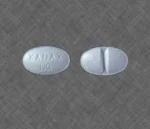
An approved generic contains the same active ingredient and strength and must meet applicable quality and bioequivalence standards. Inactive ingredients, tablet appearance, imprint, manufacturer, packaging, and price may differ. Patients with allergies or intolerance should compare inactive ingredients with a pharmacist.
Do not be alarmed solely because a refill looks different, but verify the imprint and manufacturer with the pharmacy. Do not use a loose or unlabeled tablet. If the prescription specifies brand for a clinical reason, confirm whether substitution is permitted before paying.
Celexa 20 mg Price and Insurance Questions
The price depends on brand versus generic, tablet count, pharmacy, location, insurance formulary, deductible, discount program, and shipping. Online advertisements may show a low cash price that excludes consultation or membership charges. Compare the same 20 mg product and quantity.
Ask whether insurance prefers generic citalopram, requires prior authorization, limits a mail-order supply, or requires a particular pharmacy. If the price is high, discuss approved alternatives with the prescriber; do not buy a different strength and alter tablets without authorization.
Order Inspection, Storage, and Disposal
On delivery, confirm the patient name, citalopram or Celexa, 20 mg strength, directions, quantity, prescriber, pharmacy, manufacturer or imprint information, and expiration or beyond-use date. Check the seal and compare the tablet to the pharmacy description. Contact the pharmacy before use if anything is incorrect or suspicious.
Store at controlled room temperature according to the label, away from excess moisture and heat. Keep it secured from children and others. Use a medicine take-back program when possible; do not give unused antidepressants to another person.
Defining Treatment Success Before the Dose Is Changed
“Feeling better” is important but broad. Before treatment, identify two or three concrete targets. Examples include getting to work on time four days a week, eating regular meals, resuming a weekly activity, reducing time spent in bed during the day, or completing essential household tasks. The targets should reflect the patient’s priorities and be realistic for the stage of recovery.
At follow-up, review change in core symptoms, functioning, side effects, adherence, and safety. A person can have a partial response—some improvement without remission. The clinician may continue 20 mg longer, add psychotherapy, address sleep or substance use, review the diagnosis, or consider another treatment. Moving to 40 mg is only one possible option and is not appropriate for patients whose labeled maximum is 20 mg.
Remission does not always mean treatment should stop. Continuation treatment may reduce the chance that symptoms return soon after recovery, while patients with recurrent or severe depression may need a longer maintenance plan. The prescriber weighs the number and severity of previous episodes, suicide risk, residual symptoms, tolerability, patient preference, and other supports.
Switching To or From Another Antidepressant
Antidepressant switches require a written plan. Depending on the medicines involved, a clinician may stop one and start another, taper and overlap carefully, or use a washout period. MAOIs require strict timing because an unsafe overlap can cause serotonin syndrome. Other switches can also create additive side effects, discontinuation symptoms, or temporary undertreatment.
Do not combine leftover tablets from a former prescription with new Celexa 20 mg. Tell the pharmacist the date and time of the last dose of the previous drug. If the instructions include several stages, ask for them in calendar form and confirm which bottle should be used on each date. Keep discontinued medicines away from the active medication area to reduce mistakes.
A new symptom during a switch may reflect the old drug leaving the body, the new drug, the illness, or an interaction. Contact the clinician rather than diagnosing the cause online. Severe agitation, fever, rigidity, confusion, seizure, or immediate suicide risk needs urgent care.
Preparing for an Online Celexa Consultation
A legitimate telehealth clinician should gather enough information to make a safe prescribing decision. Prepare a list of current symptoms and their duration, prior depression or mania, suicide attempts or current thoughts, previous antidepressants and responses, medical conditions, allergies, pregnancy status, substances, and every medicine or supplement. Include over-the-counter pain relievers and acid-reducing medicines because patients often omit them.
Have recent blood-pressure, ECG, or laboratory information available when relevant, but do not obtain tests solely from a product page. The clinician decides what is needed. Ask how emergencies are handled, who provides follow-up, and whether the service can communicate with the primary-care clinician and pharmacist.
Be cautious if the service never asks about bipolar symptoms, suicidality, heart history, other serotonergic drugs, or age. A “same medication for everyone” model is not appropriate antidepressant care. The clinician should be willing to recommend a different plan or no prescription when the assessment indicates it.
A Refill Continuity Checklist
Refill planning prevents both accidental interruption and unnecessary stockpiling. About a week before the supply ends, count remaining tablets, confirm that refills are authorized, check whether the pharmacy or insurance has changed, and schedule required follow-up. Mail delays are possible, so ask the dispensing pharmacy about realistic processing time.
If a refill will be late, contact the pharmacy and prescriber before missing doses. Do not borrow citalopram from a friend, purchase from an unverified marketplace, or substitute a different strength. If the tablet appearance changes, compare the imprint and manufacturer on the pharmacy label. If the new product causes a suspected allergy or new symptom, report it.
Keep an updated medication list showing Celexa or citalopram 20 mg, the actual daily instructions, start date, prescriber, and pharmacy. Bring the same list to dentists, urgent care, surgery visits, and new specialists so interactions and bleeding risk are considered.
Questions a Caregiver May Need Answered
With the patient’s permission, a caregiver can help notice worsening depression, agitation, reduced sleep with increased energy, missed doses, or dangerous behavior. Caregivers should know that antidepressants do not provide instant relief and that pressure to “snap out of it” can increase distress. Practical support with appointments, meals, sleep routine, and prescription collection may be helpful.
A caregiver should not secretly add, remove, or crush medicine. If the patient refuses treatment, contact the clinician for guidance. If there is imminent risk of self-harm or harm to others, call emergency services and focus on immediate safety. Keep crisis contacts available and follow professional instructions about securing medicines and other lethal means.
Frequently Asked Questions About Celexa 20 mg
Is Celexa 20 mg a normal starting dose?
Yes, current U.S. labeling lists 20 mg once daily as the initial adult dose for MDD. Individual clinicians may choose another start based on patient-specific factors.
Is 20 mg the maximum dose?
It is the labeled maximum for adults over 60, people with hepatic impairment, CYP2C19 poor metabolizers, and patients taking cimetidine or another CYP2C19 inhibitor. For other adults, the labeled maximum is 40 mg daily.
Can Celexa 20 mg treat anxiety?
Citalopram may be prescribed off-label for some anxiety-related conditions, but U.S. Celexa approval is for adult MDD. A clinician must evaluate the specific diagnosis and alternatives.
How long until it works?
Meaningful improvement may take several weeks. Early side effects can occur sooner. Follow-up should assess both symptoms and function.
Should I take it in the morning or at night?
Take it at the time directed. The prescriber may consider whether it causes sleepiness or insomnia. Do not repeatedly change timing on your own.
Can the 20 mg tablet be split?
The U.S. brand 20 mg tablet is scored, but split it only when the prescription and pharmacist instruct you to. A score line is not permission to change dose.
What if I miss a dose?
Take it when remembered unless the next dose is near. Then skip it. Do not double. Contact the prescriber after several missed doses.
Can I drink alcohol?
Discuss it with the prescriber. Alcohol can worsen depression, impair judgment, and intensify drowsiness or other effects.
Does Celexa cause weight gain?
Weight and appetite can change during treatment or recovery from depression. Track meaningful changes and discuss them rather than stopping abruptly.
Does it cause sexual problems?
Yes, decreased libido, erectile or ejaculation difficulty, and orgasm problems can occur. Tell the prescriber; do not skip doses to manage them.
Is Celexa addictive?
It is not a controlled substance and does not produce addiction like opioids or sedatives, but discontinuation symptoms can occur after dose reduction or stopping.
Can I order Celexa 20 mg without a prescription?
No lawful pharmacy should dispense it without a valid prescription. Avoid no-prescription sellers.
Is generic citalopram cheaper?
It often costs less, but price varies. Confirm the manufacturer, quantity, insurance, discounts, and all fees.
When should I call emergency services?
Seek emergency care for immediate suicide danger, severe allergic reaction, seizure, suspected serotonin syndrome, fainting with heart symptoms, acute eye pain with vision change, or overdose.
How should treatment be stopped?
A clinician should plan a gradual reduction based on dose, duration, response, and prior withdrawal symptoms. Do not stop suddenly unless an emergency professional directs it.
Patient Summary Before Purchase
Celexa 20 mg is a standard U.S. tablet strength and the labeled adult starting dose for major depressive disorder, but it is not a self-selected product. The same 20 mg can be a maximum dose for patients whose age, liver function, metabolism, or interacting medicines increase exposure. Safe prescribing includes suicide and bipolar screening, heart-rhythm assessment, an interaction review, clear follow-up, and a discontinuation plan.
To order Celexa 20 mg online safely, use a licensed pharmacy that requires a prescription, identifies brand or generic status, gives pharmacist access, and ships a labeled, sealed product. Price should be considered only after clinical suitability and pharmacy legitimacy are confirmed.
Before checkout, make sure the page title, prescription, shopping cart, and pharmacy confirmation all show the same strength and quantity. Save the pharmacist’s contact details and the follow-up date. If any part of the order suggests a different dose, an automatic subscription, or substitution that was not discussed, pause the transaction and clarify it. Accurate fulfillment is part of safe antidepressant care.
Medical Disclaimer
This content is educational and does not diagnose depression, recommend Celexa, establish a dose, or replace the current prescribing information, Medication Guide, prescription label, or advice from a licensed clinician or pharmacist. Approved uses, formulations, and pharmacy rules vary by country. Seek immediate professional help for severe reactions, overdose, or risk of self-harm.
Authoritative References
| Select Variation |
300 pills ,180 pills ,240 pills ,90 pills |
|---|