

When Should Oxycodone Be Stopped? A Guide to Safe Timing and Tapering

Knowing when to stop oxycodone involves more than counting days; it means recognizing healing milestones, side effects, and tolerance signs, then tapering safely with medical guidance.

Why Your Doctor Prescribed Oxycodone Instead of Other Pain Medicines
Doctors don't prescribe oxycodone by default. Learn the specific medical reasons, patient factors, and clinical guidelines behind the decision to choose oxycodone over other pain medications.
When Should Oxycodone Be Stopped? A Complete Patient Guide
Deciding when to stop oxycodone depends on whether it was prescribed for short-term or chronic pain, and this guide explains the warning signs, safe tapering steps, and withdrawal facts every patient should understand.

What Is the Lowest Effective Oxycodone Dose?
Finding the lowest effective oxycodone dose depends on your pain severity, metabolism, and health history, not a single standard number. Here's how doctors determine the right starting point for you.

Why Doctors Prescribe Oxycodone for Short-Term Pain
Doctors prescribe oxycodone for short-term, acute pain like post-surgical recovery, fractures, and kidney stones because it offers fast, effective relief while minimizing long-term risks through careful dosing and monitoring.

Understanding Pain Scales Before Taking Oxycodone: A Patient’s Guide
Learn how pain scales work, why they matter before starting oxycodone, and how to rate your pain accurately so your treatment plan actually fits your needs.

How Doctors Decide Your Oxycodone Dose: A Complete Guide
Oxycodone dosing isn't a one-size-fits-all number, it's shaped by pain severity, other medications, organ function, genetics, age, and ongoing monitoring, and this guide walks through exactly how doctors make that decision.

Oxycodone and Sexual Health: What Every Patient Should Understand
Oxycodone can lower testosterone and disrupt hormones in both men and women, leading to reduced libido, erectile dysfunction, and other sexual health changes. Here's what causes it and how to manage it.
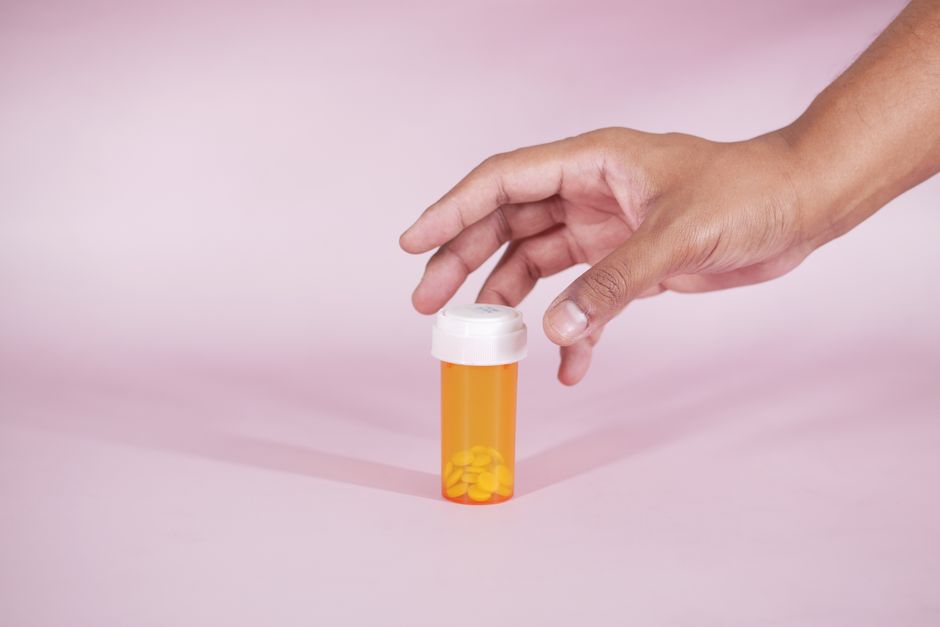
Why Isn’t My Oxycodone Working Anymore? Common Causes and What to Do
If oxycodone suddenly seems less effective, the cause could range from tolerance and drug interactions to a changed condition, genetics, or even how the medication is stored, and understanding why is the first step toward finding relief again.
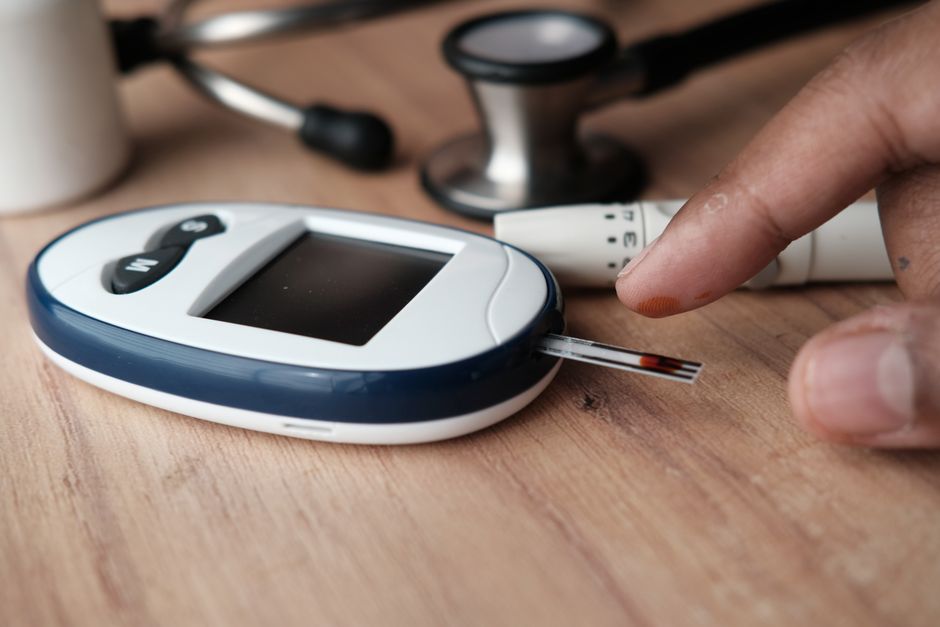
Can Oxycodone Affect Blood Sugar? What Patients Should Know
Oxycodone can influence blood sugar levels through its effects on insulin secretion, appetite, and activity. Here's what patients and caregivers need to know to stay safe.

Oxycodone Caregiver Guide: How to Safely Support a Loved One
A practical guide for caregivers supporting a loved one on oxycodone, covering safe dosing routines, warning signs of overdose or misuse, side effect management, communication with doctors, and emotional wellbeing for both patient and caregiver.

Oxycodone Medication Checklist: A Complete Safety Guide for Patients
A practical, step-by-step oxycodone medication checklist covering dosing, side effects, storage, refills, and long-term safety for patients and caregivers.