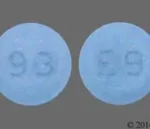


Generic Lunesta 3 mg
Price range: $548.00 through $1,524.00
| Variation | Price | Quantity | Add To Cart |
|---|---|---|---|
| 90 pills | $548.00 |
|
Add to cart |
| 180 pills | $948.00 |
|
Add to cart |
| 360 pills | $1,524.00 |
|
Add to cart |
Lunesta 3 mg (Eszopiclone): The Full-Night and Next-Day Safety Guide
Lunesta 3 mg is a prescription sleep medicine containing eszopiclone. It is used in adults with insomnia, including difficulty falling asleep, repeated nighttime awakening, or both. Eszopiclone is a sedative-hypnotic and a Schedule IV controlled substance. The 3 mg tablet is the maximum labeled once-nightly dose for adults, not the universal starting dose. Current prescribing information recommends starting at 1 mg and increasing only when clinically indicated.
The most important fact about the 3 mg strength is not simply that it may improve sleep maintenance. Higher morning blood levels after 2 mg or 3 mg can increase next-day impairment. The labeling specifically cautions patients taking 3 mg against driving and other activities requiring complete mental alertness the next day. A patient may be impaired even when they believe they are awake and functioning normally.
This content is for people researching a Lunesta 3 mg prescription, eszopiclone 3 mg safety, a legitimate Lunesta refill, or how to use a licensed online pharmacy. It is not an invitation to obtain a controlled sleep medicine without a prescription. A legitimate pharmacy should verify the prescription and make a pharmacist available before dispensing.
The Three Conditions for a Safe Bedtime Dose
Before taking prescribed Lunesta, all three of the following should be true. If one is missing, contact the prescriber or pharmacist rather than improvising.
- It is the prescribed dose: the pharmacy label specifically directs this patient to take the 3 mg strength at bedtime.
- A full night remains: the patient can get into bed immediately and remain there for 7 to 8 hours before needing to be active.
- No conflicting substance was used: the patient has not consumed alcohol and is not adding another sleep medicine or sedative outside a clinician-reviewed plan.
Lunesta should be taken immediately before getting into bed, not earlier in the evening while working, cooking, bathing, or using stairs. Taking a sedative and remaining active can increase short-term memory problems, dizziness, poor coordination, and unusual behavior. It should not be taken with or immediately after a heavy, high-fat meal because absorption is slowed and the intended effect on sleep onset may be reduced.
Boxed Warning: Complex Sleep Behaviors
Eszopiclone carries an FDA boxed warning for complex sleep behaviors. A person may get out of bed while not fully awake and walk, drive, prepare or eat food, make phone calls, have sex, take other medicines, or perform other activities. They may have little or no memory the next morning. Serious injury and death have occurred.
These behaviors can occur after the first dose or after later doses. They have been reported at recommended doses, with or without alcohol or another central nervous system depressant. A history of a complex sleep behavior after taking eszopiclone is a contraindication to using it again. If any such episode occurs, stop taking Lunesta and contact the healthcare professional immediately. If the behavior causes an injury, dangerous driving, exposure, overdose, or risk to another person, seek emergency help.
A partner or household member may notice the event before the patient does. Tell a trusted adult about this warning and ask them to report unusual nighttime activity. Lock car keys, weapons, and medicines as appropriate, but do not treat environmental precautions as a substitute for stopping the drug and obtaining medical advice after an episode.
Why 3 mg Is Different From a Starting Dose
Official labeling recommends an adult starting dose of 1 mg. A clinician may raise it to 2 mg or 3 mg if clinically indicated, but the total should not exceed 3 mg once nightly. The dose should not exceed 2 mg in an older or debilitated patient, a patient with severe hepatic impairment, or a patient taking a potent CYP3A4 inhibitor. Those limits mean a 3 mg product is not appropriate for several important groups even when insomnia is severe.
A higher dose is not automatically better sleep. It may increase unwanted effects such as unpleasant taste, dizziness, somnolence, dry mouth, confusion, or next-day impairment. The decision to use 3 mg should be tied to a documented sleep problem, response to a lower dose, risks the next morning, interacting medicines, and follow-up. A person should never jump from 1 mg to 3 mg, take two strengths together, or repeat a dose in the middle of the night unless the prescriber has given explicit instructions that match the current labeling.
What Insomnia Evaluation Should Occur First?
Insomnia is a symptom and a disorder, not just a low number of sleep hours. A proper assessment looks at the pattern, duration, daytime consequences, schedule, environment, and possible causes. Sleep disturbance can be a sign of depression, anxiety, bipolar disorder, trauma, pain, reflux, menopause, thyroid disease, medication effects, alcohol or substance use, restless legs syndrome, or sleep apnea.
The label advises evaluating a patient whose insomnia does not improve within 7 to 10 days because an unrecognized medical or psychiatric condition may be present. Worsening insomnia, unusual thinking, or new behavior also deserves prompt assessment.
Useful information to bring to the appointment
- Typical bedtime, estimated sleep-onset time, awakenings, final wake time, naps, and weekend schedule.
- How the sleep problem affects concentration, mood, driving, work, caregiving, and safety.
- Snoring, witnessed breathing pauses, choking, restless legs, pain, reflux, hot flashes, nightmares, or unusual movements.
- Caffeine, nicotine, alcohol, cannabis, supplements, and recreational substances, including timing.
- All prescription and nonprescription medicines, especially other sleep aids and sedating products.
- Depression, elevated mood, racing thoughts, hallucinations, suicidal thoughts, or major recent stress.
- Previous sleep treatments, benefits, adverse effects, and any complex sleep behavior.
How Eszopiclone Supports Sleep
Eszopiclone is a positive modulator at GABA-A receptor complexes and reduces central nervous system activity. In controlled studies it reduced sleep latency and improved sleep maintenance. It does not replace natural sleep regulation or cure every cause of insomnia. The goal is clinically meaningful sleep improvement with acceptable next-day function.
Measure benefit with more than “it knocked me out.” Useful outcomes include a reasonable reduction in time awake, fewer disruptive awakenings, improved daytime functioning, and less distress about sleep. Heavy sedation, morning confusion, unsafe driving, falls, memory loss, or unusual behavior are not acceptable tradeoffs for a lower sleep-latency number.
Next-Day Impairment: The Central 3 mg Counseling Point
Eszopiclone can impair daytime function at higher doses even when taken as prescribed. Impairment may not be apparent in an ordinary conversation or self-assessment. The risk rises when the patient takes 3 mg, has less than 7 to 8 hours available for sleep, combines it with alcohol or another central nervous system depressant, takes a medicine that raises eszopiclone levels, or takes more than prescribed.
Patients prescribed 3 mg should not drive or engage in hazardous activities requiring full alertness the next day. This includes operating machinery, working at heights, supervising water activities, providing safety-sensitive care, or making high-stakes decisions. Discuss occupational and caregiving duties before accepting this strength. If the morning schedule cannot accommodate the restriction, the prescriber needs to know.
Who Should Not Take Lunesta 3 mg?
Do not use eszopiclone if you have previously experienced a complex sleep behavior after taking it. It is also contraindicated in a patient with known hypersensitivity to eszopiclone; serious allergic reactions, including swelling involving the tongue or airway, have been reported. Seek emergency help for throat or tongue swelling, trouble breathing, or signs of anaphylaxis.
The 3 mg strength should not be used in groups for whom the label caps the total dose at 2 mg, including older or debilitated patients and patients with severe hepatic impairment. The same 2 mg maximum applies with potent CYP3A4 inhibitors. A prescriber may identify other reasons to avoid the medicine or choose a lower dose.
Conditions requiring a careful benefit-risk discussion
- sleep apnea, chronic lung disease, or compromised respiratory function;
- liver disease or use of a potent CYP3A4 inhibitor;
- depression, suicidal thoughts, psychosis, mania, or unusual behavior;
- current or past alcohol, drug, or prescription-medicine misuse;
- history of falls, frailty, cognitive impairment, or nighttime wandering;
- pregnancy, plans for pregnancy, or breastfeeding;
- use of opioids, benzodiazepines, other sleep medicines, or sedating drugs.
Interaction Review: The Bedtime List Is Not Enough
A patient may focus on medicines taken at night and forget that daytime products can still overlap. The pharmacist should review the entire list, including occasional pain or cough medicine, allergy tablets, muscle relaxants, anxiety medicines, antidepressants, antipsychotics, antiseizure drugs, and cannabis or herbal sleep products.
Alcohol should not be used on an evening when eszopiclone is taken. Combining the medicine with benzodiazepines, opioids, tricyclic antidepressants, or other central nervous system depressants can increase sedation and impairment. Taking another sedative-hypnotic at bedtime or in the middle of the night is not recommended. Potent CYP3A4 inhibitors can raise exposure; the labeled total with such a medicine should not exceed 2 mg.
Do not solve an interaction by independently moving the dose earlier, skipping a different medicine, or cutting the tablet. Ask the prescriber or pharmacist to revise the plan.
Common Side Effects and Dose-Related Burden
Commonly reported effects include unpleasant or metallic taste, dry mouth, drowsiness, dizziness, headache, and cold-like symptoms. In a controlled adult study, unpleasant taste was more frequent at 3 mg than 2 mg, illustrating that some adverse effects can be dose related. Confusion, memory problems, hallucinations, unusual behavior, worsening depression, and falls are more serious concerns.
Call the prescriber promptly for troublesome daytime sleepiness, repeated imbalance, memory gaps, worsening insomnia, new agitation, aggressive or disinhibited behavior, hallucinations, depression, or suicidal thoughts. Stop the medicine and contact the clinician after any complex sleep behavior. Seek emergency care for airway swelling, severe breathing difficulty, unresponsiveness, serious injury, or overdose.
Dependence, Tolerance, Withdrawal, and Rebound Insomnia
Eszopiclone is controlled because it can be abused and can lead to dependence. Do not take more than prescribed, use it for a daytime calming effect, combine it for intoxication, or give it to another person. A feeling that the medicine no longer works is a reason to call the prescriber, not increase the dose.
Rapid dose reduction or abrupt discontinuation of sedative-hypnotics can produce withdrawal-like symptoms. Temporary rebound insomnia may also occur: sleep can briefly seem worse than baseline after stopping. The prescriber should decide whether a gradual reduction is needed based on dose, duration, and patient history. A difficult first night after a change does not justify taking leftover tablets outside the plan.
What to Do After a Dose
Once the prescribed dose is taken, get into bed immediately. If you remain awake, do not take an extra tablet or another sleep aid. Avoid cooking, bathing, driving, using stairs unnecessarily, handling sharp objects, or sending important messages. If an urgent situation requires you to get up, recognize that coordination and judgment may be impaired and seek help from another adult.
The next morning, follow the 3 mg driving restriction and observe alertness, balance, memory, mood, and any evidence of nighttime activity. A sleep partner can report behaviors the patient does not remember. Document any concern and contact the prescriber before the next dose when appropriate.
A Seven-Day Sleep Record for Follow-Up
A concise diary can separate true benefit from sedation. Record the prescribed dose without changing it, the time taken, lights-out time, estimated sleep latency, number and duration of awakenings, final wake time, total time in bed, morning alertness, naps, caffeine and alcohol exposure, and unusual behavior. Also note whether the next day involved driving or safety-sensitive work.
Do not obsess over exact minutes or check the clock repeatedly overnight. Approximate entries are sufficient. The diary is a clinical tool, not a scorecard. Bring it to follow-up so the prescriber can decide whether 3 mg remains justified.
Cognitive Behavioral Therapy for Insomnia and Sleep Habits
Cognitive behavioral therapy for insomnia, often called CBT-I, is a structured treatment that addresses sleep schedule, conditioned arousal, unhelpful beliefs, and behaviors that perpetuate insomnia. It can provide durable benefit and may reduce reliance on medication. A clinician trained in CBT-I can tailor the method; patients should not impose extreme sleep restriction without guidance when they have bipolar disorder, epilepsy, safety-sensitive work, or another condition affected by sleep loss.
Supportive habits include a consistent wake time, a wind-down period, an environment that is dark and quiet, appropriate daytime activity, and avoiding late caffeine. Alcohol may make a person drowsy but fragments sleep and is unsafe with Lunesta. These habits support treatment but do not authorize an abrupt medicine change.
Filling a Lunesta 3 mg Prescription Online Safely
A patient may search for “Lunesta 3 mg online prescription,” “eszopiclone 3 mg refill,” “Lunesta price with prescription,” or “licensed online pharmacy delivery.” Safe transactional content should explain the lawful sequence: clinician assessment, prescription, pharmacy verification, interaction review, dispensing, counseling, and follow-up.
Verify that the pharmacy is licensed in your jurisdiction. In the United States, check it through the appropriate state board of pharmacy. Confirm that it requires a valid prescription, publishes a verifiable U.S. address and telephone number, and provides access to a licensed pharmacist. Do not order from a site that guarantees 3 mg before assessment, sells without a prescription, offers anonymous bulk packages, or hides the identity of the dispensing pharmacy.
Information to confirm before checkout
- The product is immediate-release Lunesta or generic eszopiclone, not a different sleep medicine.
- The prescription specifically states 3 mg and the quantity and refill status are correct.
- The pharmacy has reviewed age, liver function, other sedatives, alcohol use, and next-day driving.
- The price quote identifies brand versus generic, quantity, insurance processing, and any delivery fee.
- Delivery timing will not cause an unsafe gap or encourage use of tablets from an unverified source.
- A pharmacist is available if the tablet appearance or manufacturer differs from the previous fill.
Brand Lunesta and Generic Eszopiclone
Lunesta is the brand name; eszopiclone is the active ingredient. FDA-approved generic products may have different color, shape, imprint, or inactive ingredients. The prescription, pharmacy label, and pharmacist—not a product photograph—determine what was dispensed. If a tablet looks unfamiliar, pause and verify it with the dispensing pharmacy.
When comparing Lunesta 3 mg prescription cost with generic eszopiclone 3 mg price, compare the same quantity and manufacturer status. The lowest advertised number may exclude a consultation, dispensing fee, insurance limitation, or shipping. Price transparency is useful, but pharmacy licensure and prescription verification are essential.
Storage, Household Safety, and Disposal
Store the medicine at the temperature stated on the label, in its original child-resistant pharmacy container, away from moisture and heat. Because nighttime medicines can be confused in low light, read the label before taking a dose and avoid placing multiple loose tablets on a bedside surface. Keep the container locked away from children, visitors, and anyone with a risk of misuse.
Use a medicine take-back program for unused tablets. Do not share them with a person who has similar insomnia. Do not save a high-strength tablet for a difficult future night after the treatment plan ends. Follow the FDA Medication Guide and pharmacist instructions for disposal if take-back is unavailable.
Frequently Asked Questions About Lunesta 3 mg
Is 3 mg the usual starting dose of Lunesta?
No. Current labeling recommends starting adults at 1 mg and increasing to 2 mg or 3 mg only if clinically indicated. The higher doses increase the risk of next-day impairment. Three milligrams also exceeds the labeled maximum for older or debilitated patients, severe hepatic impairment, and use with potent CYP3A4 inhibitors.
Can I drive the morning after taking Lunesta 3 mg?
The labeling cautions patients taking 3 mg against driving and other activities requiring complete mental alertness the next day. Impairment can exist even if you feel awake. Discuss transportation and work requirements with the prescriber before using this strength.
What if I have only six hours available to sleep?
Do not take bedtime eszopiclone unless you can remain in bed for a full night, generally 7 to 8 hours, before becoming active. Less time increases next-day impairment. Do not compensate by taking it earlier while remaining awake.
Can I take a second dose after waking in the night?
Do not repeat Lunesta during the same night unless the prescriber has given an explicit instruction consistent with the product labeling. An extra dose can produce excessive exposure and dangerous morning impairment. Use the agreed plan for nighttime awakening.
Why does Lunesta cause an unpleasant taste?
Unpleasant or metallic taste is a well-recognized adverse effect of eszopiclone and can be more frequent at higher doses. Discuss persistent or intolerable taste with the prescriber. Do not add an unreviewed sedating product to mask it.
Can I take Lunesta after drinking alcohol?
No. The Medication Guide advises not taking it if alcohol was consumed that evening or before bed. Alcohol can increase impairment and the risk of dangerous behavior. Contact the pharmacist if you need instructions for that night.
What should I do after sleepwalking or sleep-driving?
Stop taking eszopiclone and contact the healthcare provider immediately. Complex sleep behavior after eszopiclone is a contraindication to further use. Seek emergency help for injury, dangerous driving, overdose, exposure, or risk to another person.
Is Lunesta safe for an older adult?
An older or debilitated patient should not exceed 2 mg under the labeling, so the 3 mg strength is not appropriate for that group. Older adults are more vulnerable to cognitive impairment, falls, and next-day effects. A prescriber should consider alternatives and the lowest effective dose.
Can I buy Lunesta 3 mg without a prescription?
No legitimate pharmacy should sell it without a valid prescription. Eszopiclone is controlled and can cause dependence, impairment, and serious complex sleep behaviors. No-prescription listings also create a counterfeit risk.
What if insomnia is not better after a week?
Contact the prescriber. Failure to improve after 7 to 10 days may point to an unrecognized medical, psychiatric, substance-related, or sleep disorder. Increasing to more than 3 mg is not the answer and exceeds the labeled maximum.
Can I stop Lunesta suddenly?
Do not change regular use without speaking with the prescriber. Withdrawal-like symptoms or temporary rebound insomnia may occur after a rapid reduction or abrupt stop. The clinician can decide whether a taper is needed and how to monitor it.
When is emergency care needed?
Seek emergency help for difficulty breathing, swelling of the tongue or throat, inability to wake, severe injury during a complex sleep behavior, suspected overdose, severe confusion, or immediate self-harm risk. Provide the responders with the labeled container and a complete list of substances taken.
A 3 mg Prescription Should Come With a Morning Plan
Lunesta 3 mg is not merely a stronger version of a sleep aid. It is the maximum labeled adult dose and carries a specific next-day alertness concern. Before filling the prescription, confirm why lower doses were insufficient or inappropriate, whether a full night is available, who will handle next-day driving, which interacting substances are prohibited, and when effectiveness will be reviewed.
A Night-and-Morning Decision Timeline
Early evening: identify reasons to pause
Before the medication window, check whether alcohol was consumed, a new medicine was started, illness affected breathing, or the next morning requires unusually early driving. Also note whether a heavy meal was just eaten. This is the time to contact the pharmacist, not after swallowing the tablet.
At bedtime: remove ambiguity
Read the label, confirm the patient and 3 mg strength, and take only the prescribed single dose immediately before getting into bed. Put the container back in locked storage. Do not leave a second tablet at the bedside. Make sure at least 7 to 8 hours remain.
During the night: do not redose
If sleep does not come quickly or the patient awakens, do not add another Lunesta tablet, alcohol, antihistamine, cannabis, benzodiazepine, or over-the-counter sleep aid. Use the non-drug nighttime plan. If unusual behavior, injury, severe confusion, or breathing difficulty occurs, another adult should seek help.
The next morning: assume the warning is meaningful
A patient taking 3 mg should avoid driving and activities requiring complete mental alertness the next day as the labeling cautions. Check for unexplained food, calls, messages, moved keys, injuries, or memory gaps that could indicate complex behavior. Report any episode before another dose is taken.
Questions to Resolve Before a 3 mg Refill
- Was the medicine taken correctly on nights when it appeared ineffective?
- What additional benefit did 3 mg provide compared with 1 mg or 2 mg?
- How often did next-day drowsiness, poor concentration, dizziness, or balance problems occur?
- Did the patient drive or perform safety-sensitive duties the next day?
- Did anyone observe complex sleep behavior or did the patient have unexplained nighttime evidence?
- Has alcohol use, respiratory health, liver function, mood, or the medication list changed?
- Is CBT-I or evaluation for sleep apnea, restless legs, pain, depression, or another contributor active?
- What is the planned duration and eventual reduction strategy?
How to Interpret Common Sleep Complaints Without Self-Adjusting
“It takes too long to work.” Taking eszopiclone with or immediately after a heavy high-fat meal can slow absorption. The answer is not an extra dose. Review timing and food with the pharmacist.
“I wake up before morning.” Early awakening may reflect depression, circadian timing, sleep apnea, alcohol, pain, environmental disruption, or insufficient time in bed. Record the pattern and discuss it rather than stacking sedatives.
“I feel fine to drive.” Subjective alertness does not reliably exclude impairment. The 3 mg label caution should control the plan, not the patient’s confidence.
“The metallic taste means the tablet is fake.” Unpleasant taste is a recognized eszopiclone effect, particularly at higher doses. Tablet authenticity should still be checked through the pharmacy label and pharmacist—not inferred from taste.
“I slept badly after stopping.” Rebound insomnia can temporarily follow discontinuation. Contact the prescriber rather than restarting or mixing leftover hypnotics.
Quality Standards for a Lunesta Product Page
A trustworthy page should identify the 3 mg dose as the maximum labeled adult total, display the complex-sleep-behavior boxed warning, explain the next-day driving caution, and state the 2 mg maximum for older or debilitated patients, severe hepatic impairment, and potent CYP3A4 inhibitor use. It should not promise guaranteed sleep, morning freshness, or safety with alcohol.
It should distinguish prescription fulfillment from prescribing. A pharmacy may dispense a valid prescription; it should not imply that adding the product to a cart guarantees that a clinician will authorize it. Transparent patient eligibility, pharmacist access, pharmacy licensure, and final price are more useful than urgency claims.
Travel, Time Zones, and Unfamiliar Sleep Environments
Travel changes bedtimes, wake times, meals, alcohol exposure, and morning duties. Do not take 3 mg on an airplane, train, or bus simply to sleep through the journey unless the prescriber has specifically assessed that setting. A passenger may need to respond to an emergency, protect belongings, navigate stairs, or clear immigration while impaired.
Keep the medicine in its original labeled container and check destination laws for controlled substances. Do not shift the dose across time zones by taking two tablets close together. Ask the pharmacist for a timing plan, and skip alcohol during travel.
An unfamiliar hotel room may increase fall and complex-behavior risk. Locate the bathroom before dosing, secure keys and balcony access, remove obstacles, and tell a travel companion about the warning. These steps reduce harm but do not eliminate the next-day driving restriction or boxed-warning risk.
Medical review note: This information should be checked against the current FDA-approved Lunesta or eszopiclone labeling and the Medication Guide supplied with the exact product. It is educational content, not a diagnosis or individualized dosing recommendation.
Before publication, verify that the page does not confuse 3 mg with the lower maximum for older or debilitated patients, severe hepatic impairment, or potent CYP3A4 inhibitor use. A pharmacist should also confirm that the listed formulation, manufacturer information, and storage language match the product actually dispensed. Medical content should show a review date because warnings and labeling can change.
The checkout process should never override a clinician’s decision to prescribe a lower dose or a different treatment.
Document that decision clearly in the patient record and pharmacy instructions.
Review it regularly.
| Select Variation |
360 pills ,180 pills ,90 pills |
|---|