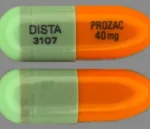

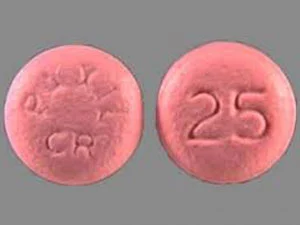
Generic Paxil 25 mg
Price range: $720.00 through $2,400.00
| Variation | Price | Quantity | Add To Cart |
|---|---|---|---|
| 300 pills | $2,400.00 |
|
Add to cart |
| 180 pills | $1,440.00 |
|
Add to cart |
| 240 pills | $1,920.00 |
|
Add to cart |
| 90 pills | $720.00 |
|
Add to cart |
Paxil CR 25 mg: Controlled-Release Paroxetine Prescription Guide
Paxil CR 25 mg is a controlled-release tablet containing paroxetine, a selective serotonin reuptake inhibitor (SSRI). In current U.S. labeling, Paxil CR is prescribed to adults for major depressive disorder, panic disorder, social anxiety disorder, and premenstrual dysphoric disorder. The 25 mg controlled-release tablet is different from immediate-release Paxil tablets, which are supplied in strengths such as 10 mg, 20 mg, 30 mg, and 40 mg. A buyer should verify the “CR” or “controlled-release” dosage form because these products are not automatically interchangeable milligram for milligram.
This page answers patient questions about Paxil CR 25 mg uses, dosage, onset, side effects, interactions, safe refills, and how to buy Paxil CR 25 mg online with a valid prescription. It does not recommend the medicine for a particular reader. Paroxetine can cause serious adverse effects, has a boxed warning concerning suicidal thoughts and behaviors in younger patients, and can cause significant symptoms when reduced or stopped too quickly. Diagnosis, product selection, dosage changes, and discontinuation require a qualified prescriber.
Product identity: check the release form before anything else
| Product | Paxil CR 25 mg |
|---|---|
| Generic description | Paroxetine hydrochloride controlled-release tablet |
| Medication class | Selective serotonin reuptake inhibitor (SSRI) |
| Release design | Controlled release; swallow whole |
| FDA-labeled patient group | Adults for the labeled indications |
| Prescription status | Prescription only |
| Key handling instruction | Do not chew, crush, or split unless the exact dispensed product labeling explicitly permits it; Paxil CR labeling directs patients to swallow it whole |
| Boxed warning | Increased risk of suicidal thoughts and behaviors in pediatric and young adult patients taking antidepressants |
A search or product listing that says only “Paxil 25 mg” is incomplete in the U.S. context. Twenty-five milligrams corresponds to Paxil CR, not a standard immediate-release branded Paxil strength. Before checkout, confirm the dosage form on the prescription and order. If the prescription says paroxetine 25 mg ER/CR, the pharmacy should not silently substitute a 20 mg or 30 mg immediate-release tablet.
What controlled release means
A controlled-release tablet is designed to release the active ingredient over time. Its formulation affects how the medicine is taken and absorbed. Crushing or chewing can damage that design and may change exposure. The tablet should be taken exactly as dispensed, usually once daily in the morning under current labeling, with or without food.
“Controlled release” does not mean a controlled substance, and it does not mean the tablet is stronger or weaker than every immediate-release product. It describes the drug-delivery system. It also explains why patients should compare like with like when researching the Paxil CR 25 mg price, insurance coverage, or generic paroxetine extended-release availability.
FDA-labeled uses of Paxil CR
Current U.S. labeling identifies Paxil CR for four adult indications:
- Major depressive disorder (MDD): a diagnosed depressive illness involving persistent symptoms and meaningful impairment, not a temporary low mood alone.
- Panic disorder: recurrent panic attacks and related concern or behavioral change evaluated by a clinician.
- Social anxiety disorder (SAD): persistent and impairing fear or anxiety involving social scrutiny, distinct from ordinary shyness.
- Premenstrual dysphoric disorder (PMDD): severe cyclical symptoms confirmed through an appropriate clinical assessment, often including prospective symptom tracking.
Paxil CR is not approved for pediatric use. Paroxetine is also not an all-purpose stress reliever and should not be purchased to numb normal emotions, improve confidence before an event, or provide an immediate calming effect. It is a maintenance prescription medicine whose benefits and risks must be reviewed over time.
How 25 mg fits into labeled dosing
The role of 25 mg depends on the diagnosis. Current Paxil CR labeling lists 25 mg daily as the adult starting dose for major depressive disorder. Panic disorder and social anxiety disorder generally start at 12.5 mg daily, with increases when appropriate. PMDD generally starts at 12.5 mg daily, and 25 mg is within the studied and labeled range. Maximum dosages differ by indication.
These facts explain the product; they are not personal dosing instructions. A prescriber may need a lower starting dose for an older adult or a person with severe kidney or liver impairment. Tolerability, other medicines, previous antidepressant response, risk of activation, and the exact diagnosis may also affect the plan. Never move from Paxil CR 12.5 mg to 25 mg—or from 25 mg to a higher strength—without authorization.
A dose is not a diagnosis
Two adults taking Paxil CR 25 mg may be treating different conditions and may have different targets, follow-up schedules, and expected response timelines. One person may be beginning treatment for MDD, another may have reached 25 mg after starting lower for panic disorder, and another may use it for PMDD under a continuous or intermittent regimen. The same tablet therefore cannot be described as having one universal purpose.
Good product content should help the patient verify a prescribed item while avoiding an online diagnosis. Symptoms of depression, panic, social anxiety, and PMDD overlap with medical conditions, substance effects, bipolar disorder, trauma-related disorders, thyroid disease, sleep disorders, and other problems. A clinical evaluation matters before treatment.
Condition-specific goals at the 25 mg strength
Major depressive disorder
For MDD, the aim is not merely to feel temporarily more energetic. Clinicians look for improvement across mood, interest, sleep, appetite, concentration, guilt or hopelessness, psychomotor change, suicidal thinking, and day-to-day function. Early activation without improvement in judgment or hopelessness may require urgent review. A patient may use a simple weekly record of functioning and adverse effects, but rigid daily scoring can become unhelpful for some people.
Panic disorder
Panic treatment should be assessed through attack frequency, intensity, anticipatory anxiety, avoidance, emergency visits, and functional restriction. Because some patients feel temporarily more anxious when an SSRI is initiated or increased, current labeling starts panic disorder below 25 mg. A patient who has been prescribed 25 mg after titration should not return to a previous dose or add an as-needed sedative without instructions.
Social anxiety disorder
Improvement may involve participating in necessary social or performance situations with less distress and avoidance. Treatment is not intended to erase personality, create artificial confidence, or eliminate every nervous feeling. Evidence-based psychotherapy may be recommended alone or with medication. Goals should be specific enough to judge whether benefit is meaningful.
Premenstrual dysphoric disorder
PMDD involves severe, cycle-linked symptoms that substantially interfere with life. Tracking symptoms prospectively across cycles can help confirm timing and distinguish PMDD from a depressive or anxiety disorder that worsens before menstruation. The prescriber may use continuous daily dosing or a defined luteal-phase schedule. “Take when symptoms start” is not an adequate substitution unless it is the explicit plan.
How to take Paxil CR 25 mg
Take Paxil CR exactly as stated on the prescription label. Current labeling directs patients to take it as a single daily dose, usually in the morning, with or without food. Swallow the tablet whole. Do not chew or crush it. If the tablet seems too large to swallow or the prescribed schedule is unclear, call the pharmacist rather than altering the tablet.
Choose a consistent time that matches the clinician’s instructions. If the medicine causes sleepiness, insomnia, nausea, or another timing-related problem, discuss it before moving the dose. Do not take an extra tablet because symptoms feel worse on a stressful day, and do not skip tablets to preserve a supply until the next refill.
Missed dose guidance
When a dose is missed, general patient guidance usually advises taking it when remembered unless the next dose is close. In that situation, skip the missed tablet and continue the regular schedule. Do not double the dose. The pharmacist can define “close” for the patient’s exact timing and prescription.
Because paroxetine can produce discontinuation symptoms, repeated missed doses may be more noticeable than with some longer-lasting SSRIs. A medication reminder, refill calendar, and ordering refills before the supply runs out can reduce unintended gaps. If several doses have been missed, ask the prescriber how to restart rather than assuming the full prior dose.
When improvement may appear
Paxil CR is not an as-needed sedative. Some adverse effects can appear before therapeutic improvement. Changes in sleep, appetite, physical anxiety, panic frequency, mood, intrusive worry, or daily function may develop across several weeks. The timeline differs with the condition, dose, adherence, and individual response.
For PMDD, the clinician may use daily treatment throughout the menstrual cycle or an intermittent luteal-phase plan, depending on the assessment. Patients should not invent an intermittent schedule from a calendar app. Prospective symptom tracking and precise instructions help distinguish PMDD from symptoms that are present throughout the month.
Boxed warning and early-treatment monitoring
Antidepressants can increase the risk of suicidal thoughts and behaviors in pediatric and young adult patients in short-term studies. Paxil CR is not approved for pediatric patients. All patients should nevertheless be observed for clinical worsening, suicidal thinking, and unusual changes in behavior, especially in the first months and when the dose changes.
Warning signs can include new thoughts of self-harm, talk about death, marked agitation, panic, severe insomnia, aggression, impulsive behavior, unusual activation, or rapidly worsening depression. Contact the prescriber promptly. If the person may act on suicidal thoughts, has made an attempt, or cannot remain safe, seek emergency help immediately and do not leave the person alone.
Screening for bipolar disorder
A depressive episode can occur within bipolar disorder. An antidepressant used without appropriate assessment may contribute to mania or hypomania in a susceptible person. Before starting Paxil CR, tell the clinician about periods of very high or irritable mood, unusually little need for sleep, racing thoughts, fast speech, increased activity, reckless spending, sexual risk-taking, psychosis, or a family history of bipolar disorder.
New activation is not automatically a sign that treatment is succeeding. Report a dramatic reduction in sleep need, escalating energy, dangerous decisions, or other mania-like symptoms promptly. Do not add a sedative, alcohol, or another person’s medication to manage the change.
Serotonin syndrome
Paroxetine increases serotonin signaling. Serotonin syndrome is a potentially life-threatening reaction that can occur, particularly when serotonergic medicines are combined. Symptoms may include agitation, confusion, sweating, fever, diarrhea, muscle rigidity, tremor, overactive reflexes, poor coordination, and rapid changes in heart rate or blood pressure.
Seek urgent medical evaluation when this pattern is suspected. Tell every prescriber and pharmacist about Paxil CR before starting another antidepressant, tramadol, lithium, buspirone, amphetamine product, triptan migraine medicine, St. John’s wort, or another serotonergic substance. This is an illustrative list, not a complete interaction screen.
Medicines that must not be combined with Paxil CR
Paxil CR is contraindicated with monoamine oxidase inhibitors used for psychiatric disorders and during the required washout periods. Linezolid and intravenous methylene blue can also create a serious serotonin-syndrome risk. The exact timing of a switch must be directed by a clinician.
Paroxetine is also contraindicated with thioridazine and pimozide because of drug interactions and the risk of dangerous QT prolongation. A history of a serious allergic reaction to paroxetine or product ingredients is another contraindication. Never use an online interaction checker as permission to combine prescriptions; it can help generate questions, but it cannot replace the prescriber and pharmacist.
Bleeding risk
SSRIs can increase bleeding risk. The concern can be greater when Paxil CR is used with aspirin, nonsteroidal anti-inflammatory drugs such as ibuprofen or naproxen, antiplatelet medicines, anticoagulants, or other products that affect clotting. Tell the prescriber about frequent pain-reliever use, a bleeding disorder, ulcers, black stools, or unusual bruising.
Seek prompt care for vomiting blood, black or bloody stool, uncontrolled bleeding, or other severe symptoms. Do not stop an anticoagulant or prescribed antiplatelet medicine on your own; the clinicians managing both medicines should coordinate the plan.
Pregnancy and paroxetine
Pregnancy requires a careful, individualized risk-benefit discussion. Current Paxil labeling describes an association between first-trimester paroxetine exposure and an increased rate of cardiovascular malformations in infants. Exposure to SSRIs later in pregnancy can also involve neonatal complications. Untreated serious mental illness may itself create important risks.
Tell the prescriber before trying to conceive and promptly after learning of a pregnancy. Do not stop Paxil CR suddenly after a positive pregnancy test because withdrawal and relapse can also be harmful. The clinician may consider alternatives, continuation, or a supervised change based on diagnosis, history, response, and pregnancy stage.
Breastfeeding and reproductive health
Paroxetine can pass into breast milk. A prescriber and the child’s clinician can consider the benefits of breastfeeding, the parent’s treatment needs, infant exposure, and possible infant effects. Report poor feeding, unusual sleepiness, irritability, or other concerns. Decisions should be individualized rather than based on a generic “safe” or “unsafe” label.
Paroxetine can also cause sexual dysfunction, including decreased desire, delayed or absent orgasm, erectile difficulty, and delayed or absent ejaculation. Discuss baseline sexual function and later changes openly. These effects may affect relationships, fertility planning, and adherence, and the prescriber can discuss management options.
Common Paxil CR side effects
Commonly reported adverse effects may include nausea, sleepiness, dizziness, dry mouth, sweating, constipation or diarrhea, reduced appetite, weakness, insomnia, tremor, and sexual dysfunction. The pattern differs by condition and patient. Starting lower or adjusting gradually may improve tolerability for some people, but only the prescriber should change the dose.
Contact the healthcare professional if an effect is severe, persists, causes falls, prevents eating or drinking, interferes with driving, or makes the patient want to stop treatment. A patient should not be told to simply “push through” every adverse effect; some symptoms need urgent assessment.
Hyponatremia, falls, and older adults
SSRIs can cause low blood sodium, with older adults and people taking diuretics or who are volume-depleted potentially at greater risk. Symptoms can include headache, difficulty concentrating, memory problems, confusion, weakness, and unsteadiness. Severe cases can involve hallucinations, fainting, seizures, coma, respiratory arrest, or death.
New confusion, a seizure, severe weakness, or a fall requires prompt evaluation. Paxil CR exposure can also be higher in older adults and people with severe kidney or liver impairment, which is one reason current labeling recommends a lower starting dose in those groups.
Eye, seizure, and heart-rhythm precautions
Paroxetine-related pupil dilation can trigger angle-closure glaucoma in a person with untreated anatomically narrow angles. Sudden eye pain, visual halos, blurred vision, headache, nausea, or redness around the eye needs urgent care. Ask about an eye examination if there is a history of narrow angles or glaucoma.
Tell the clinician about seizures and medicines that affect seizure threshold. Also disclose fainting, known QT prolongation, electrolyte problems, heart disease, and all rhythm-affecting medicines. Thioridazine and pimozide are specifically contraindicated with paroxetine.
Discontinuation syndrome: do not stop suddenly
Paroxetine is well known for producing discontinuation symptoms when stopped abruptly or reduced too quickly. Possible symptoms include dizziness, sensory disturbances sometimes described as electric-shock sensations, abnormal dreams, anxiety, agitation, nausea, sweating, headache, tremor, confusion, insomnia, emotional lability, and ringing in the ears. Symptoms can be distressing and may be confused with relapse.
Current labeling recommends gradual reduction rather than abrupt cessation whenever possible. There is no one taper suitable for everyone. Duration of treatment, dose, prior withdrawal, other conditions, and available formulations affect the plan. Do not crush Paxil CR to create taper doses; the prescriber can design a suitable regimen using appropriate products.
CYP2D6 interactions and tamoxifen
Paroxetine is a strong CYP2D6 inhibitor and can alter exposure to medicines metabolized through this pathway. It can also reduce conversion of tamoxifen to its active metabolite, which may affect tamoxifen effectiveness. Anyone taking tamoxifen should make sure the oncology team and mental-health prescriber know about the paroxetine prescription.
Other potentially affected medicines include certain antipsychotics, tricyclic antidepressants, heart-rhythm medicines, and atomoxetine. The solution is not to stop one product at random; the prescriber and pharmacist should review the specific combination, dosage, monitoring, and alternatives.
Alcohol, cannabis, driving, and sedation
Paxil CR may cause sleepiness, dizziness, or impaired judgment. Avoid driving or hazardous work until its effects are known. Alcohol and cannabis can worsen sedation, coordination, anxiety, depression, or sleep. Discuss actual use honestly so the clinician can give realistic advice.
Do not use extra caffeine or stimulant products to counter sleepiness without asking, particularly if they worsen panic, insomnia, or palpitations. Lifestyle changes can support care, but they do not neutralize medication interactions.
What a follow-up visit should review
A useful follow-up covers the treated condition, functioning, adherence, missed doses, suicidal thoughts, activation, sleep, sexual effects, bleeding, weight or appetite, substance use, and new medicines. For panic disorder, track attack frequency and avoidance. For MDD, track mood and daily function. For social anxiety disorder, track participation and distress. For PMDD, use prospective cycle-related symptom records when advised.
The goal is the lowest effective dose that provides meaningful benefit with acceptable tolerability. A higher milligram number is not evidence of better care. Long-term treatment should be reassessed periodically.
Questions to ask at a prescription review
- Which diagnosis and target symptoms is Paxil CR 25 mg intended to treat?
- Is this the initial dose, a titration step, or the planned maintenance dose?
- Which early adverse effects can be monitored at home, and which require a same-day call?
- How soon should benefit be assessed, and what would count as an adequate response?
- Could any current medicine, supplement, or nonprescription pain reliever interact?
- What is the plan if pregnancy occurs, a procedure is scheduled, or another prescriber recommends a new drug?
- How many tablets and refills are authorized, and when is the next clinical review?
Patients do not need to memorize the entire prescribing label, but they should leave the consultation knowing the diagnosis, schedule, main warnings, emergency plan, and follow-up date. If an online service issues a prescription without gathering a relevant medical history, medication list, and safety information, that is a warning sign rather than convenience.
Starting again after an interruption
An interruption can happen because of vomiting, travel, cost, delivery delay, surgery, pregnancy concerns, or an intentional stop. The correct restart depends on how long treatment was interrupted, why it stopped, whether discontinuation symptoms occurred, and whether health or medications changed. Call the prescriber or pharmacist before resuming 25 mg after a meaningful gap.
Do not take extra tablets to “catch up.” If a delivery is delayed, contact the pharmacy early; a licensed pharmacy may be able to coordinate an authorized local supply or contact the prescriber. Purchasing tablets from an unverified seller creates a greater risk than resolving the gap through the healthcare team.
Procedures, laboratory tests, and new prescriptions
Tell surgeons, dentists, emergency clinicians, and pharmacists that you take paroxetine, particularly when a procedure involves bleeding risk or new pain medicine. Tramadol and some other serotonergic products may create important risks. The team—not the patient alone—should decide whether treatment continues or changes around a procedure.
Paroxetine does not require one routine blood test for every healthy patient, but clinical circumstances may call for sodium testing, pregnancy-related counseling, interaction monitoring, or other evaluation. A request for laboratory work does not necessarily mean the medicine has caused harm; it may be a precaution based on age, symptoms, or other drugs.
Brand Paxil CR and generic paroxetine ER
An FDA-approved generic controlled-release paroxetine product must meet applicable standards, but its appearance, inactive ingredients, packaging, and cash price may differ from the brand. Confirm that the generic is the same release type and prescribed strength. “Paroxetine 25 mg” should not be assumed to mean immediate release.
If a refill looks different, verify the manufacturer and imprint with the dispensing pharmacist. Do not use online photographs as the sole identifier. Never take loose, damaged, relabeled, or unsealed tablets.
How to buy Paxil CR 25 mg online safely
Transactional searches such as “buy Paxil CR 25 mg online,” “paroxetine ER 25 mg price,” “Paxil CR 25 mg refill,” and “order controlled-release paroxetine” should lead to a prescription-based pharmacy process. The pharmacy should require a valid prescription, be licensed for the relevant jurisdiction, show a verifiable address and phone number, and provide access to a licensed pharmacist.
Avoid a seller that advertises Paxil without a prescription, does not distinguish CR from immediate release, offers a “guaranteed” psychiatric result, or ships tablets without a patient-specific pharmacy label. A prescription requirement is not unnecessary friction; it is a core safeguard against the wrong formulation, dangerous interactions, duplicate therapy, and counterfeit products.
Price comparison without a formulation mistake
When comparing the Paxil CR 25 mg cost, match the active ingredient, controlled-release dosage form, strength, quantity, and brand or generic status. Check whether the advertised price includes shipping, consultation, membership, or dispensing fees. Insurance formularies may prefer a generic or require authorization.
Do not accept a cheaper immediate-release strength as an automatic replacement. Release formulation and dose changes require prescriber approval. The pharmacist can contact the prescriber when the exact product is unavailable or not covered.
Order-verification checklist
- Prescription specifically identifies controlled-release/extended-release paroxetine 25 mg.
- Patient name, daily directions, quantity, and prescriber match the intended order.
- Pharmacy license can be confirmed through the relevant regulator.
- Pharmacist is available to review interactions and answer questions.
- Package arrives sealed, labeled, and consistent with the order.
- Any difference in release type, strength, imprint, or directions is resolved before the first dose.
Storage and disposal
Keep Paxil CR in its original labeled container at the temperature and conditions stated by the manufacturer, away from excess heat, moisture, children, and pets. Do not combine old and new tablets in one bottle. This can conceal an expired product or strength change.
Use a medicine take-back program when available for expired or unwanted tablets. Do not share antidepressants and do not keep an old strength as an unsupervised backup.
Frequently asked questions
Is Paxil 25 mg the same as Paxil CR 25 mg?
In the U.S., 25 mg is a Paxil CR controlled-release strength. Standard immediate-release branded Paxil tablets are supplied as 10, 20, 30, and 40 mg. Always verify the release form.
Can I cut Paxil CR 25 mg in half?
Paxil CR labeling instructs patients to swallow the tablet whole and not chew or crush it. Do not split it unless the dispensing pharmacist confirms that the exact product labeling permits it, which should not be assumed.
Is 25 mg a high dose?
Its role depends on the indication and patient. It is the labeled adult starting dose for MDD, while some other conditions start at 12.5 mg. It cannot be classified appropriately without clinical context.
Does Paxil CR work immediately for panic?
No. It is not a rescue medicine for a panic attack. Benefit develops with consistent treatment, and panic disorder commonly starts at a lower dose to support tolerability.
Can I stop after I feel better?
Do not stop suddenly. The prescriber should evaluate the appropriate treatment duration and create a gradual reduction plan when discontinuation is appropriate.
Why does missing a dose feel noticeable?
Paroxetine can produce discontinuation symptoms when exposure falls. Repeated missed doses warrant a discussion about adherence, tolerability, and refill planning.
Can Paxil CR be used in children?
Paxil CR is not approved for pediatric patients. A child or adolescent needs specialist assessment and an age-appropriate treatment plan.
Can I buy Paxil CR 25 mg without a prescription?
No legitimate U.S. pharmacy should dispense it without a valid prescription. Avoid sellers that offer to bypass this requirement.
What to know before paying for a refill
Confirm three items: the treatment is still authorized, the product is controlled-release paroxetine 25 mg, and the current medication list has been reviewed for interactions. Do not allow cost, a delayed appointment, or an online seller’s claim to turn a prescription refill into an unsupervised formulation change.
For a patient with a valid prescription, an online pharmacy may offer convenient home delivery and price comparison. The transaction remains part of healthcare: pharmacist access, accurate labeling, privacy protection, licensed dispensing, and a plan for urgent symptoms are essential.
Official references
| Select Variation |
300 pills ,180 pills ,240 pills ,90 pills |
|---|