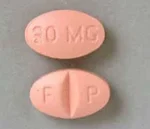

Eszopiclone
Showing all 3 resultsSorted by popularity

Generic Lunesta 3 mg
In stock
Price range: $548.00 through $1,524.00
Generic Lunesta 1 mg
In stock
Price range: $529.00 through $1,504.00
Generic Lunesta 2 mg
In stock
Price range: $538.00 through $1,514.00Eszopiclone (Lunesta): Complete Patient Guide for Better Sleep
Eszopiclone is the generic name for the prescription sleep medication Lunesta. It belongs to a group of medicines known as non-benzodiazepine sedative-hypnotics, sometimes called “Z-drugs.” Healthcare providers prescribe eszopiclone to help adults who have difficulty falling asleep, staying asleep or both due to insomnia.
Quality sleep is essential for physical health, emotional well-being, memory, concentration and daily performance. Chronic insomnia can affect work, relationships, mood and overall quality of life. Eszopiclone may help improve sleep when used as part of a complete treatment plan that also includes healthy sleep habits and management of underlying medical conditions.
Although eszopiclone can be effective, it also carries important safety risks. It has an FDA Boxed Warning because it may cause complex sleep behaviors such as sleepwalking, sleep-driving and other activities performed while not fully awake. These behaviors have resulted in serious injuries and deaths. Patients who experience a complex sleep behavior should stop taking eszopiclone and seek medical attention immediately. Eszopiclone should only be taken when you are able to remain in bed for a full night (about 7–8 hours).
Important Boxed Warning: Eszopiclone may cause complex sleep behaviors, including sleepwalking, sleep-driving and other activities while not fully awake. These behaviors may occur after the first dose or after continued use. Stop taking eszopiclone and contact your healthcare provider immediately if a complex sleep behavior occurs.
Understanding Healthy Sleep
Sleep is one of the body’s most important recovery processes. During sleep, the brain processes information, repairs tissues, regulates hormones and supports the immune system. Poor sleep over time may contribute to fatigue, difficulty concentrating, mood changes and reduced productivity.
Occasional sleeplessness is common, but persistent insomnia that occurs several nights each week for weeks or months may require medical evaluation.
Benefits of Healthy Sleep
- Improved concentration.
- Better memory.
- Improved mood.
- Healthy immune function.
- Improved physical recovery.
- Better energy levels.
- Improved work and school performance.
- Safer driving and daily activities.
What Is Insomnia?
Insomnia is a sleep disorder in which a person has persistent difficulty falling asleep, staying asleep or waking too early despite having adequate opportunity to sleep.
Insomnia may occur for many reasons, including stress, anxiety, depression, chronic pain, certain medical conditions, medications or poor sleep habits.
Common Symptoms
- Difficulty falling asleep.
- Frequent nighttime awakenings.
- Waking too early.
- Feeling unrefreshed after sleeping.
- Daytime fatigue.
- Difficulty concentrating.
- Irritability.
- Reduced daytime performance.
What Is Eszopiclone?
Eszopiclone is a prescription sleep medicine approved for the treatment of insomnia in adults. Unlike medicines used primarily for anxiety, eszopiclone is specifically designed to improve sleep by helping patients fall asleep more easily and remain asleep throughout the night.
Eszopiclone is generally intended to be used together with good sleep hygiene practices rather than replacing healthy bedtime routines.
How Eszopiclone Works
Eszopiclone works by interacting with receptors in the brain that regulate sleep. It enhances the calming effects of gamma-aminobutyric acid (GABA), a naturally occurring neurotransmitter that helps slow brain activity and promote sleep.
By reducing excessive brain activity around bedtime, eszopiclone helps many patients fall asleep faster and experience fewer nighttime awakenings.
Potential Benefits
- Falling asleep more quickly.
- Staying asleep longer.
- Improved sleep quality.
- Reduced nighttime awakenings.
- Better daytime functioning after adequate sleep.
Eszopiclone does not treat the underlying cause of insomnia. Long-term management may require evaluation of contributing medical, psychological or lifestyle factors.
Who May Benefit From Eszopiclone?
Your healthcare provider may consider eszopiclone for adults with insomnia when sleep difficulties significantly affect daily life and non-medication approaches alone have not provided sufficient improvement.
Treatment decisions are individualized and based on:
- Type of insomnia.
- Duration of symptoms.
- Medical history.
- Current medications.
- Risk of medication side effects.
- Previous sleep treatments.
Available Eszopiclone Strengths
| Strength | Dosage Form | Typical Purpose |
|---|---|---|
| 1 mg | Tablet | Often considered as an initial lower-strength option. |
| 2 mg | Tablet | May be prescribed depending on individual response. |
| 3 mg | Tablet | Reserved for selected adults when appropriate. |
Your healthcare provider will determine the most appropriate strength based on your age, symptoms, liver function and overall health. Never change strengths without medical advice.
Preparing for Your First Night of Treatment
Planning ahead before taking eszopiclone helps reduce the risk of side effects and improves treatment safety.
Before Taking Your Dose
- Allow at least 7–8 hours for sleep.
- Finish activities requiring full alertness.
- Avoid alcohol.
- Do not plan to drive afterward.
- Take the medication immediately before going to bed.
- Keep a safe path to the bathroom if you wake during the night.
Taking eszopiclone and then remaining awake increases the risk of memory impairment, dizziness and unusual behaviors.
How to Take Eszopiclone Safely
Eszopiclone should only be taken exactly as prescribed by your healthcare provider. Taking more than the recommended dose or taking the medication incorrectly increases the risk of serious side effects, including excessive sedation, falls, memory problems and complex sleep behaviors.
The medication should be taken immediately before going to bed when you are ready to sleep for a full night. Do not take eszopiclone if you cannot remain in bed for at least 7 to 8 hours.
Safe Administration Tips
- Take the tablet immediately before bedtime.
- Take only one dose per night.
- Allow at least 7–8 hours for sleep.
- Swallow the tablet whole with water.
- Never take an extra tablet during the same night.
- Follow your prescribed dosage exactly.
- Store the medication securely.
Can Eszopiclone Be Taken With Food?
Eszopiclone may be taken with or without food. However, taking it immediately after a heavy or high-fat meal may delay how quickly the medication begins working.
If rapid sleep onset is important, your healthcare provider may recommend avoiding large meals immediately before taking the medication.
If You Miss a Dose
Because eszopiclone is taken only at bedtime, a missed dose should generally be skipped.
- Do not take the medication during the day.
- Do not take it unless you have enough time for a full night’s sleep.
- Never take two doses in one night.
- Resume your normal schedule the following night if advised.
Morning After Taking Eszopiclone
Although many patients wake feeling refreshed, some individuals may continue experiencing medication effects the following morning.
You may notice:
- Drowsiness.
- Reduced alertness.
- Slower reaction time.
- Difficulty concentrating.
- Mild dizziness.
If you do not obtain a full night’s sleep, these effects may become more noticeable.
Common Side Effects
Like all prescription medicines, eszopiclone may cause side effects. Many are mild and improve as treatment continues.
Frequently Reported Side Effects
- Unpleasant or metallic taste.
- Dry mouth.
- Headache.
- Dizziness.
- Daytime sleepiness.
- Fatigue.
- Cold-like symptoms.
- Nausea.
- Difficulty concentrating.
The unusual or bitter taste in the mouth is one of the most commonly reported side effects of eszopiclone.
Complex Sleep Behaviors (Boxed Warning)
Eszopiclone carries an FDA Boxed Warning because it may cause complex sleep behaviors while the person is not fully awake.
These behaviors have resulted in serious injuries and deaths.
Examples Include:
- Sleepwalking.
- Sleep-driving.
- Preparing and eating food while asleep.
- Making phone calls while asleep.
- Leaving the house while asleep.
- Other activities with no memory afterward.
If you or someone in your household notices any complex sleep behavior, stop taking eszopiclone and contact your healthcare provider immediately.
Memory Problems
Some patients experience temporary memory impairment, particularly if they remain awake after taking eszopiclone.
You may notice:
- Difficulty remembering conversations.
- Confusion.
- Forgetfulness.
- Reduced concentration.
Taking the medication only when you are ready to sleep helps reduce this risk.
Activities to Avoid After Taking Eszopiclone
Once you have taken your bedtime dose, avoid activities that require full mental alertness.
- Driving.
- Operating machinery.
- Cooking.
- Using power tools.
- Signing legal documents.
- Making important financial decisions.
Remain in bed until morning unless absolutely necessary.
Serious Side Effects
Although uncommon, certain reactions require immediate medical attention.
Seek Emergency Medical Care If You Experience:
- Difficulty breathing.
- Swelling of the face or throat.
- Severe allergic reaction.
- Loss of consciousness.
- Hallucinations.
- Suicidal thoughts.
- Severe confusion.
- Complex sleep behaviors.
Mood and Behavioral Changes
Some patients experience changes in mood or thinking while taking sleep medicines.
Contact your healthcare provider if you notice:
- New depression.
- Anxiety.
- Aggressive behavior.
- Hallucinations.
- Personality changes.
- Suicidal thoughts.
Drug Interactions
Eszopiclone may interact with several prescription medicines and supplements.
Medicines That Require Careful Review
- Opioid pain medicines.
- Benzodiazepines.
- Sleeping medications.
- Muscle relaxants.
- Sedating antihistamines.
- Certain antidepressants.
- Antipsychotic medicines.
- Certain antifungal medications.
- Medicines that affect liver enzymes.
Always provide your healthcare provider with a complete list of every medicine and supplement you use.
Alcohol and Eszopiclone
Alcohol should not be consumed while taking eszopiclone.
Combining alcohol with eszopiclone increases the risk of:
- Extreme drowsiness.
- Poor coordination.
- Memory loss.
- Falls.
- Respiratory depression.
- Complex sleep behaviors.
Can Eszopiclone Become Habit-Forming?
Eszopiclone is classified as a Schedule IV controlled substance because it has the potential for misuse, abuse and physical dependence in some individuals.
Using the medication exactly as prescribed and only for the recommended duration helps reduce these risks.
Withdrawal Symptoms
Some patients who have taken eszopiclone regularly for an extended period may experience withdrawal symptoms after stopping treatment.
Possible Symptoms Include:
- Difficulty sleeping.
- Anxiety.
- Irritability.
- Sweating.
- Nausea.
- Restlessness.
If treatment has continued for an extended period, your healthcare provider may recommend gradually reducing the dose instead of stopping suddenly.
When Should You Contact Your Healthcare Provider?
- Insomnia does not improve.
- Sleep problems become worse.
- You experience daytime sleepiness.
- You notice memory problems.
- You experience unusual nighttime behaviors.
- You develop mood changes.
- You believe the medication is no longer working effectively.
Regular follow-up appointments allow your healthcare provider to evaluate whether eszopiclone remains the most appropriate treatment for your insomnia.
Who Should Not Take Eszopiclone?
Eszopiclone is not appropriate for everyone. Before prescribing this medication, your healthcare provider will review your medical history, current medications and sleep concerns to determine whether it is a safe and appropriate treatment.
Do Not Take Eszopiclone If You:
- Have experienced a complex sleep behavior after taking eszopiclone, zolpidem or zaleplon.
- Have a known allergy to eszopiclone or any of its ingredients.
- Cannot remain in bed for at least 7–8 hours after taking the medication.
- Are unable to safely recognize or respond to next-morning impairment.
If you have previously experienced sleepwalking, sleep-driving or similar behaviors while taking a sleep medication, eszopiclone should generally be avoided. Patients who develop a complex sleep behavior while taking eszopiclone should discontinue the medication immediately and contact their healthcare provider. This is part of the FDA Boxed Warning for eszopiclone.
Medical Conditions to Discuss Before Starting Eszopiclone
Always tell your healthcare provider about your complete medical history before beginning treatment.
Sleep Disorders
- Sleep apnea.
- Restless legs syndrome.
- Narcolepsy.
- Chronic insomnia.
- Circadian rhythm sleep disorders.
Breathing Problems
- Asthma.
- Chronic obstructive pulmonary disease (COPD).
- Sleep-related breathing disorders.
- Other chronic lung diseases.
Mental Health Conditions
- Depression.
- Anxiety disorders.
- Bipolar disorder.
- History of suicidal thoughts.
- Substance use disorder.
Liver Disease
Eszopiclone is metabolized by the liver. Patients with severe liver impairment may require dosage adjustments or an alternative treatment approach.
Pregnancy and Eszopiclone
If you are pregnant, planning to become pregnant or think you may be pregnant, inform your healthcare provider before starting eszopiclone.
The potential benefits and risks of treatment should be carefully evaluated for each individual. Never begin or stop prescription sleep medication during pregnancy without professional medical advice.
Breastfeeding
It is not fully understood how eszopiclone may affect a breastfed infant. Before using this medication while breastfeeding, discuss with your healthcare provider:
- The expected duration of treatment.
- The age and health of the infant.
- Your sleep symptoms.
- Possible alternative treatment options.
Older Adults
Older adults are generally more sensitive to the sedative effects of sleep medications.
Healthcare providers may prescribe lower doses because older adults have an increased risk of:
- Falls.
- Balance problems.
- Confusion.
- Memory impairment.
- Daytime sleepiness.
- Morning dizziness.
Lower starting doses are commonly recommended to improve safety while maintaining effectiveness.
Signs of an Eszopiclone Overdose
Taking too much eszopiclone or combining it with alcohol or other sedatives may result in a medical emergency.
Possible Symptoms Include:
- Extreme drowsiness.
- Difficulty waking up.
- Confusion.
- Slurred speech.
- Poor coordination.
- Slow or difficult breathing.
- Loss of consciousness.
- Coma.
If an overdose is suspected, seek emergency medical care immediately.
Storage Instructions
- Store at room temperature according to the prescription label.
- Keep tablets in the original container.
- Protect from excessive moisture and heat.
- Store in a secure location.
- Keep away from children and pets.
- Monitor remaining tablets because eszopiclone is a controlled substance.
Safe Disposal
Unused eszopiclone should be disposed of responsibly to reduce the risk of accidental use or misuse.
- Use an authorized medication take-back program whenever available.
- Consult your pharmacist for local disposal recommendations.
- Do not keep expired medication.
- Never share prescription sleep medication with another person.
Frequently Asked Questions About Eszopiclone
What is eszopiclone used for?
Eszopiclone is FDA-approved for the treatment of insomnia in adults, including difficulty falling asleep, staying asleep or both.
Is eszopiclone the same as Lunesta?
Yes. Lunesta is the brand name for eszopiclone.
Is eszopiclone a controlled substance?
Yes. Eszopiclone is classified as a Schedule IV controlled substance in the United States.
How long should I stay in bed after taking eszopiclone?
You should be able to remain in bed for at least 7–8 hours after taking the medication.
Can eszopiclone cause sleepwalking?
Yes. Complex sleep behaviors, including sleepwalking and sleep-driving, have been reported. Stop taking the medication and contact your healthcare provider immediately if these occur.
Can I drink alcohol while taking eszopiclone?
No. Alcohol increases the risk of excessive sedation, impaired coordination and complex sleep behaviors.
Can eszopiclone be taken every night?
Use eszopiclone only as directed by your healthcare provider. The duration of treatment depends on your individual condition and response.
Will eszopiclone cure insomnia?
No. Eszopiclone helps manage insomnia symptoms but does not treat the underlying cause. Healthy sleep habits and treatment of contributing conditions remain important.
Can I drive the morning after taking eszopiclone?
If you feel sleepy, dizzy or less alert the next morning, avoid driving or operating machinery until you are fully alert.
Can eszopiclone cause a bad taste in the mouth?
Yes. An unpleasant or metallic taste is one of the most commonly reported side effects.
Can older adults take eszopiclone?
Yes, but lower doses are often recommended because older adults may be more sensitive to its effects.
Can I stop eszopiclone suddenly?
Some patients may experience rebound insomnia or other symptoms after stopping treatment. Discuss discontinuation with your healthcare provider, especially if you have used the medication regularly for an extended period.
Can eszopiclone interact with opioid pain medicines?
Yes. Combining eszopiclone with opioids or other medicines that depress the central nervous system may increase the risk of excessive sedation and breathing problems.
Can I take eszopiclone after a heavy meal?
A heavy or high-fat meal may delay how quickly the medication starts working.
Should I share my sleep medication with someone else?
No. Prescription sleep medications should only be used by the individual for whom they were prescribed.
Healthy Sleep Habits That Support Treatment
Medication works best when combined with healthy sleep practices.
- Go to bed and wake up at the same time every day.
- Limit caffeine in the afternoon and evening.
- Avoid alcohol before bedtime.
- Keep your bedroom cool, dark and quiet.
- Reduce screen time before bed.
- Exercise regularly, but not immediately before bedtime.
- Avoid large meals late at night.
- Follow your healthcare provider’s treatment plan.
Medical Disclaimer
This information is provided for educational purposes only and should not replace professional medical advice, diagnosis or treatment.
Always consult a licensed healthcare provider before starting, stopping or changing eszopiclone or any prescription sleep medication. Individual treatment decisions should be based on your medical history, current medications and clinical evaluation.
Seek emergency medical care immediately for difficulty breathing, loss of consciousness, severe allergic reactions, suspected overdose or complex sleep behaviors that may place you or others at risk.
Medical References
- U.S. Food and Drug Administration (FDA) – Eszopiclone Prescribing Information
- DailyMed – Eszopiclone Tablets Prescribing Information
- MedlinePlus – Eszopiclone Patient Medication Information
- American Academy of Sleep Medicine – Clinical Practice Guidelines for Chronic Insomnia
- National Heart, Lung, and Blood Institute (NHLBI) – Healthy Sleep Resources