
Health Tips
Medication Management While Taking Oxycodone: How to Build a System That Keeps You Safe

“Medication management” sounds like something that happens in hospital pharmacies, with barcode scanners and locked trolleys. In reality, most of it happens at kitchen tables. It is the quiet work of knowing what you take, taking it at the right time, keeping enough on hand without keeping too much, and noticing when something needs to change.
When one of your medicines is oxycodone, that work matters more. Oxycodone is a controlled substance with strict refill rules, it interacts with many common products, and small mistakes such as a double dose or a missed refill can have outsized consequences. The good news is that a simple, well-designed system prevents most problems. This guide shows you how to build one, stage by stage, whether you manage your own medicines or help someone else with theirs.
What Good Medication Management Actually Includes
A complete medication management system covers six jobs. Most people do some of them well and skip others without realising. Look at the table below and notice which ones you already have covered.
| Job | The question it answers | What goes wrong without it |
|---|---|---|
| Knowing | What am I taking, and why? | Duplicate ingredients, forgotten prescriptions, dangerous combinations |
| Organising | How is each dose prepared? | Confusion between similar-looking tablets |
| Taking | How do I remember and record doses? | Missed or doubled doses |
| Supplying | When do I need more, and how do I get it? | Running out, gaps in treatment, withdrawal |
| Securing | Where is it kept, and who can reach it? | Accidental poisoning, theft, misuse |
| Reviewing | Is each medicine still needed and still working? | Unnecessary medicines, unchecked side effects |
The stages below walk through each job in turn. You can complete the setup in an afternoon and maintain it in a few minutes a week.
Stage 1: Build Your Master Medication List
Your master list is the foundation of everything else. It should include every product that goes into your body for health reasons, not only prescriptions. People often leave out eye drops, inhalers, creams, vitamins, herbal teas, cannabis products, and medicines they take only occasionally. Each of these can matter.
Here is a simple layout you can copy into a notebook, spreadsheet, or phone note. The example rows show how to fill it in; always use the exact details printed on your own labels.
| Medicine and strength | What it is for | How and when I take it | Prescriber | Started | Notes |
|---|---|---|---|---|---|
| Oxycodone IR [strength on label] | Pain after back surgery | As directed on label | Dr. A (surgeon) | [date] | Controlled; keep locked; no alcohol |
| Stool softener | Prevent constipation from oxycodone | Daily, as advised by pharmacist | Pharmacist recommendation | [date] | Over the counter |
| Blood pressure tablet | High blood pressure | Once each morning | Dr. B (family doctor) | [date] | Can add to dizziness when standing |
| Vitamin D | Supplement | Once daily | Self | [date] | Tell pharmacist about all supplements |
At the top of the list, add your name, date of birth, allergies (and what reaction you had), your pharmacy’s phone number, and an emergency contact. Date the list every time you update it so anyone reading it knows how current it is.
If you are not sure how to read everything on your oxycodone label, our guide to reading an oxycodone prescription label explains each section.
Where to keep copies
- A printed copy in your wallet or bag.
- A photo or note on your phone, ideally accessible from the lock screen’s emergency information.
- A copy with your safety contact or caregiver.
- A copy on the fridge or inside a kitchen cupboard, where paramedics are trained to look.
Stage 2: Map the Interactions Before They Map You
Once your list is complete, take it to your pharmacist and ask for a full interaction review. This is a routine service and usually free. With oxycodone, the pharmacist will pay particular attention to four groups:
- Other sedating medicines such as benzodiazepines, sleeping tablets, certain muscle relaxants, gabapentin or pregabalin, and sedating antihistamines. These add to drowsiness and can slow breathing.
- Medicines that change how oxycodone is broken down. Oxycodone is processed mainly by a liver enzyme called CYP3A4. Some antibiotics, antifungals, HIV medicines, and grapefruit can slow this enzyme and raise oxycodone levels; others, such as certain seizure medicines and St John’s wort, can speed it up and reduce pain relief, which then changes again if they are stopped.
- Medicines that affect serotonin, including some antidepressants and migraine treatments, where rare but serious reactions are possible.
- Combination products containing acetaminophen, which matter if your oxycodone product also contains it.
Write any warnings the pharmacist gives you in the “Notes” column of your master list. Our in-depth article on oxycodone drug interactions and our guide to taking vitamins alongside oxycodone are useful reading before that conversation.
A rule worth adopting: no new product, whether prescribed, bought over the counter, or recommended by a friend, gets added to your routine until a pharmacist has checked it against your list.
Stage 3: Choose an Organising Method That Fits Your Life
There is no single best way to organise medicines. The right method depends on how many you take, how steady your hands and eyesight are, whether children visit, and whether anyone helps you. Oxycodone adds one extra consideration: because it is a controlled medicine, it should stay secure even when it is organised.
| Method | Works well for | Drawbacks | Oxycodone consideration |
|---|---|---|---|
| Original labelled bottles only | People on one or two medicines | Easy to lose track of whether a dose was taken | Safest for identification; pair with a dose log |
| Weekly pill organiser | Several daily medicines on a fixed schedule | Tablets lose their labels; errors when filling | Many pharmacists advise keeping as-needed oxycodone in its bottle; if included, keep the organiser locked |
| Pharmacy-prepared blister packs | Complex regimens, older adults, caregivers | Harder to adjust when a dose changes | Ask whether your pharmacy can include controlled medicines; policies vary |
| Locking automatic dispenser | People with memory problems or caregivers at a distance | Cost, needs setting up and charging | Releases only the scheduled dose, which limits accidental doubling |
| App or electronic log | Smartphone users who like reminders and records | Relies on you tapping “taken” | Useful for as-needed doses to track timing and totals |
If you use a pill organiser, fill it at the same time each week, in good light, at a clear table, without distractions. Many mistakes happen when organisers are filled in a hurry. Our guide to preventing medication errors with oxycodone covers the most common filling errors and how to spot them.
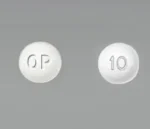
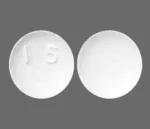
One more tip: if your oxycodone tablets suddenly look different after a refill, do not assume a mistake, but do check. Manufacturers change, and the pharmacy can confirm it is the same medicine. See why pill shapes can vary.
Stage 4: Make Taking and Recording Doses Automati
The most reliable medication routines piggyback on things you already do every day. Link your scheduled doses to anchors such as brushing your teeth, breakfast, or the evening news. Then add two safety layers: a reminder and a record.
Reminders
Phone alarms work well if you label them clearly, for example “Morning tablets: BP + stool softener” rather than a generic chime. Smart speakers, watch alerts, and medication apps are all good options. Avoid relying on memory alone, especially in the first weeks of oxycodone when drowsiness can blur the day.
A dose log for oxycodone
For oxycodone in particular, especially if it is prescribed “as needed”, write down the time of every dose the moment you take it. A simple log like the one below prevents the classic mistake of taking a second dose because you cannot remember the first.
| Date | Time taken | Number of tablets | Reason (pain level or activity) | Initials |
|---|---|---|---|---|
| Mon | 7:30 am | As prescribed | Pain 6/10 on waking | JM |
| Mon | 1:45 pm | As prescribed | Pain 5/10 after physio | JM |
The initials column matters when more than one person helps with medicines. It shows exactly who gave each dose. This log also becomes valuable evidence at follow-up visits, which ties in with our guide to tracking pain relief effectively.
If you miss a dose
Check the medication guide that came with your prescription or call your pharmacist. Never double up to catch up. Write the missed dose in your log so the pattern is visible if it happens often.
Stage 5: Plan Your Supply Around Controlled-Substance Rules
Refilling a blood pressure tablet is usually simple. Refilling oxycodone is not. In the United States, oxycodone is a Schedule II controlled substance, which means traditional automatic refills are not allowed. Each supply generally needs a new prescription from your prescriber, pharmacies may be cautious about filling early, and stock shortages happen from time to time. Rules differ in other countries, so check locally.
Good supply planning keeps you from running short without keeping excess tablets at home. Try this approach:
- Mark the “ask by” date. When you collect a supply, work out when it will run out and mark a date roughly a week before that in your calendar. That is when you contact your prescriber’s office.
- Allow for weekends and holidays. Offices close, and prescribers go on leave. Plan around them.
- Call the pharmacy before you go. Ask whether your medicine and strength are in stock. Our guide on what to do during an oxycodone shortage explains your options if they are not.
- Do not stockpile. Holding more than you need raises risk at home and can raise questions with your care team.
For the finer details, see our patient guides to prescription refills and early refill rules for oxycodone.
Stage 6: Secure Storage and Responsible Disposal
Storage is where medication management meets household safety. Keep oxycodone in a locked box or cabinet, away from heat and moisture, and separate from other people’s medicines. Bathrooms are convenient but steamy and frequently visited, so a locked box in a bedroom cupboard is often a better choice.
Pair storage with a weekly tablet count, written in your log. If the count is ever lower than it should be, you will know quickly and can act.
When a medicine is stopped or changed, remove it from your system that same week. For oxycodone, use a drug take-back site, a mail-back envelope, or a disposal pouch where available. The U.S. Food and Drug Administration explains all the options in its guide to disposing of unused medicines. Then cross the medicine off your master list and date the change.
Stage 7: Review Everything on a Schedule
Medicines tend to accumulate. A tablet started for a short-term problem can linger for years simply because no one asked whether it was still needed. Regular reviews prevent this and are especially important when oxycodone is involved, because the balance between benefit and risk can shift as pain improves or health changes.
The “brown bag” review
At least once a year, and ideally at any major change in your health, put every medicine you own into a bag, including creams, supplements, and things in the back of the drawer, and bring them to your doctor or pharmacist. Seeing the actual products often reveals duplicates, expired items, and medicines that were meant to stop long ago.
Questions to ask about oxycodone at each review
- Is my pain treatment still helping me meet the goals we agreed?
- Are side effects getting better, staying the same, or getting worse?
- Has anything in my health changed that affects safety, such as kidney or liver function, sleep apnoea, or falls?
- Is it time to start reducing the dose, and what would that plan look like?
- Should I have naloxone at home, and is my current supply in date?
Our oxycodone medication review checklist gives a fuller set of questions to bring to each check-in.
The Moments When Systems Break Down
Even a well-built system has weak points. Research on medication safety consistently shows that errors cluster around changes and transitions. Here are the most common failure points and how to guard against each one.
| Failure point | What typically happens | How to protect yourself |
|---|---|---|
| Hospital discharge | Old and new prescriptions overlap; home medicines get restarted by mistake | Ask for a written list of what to stop, start, and continue; update your master list before you leave |
| Seeing a new specialist | They prescribe without knowing about oxycodone | Show your master list at every appointment |
| Dose change | Old instructions followed from memory | Relabel or separate old tablets; update your log header |
| Illness (vomiting, fever, dehydration) | Doses missed or absorbed differently | Call your pharmacist for sick-day advice |
| Travel | Time zones shift the schedule; bags get lost | Carry medicines in hand luggage; plan timing with your pharmacist |
| A new caregiver | Doses given twice or not at all | Use a signed dose log and a single point of responsibility |
| Tapering off | Confusion over the reduced schedule | Ask for the taper plan in writing, with dates |
For a broader look at everyday slips, our article on common medication mistakes patients make is worth a read. The U.S. National Library of Medicine also has a helpful overview of medication errors and how to prevent them.
When Someone Else Manages the Medicines
Many people taking oxycodone, particularly after surgery or in later life, rely on a partner, adult child, or paid carer to help with medicines. Shared responsibility works well when roles are clear and poorly when they are vague. A few principles help:
- One lead person. Even if several people help, one person should own the master list, the refill calendar, and the storage key or code.
- Written handovers. When care passes from one person to another, the dose log changes hands too. Verbal “I think she had it at lunch” handovers are a common source of double dosing.
- Respect for the patient’s voice. Where the person can take part in decisions, include them. They are the only one who knows how the pain actually feels.
- Clear escalation. Everyone involved should know the signs of too much opioid and what to do about them, including where naloxone is kept.
Our oxycodone caregiver guide goes deeper into shared responsibility, communication, and caregiver wellbeing.
Managing the Wind-Down: When Oxycodone Is Being Reduced
The end of oxycodone treatment is a medication management task in its own right, and it is one of the most error-prone. During a taper, the dose changes every week or two, old tablets may still be in the house, and withdrawal symptoms can be confused with returning pain. A little structure keeps the process smooth.
- Get the plan in writing. Ask your prescriber for a written schedule showing each step, its start date, and what you should take at each point. Tape it next to your dose log.
- Update your master list at every step. Cross out the old dose and write the new one with the date, so anyone helping you sees the current instructions.
- Separate what you no longer need. If a lower strength replaces a higher one, dispose of the old tablets promptly rather than keeping them “just in case”.
- Track how you feel at each step. Note sleep, mood, restlessness, sweating, stomach upset, and pain. This helps your prescriber decide whether to continue, pause, or slow down.
- Remember that tolerance falls. After a reduction, your body is less used to the previous dose. Never go back to an old dose on your own if pain flares; call your prescriber instead.
Our guides on safe timing and tapering and whether pain returns after stopping explain what a typical reduction looks like.
Six Questions Worth Asking Your Pharmacist
Pharmacists are among the most under-used experts in medication management. They see your full dispensing history and are trained specifically in interactions and dosing practicalities. Next time you collect oxycodone, try asking:
- “Can you check my full list for anything that interacts with oxycodone?”
- “What should I do if I miss a dose of this particular product?”
- “Which over-the-counter pain, cold, allergy, and sleep products are safe for me?”
- “What do you recommend to prevent constipation with my other medicines?”
- “Should I have naloxone, and can you show me how it works?”
- “Where is the nearest place to dispose of leftover tablets?”
If a pharmacist asks you questions in return, such as how you are using the medicine or who prescribed it, that is a routine safety step. Our article on why pharmacists ask questions about oxycodone explains the reasons.
Your Five-Minute Weekly Maintenance Routine
Once your system is set up, it needs only a short weekly check to stay reliable. Choose a regular slot and work through these steps:
- Count your oxycodone and record the number and date.
- Refill your organiser, if you use one, in good light and without distractions.
- Glance at the refill calendar. Is an “ask by” date coming up?
- Check your master list against what is actually in your cupboard.
- Look back at your dose log. Are you using more or less than last week? Make a note to mention any big change.
Frequently Asked Questions About Medication Management
Should I put oxycodone in my weekly pill organiser?
It depends on how it is prescribed and who lives with you. Many pharmacists prefer that as-needed oxycodone stays in its original labelled bottle, with doses recorded in a log. If a fixed-schedule dose goes into an organiser, keep the organiser locked. Ask your pharmacist what they recommend for your situation.Why can’t I get automatic refills of oxycodone?
In the U.S., oxycodone is a Schedule II controlled substance, and federal rules do not allow refills in the usual sense. Your prescriber issues new prescriptions as needed, sometimes several at once with “do not fill before” dates, depending on local law and your treatment plan.How often should my medicines be reviewed?
At least once a year for everyone, and more often while taking oxycodone. Your prescriber will usually review opioid treatment at each follow-up visit, and any hospital stay, new diagnosis, or new prescriber is a good trigger for a full review.What should I do if I find a tablet I cannot identify?
Do not take it. Keep it separate and ask your pharmacist to identify it. Unidentified tablets should never be used, especially when you already take a controlled medicine.Is an app better than a paper log?
Neither is automatically better. Apps offer reminders and time stamps; paper is easy for caregivers to share and never runs out of battery. The best system is the one you will actually use every day.
Pulling It All Together
Good medication management is not about perfection. It is about building a few reliable habits: a complete and current list, an interaction check before anything new, an organising method that suits you, a dose log for oxycodone, a refill calendar that respects controlled-substance rules, locked storage with regular counts, and scheduled reviews. Put those in place, and most of the common and serious medication problems simply have nowhere to start.
For a broader framework on weighing the benefits and risks of any medicine, the FDA’s consumer resources on managing the benefits and risks of medicines are a good place to start.