
Health Tips
Does Oxycodone Make Your Pupils Small? What Causes This Side Effect

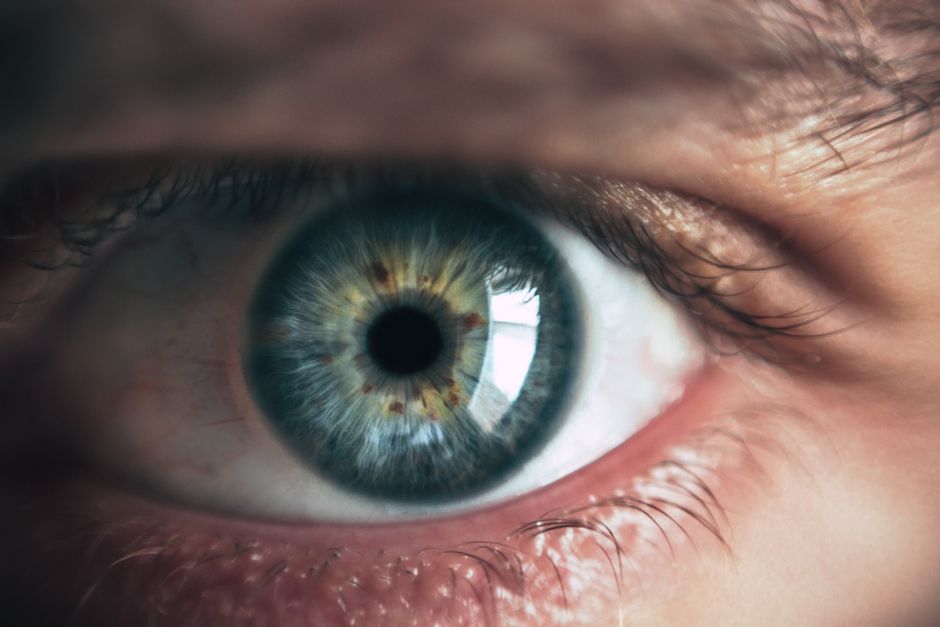
If you’ve started taking oxycodone and noticed your pupils look smaller than usual in the mirror, you’re not imagining it. This is one of the most common and predictable effects of opioid medications, and it happens to nearly everyone who takes them. Does oxycodone make your pupils small? Yes, it does, and understanding why can help you tell the difference between a normal medication response and a sign that something is wrong.
In this article, we’ll walk through the science behind opioid-induced pupil constriction, how small your pupils might get, how long the effect lasts, and when small pupils could signal a more serious problem like an overdose. We’ll also cover related side effects, what doctors and pharmacists look for during checkups, and practical steps you can take if this symptom worries you.
Does Oxycodone Make Your Pupils Small? The Short Answer
Yes. Oxycodone, like all opioid medications, commonly causes the pupils to constrict, a condition medically known as miosis. This happens because opioids act directly on the part of the nervous system that controls pupil size, causing the muscles in the iris to tighten and the pupil opening to shrink.
This effect is so consistent and reliable that doctors, nurses, and emergency responders actually use pupil size as one of the quickest visual clues that someone has taken an opioid. In fact, pinpoint pupils are considered a hallmark sign of opioid use, right alongside drowsiness and slowed breathing.
For most people taking oxycodone as prescribed, small pupils are a harmless, expected side effect, similar to feeling a bit sleepy or slightly nauseated after a dose. However, in certain situations, particularly with very high doses or when combined with other substances, extremely constricted pupils can be a warning sign of an opioid overdose, especially when paired with slowed or shallow breathing, extreme drowsiness, or unresponsiveness. Understanding the difference between a normal side effect and a red flag can make a real difference in an emergency.
The Science Behind Opioid-Induced Miosis
To understand why oxycodone shrinks your pupils, it helps to know a little bit about how the eye normally works. Pupil size is controlled by two sets of muscles in the iris, the colored part of the eye. One set, the dilator muscles, widens the pupil in dim light or during moments of stress or excitement. The other set, the sphincter muscles, narrows the pupil in bright light or when the body wants to reduce the amount of light entering the eye.
These muscles are controlled by two branches of the nervous system: the sympathetic nervous system, which triggers dilation, and the parasympathetic nervous system, which triggers constriction. Normally, these two systems work in balance, adjusting pupil size to match lighting conditions and emotional state.
Opioids like oxycodone disrupt this balance. Oxycodone binds to mu-opioid receptors throughout the body, including in a specific part of the brainstem called the Edinger-Westphal nucleus. This nucleus is directly connected to the oculomotor nerve, which controls the sphincter muscles of the iris. When oxycodone activates opioid receptors in this region, it stimulates the parasympathetic pathway that controls pupil constriction while simultaneously suppressing sympathetic activity that would normally counteract it.
The result is a pupil that constricts and essentially gets stuck in that smaller state, regardless of how much light is present in the room. This is part of what makes opioid-induced miosis so distinctive. Unlike normal pupils, which respond dynamically to light, opioid-affected pupils often stay small even in dim lighting, only reacting sluggishly, if at all, to changes in brightness.
This effect is not unique to oxycodone. It occurs with virtually all opioid medications, including morphine, hydrocodone, codeine, fentanyl, and heroin. The consistency of this response across the entire opioid class is one reason pupil size is such a reliable clinical indicator of opioid use.
How Small Do Pupils Get on Oxycodone?
The degree of pupil constriction varies from person to person and depends on several factors, including the dose taken, individual sensitivity, and whether other substances are involved. In general, though, the pattern looks like this:
- Normal pupil size in typical indoor lighting is usually around 3 to 4 millimeters in diameter.
- Mild to moderate oxycodone use at a typical prescribed dose often narrows pupils to somewhere between 2 and 3 millimeters.
- Higher doses or opioid tolerance combined with new use can shrink pupils further, sometimes down to 1 to 2 millimeters.
- Severe overdose frequently produces what’s known as “pinpoint pupils,” where the pupils constrict to less than 1 millimeter, appearing as tiny dots that barely react to light at all.
It’s worth noting that pupil size can be difficult to judge with the naked eye, especially without a ruler or pupil gauge for comparison. Doctors and paramedics are trained to estimate pupil size quickly, but if you’re monitoring yourself or a loved one at home, it’s more useful to look for the overall pattern, such as unusually small pupils that don’t seem to respond normally to light, rather than trying to pinpoint an exact measurement.
How Long Does Oxycodone-Induced Miosis Last?
Pupil constriction typically follows the same timeline as oxycodone’s other effects in the body. After taking a dose, most people notice their pupils beginning to shrink within 30 to 60 minutes, around the same time other effects like pain relief or mild drowsiness start to kick in.
The duration of this effect depends on the formulation of oxycodone taken:
- Immediate-release oxycodone generally causes pupil constriction that peaks within one to two hours and gradually resolves over four to six hours as the medication is metabolized and cleared from the bloodstream.
- Extended-release oxycodone (such as OxyContin) releases the medication more slowly, which means pupil constriction may be less dramatic at any single point in time but can persist for eight to twelve hours or longer, matching the extended duration of the drug’s pain-relieving effects.
If you’re taking oxycodone on a regular schedule, you may notice that your pupils stay smaller than usual for as long as you’re actively taking the medication, only returning to a more typical size in the hours between doses or after you stop taking the drug altogether. For guidance on how dosing schedules affect these patterns, our guide on the best time to take oxycodone offers helpful context on how timing influences side effects throughout the day.
Does Tolerance Change Pupil Size Over Time?
One interesting aspect of opioid-induced miosis is that, unlike many other opioid side effects, it tends to resist tolerance. With repeated use, the body often adapts to opioids in ways that reduce side effects like nausea, drowsiness, or itching. Pain relief itself can also become less potent over time, requiring dose adjustments.
Pupil constriction, however, is one of the few effects that tends to persist largely unchanged even after weeks or months of regular use. This is why healthcare providers and addiction specialists often rely on pupil size, even in people who have been taking opioids long-term, as a dependable sign of recent use. If you’ve been on oxycodone for an extended period and still notice your pupils shrinking after each dose, this is expected and not a cause for concern on its own.
Pinpoint Pupils and Opioid Overdose: When Small Pupils Signal Danger
While mild to moderate pupil constriction is a normal, expected response to oxycodone, extremely small “pinpoint” pupils combined with other symptoms can indicate an opioid overdose, a medical emergency that requires immediate action.
According to the Mayo Clinic, the classic triad of opioid overdose symptoms includes pinpoint pupils, decreased level of consciousness, and slowed or stopped breathing. If you or someone you’re with experiences pinpoint pupils along with any of the following symptoms, call emergency services immediately:
- Slow, shallow, or stopped breathing
- Blue or grayish tint to the lips, fingertips, or skin
- Extreme drowsiness or inability to wake up
- Limp body or muscle weakness
- Choking or gurgling sounds
- Confusion or unresponsiveness to voice or touch
If naloxone (Narcan) is available, it should be administered right away, as it can rapidly reverse an opioid overdose by blocking opioid receptors, including the effects on the pupils. Even after naloxone is given, emergency medical care is still necessary because its effects can wear off before the opioid has fully left the body, potentially allowing overdose symptoms to return.
It’s important to understand that pinpoint pupils alone, without any of these other warning signs, are usually not an emergency. Many people on stable, prescribed doses of oxycodone have consistently small pupils without any danger. The concern arises specifically when small pupils appear alongside breathing problems, confusion, or unresponsiveness, particularly after a dose increase, combining oxycodone with other sedating substances like alcohol or benzodiazepines, or taking more medication than prescribed.
Other Eye-Related Side Effects of Oxycodone
Pupil constriction isn’t the only way oxycodone can affect your eyes and vision. Some people also experience:
- Blurred vision, which can result from the pupils not adjusting properly to changing light conditions.
- Difficulty focusing, especially when reading or looking at screens for extended periods.
- Increased sensitivity to light (photophobia), since smaller pupils sometimes paradoxically make bright environments feel more uncomfortable, particularly during the transition period after a dose.
- Dry eyes, which can be linked to reduced blinking rate during periods of sedation.
These visual side effects are typically mild and temporary, resolving as the medication wears off. If you notice persistent vision changes that don’t improve between doses, or if you experience sudden vision loss, eye pain, or visual disturbances, it’s important to speak with your doctor, as these could be unrelated to the medication and warrant evaluation.
How Pupil Size Fits Into the Bigger Picture of Oxycodone Side Effects
Small pupils rarely show up in isolation. They’re typically part of a broader constellation of effects that oxycodone produces throughout the body, since opioid receptors are found in many different organ systems beyond just the brain. Understanding how these effects relate to each other can help you get a clearer picture of how your body is responding to the medication overall.
For example, many people who notice their pupils constricting also experience some degree of lightheadedness or unsteadiness, which is covered in more detail in our article on why oxycodone causes dizziness. Others notice mood-related shifts alongside the physical symptoms, a topic explored in our piece on whether oxycodone can make you feel emotional.
Gastrointestinal symptoms are also common companions to pupil constriction, since opioid receptors in the gut slow digestion and can trigger nausea. If this sounds familiar, our guide on why oxycodone causes nausea offers practical tips for managing that particular side effect. Skin-related symptoms, like itching without any visible rash, are another frequent companion effect, discussed further in our article on oxycodone-related itching.
Seeing these side effects as connected pieces of the same underlying mechanism, opioid receptor activation throughout the body, rather than as isolated, unrelated symptoms, can make the overall experience of taking oxycodone feel less confusing and more predictable.
Do All Opioids Cause the Same Pupil Response?
Yes, for the most part. Miosis is considered a class effect of opioids, meaning it occurs with essentially every drug in this category, including:
- Morphine
- Hydrocodone
- Codeine
- Fentanyl
- Hydromorphone
- Heroin
There is one notable exception worth mentioning: meperidine (Demerol), an older opioid pain medication, is somewhat unique in that it can sometimes cause normal or even slightly dilated pupils rather than the typical constriction, due to its additional effects on other neurotransmitter systems. This is a rare exception, though, and doesn’t apply to oxycodone or most other commonly prescribed opioids.
Additionally, partial opioid agonists like buprenorphine and mixed agonist-antagonists can produce a less pronounced miotic effect compared to full agonists like oxycodone, though pupil constriction is still typically present to some degree.
Can Other Medications or Conditions Mimic This Effect?
Oxycodone isn’t the only thing that can cause small pupils, and it’s helpful to be aware of other possible causes so you don’t automatically attribute every instance of miosis to your medication. Other causes of constricted pupils include:
- Other opioid medications or illicit opioids, if taken in combination with oxycodone (a dangerous practice that significantly increases overdose risk)
- Certain eye drops used to treat glaucoma, such as pilocarpine
- Organophosphate poisoning, from certain pesticides or nerve agents (a rare but serious cause)
- Clonidine, a blood pressure medication that also affects the central nervous system
- Horner’s syndrome, a neurological condition affecting one side of the face and eye
- Certain types of strokes or brain injuries affecting the brainstem
If you’re taking oxycodone alongside any other medications and notice unusual or asymmetric pupil changes (one pupil different from the other), it’s important to mention this to your doctor, as it could indicate something other than a typical medication side effect.
What Doctors and Pharmacists Look For
Because pupil size is such a reliable and easy-to-observe marker of opioid activity, healthcare providers routinely check it as part of monitoring patients on oxycodone and other opioid prescriptions. During office visits or pain management follow-ups, a doctor might:
- Shine a penlight in your eyes to check how your pupils react to light
- Compare pupil size between your left and right eye to rule out asymmetry
- Ask about the timing of your last dose relative to the appointment, since pupil size will vary depending on where you are in your dosing cycle
- Look for pupil size alongside other signs of sedation, such as slowed speech, drowsiness, or slowed breathing rate
This kind of monitoring is particularly important for patients on higher doses or those who have recently had their dose adjusted, since pupil response can help providers gauge whether a patient’s body is handling the current dose appropriately or showing early signs of over-sedation. It’s also a key part of safety checks in pain management settings, similar to the kind of monitoring discussed in our guide on working with a pain management doctor for oxycodone prescriptions.
What to Do If Small Pupils Worry You
If you’ve noticed your pupils are smaller than usual since starting oxycodone, here are some practical steps to help you feel more confident about what’s happening:
1. Track the Pattern
Take note of when your pupils seem smallest relative to your dosing schedule. If constriction consistently lines up with taking your medication and resolves somewhat between doses, this supports the idea that it’s a normal, expected side effect rather than something else going on.
2. Check for Other Symptoms
Ask yourself whether the pupil constriction is happening in isolation or alongside other concerning symptoms like difficulty breathing, extreme drowsiness, confusion, or an inability to stay awake. Isolated pupil constriction without these red flags is far less concerning than pupil constriction paired with sedation and breathing changes.
3. Avoid Combining Substances
Never combine oxycodone with alcohol, benzodiazepines (like Xanax or Valium), sleep aids, or other opioids unless specifically directed by your doctor. These combinations dramatically increase the risk of dangerous respiratory depression and can turn a normal, safe side effect into part of a life-threatening overdose picture. If you’ve ever wondered about the risks of taking multiple doses too quickly, our article on what happens if you take oxycodone too close together covers this in more depth.
4. Talk to Your Doctor or Pharmacist
If pupil constriction is bothering you, affecting your vision, or you’re simply unsure whether what you’re experiencing is normal, don’t hesitate to bring it up at your next appointment or call your pharmacist. They can review your current dose, check for interactions with other medications you’re taking, and reassure you about what’s expected versus what needs closer attention.
5. Keep Naloxone on Hand If You’re at Higher Risk
If you’re on a high dose of oxycodone, have a history of substance use, or live with someone who is, it may be worth asking your doctor about keeping naloxone available at home. It’s a simple, potentially life-saving precaution, similar to keeping an EpiPen on hand for severe allergies.
Pupil Constriction After Surgery: What to Expect
Many people are first prescribed oxycodone after a surgical procedure, when short-term, higher-dose opioid use is common for managing acute post-operative pain. If this applies to you, it’s helpful to know that pupil constriction during this recovery period is completely normal and typically resolves as you taper off the medication and heal. This pattern shows up across a wide range of procedures, including recovery from hip replacement surgery, spine surgery, and shoulder surgery. In each of these cases, pupil size tends to track closely with dosage, gradually returning to normal as your pain decreases and your prescribed dose is reduced.
Frequently Asked Questions
Is it normal for oxycodone to make my pupils smaller every time I take it?
Yes. Pupil constriction is one of the most consistent and expected side effects of oxycodone and other opioids. Unlike some side effects that fade with tolerance, this effect tends to occur reliably with each dose, even after weeks or months of regular use.
How small do pupils get from a normal, prescribed dose of oxycodone?
At typical therapeutic doses, pupils often shrink to somewhere between 2 and 3 millimeters in diameter, compared to a normal size of around 3 to 4 millimeters. The exact amount of constriction varies based on dose, individual sensitivity, and lighting conditions.
Should I be worried if my pupils are pinpoint-sized?
Pinpoint pupils alone are not necessarily an emergency, especially if you’re on a stable, prescribed dose. However, if pinpoint pupils occur alongside slowed breathing, extreme drowsiness, confusion, or unresponsiveness, this could indicate an overdose and requires immediate emergency medical attention.
Will my pupils go back to normal if I stop taking oxycodone?
Yes. Once oxycodone is fully cleared from your system, pupil size typically returns to normal. For immediate-release formulations, this usually happens within several hours after the last dose. For extended-release formulations, it may take longer due to the slower release of the medication.
Can other medications cause the same pupil-constricting effect as oxycodone?
Yes. This effect occurs with nearly all opioid medications, including morphine, hydrocodone, codeine, and fentanyl. Certain other drugs, like clonidine and some glaucoma eye drops, can also cause pupil constriction, though through different mechanisms.
The Bottom Line
Small pupils are one of the most predictable and well-documented side effects of oxycodone, caused by the drug’s direct action on opioid receptors in the part of the brain that controls pupil size. For the vast majority of people taking oxycodone as prescribed, this effect is harmless, expected, and simply part of how the medication interacts with the nervous system.
That said, understanding the difference between normal miosis and the pinpoint pupils associated with opioid overdose is genuinely important, especially for anyone taking higher doses, combining medications, or living with someone who uses opioids. Knowing the warning signs, keeping naloxone accessible when appropriate, and staying in close communication with your healthcare provider are all practical ways to use this knowledge to stay safe.
If you ever feel uncertain about a symptom you’re experiencing on oxycodone, whether it’s pupil changes, dizziness, nausea, or anything else, reach out to your doctor or pharmacist. They know your full medical history and current prescriptions, and they’re in the best position to tell you whether what you’re noticing fits the expected pattern or deserves a closer look. For more general information on opioid effects, resources like Cleveland Clinic’s patient education materials can also serve as a helpful, trustworthy reference point alongside guidance from your care team.