

Generic Lexapro 20 mg
Price range: $1,231.20 through $4,050.00
| Variation | Price | Quantity | Add To Cart |
|---|---|---|---|
| 300 pills | $4,050.00 |
|
Add to cart |
| 180 pills | $2,430.00 |
|
Add to cart |
| 240 pills | $3,264.00 |
|
Add to cart |
| 90 pills | $1,231.20 |
|
Add to cart |
Lexapro 20 mg (Escitalopram): Maximum-Dose Benefit, Tolerability, and Buying Review
Prescription-only medical information: Maximum-dose treatment should be judged by added benefit, not by the assumption that more medicine is automatically better. Lexapro 20 mg requires documented rationale and follow-up.
This content supports, but does not replace, consultation with a licensed prescriber and pharmacist. It is not a diagnosis, a personal dosage instruction, or permission to start, stop, increase, reduce, split, combine, or switch antidepressants. If you may harm yourself or someone else, call local emergency services or a crisis service now. In the United States and its territories, call or text 988 for the Suicide & Crisis Lifeline.
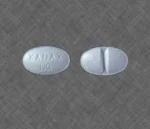
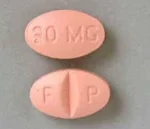
Strength in context: the maximum recommended once-daily dosage under current Lexapro labeling, reached only when response and tolerability support an increase from the usual 10 mg dose. Brand Lexapro provides a scored 20 mg film-coated tablet. Generic escitalopram 20 mg tablets differ in imprint and appearance. The score may assist a pharmacist-approved regimen, but patients should not change dose on their own.
Lexapro 20 mg: quick prescription facts
| Active ingredient | escitalopram |
|---|---|
| Medicine class | Selective serotonin reuptake inhibitor (SSRI) |
| Strength discussed | 20 mg |
| Dose position | the maximum recommended once-daily dosage under current Lexapro labeling, reached only when response and tolerability support an increase from the usual 10 mg dose |
| Typical administration | once daily, morning or evening, with or without food, at a consistent time |
| Upper-dose context | 20 mg once daily; taking more is outside the maximum recommended labeling and increases risk |
| Prescription status | Prescription only; clinical and pharmacy verification required |
The table is an orientation aid, not a dosing chart. A prescriber’s directions can differ because the diagnosis, age, liver or kidney function, pregnancy status, prior treatment, other medicines, and adverse-effect history differ. The product’s Medication Guide and current manufacturer labeling remain essential reading.
How the 20 mg strength fits into dosing
The usual recommended dosage is 10 mg once daily. Adults may increase to 20 mg after at least one week based on response and tolerability. Pediatric timing is longer: at least three weeks for MDD in patients 12 and older and at least two weeks for GAD in patients 7 and older under current brand labeling. For most older adults and patients with hepatic impairment, 10 mg is recommended. A fixed-dose MDD trial showed effectiveness at both 10 mg and 20 mg but did not demonstrate greater benefit at 20 mg.
Reaching the labeled maximum should trigger a benefit-versus-burden review. Before any increase or reduction, confirm how long the current amount has been taken consistently, which outcomes changed, whether adverse effects appeared, and whether another drug or illness altered the risk profile.
Never copy another person’s antidepressant dose
Two people with the same diagnosis can need different medicines, formulations, dose limits, and monitoring. Age, genetics, liver function, pregnancy, electrolyte status, bipolar history, seizure history, cardiac disease, other prescriptions, and previous reactions can materially change safety. Do not share tablets, use someone else’s refill, or recommend your dose in an online review.
The maximum-dose decision
Before moving from 10 mg to 20 mg, the clinician should establish that the trial was long enough, adherence was reliable, and a defined symptom or function target remains unmet. If 10 mg is already effective, a routine increase can add adverse effects without a proven gain.
After the change, set a review date and success criteria. Examples include improved attendance, fewer days disabled by anxiety, better ability to complete exposure work, restored self-care, or a clinically meaningful depression-score change. “I am on the maximum” is not an outcome.
Why the 10 mg versus 20 mg evidence matters
Lexapro labeling notes that a fixed-dose MDD trial found both 10 mg and 20 mg effective but did not show greater benefit for 20 mg. This does not mean 20 mg never helps an individual. It means escalation should be personalized rather than automatic.
Dose decisions also consider tolerability. Nausea, insomnia, fatigue, sweating, sexual dysfunction, emotional blunting, or activation may become more troublesome. If the additional benefit is small and the burden is large, the prescriber may reconsider the amount or treatment strategy.
A maximum dose needs a maintenance question
Once symptoms improve, the clinician periodically reassesses whether the regimen remains necessary and effective. Do not reduce the amount simply because you feel better; improvement may reflect successful treatment. Conversely, do not continue indefinitely without review. A stable refill routine should still include periodic medication reconciliation and a check that the original treatment target remains relevant.
Maintenance conversations include relapse history, episode severity, suicidality, comorbid conditions, psychotherapy progress, patient preference, pregnancy plans, and prior discontinuation experiences. The result may be continuation, a supervised reduction, or another evidence-based plan. A refill should document the current dose and next review rather than silently converting a short-term increase into permanent therapy.
What to do when 20 mg is not enough
Do not exceed 20 mg or combine tablets to intensify treatment. Persistent symptoms at the maximum call for diagnostic review, adherence verification, medical screening, psychotherapy assessment, and discussion of alternative or adjunctive treatment with a qualified clinician.
Urgent symptoms—suicidal intent, inability to care for basic needs, mania, psychosis, severe agitation, or dangerous substance use—require prompt professional help rather than a self-directed medication change.
A simple monitoring dashboard for Lexapro 20 mg
| Area | What to record | When to act |
|---|---|---|
| Target condition | One or two symptoms plus daily function, checked weekly | Discuss no improvement after the planned trial |
| Tolerability | Sleep, nausea, bowel changes, fatigue, restlessness, appetite, sexual effects | Call sooner if severe or preventing adherence |
| Mood safety | Suicidal thinking, agitation, impulsivity, reduced need for sleep, mood elevation | Prompt or emergency assessment depending on severity |
| Medication use | Dose time, missed doses, refills, new drugs and supplements | Pharmacy or prescriber review before changing the regimen |
Keep the dashboard brief. The purpose is to make a clinical decision easier, not to make the patient repeatedly scan for every theoretical symptom.
The prescriber may add weight, blood pressure, laboratory work, an ECG, drug levels, or other checks based on history. For SSRIs generally, sodium, bleeding, pregnancy, and cardiac considerations are individualized. Bring the record and actual medication list to follow-up.
Common side effects of Lexapro 20 mg
Common does not mean inevitable, harmless, or complete. Report effects that are severe, persistent, or interfering with hydration, nutrition, sleep, driving, work, school, relationships, or adherence. Possible effects include:
- Nausea
- Headache
- Fatigue or sleepiness
- Insomnia
- Dry mouth
- Increased sweating
- Dizziness
- Constipation or diarrhea
- Changes in appetite
- Sexual side effects such as lower desire, delayed orgasm, or ejaculation difficulty
At escitalopram 20 mg, compare any added benefit with nausea, fatigue, sleep, sexual, and emotional effects.
Sexual side effects deserve a direct conversation
SSRIs can reduce desire, delay or prevent orgasm, delay ejaculation, or contribute to erection problems. The underlying condition and other medicines can cause similar changes, so timing matters. Do not stop abruptly out of embarrassment. Ask the prescriber about evidence-based options and include sexual function in follow-up rather than assuming it is an unavoidable cost.
What escitalopram is used for
Twenty milligrams is a dose ceiling, not an expansion of approved conditions. Lexapro is labeled for MDD in adults and pediatric patients 12 years and older, and GAD in adults and pediatric patients 7 years and older. Population-specific intervals apply before increasing to 20 mg. Other psychiatric uses may be off-label and require a documented prescriber rationale.
Lexapro affects serotonin signaling by inhibiting serotonin reuptake. That description is not a promise of immediate relief and does not prove that a person’s symptoms are caused by a “chemical imbalance.” Diagnosis and treatment selection depend on clinical history, severity, safety risks, prior therapy, preferences, and access to psychotherapy or other care.
Approved use, off-label use, and self-diagnosis
A clinician may lawfully prescribe an approved medicine off-label when evidence and patient circumstances support it. The patient should be told what is being treated, whether the use is on-label or off-label, what alternatives exist, and how success will be measured. A seller should not convert an off-label possibility into a guaranteed marketing claim. Do not self-diagnose depression, OCD, panic disorder, an eating disorder, or an anxiety disorder from a checklist and then choose a dose online.
Confirm the product before taking or ordering Lexapro 20 mg
At the upper end of dosing, an identity error can have larger consequences. Confirm escitalopram 20 mg and not citalopram 20 mg. Although the names are similar, prescriptions and doses are not interchangeable.
- Match escitalopram and 20 mg to the current prescription.
- Confirm the dosage form and release type; immediate-release, extended-release, delayed-release, tablet, capsule, and oral solution are not casual substitutes.
- Read the manufacturer, imprint or physical description, quantity, expiration or discard date, and storage instructions.
- Ask the pharmacy about any change in color, shape, imprint, packaging, or directions before taking the first altered-looking dose.
- Reject loose pills, relabeled blister packs without traceability, or medicine offered without a patient-specific pharmacy label.
Generic medicines approved through the relevant regulator must meet quality and bioequivalence requirements, but inactive ingredients and appearance can differ. Allergy, swallowing, formulation, and adherence concerns are legitimate reasons to ask which manufacturer will be dispensed. They are not reasons to buy an unidentified product.
How to take Lexapro 20 mg safely
At 20 mg, keep timing stable so changes in sleep or fatigue can be interpreted. The usual page-level summary is once daily, morning or evening, with or without food, at a consistent time. Swallow or measure the product exactly as the pharmacy label states. Do not crush, chew, open, split, or dissolve a dosage form unless the specific manufacturer labeling and pharmacist confirm that it is appropriate.
- Take only the prescribed amount and keep the timing consistent.
- Food is usually optional, but taking a dose with food may help some people who experience nausea.
- Avoid driving or hazardous tasks until you know whether the medicine causes sleepiness, dizziness, slowed reactions, or impaired judgment.
- Discuss alcohol, cannabis, sedatives, stimulants, and recreational substances honestly; their effects can complicate symptoms and safety.
- Do not use grapefruit, caffeine, supplements, or meal timing as a self-directed method of changing drug exposure.
If nausea, insomnia, or drowsiness occurs
Record when the effect occurs in relation to the dose and how strongly it affects eating, sleep, driving, work, or school. Ask the clinician whether timing, food, slower titration, or a different treatment is appropriate. Do not alternate morning and evening repeatedly, skip random days, or add nonprescription sleep medicine without an interaction check.
What to expect after starting or changing 20 mg
SSRIs do not work like immediate tranquilizers. Gastrointestinal, sleep, headache, or activation effects may appear early, while meaningful improvement can take several weeks. Different conditions and individuals have different response timelines. At the maximum dose, the review should focus on incremental benefit versus adverse-effect burden. A higher number on the bottle is not evidence that the regimen is working better.
At baseline, identify two or three measurable problems: hours lost to rituals, panic episodes, binge-purge behavior, missed workdays, inability to complete routine tasks, sleep continuity, or a validated symptom score. Recheck those same measures at the agreed visit. A good outcome combines symptom relief, better function, acceptable adverse effects, and no emerging safety concern.
When not to wait for the routine follow-up
Contact a clinician promptly for marked worsening, new suicidal thoughts, unusual aggression, severe agitation, inability to sleep with rising energy, impulsive behavior, or signs of mania or psychosis. Seek emergency help for suicidal intent, a serious allergic reaction, collapse, seizure, severe serotonin-syndrome symptoms, dangerous heart symptoms, or a suspected overdose.
When a reaction to Lexapro 20 mg needs more than routine advice
Create two contacts before the first dose: the number for non-emergency prescribing questions and the local route for urgent or emergency help. This avoids trying to decide everything during a crisis.
Behavioral emergency versus routine adjustment
New suicidal thoughts, a suicide plan, an attempt, psychosis, dangerous aggression, or inability to maintain basic safety require urgent help. Antidepressant labeling warns of increased suicidal thinking and behavior in pediatric and young adult patients in short-term studies, and all patients should be followed for clinical worsening. New euphoria, extreme irritability, impulsivity, racing thoughts, pressured speech, or little need for sleep may indicate mania or hypomania and should be reported quickly.
A cluster that may mean serotonin syndrome
One isolated symptom such as nausea has many possible causes. Concern rises when mental changes, fever, sweating, a rapid or unstable pulse, vomiting or diarrhea, tremor, stiffness, jerking, exaggerated reflexes, poor coordination, or seizure occur together—especially after a new serotonergic drug or dose change. Seek emergency assessment and identify every medicine, cough product, pain drug, stimulant, migraine medicine, and supplement used.
Bleeding, low sodium, eye symptoms, or seizure
Unusual bruising deserves review; uncontrolled bleeding, black stool, vomiting blood, or a sudden severe headache needs urgent care. Confusion, weakness, headache, unsteadiness, falls, or seizure can accompany hyponatremia. Sudden eye pain, red eye, halos, blurred vision, nausea, or headache can indicate angle closure. A seizure, collapse, breathing difficulty, swelling of the lips or throat, or a blistering rash is an emergency.
Never hide a reaction to preserve a refill or continue a purchase. A licensed clinician can reassess risk, while an anonymous seller cannot provide emergency care.
Drug, supplement, food, and substance interactions
Escitalopram is contraindicated with MAOIs and pimozide. Other serotonergic medicines, drugs that increase bleeding, agents that affect sodium, and medicines with cardiac effects still require review. At least 14 days generally separates this SSRI from an MAOI antidepressant in either direction. Linezolid and intravenous methylene blue can also act as MAOIs and require urgent prescriber management.
- Provide one current list of every prescription, over-the-counter medicine, supplement, and substance to both prescriber and pharmacist.
- Include pain relievers, cough and cold products, sleep aids, migraine medicines, stimulants, opioids, anticoagulants, diuretics, antibiotics, and herbal mood products.
- Report alcohol, cannabis, nicotine, caffeine, and recreational drug use without withholding details; the goal is risk reduction.
- Ask before starting or stopping a medicine. Removing an interacting drug abruptly can be dangerous in its own right.
- Repeat the interaction check at every dose change and every new prescription, including urgent-care or dental treatment.
Why an online interaction checker is not enough
Checkers can flag possible combinations but cannot interpret dose, timing, organ function, ECG findings, blood tests, indication, or available alternatives. A “moderate” label can be important for one patient and manageable for another; an absent flag does not guarantee safety. Use a pharmacist or prescriber to resolve every alert.
Health information to share before the prescription is approved
A safe assessment is broader than asking whether you have used Lexapro before. Tell the clinician about:
- Personal or family history of bipolar disorder, mania, hypomania, psychosis, suicide attempts, or severe medication activation.
- Seizures, significant head injury, eating disorders, or conditions that disturb electrolytes.
- Heart rhythm problems, congenital long QT syndrome, fainting, slow heartbeat, recent heart attack, heart failure, or unexplained palpitations.
- Liver or kidney impairment, low sodium, dehydration, diuretic use, glaucoma or narrow eye angles, and bleeding disorders.
- Pregnancy, plans to become pregnant, breastfeeding, fertility concerns, and postpartum mental-health history.
- All medication allergies, previous antidepressant trials, withdrawal reactions, and reasons earlier treatments stopped.
For 20 mg escitalopram, establish that the usual 10 mg trial was adequate and tolerated.
Pregnancy, breastfeeding, children, older adults, and organ impairment
Pregnancy and breastfeeding
Do not start or stop an SSRI because of a pregnancy test or internet warning alone. Untreated depression, OCD, panic, eating disorders, or severe anxiety can also harm the pregnant patient and baby. Late-pregnancy SSRI exposure has been associated with newborn adaptation symptoms and a possible risk of persistent pulmonary hypertension; bleeding around delivery and medication transfer into breast milk may also matter. An obstetric clinician and mental-health prescriber should make a coordinated, individualized plan. Ask about a pregnancy exposure registry when one applies.
Children and adolescents
Pediatric approval depends on the exact medicine, condition, dosage form, and age. Young patients require close monitoring for suicidal thoughts, behavioral activation, growth or weight effects, adherence, school function, and family observations. An adult dose or interval must never be copied to a child. Store medicine securely to prevent accidental or intentional overdose.
Older adults and liver or kidney impairment
Older adults can have higher exposure and greater susceptibility to low sodium, falls, bleeding, and interactions. Liver impairment can reduce clearance. Severe kidney impairment may have limited evidence. Product-specific restrictions are especially important for fixed 15 mg escitalopram and 30 mg citalopram capsules. A licensed clinician should select a formulation that can deliver the recommended amount rather than forcing an unsuitable fixed strength.
Missed dose, overdose, and stopping Lexapro 20 mg
If a dose is missed
Follow the Medication Guide and pharmacy instructions. In general, take a missed once-daily dose when remembered unless it is close to the next scheduled dose; then skip it. Never double. Because formulation and timing differ, call the pharmacist when uncertain. Short interruptions can produce symptom return or discontinuation effects in some patients. Do not create an improvised on-and-off schedule.
Suspected overdose
An antidepressant overdose can cause seizures, altered consciousness, serotonin syndrome, dangerous heart rhythms, blood-pressure changes, vomiting, or other delayed toxicity. Call emergency services or a poison center immediately. In the United States, Poison Help is 1-800-222-1222. Do not induce vomiting and do not wait for symptoms. Bring the container and report all possible co-ingestants.
Do not stop abruptly
Abrupt discontinuation can cause dizziness, irritability, anxiety, sleep disturbance, headache, flu-like symptoms, emotional changes, and electric-shock-like sensations. A prescriber designs a gradual reduction using a formulation suitable for the needed steps. New symptoms during tapering may reflect discontinuation, relapse, or another problem; they deserve assessment rather than a self-directed reversal or faster reduction.
Lexapro 20 mg price, generic choice, quantity, and delivery
Prescription price changes with brand versus generic selection, manufacturer, dosage form, quantity, insurance rules, deductible, pharmacy network, discount eligibility, and country. A responsible page should not promise a fixed price without real-time verification. Compare the total legally dispensed prescription cost, not only a per-tablet banner.
- Ask whether the quote is for brand Lexapro or generic escitalopram.
- Confirm 20 mg, dosage form, quantity, days supplied, refills, delivery fee, and tax before paying.
- Check whether prior authorization, step therapy, or a preferred pharmacy applies.
- Ask whether a different legally equivalent package size would reduce waste or cost without changing the prescribed daily amount.
- Do not stockpile antidepressants for a discount; treatment and safety need periodic review, and excess medicine increases overdose risk.
Planning around delivery
Order a legitimate refill early enough for prescription authorization and shipping, but within insurance and pharmacy rules. If delivery is delayed, contact the dispensing pharmacy and prescriber. Do not borrow medicine, change the daily amount to stretch the supply, or purchase an unverified emergency pack. For temperature exposure, damaged seals, or a recall notice, quarantine the package and obtain pharmacy instructions.
A lawful online order for Lexapro 20 mg: from prescription to delivery
A safe transaction has a visible clinical and dispensing chain. Searches such as “order escitalopram 20 mg from a licensed pharmacy” should connect the patient with a licensed pharmacy that can verify the prescription, identify the product, counsel on use, and respond when a shipment is delayed or damaged.
- Prescription check: the pharmacy receives a valid, patient-specific prescription from an authorized clinician.
- Identity check: the order shows active ingredient, strength, dosage form, quantity, directions, manufacturer or source, and brand-versus-generic status.
- Safety check: a pharmacist reviews allergies, interactions, duplication, age-related limits, pregnancy information, and other dose restrictions.
- Payment check: the full price, insurance status, delivery charge, refund terms, and secure payment method are disclosed before collection.
- Delivery check: the parcel is traceable and arrives sealed with patient labeling, storage directions, expiration information, and pharmacist contact details.
Reasons to leave a website
Do not proceed when the seller promises antidepressants with no prescription review, hides the dispensing location, cannot produce a verifiable license, uses only a messaging account, demands irreversible payment, or offers loose pills. Claims of guaranteed relief, instant effect, universal safety, or a “stronger” imported version are incompatible with responsible pharmacy practice.
Verify the regulator record yourself
A copied accreditation badge proves nothing. Follow the badge to the regulator or pharmacy-board record and check that the legal business name and web domain match. U.S. patients can use state board records and FDA guidance; patients elsewhere should use the national pharmacy register for their jurisdiction.
Storage, travel, and disposal
Store Lexapro 20 mg according to the exact dispensing label, protected from inappropriate heat, moisture, light, and access by children or visitors. Keep it in the original labeled container during travel. Carry enough for expected delays within legal limits, and keep a copy of the prescription or medication list. International travel rules vary; verify them before departure.
Use a pharmacy take-back program for unwanted medicine when available. If no program exists, follow local regulator or pharmacist instructions rather than flushing or discarding tablets where children, animals, or other people could retrieve them. Remove personal information from empty packaging. A discontinued antidepressant should not be saved for unsupervised reuse.
Maximum-dose continuation checklist
Lexapro 20 mg is the maximum recommended once-daily dosage under current Lexapro labeling, reached only when response and tolerability support an increase from the usual 10 mg dose. Confirm escitalopram 20 mg and not citalopram 20 mg. Although the names are similar, prescriptions and doses are not interchangeable.
- Eligibility: age, pregnancy, liver or kidney status, bipolar and seizure history, cardiac or electrolyte concerns, and previous reactions have been reviewed.
- Interactions: the clinician and pharmacist have one complete list of prescriptions, nonprescription products, supplements, and substances.
- Follow-up: the patient knows the review date, common effects to record, urgent symptoms, missed-dose advice, and how to obtain emergency help.
- Supply: a licensed pharmacy verifies the valid prescription and provides traceable, correctly labeled medicine with pharmacist access.
- Purpose: the patient can name the condition being treated and the functional change that will count as benefit.
- Product: the bottle and prescription agree on escitalopram, 20 mg, dosage form, release type, quantity, and directions.
At the maximum dose, the review should focus on incremental benefit versus adverse-effect burden. A higher number on the bottle is not evidence that the regimen is working better. If any item remains unresolved, pause the dose change or purchase and contact the responsible clinician or dispensing pharmacy. Do not solve uncertainty with leftover tablets, another person’s prescription, or an unverified seller.
Frequently asked questions about Lexapro 20 mg
Is Lexapro 20 mg the maximum dose?
Yes. Current U.S. labeling lists 20 mg once daily as the maximum for MDD and GAD.
Is 20 mg always better than 10 mg?
No. Both were effective in a fixed-dose MDD trial, and that trial did not demonstrate greater benefit at 20 mg. Individual response can differ.
Can I take two 20 mg tablets if symptoms are severe?
No. That exceeds the maximum recommended dose. Contact the prescriber or seek urgent help if symptoms are severe.
Do I need a prescription to buy Lexapro 20 mg?
Yes. escitalopram is a prescription medicine. A legitimate pharmacy requires a valid prescription and completes patient and interaction checks before dispensing.
Can I switch between brand Lexapro and generic escitalopram?
Approved generics contain the same active ingredient, but dosage form, appearance, and inactive ingredients can differ. Let the pharmacist and prescriber manage a switch, especially if formulation, allergy, or adherence is a concern.
How quickly does Lexapro 20 mg work?
Some adverse effects can appear early, while meaningful improvement may take several weeks. The timeline depends on the condition, dose history, adherence, and individual response.
What if Lexapro 20 mg makes anxiety or restlessness worse?
Contact the prescriber, particularly after starting or increasing. Severe agitation, inability to sit still, suicidal thoughts, mania-like behavior, or rapidly worsening symptoms require prompt assessment.
Can I drink alcohol while taking Lexapro 20 mg?
Alcohol can worsen depression or anxiety and can add to sleepiness, impaired judgment, and adherence problems. Discuss your actual pattern with the prescriber rather than relying on a universal yes-or-no rule.
Can I stop when I feel better?
Feeling better may mean treatment is working. Stopping abruptly can cause discontinuation symptoms or relapse. Ask the prescriber to review duration and, when appropriate, create a gradual plan.
What should I do if my refill looks different?
Compare the generic name, strength, dosage form, manufacturer, and imprint with the pharmacy label. Do not take an unexpected product until the dispensing pharmacy confirms it.
Authoritative references and review note
Content reviewed against current U.S. prescribing information and patient resources available during the August 2026 research update. Product availability and labeling can change. Patients should read the Medication Guide supplied with their own prescription and ask a clinician or pharmacist about personal use.
| Select Variation |
300 pills ,180 pills ,240 pills ,90 pills |
|---|