Generic Ritalin 10 mg
Price range: $533.00 through $1,507.00
| Variation | Price | Quantity | Add To Cart |
|---|---|---|---|
| 90 pills | $533.00 |
|
Add to cart |
| 360 pills | $1,507.00 |
|
Add to cart |
| 180 pills | $908.00 |
|
Add to cart |
Ritalin 10 mg is an immediate-release tablet containing 10 mg of Methylphenidate hydrochloride, a central nervous system stimulant. It is prescribed for attention deficit hyperactivity disorder (ADHD) in children 6 years and older and in adults, and for narcolepsy. The 10 mg tablet is pale green, round and scored, and is the most widely used strength of brand Ritalin. It is a common step on the way to a stable dose and is often the dose a person stays on long term, taken two or three times a day. Ritalin is a Schedule II controlled substance. That classification affects how it is prescribed, how it is filled, and how it should be stored at home. This page explains how Ritalin 10 mg works, how it is dosed, its side effects and boxed warning, heart and other safety checks, interactions, and the pharmacy rules for methylphenidate.
Prescription required: Ritalin 10 mg can be dispensed only against a valid prescription from a licensed, DEA-registered prescriber who has diagnosed and evaluated the patient. The dosing information below summarizes the FDA-approved label for education only.
Ritalin 10 mg Snapshot
| Item | Ritalin 10 mg |
|---|---|
| Generic name | Methylphenidate hydrochloride |
| Formulation | Immediate-release (IR) oral tablet |
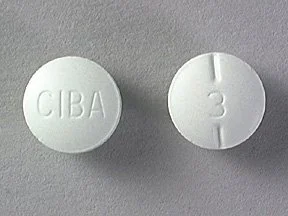
| Appearance (brand) | Round, pale green, biconvex, scored, imprinted “CIBA 3” |
| Other brand IR strengths | 5 mg (yellow, “CIBA 7”) and 20 mg (pale yellow, scored, “CIBA 34”) |
| Approved uses | ADHD (age 6 and up, and adults); narcolepsy |
| Time to peak (children) | About 1.9 hours (range 0.3–4.4 hours) |
| Typical duration of effect | About 3–4 hours per dose |
| Main metabolite | Ritalinic acid (inactive), excreted in urine |
| DEA schedule | Schedule II (C-II) |
Conditions Treated with Ritalin 10 mg
ADHD
ADHD is a neurodevelopmental condition marked by persistent inattention, hyperactivity and impulsivity that interfere with daily life. Methylphenidate is one of the most studied ADHD medicines. When it is part of a full treatment plan that may include behavioral therapy, education support and skills coaching, it can improve focus, task completion and impulse control. The CDC’s ADHD resource covers diagnosis and treatment options, and CHADD offers support for patients and families.
Narcolepsy
Narcolepsy is a chronic sleep disorder that causes overwhelming daytime sleepiness and sudden sleep attacks. Methylphenidate helps people stay awake during the day. The NINDS narcolepsy page describes the condition and how it is managed.
How Methylphenidate Works
Methylphenidate blocks the reuptake of two chemical messengers, dopamine and norepinephrine, so they stay active longer in the spaces between nerve cells. These neurotransmitters help regulate attention, motivation, working memory and arousal. In ADHD, the effect is steadier focus and better self-control. In narcolepsy, it supports wakefulness.
The immediate-release tablet is absorbed fairly quickly. Its effects usually start within 20 to 60 minutes and last about three to four hours. That short window is why Ritalin 10 mg is usually taken two or three times a day rather than once.
Ritalin 10 mg Dosing
The label sets out separate approaches for children and adults. The prescriber adjusts the dose over time, aiming for the lowest amount that controls symptoms with acceptable side effects.
| Patient | Label instructions | Where the 10 mg tablet fits |
|---|---|---|
| Children 6 years and older | Start with 5 mg twice daily, before breakfast and lunch. Increase gradually by 5–10 mg per week. Daily doses above 60 mg are not recommended | Commonly the next step after the 5 mg start, for example 10 mg before breakfast and 10 mg before lunch |
| Adults | Average 20–30 mg per day in two or three divided doses, preferably 30–45 minutes before meals. Some need 40–60 mg; others do well on 10–15 mg. Maximum 60 mg per day | 10 mg two or three times daily equals 20–30 mg, the average adult range |
| Children under 6 | Ritalin is not approved for this age group | |
Sample Titration Ladder (Child, Illustrative Only)
| Week | Morning | Midday | Daily total |
|---|---|---|---|
| 1 | 5 mg | 5 mg | 10 mg |
| 2 | 10 mg | 5 mg | 15 mg |
| 3 | 10 mg | 10 mg | 20 mg |
| Later | Further changes only if needed, based on symptom ratings and side effects | ||
This table only shows how a 10 mg tablet commonly enters a schedule. The real plan depends on the prescriber’s assessment. The label also calls for periodic re-evaluation of long-term use, and some prescribers pause treatment briefly to check whether it is still needed.
Timing a Day on Ritalin 10 mg
- Before meals: Take each dose 30 to 45 minutes before a meal, as the label recommends. This also helps people whose appetite drops while the medicine is active.
- Morning dose: Taken before breakfast to cover school or work hours.
- Midday dose: Before lunch, about 3 to 4 hours after the first dose, as the morning dose wears off.
- Optional third dose: Some adults take a third dose in mid-afternoon. A dose taken too late in the day often causes trouble falling asleep.
- Swallow whole: Swallow with water. The tablet is scored, so the prescriber may tell the patient to split it.
- Track the response: A simple daily log of focus, appetite, sleep and mood helps the prescriber fine-tune the schedule. Questions to ask at every follow-up visit is a useful companion for those appointments.
Common and Serious Side Effects
The label lists these as the most common adverse reactions to methylphenidate: fast heart rate, palpitations, headache, insomnia, anxiety, excessive sweating, weight loss, decreased appetite, dry mouth, nausea and abdominal pain. Children most often have reduced appetite, stomachache, trouble sleeping and weight loss. Adults also commonly have dry mouth, nervousness and sweating.
| System | Possible effects | Action |
|---|---|---|
| Appetite and weight | Less hunger at lunch, weight loss | Eat a full breakfast and an evening snack. Monitor weight |
| Sleep | Trouble falling asleep | Move the last dose earlier and review sleep habits |
| Heart and blood pressure | Faster pulse, small rise in blood pressure, palpitations | Regular checks. Report chest pain or fainting immediately |
| Mood and behavior | Irritability, anxiety, emotional flatness as the dose wears off | Discuss with the prescriber. A timing change may help |
| Stomach | Nausea, abdominal pain | Taking the dose with a little food may help, if the prescriber agrees |
| Nervous system | Headache, dizziness, new or worse tics | Report new tics or worsening of existing ones |
Boxed Warning: Abuse, Misuse and Addiction
Ritalin’s label carries a boxed warning: methylphenidate has a high potential for abuse and misuse, which can lead to a substance use disorder, including addiction. Misuse and abuse of central nervous system stimulants can result in overdose and death. The risk is higher with higher doses and with unapproved methods of taking the drug, such as snorting or injecting it.
Before prescribing, the prescriber should assess each patient’s risk of abuse, misuse and addiction, and should monitor for signs of these throughout treatment. The FDA updated the warning for all prescription stimulants in 2023. See the FDA stimulant safety update.
Sharing or selling stimulant tablets is a federal crime and a common route to misuse, particularly among students. The page on what happens if someone else takes your prescription covers the health and legal consequences.
Other Label Warnings for Methylphenidate
Heart and Circulation
- Serious cardiovascular events: Sudden death has been reported in patients with structural heart abnormalities or other serious heart problems. Stroke and heart attack have been reported in adults. Before treatment, the prescriber asks about personal and family heart history and examines for heart disease.
- Blood pressure and heart rate: Both may rise. They are checked before treatment and at follow-up visits.
- Peripheral vasculopathy, including Raynaud’s phenomenon: Fingers or toes may turn pale, blue or red, feel numb, or hurt in the cold. Unexplained wounds on fingers or toes need prompt evaluation.
Mental Health
- Stimulants can worsen pre-existing psychosis or trigger mania in people with bipolar disorder, so screening comes before starting.
- New psychotic or manic symptoms, such as hallucinations, delusional thinking or mania, can occur even without a prior history. Stopping the medicine may be necessary.
Growth, Eyes and Other Effects
- Growth in children: Height and weight are tracked. Treatment may be paused if a child is not growing as expected.
- Eyes: Methylphenidate can raise eye pressure and trigger acute angle-closure glaucoma in susceptible patients.
- Priapism: Prolonged, painful erections are rare but need emergency care.
- Tics: Motor and verbal tics, and Tourette’s syndrome, may appear or worsen.
Contraindications
Ritalin 10 mg must not be used by people who:
- Have a known hypersensitivity to methylphenidate or any ingredient in the tablet
- Are taking a monoamine oxidase inhibitor (MAOI), or have taken one within the past 14 days, because the combination can cause a hypertensive crisis
Screening Before Ritalin 10 mg Is Started
The label asks prescribers to do several checks before the first tablet. Coming to the appointment prepared makes the visit faster and the decision safer.
- Heart history: fainting, chest pain with exercise, irregular heartbeat, heart defects, or sudden unexplained death in a family member at a young age
- Blood pressure and pulse: baseline readings for comparison later
- Mental health: personal or family history of bipolar disorder, depression, psychosis or suicidal thoughts
- Substance use: any past misuse of alcohol, prescription drugs or other substances, in the patient or in the household
- Tics or Tourette’s syndrome in the patient or family
- Eye conditions: glaucoma or raised eye pressure
- Circulation: fingers or toes that change color or go numb in the cold
- Medicines: a full list, including MAO inhibitors taken in the past two weeks, blood pressure medicines and decongestants
Monitoring During Treatment
| What is checked | Why | How often |
|---|---|---|
| Blood pressure and heart rate | Stimulants can raise both | At baseline, after dose changes, and at regular visits |
| Height and weight (children) | Possible growth suppression and weight loss | At each visit, plotted on growth charts |
| Symptom ratings from home, school or work | Shows whether 10 mg doses are controlling symptoms | During titration and periodically afterward |
| Sleep, appetite and mood | Common side effects that guide timing and dose | Every visit |
| Signs of misuse or diversion | Required by the boxed warning | Throughout treatment |
Interactions with Ritalin 10 mg
| Medicine or situation | Concern | What the label advises |
|---|---|---|
| MAO inhibitors (for example phenelzine, selegiline, linezolid) | Hypertensive crisis | Contraindicated during use and for 14 days after stopping |
| Blood pressure medicines | Methylphenidate may reduce their effect | Monitor blood pressure and adjust if needed |
| Halogenated anesthetics used in surgery | Sudden rise in blood pressure and heart rate | Do not take Ritalin on the day of planned surgery |
| Risperidone | Possible movement side effects (extrapyramidal symptoms) when either dose changes | Monitor when adding or changing either drug |
| Decongestants, caffeine, other stimulants | Added heart rate and blood pressure effects, jitteriness | Check with a pharmacist before using cold medicines |
| Alcohol | Can worsen side effects and judgment | Avoid |
Ritalin Compared with Amphetamine-Based Medicines
ADHD stimulants fall into two chemical families: methylphenidate (Ritalin and its generics) and amphetamines. Both increase dopamine and norepinephrine, but in different ways. Methylphenidate mainly blocks reuptake, while amphetamines also push these neurotransmitters out of nerve cells. Some people respond better to one family than the other. For background on the amphetamine side, see what Adderall is. Switching between families is a prescriber decision and should not be done without guidance.
Pregnancy and Breastfeeding
Published studies of methylphenidate in pregnancy have not identified a clear drug-related risk of major birth defects. The decision still depends on the balance of benefits and risks in each case. A pregnancy exposure registry for ADHD medicines collects outcome data (1-866-961-2388), and more information is available through the National Pregnancy Registry for ADHD Medications. Methylphenidate passes into breast milk in small amounts. Infants should be watched for agitation, poor sleep, poor feeding and reduced weight gain.
Overdose and Emergencies
Signs of methylphenidate overdose include vomiting, agitation, tremor, muscle twitching, confusion, hallucinations, sweating, flushing, high fever, a pounding or irregular heartbeat, high blood pressure and seizures. Call 911 for chest pain, fainting, seizures or severe agitation. Poison Control (1-800-222-1222, poison.org) can advise on accidental extra doses, including a child swallowing a tablet.
Schedule II Rules for Ritalin Prescriptions
Methylphenidate is a Schedule II controlled substance, the most tightly regulated category of medicines with accepted medical uses. In practice this means:
- No refills. Each fill needs a new prescription.
- Up to a 90-day supply through multiple prescriptions. A prescriber may issue several prescriptions at one visit, each with a “do not fill before” date, as long as the total does not exceed 90 days (21 CFR 1306.12).
- Electronic prescribing is required for controlled substances in many states.
- Database checks. Pharmacists and prescribers often review the state prescription drug monitoring program (PDMP) before a stimulant is dispensed.
The full set of federal requirements is covered in Schedule II prescription rules. For what happens at the counter, see how pharmacies verify controlled prescriptions and why doctors check prescription history. Stimulant medicines have had periodic supply shortages in recent years. Pharmacy shortages explained outlines what patients can do when a strength is hard to find.
Identifying, Storing and Disposing of Ritalin 10 mg
Brand Ritalin 10 mg is a round, pale green, scored tablet imprinted “CIBA 3.” Generic methylphenidate 10 mg tablets are made by several companies and can differ in color, shape and imprint. Ask the pharmacist about any tablet that looks unexpected.
- Store at 68°F–77°F (20°C–25°C) in a tight, light-resistant container, protected from light.
- Keep it locked. Stimulants are among the most frequently diverted prescriptions, often from family medicine cabinets.
- Count tablets when picking them up and periodically after that.
- Bring unused tablets to a take-back location or follow the FDA’s medicine disposal guidance.
Ritalin 10 mg – Common Questions
How long does Ritalin 10 mg last?
The immediate-release tablet usually works for about 3 to 4 hours. That is why it is commonly taken two or three times a day.
How fast does Ritalin 10 mg start working?
Many people notice an effect within 20 to 60 minutes. Peak blood levels occur at about 2 hours in children.
Is 10 mg of Ritalin a low dose?
For a single dose, 10 mg is in the low-to-moderate range. The label’s average adult daily total is 20 to 30 mg, and the maximum is 60 mg per day. Children start lower, at 5 mg twice daily.
Can Ritalin 10 mg be cut in half?
The brand tablet is scored. Splitting it into 5 mg halves should be done only if the prescriber directs it.
Should Ritalin 10 mg be taken with food?
The label recommends taking it 30 to 45 minutes before meals. Plan regular meals, because appetite may drop while the dose is active.
Can Ritalin 10 mg cause trouble sleeping?
Yes. Insomnia is a common side effect, especially if a dose is taken late in the afternoon or evening. Moving the last dose earlier usually helps.
Is generic methylphenidate 10 mg the same as Ritalin 10 mg?
Generic methylphenidate IR 10 mg contains the same active ingredient at the same strength and meets FDA bioequivalence standards. Its appearance and inactive ingredients may differ.
Can a Ritalin prescription be refilled?
No. As a Schedule II drug, it cannot be refilled. A new prescription is needed each time, although a prescriber may issue several dated prescriptions together.
| Select Variation |
360 pills ,180 pills ,90 pills |
|---|