

Generic Dexedrine 5 mg
Price range: $2,212.20 through $7,350.00
| Variation | Price | Quantity | Add To Cart |
|---|---|---|---|
| 300 pills | $7,350.00 |
|
Add to cart |
| 180 pills | $4,424.40 |
|
Add to cart |
| 240 pills | $5,899.20 |
|
Add to cart |
| 90 pills | $2,212.20 |
|
Add to cart |
Prescription-only Schedule II medicine: Dexedrine 5 mg contains dextroamphetamine, a central nervous system stimulant that can be abused and can cause addiction, overdose, and death. A smaller milligram strength is not a smaller legal or safety responsibility. Use it only for the patient named on a valid prescription, keep it locked, and obtain it from a licensed pharmacy. Never share, sell, crush for non-prescribed use, or buy it from a seller that does not require a prescription.
Dexedrine 5 mg: a lower strength that still requires full-strength safeguards
Five milligrams is often perceived as “just a starter dose.” That description can be misleading. It is one available strength of dextroamphetamine, and its clinical role depends on dosage form, release type, number of doses, patient history, and the prescriber’s plan. Even one 5 mg unit can cause clinically important cardiovascular, psychiatric, sleep, appetite, or interaction effects in a susceptible person.
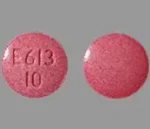
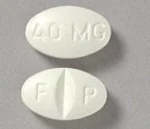
Product form must be confirmed before patients compare Dexedrine 5 mg prices or order dextroamphetamine online. The current U.S. Dexedrine brand label describes Dexedrine Spansule 5 mg sustained-release capsules. Generic dextroamphetamine sulfate also exists in immediate-release tablet forms, and older pill identifiers may appear in search results. A brown tablet marked with a manufacturer code should not automatically be called a current brand Dexedrine Spansule. Tablets and sustained-release capsules are different products and are not interchangeable without authorization.
This page gives patient-centered information for the current 5 mg Dexedrine Spansule capsule while explaining where tablet instructions may differ. The prescription and dispensing label always control. If the container says “tablet,” “capsule,” “ER,” “extended release,” “sustained release,” or “Spansule,” read every word rather than relying on the 5 mg number.
A product-identity checkpoint
Before taking or buying the medicine, confirm all of the following:
- Drug: dextroamphetamine sulfate.
- Brand when applicable: Dexedrine Spansule.
- Strength: 5 mg per capsule or tablet, as specifically prescribed.
- Release: sustained/extended release or immediate release.
- Form: capsule or tablet.
- Directions: number of units, time, and frequency.
- Quantity: exactly the amount authorized.
- Source: patient-labeled supply from a verifiably licensed pharmacy.
The current brand label describes the 5 mg Spansule as a capsule with a brown cap and natural body, printed “IX” and “5 mg” on the cap and “673” and “5 mg” on the body. A generic product may look different. Appearance supports a pharmacist’s check; it does not replace one.
Where 5 mg may fit in ADHD treatment
Dexedrine is labeled for attention-deficit disorder with hyperactivity as part of a total treatment program and for narcolepsy. The current label’s ADHD indication describes patients age six to 16 and emphasizes psychological, educational, and social measures. Drug treatment is not appropriate for every person with attention or behavior concerns.
For pediatric patients age six and older, the current label describes a starting regimen of 5 mg once or twice daily with increases in 5 mg increments no more often than weekly until an optimal response is reached. Spansule capsules may be used once daily where appropriate. This is general labeling information, not a direction to start a child at 5 mg or to increase every week. The prescriber may choose a different plan or a different medicine after evaluating the patient.
A 5 mg strength can help a clinician make small, supervised changes, but patients must not build their own regimen by adding units. Two 5 mg immediate-release tablets do not automatically reproduce one 10 mg sustained-release capsule. The total amount may match numerically while the release curve and timing do not.
What “optimal response” should mean
The goal is not the strongest noticeable effect. It is the lowest appropriate regimen that produces meaningful functional improvement with tolerable risks and adverse effects. For a child, that may mean safer impulse control, improved completion of age-appropriate work, or fewer disruptive interruptions across settings. For a patient treated for narcolepsy, the goals and schedule are different and must be defined by the sleep specialist.
Overfocus, emotional flattening, severe appetite suppression, inability to sleep, marked anxiety, or a racing heart are not signs that the medicine is “working extra well.” They are reasons to contact the clinician. A response diary should include benefits and burdens in the same place so one does not eclipse the other.
Baseline review before the first capsule
A clinician should establish the diagnosis and assess medical, psychiatric, and substance-use risk. Patients and caregivers can prepare by collecting accurate information rather than trying to present the “right” answers to obtain a stimulant.
Medical history
- Congenital heart condition, heart muscle disease, coronary disease, rhythm problem, fainting, exercise-related chest pain, high blood pressure, stroke, or family history of sudden death.
- Seizure or abnormal EEG.
- Raynaud’s phenomenon, poor circulation, or finger/toe color changes and wounds.
- Tics or Tourette’s syndrome in the patient or family.
- Pregnancy, plans to become pregnant, or breastfeeding.
- Allergies to amphetamine products or capsule ingredients.
Mental-health and substance-use history
- Psychosis, hallucinations, bipolar disorder, mania, severe anxiety, agitation, depression, suicidal behavior, or aggression.
- Personal or family history of alcohol or drug addiction, prescription misuse, overdose, or diversion.
- Past use of stimulants for studying, weight control, work performance, or euphoria.
Medicine list
Include antidepressants, migraine medicines, pain medicines, linezolid, inhalers, decongestants, blood-pressure drugs, antacids, acid-suppressing medicines, vitamin C, sodium bicarbonate, sleep aids, herbal products such as St. John’s wort, caffeine concentrates, nicotine, alcohol, cannabis, and other substances. Recent medicines matter, particularly MAOIs used within the previous 14 days.
Contraindications and reasons for heightened caution
The current Dexedrine label contraindicates use in patients with hypersensitivity to amphetamine or product components and in patients taking an MAOI or within 14 days after stopping one. The MAOI combination can cause a hypertensive crisis with severe or fatal complications. Examples can include phenelzine, tranylcypromine, isocarboxazid, selegiline, linezolid, and intravenous methylene blue.
Dexedrine should be avoided in serious cardiac disease such as structural abnormalities, cardiomyopathy, serious arrhythmia, or coronary artery disease. The prescriber also needs to judge mild hypertension, seizure risk, psychiatric history, tics, circulation problems, pregnancy, and risk of misuse.
Taking a 5 mg Spansule safely
Follow the patient-specific pharmacy label. Sustained-release capsules are generally used earlier in the day because dextroamphetamine can cause insomnia. Do not shift the dose to late afternoon, take it before an overnight shift, or add a second dose without the prescriber. Treatment for narcolepsy can have different scheduling goals, which makes diagnosis-specific instructions essential.
Swallow an extended-release capsule whole. Do not chew or crush it. The current Spansule design releases an initial amount promptly and the rest gradually over a prolonged period. Altering the capsule can destroy the intended release pattern. If the patient cannot swallow it, ask about an approved alternative rather than opening it based on advice for another brand.
If the product is a tablet
Immediate-release dextroamphetamine tablets have different timing and handling instructions. The MedlinePlus general monograph describes tablets as commonly taken two or three times daily, spaced apart, while extended-release capsules are taken once daily. This difference is exactly why a product page must not use “Dexedrine 5 mg” as if form does not matter. Follow the label for the actual dispensed product.
Missed or late dose
Do not take a sustained-release stimulant late automatically. A late dose may interfere with sleep and affect the next day. Call the pharmacist for instructions based on the product, time, and normal schedule. Never double the following dose and never use a missed capsule to create an extra “focus day.”
A one-page monitoring routine
Patients and caregivers can use a simple weekly record with four columns: dose taken, target behaviors, side effects, and context. Context includes sleep, illness, major stress, missed meals, school schedule, and other medicines. This helps the prescriber distinguish an inconsistent environment from a medication effect.
Benefit observations
- Ability to begin a task without repeated prompting.
- Time spent on an age-appropriate or work-relevant activity.
- Frequency of unsafe or disruptive impulsive actions.
- Completion of routine steps at home, school, or work.
- Ability to listen and respond without excessive interruption.
Tolerability observations
- Appetite, meals, and weight trend.
- Sleep onset, sleep duration, and morning fatigue.
- Headache, stomach pain, dry mouth, dizziness, or tremor.
- Mood, irritability, anxiety, suspiciousness, or unusual activation.
- Tics, repetitive sounds, or movements.
- Finger or toe numbness, pain, cold sensitivity, or color change.
- Pulse and blood pressure when the clinician requests measurement.
Contact the clinician before the scheduled review for concerning trends. Do not wait for a diary to be “complete” if a serious warning symptom appears.
Common side effects
Possible effects include loss of appetite, weight loss, trouble sleeping, dry mouth, stomach upset, headache, nervousness, restlessness, dizziness, tremor, or changes in heart rate and blood pressure. Different age groups and formulations can have different patterns. The official Medication Guide supplied with the prescription provides the current patient information.
For a child, height and weight require ongoing monitoring. A five-milligram dose can still reduce appetite or affect sleep. Do not use “drug holidays” on weekends or school breaks unless the prescriber has designed that plan. Interruption may be considered in some patients, but it is a clinical decision that should include symptom and safety review.
Serious side effects: when to call immediately
Cardiovascular warning signs
Seek urgent care for chest pain, fainting, shortness of breath, a fast or irregular heartbeat, severe headache with neurologic symptoms, or other signs of a serious cardiovascular event. Stimulants can increase blood pressure and heart rate; patients should have monitoring as directed.
New psychiatric symptoms
Call the prescriber promptly for hallucinations, delusions, mania, a dramatic reduction in need for sleep, severe agitation, dangerous behavior, or new/worsening aggression. CNS stimulants can worsen preexisting psychosis and may induce manic or psychotic symptoms in some patients at recommended doses.
Seizure, tics, and peripheral vasculopathy
Report a seizure immediately. New or worsened motor and verbal tics require assessment. Numb, painful, cold, pale, blue, or red fingers or toes and unexplained wounds can indicate peripheral vasculopathy or Raynaud’s phenomenon and should be reported.
Serotonin syndrome
Urgent symptoms can include agitation, hallucinations, delirium, fever, sweating, fast heart rate, unstable blood pressure, tremor, rigid muscles, overactive reflexes, poor coordination, seizure, nausea, vomiting, or diarrhea, especially after combining dextroamphetamine with serotonergic medicines. Stop-and-treat instructions must come from emergency or treating professionals.
Overdose
Overdose can be fatal. Severe agitation, confusion, panic, hallucinations, high fever, abnormal heart rhythm, chest symptoms, vomiting, muscle breakdown, seizure, collapse, or coma requires emergency help. In the United States, call 911 for a life-threatening emergency and Poison Help at 1-800-222-1222. Do not induce vomiting unless a poison specialist directs it.
Abuse, dependence, and diversion prevention
The current boxed warning requires attention to abuse, misuse, and addiction before and throughout treatment. Risk can change over time. A patient who begins taking the medicine earlier, using extra capsules, hiding the amount used, seeking euphoria, or running out before the authorized date needs help—not an illicit replacement supply.
Physical dependence may develop after prolonged use even when the medicine is taken as prescribed. Abrupt stopping after prolonged use can lead to withdrawal symptoms, including depression, fatigue, sleep changes, increased appetite, or agitation. The prescriber should guide discontinuation. Severe depression or suicidal thinking requires urgent assessment.
Household controls
- Keep the bottle in a locked location, not simply a high shelf.
- Have one responsible adult manage a child’s dose.
- Record each administration to prevent duplicate dosing.
- Count capsules periodically without creating an atmosphere of shame.
- Do not disclose the storage location to visitors.
- Report suspected loss or theft promptly.
- Never send a loose capsule in a backpack, lunchbox, or pocket.
Important interactions
MAOIs are contraindicated. Serotonergic drugs—including many antidepressants, certain migraine medicines, tramadol, fentanyl, lithium, buspirone, tryptophan, and St. John’s wort—can increase serotonin-syndrome risk. CYP2D6 inhibitors can increase exposure. Acidifying and alkalinizing agents can change amphetamine levels or excretion. Proton-pump inhibitors may change the time to peak concentration. Dextroamphetamine can reduce the effect of antihypertensive medicines and interact with many other agents.
Do not manipulate drug effect with vitamin C, baking soda, antacids, caffeine concentrates, or “focus supplements.” Tell the pharmacist about every nonprescription product. A decongestant used for a cold may matter even if taken for only a few days.
Buying Dexedrine 5 mg online: a legal access pathway
People searching for “buy Dexedrine 5 mg online,” “dextroamphetamine 5 mg price,” “generic Dexedrine 5 mg tablets,” or “Dexedrine Spansule 5 mg delivery” should expect controlled-substance safeguards. The lawful pathway starts with an authorized clinician, continues through a valid Schedule II prescription, and ends at a licensed pharmacy.
Verify the pharmacy
- Check its license with the state board of pharmacy or relevant regulator.
- Confirm a licensed pharmacist is available.
- Verify the physical dispensing location.
- Review identity, signature, delivery, and controlled-prescription requirements.
- Confirm that the pharmacy protects personal and payment data.
- Reject any seller that offers stimulant medicine without a prescription.
Match the order to the prescription
Check 5 mg, dextroamphetamine sulfate, capsule or tablet, release type, quantity, brand or generic selection, and directions. A low advertised tablet price should not be compared with a sustained-release capsule quote. Do not accept a 10 mg unit with instructions to split or open it unless the prescriber has issued that exact authorized product and plan; Spansule capsules should not be opened for dose division.
Watch for counterfeit and diversion risk
Social-media sellers, classified marketplaces, messaging apps, and “no-Rx” sites are not safe substitutes for a pharmacy. Counterfeit stimulant pills may contain unexpected potent substances. A familiar imprint or convincing package does not make an unlicensed supply safe. Never purchase someone else’s prescription or a loose pill.
Dexedrine 5 mg price and availability
Cost varies by dosage form, brand/generic status, quantity, location, insurance, deductible, pharmacy network, coupon eligibility, and supply. Always compare the exact prescribed product. “Dextroamphetamine 5 mg tablet price” and “Dexedrine Spansule 5 mg capsule price” are not interchangeable search results.
Schedule II prescriptions cannot be refilled under federal law in the ordinary way. The prescriber may issue separate prescriptions where legally permitted, and controlled e-prescriptions may sometimes be transferred between DEA-registered retail pharmacies under applicable rules. State law and pharmacy policy also matter. Ask the pharmacist what is permitted rather than requesting duplicate active prescriptions.
If stock is unavailable, call the prescriber. Do not substitute another strength, formulation, or stimulant on your own. Supply problems are frustrating, but an illicit purchase creates far greater medical and legal risk.
Storage, travel, and disposal
Keep dextroamphetamine in its original labeled container and store it under the conditions on the official label. Current Dexedrine Spansule instructions specify controlled room temperature and a tight, light-resistant container. Protect the bottle from heat, moisture, and unauthorized access.
Travel with the patient-specific container and review destination laws in advance. Do not place controlled medicine in a weekly organizer for international travel without confirming requirements. Carry only the authorized supply and supporting documentation requested by relevant authorities.
Use a DEA-authorized collector or medicine take-back program for unused capsules when available. Follow current FDA or pharmacist instructions if no take-back option exists. Never keep leftover stimulant “in case someone needs it later.”
Preventing dosing errors when more than one caregiver is involved
A 5 mg dose can be given twice accidentally when one parent, grandparent, school nurse, or other caregiver does not know that someone else already administered it. Use one shared record that shows the date, exact time, product form, amount, and initials of the person giving the medicine. The record should distinguish “dose prepared” from “dose swallowed.”
Keep only the current prescription in the active locked location. Previous 5 mg tablets, an old 10 mg capsule bottle, and another household member’s stimulant should be stored separately pending pharmacist-directed disposal. Never pour a new refill into an old bottle: the old label may show different directions, and lot and expiration information will no longer match.
If an extra dose may have been given
Do not wait for symptoms and do not try to neutralize the medicine with food, vitamin C, or another drug. Contact Poison Help or local poison control immediately for case-specific guidance. Call emergency services for chest pain, collapse, seizure, severe agitation, breathing trouble, dangerous behavior, or other severe symptoms. Bring the labeled container to emergency care when possible.
How 5 mg and 10 mg listings should be compared
A safe comparison is not a “which one is stronger?” sales table. The 10 mg unit contains twice the amount of dextroamphetamine as the 5 mg unit, but clinical effect does not increase in a simple way for every patient. Release type, timing, absorption, prior exposure, and sensitivity matter. The prescription—not the price per milligram—determines which product is appropriate.
Do not choose 10 mg because two 5 mg units cost more, or choose 5 mg with a plan to take extra capsules. A prescriber may use the lower strength to allow careful titration or may select it as the ongoing regimen. Insurance quantity limits and supply availability should be discussed with the pharmacy and clinician before any new prescription is issued.
What to expect at stimulant follow-up visits
A proper follow-up is more than renewing the prescription. The clinician may review symptom targets, school or work function, adherence, appetite, weight, height in children, sleep, blood pressure, heart rate, mood, tics, circulation symptoms, and evidence of misuse or diversion. Patients should expect direct questions about early refills, lost medicine, and use of other substances. These questions protect the patient and are not an accusation.
Reasons to request an earlier review
- The 5 mg dose produces no meaningful improvement after the prescriber’s planned assessment period.
- Benefit ends at a time that creates safety or major functional problems.
- Appetite or sleep changes are persistent.
- The child is losing weight or not growing as expected.
- New anxiety, irritability, sadness, tics, or repetitive behavior appears.
- The patient feels pressure to share or sell the medicine.
- A new prescription, supplement, illness, pregnancy, or cardiovascular symptom changes the risk picture.
Severe or urgent symptoms should be reported immediately rather than handled through a standard appointment request.
Understanding narcolepsy versus ADHD instructions
Dexedrine is also labeled for narcolepsy, a sleep disorder involving excessive daytime sleepiness and sleep attacks. That indication does not make the medicine a general remedy for fatigue. Persistent tiredness may come from sleep deprivation, sleep apnea, depression, anemia, thyroid disease, medication effects, or other causes. Dextroamphetamine should not be used to treat ordinary tiredness without an appropriate diagnosis.
A narcolepsy prescription may use a different schedule and clinical target from an ADHD prescription. Patients should not borrow dosing advice from an ADHD forum, and a WooCommerce page in an ADHD category should not imply that every 5 mg purchase is for the same condition. The patient-specific label remains essential.
Supporting treatment without turning every problem into a dose problem
Medication works within a daily environment. For ADHD, consistent sleep, predictable routines, task cues, appropriate school accommodations, therapy or coaching, and reduced distractions may help the patient use any medication benefit. A chaotic week, late-night device use, skipped meals, or a new stressor can make symptoms look worse without proving that the dose needs to rise.
For a child, adults should avoid language such as “you are good only when you take your pill.” Discuss the medicine as one tool, invite the child to report how it feels, and protect privacy. A patient who fears criticism may hide appetite loss, sadness, hallucinations, or pressure from peers to share pills.
Pharmacy counseling questions for the 5 mg product
- Is this the sustained-release Spansule capsule or an immediate-release tablet?
- What should the current manufacturer’s unit look like?
- May it be taken with food, and should food timing stay consistent?
- What is the latest time of day the prescribed dose should be taken?
- What should we do after vomiting shortly after a dose?
- Which cold, allergy, migraine, or pain medicines require a call before use?
- How should a suspected dispensing mismatch be reported?
- Where is the nearest authorized disposal location?
Do not guess after vomiting or a suspected lost dose. Repeating the capsule may cause unintended double exposure. A pharmacist can interpret the timing and product form.
Frequently asked questions about Dexedrine 5 mg
Is Dexedrine 5 mg always a tablet?
No. The current brand Dexedrine label describes a 5 mg Spansule sustained-release capsule. Generic dextroamphetamine is also available in other forms, including tablets. Confirm the dosage form and release type on the prescription.
What does “3512 SB 5” mean?
That type of imprint has been associated in pill-identification sources with certain older or generic dextroamphetamine tablets, but an imprint should be verified against the current manufacturer and dispensing record. It should not be used to describe the current Dexedrine Spansule capsule. Ask a pharmacist before taking any unidentified pill.
Is 5 mg safe because it is the lowest brand strength?
No dose is risk-free. Five milligrams can still interact with other drugs, raise pulse or blood pressure, disturb sleep or appetite, trigger psychiatric symptoms, and be misused. The right dose is individualized.
Can I take two 5 mg capsules to make 10 mg?
Only if the prescription explicitly directs it. Do not combine units to imitate another strength or release form. The authorized total, timing, quantity, and dosage form must all match.
Can a Spansule capsule be crushed or opened?
No. Extended-release dextroamphetamine capsules should be swallowed whole and not chewed or crushed. Contact the prescriber if swallowing is not possible.
Can I take Dexedrine only before an exam?
Use only according to the prescription for the diagnosed condition. Intermittent performance use without medical direction is misuse and may be illegal. It also creates cardiovascular, psychiatric, addiction, and sleep risks.
Why does the prescriber increase in 5 mg steps?
The labeled pediatric titration framework uses 5 mg increments so response and adverse effects can be assessed gradually. A patient must never perform those increases independently or assume an increase is required each week.
What if the child will not eat lunch?
Contact the prescriber, especially if appetite loss persists, weight changes, or growth is affected. Do not skip, move, or change the dose without instruction. The clinician may review meal timing, dose, formulation, or treatment choice.
Can I replace a missed morning dose in the afternoon?
Ask the pharmacist. Late stimulant dosing can interfere with sleep. Do not double the next day’s dose.
Can I drink coffee with 5 mg Dexedrine?
Discuss caffeine use with the prescriber. Caffeine can add nervousness, sleep difficulty, tremor, or heart-rate effects. Energy shots and concentrated powders are particularly easy to underestimate.
What if the refill looks different?
Keep it separate and contact the dispensing pharmacist. A manufacturer change may be legitimate, but the active ingredient, 5 mg strength, form, release type, and directions must all be verified.
Can I order it from another country?
Controlled-substance import and prescription rules are strict and vary. Do not assume personal import is legal or safe. Use a pharmacy licensed to dispense to the patient’s location and follow all applicable laws.
A safer decision in one sentence
Use Dexedrine 5 mg only when an authorized clinician has selected the exact dextroamphetamine product and release form, a licensed pharmacy has dispensed it to the named patient, and the patient or caregiver can follow the monitoring, locked-storage, and follow-up plan.
Before each refill, pause for a brief recheck: Is the medicine still helping the agreed target symptoms? Is the patient eating, sleeping, growing, and functioning acceptably? Have any new medicines, heart symptoms, mood changes, tics, circulation problems, or misuse concerns appeared? Is the requested item a 5 mg sustained-release capsule or a 5 mg immediate-release tablet? These questions prevent an automatic repeat purchase from replacing proper clinical review. If the answer to any safety question is uncertain, contact the prescriber or dispensing pharmacist before the next dose.
Medical reference note: This original content was prepared from the current DailyMed Dexedrine Spansule label and Medication Guide, MedlinePlus dextroamphetamine guidance, and U.S. DEA controlled-substance information. It does not replace the complete prescribing information, patient-specific pharmacy label, direct pharmacist counseling, medical follow-up, or jurisdiction-specific law.
Authoritative references
| Select Variation |
300 pills ,180 pills ,240 pills ,90 pills |
|---|