

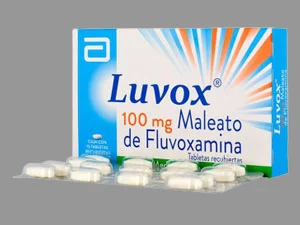
Generic Luvox 100 mg
Price range: $1,205.10 through $3,930.00
| Variation | Price | Quantity | Add To Cart |
|---|---|---|---|
| 300 pills | $3,930.00 |
|
Add to cart |
| 180 pills | $2,430.00 |
|
Add to cart |
| 240 pills | $3,168.00 |
|
Add to cart |
| 90 pills | $1,205.10 |
|
Add to cart |
Luvox 100 mg (Fluvoxamine): Prescription Information for OCD
Luvox 100 mg contains fluvoxamine, a selective serotonin reuptake inhibitor (SSRI). In the United States, immediate-release fluvoxamine tablets are FDA-approved for the treatment of obsessions and compulsions in obsessive-compulsive disorder (OCD). Fluvoxamine is sometimes discussed online in connection with anxiety or depression, but those descriptions should not be presented as U.S. FDA-approved uses of the immediate-release product. Off-label treatment decisions belong to a qualified prescriber.
The 100 mg tablet is not the usual labeled starting dose. Adults generally begin at 50 mg at bedtime, while pediatric patients ages 8–17 generally begin at 25 mg at bedtime under current labeling. The dose may be increased gradually based on response and tolerability. This page covers Luvox 100 mg uses, dosage context, side effects, interactions, prescription requirements, price comparisons, and safe ways to buy fluvoxamine 100 mg online from a licensed pharmacy.
Immediate-release Luvox 100 mg profile
| Active ingredient | Fluvoxamine maleate |
|---|---|
| Dosage form | Immediate-release oral tablet |
| Strength | 100 mg |
| Medication class | SSRI |
| FDA-approved use | OCD in adults and pediatric patients 8 years and older, under a prescription plan |
| Adult labeled starting dose | 50 mg at bedtime |
| Adult labeled maximum | 300 mg per day |
| Prescription status | Prescription only |
| Important distinction | Immediate-release 100 mg tablet is not the same as Luvox CR/fluvoxamine extended-release 100 mg capsule |
What OCD treatment is intended to change
OCD involves obsessions, compulsions, or both. Obsessions are intrusive and unwanted thoughts, images, or urges that cause distress. Compulsions are repeated behaviors or mental acts a person feels driven to perform, often to reduce distress or prevent a feared event. The cycle can consume substantial time and interfere with work, education, relationships, health, or basic routines.
Medication response should be assessed through time consumed, distress, avoidance, reassurance-seeking, ritual frequency, and function. Complete elimination of every intrusive thought is not a realistic product promise. Exposure and response prevention (ERP), a form of cognitive behavioral therapy, is a central evidence-based treatment and may be combined with medication.
Building an OCD baseline before 100 mg
Record several examples of the patient’s symptom pattern before or at the time the dose reaches 100 mg. Useful measures include minutes or hours spent on rituals, number of reassurance requests, situations avoided, delay in leaving home, skin damage from washing, checking repetitions, and interference with sleep, school, work, or family life. Also note insight and distress.
The record should not become another ritual. A clinician or ERP therapist can help choose brief, limited tracking. The purpose is to see whether the medication and therapy reduce interference, not to obtain perfect certainty about every symptom.
ERP and medication: complementary roles
ERP gradually helps a person face feared triggers while resisting compulsive responses. Fluvoxamine may reduce symptom intensity enough to support participation, but taking a tablet does not perform the behavioral learning. Conversely, using ERP does not mean medication is unnecessary for every patient.
The prescriber and therapist should know about important changes in symptoms, sleep, suicidality, and medication. If a dose change temporarily increases nausea or activation, therapy plans may need short-term coordination without turning avoidance into the permanent solution.
OCD can coexist with other conditions
Depression, tic disorders, ADHD, eating disorders, autism, trauma-related conditions, and substance use may coexist with OCD. Other repetitive behaviors or intrusive experiences can have different causes. A careful diagnosis influences medication choice, interaction risk, and therapy.
Do not add another psychiatric medicine obtained online because one symptom remains. Combination treatment can be appropriate, but fluvoxamine’s metabolic interactions make specialist and pharmacist review especially important.
Why 100 mg is a dose checkpoint, not a starting recommendation
Current labeling generally starts adults at 50 mg once daily at bedtime. The prescriber may increase in 50 mg increments every four to seven days as tolerated, up to a maximum of 300 mg per day. Total adult doses above 100 mg are generally divided, with the larger unequal dose taken at bedtime.
At exactly 100 mg per day, the prescription may still be once daily or part of a specific schedule. The label’s division guidance applies above 100 mg, but the patient must follow the printed directions. Do not assume that one 100 mg tablet should replace two 50 mg tablets or that a 100 mg tablet should be split for a different schedule without pharmacist confirmation.
Adults and pediatric patients require different titration
Pediatric patients ages 8–17 generally start at 25 mg at bedtime and are titrated in 25 mg increments every four to seven days as tolerated. Doses above 50 mg per day in pediatric patients are generally divided. The maximum for children up to age 11 is lower than the adult maximum, and age and sex differences may affect dosing.
A 100 mg prescription for a child or adolescent therefore needs clear specialist instructions and close monitoring. A product page must not invite caregivers to select this strength from age or symptom severity. Growth, weight, behavioral change, suicidality, sleep, and adverse effects should be reviewed.
How fluvoxamine works
Fluvoxamine inhibits serotonin reuptake, changing serotonin signaling in the central nervous system. The precise relationship between this effect and improvement in OCD is not fully described by the simple mechanism. Response develops over time and differs among patients.
Medication may reduce the intensity or “stickiness” of obsessions and make compulsions easier to resist, but learning to face triggers without rituals often requires structured ERP. The tablet does not erase thoughts or guarantee control.
How to take Luvox 100 mg
Take fluvoxamine exactly as prescribed. Immediate-release tablets can be taken with or without food. The schedule may place a single dose at bedtime or divide a larger total daily dose. Do not switch to morning, combine doses, or change from immediate release to extended release without instructions.
Swallow the tablet with water. Whether a specific generic tablet can be split depends on its design and the prescription. Ask the dispensing pharmacist. Do not crush an extended-release capsule or mistake it for the immediate-release tablet.
Missed dose
Take a missed dose when remembered unless it is near the next scheduled dose; then skip it. Do not double. If the prescription is divided, ask the pharmacist for precise missed-dose guidance because taking two close doses may increase adverse effects.
Frequent missed doses can produce discontinuation symptoms and make OCD appear unstable. Address nausea, sedation, cost, or forgetfulness directly with the care team.
How long might benefit take?
SSRIs do not work immediately, and OCD often requires an adequate trial over weeks at a clinician-selected dose. Some early changes may occur before a fuller response. Do not increase beyond 100 mg simply because compulsions persist after a few days.
Track a small number of measures: minutes or hours per day spent ritualizing, number of avoided situations, reassurance requests, distress during ERP, and ability to complete necessary tasks. A clinician may use a validated scale in addition to the patient’s experience.
Boxed warning: suicidal thoughts and behaviors
Antidepressants can increase suicidal thoughts and behaviors in pediatric and young adult patients in short-term studies. Monitor all patients for clinical worsening and unusual behavioral changes, particularly in the first months and during dose changes.
New self-harm thoughts, talk about death, severe agitation, aggression, marked insomnia, dangerous impulsivity, or abrupt mood change requires prompt clinical contact. If the patient may act on suicidal thoughts or cannot stay safe, use emergency services immediately.
Bipolar screening and mania risk
Before treatment, tell the prescriber about bipolar disorder, mania, hypomania, psychosis, and family history. Signs can include very high or irritable mood, markedly reduced need for sleep, racing thoughts, rapid speech, grandiosity, and risky behavior.
New activation is not necessarily OCD improvement. A sudden loss of sleep need, escalating energy, or reckless behavior needs prompt assessment.
Fluvoxamine has an unusually important interaction profile
Fluvoxamine inhibits several drug-metabolizing enzymes and can substantially raise exposure to other medicines. A complete interaction check is essential at the first prescription and every refill. Give the pharmacist exact medicine names, strengths, schedules, and recent stop dates.
Do not rely on a short consumer list. Some interactions require absolute avoidance, while others require lower doses, monitoring, or an alternative. Caffeine and tobacco changes can also matter because fluvoxamine affects caffeine metabolism and smoking influences certain enzyme pathways.
CYP1A2, CYP2C19, and broader metabolism questions
Fluvoxamine is a potent inhibitor of CYP1A2 and also inhibits other pathways, including CYP2C19. Medicines with a narrow therapeutic range or strong dependence on these pathways may require avoidance, dosage adjustment, or monitoring. Examples discussed in prescribing information and clinical interaction resources include theophylline, clozapine, certain benzodiazepines, propranolol, and warfarin-related monitoring concerns.
This does not mean every listed combination is forbidden, and it is not a complete list. It means “my other medicine has never caused a problem” is insufficient when fluvoxamine is added or increased. The prescriber may adjust the other medicine, select an alternative, or monitor clinical effects and laboratory values.
Theophylline and medicines with narrow safety margins
Fluvoxamine can reduce the clearance of theophylline and raise exposure. Theophylline toxicity can involve nausea, vomiting, tremor, insomnia, rapid heart rate, arrhythmia, or seizures. Anyone taking a theophylline product for respiratory disease should make sure both prescriber and pharmacist know before fluvoxamine is started or changed.
Do not independently lower either medicine. The responsible clinician can determine whether an alternative, dose change, or concentration monitoring is needed.
Clozapine and antipsychotic coordination
Fluvoxamine can increase clozapine concentrations, potentially magnifying sedation, seizures, low blood pressure, and other toxicity. Clozapine already requires specialized monitoring, so the treatment teams must coordinate. Changes in smoking can further complicate exposure.
A patient receiving clozapine should not start Luvox 100 mg through a disconnected service that cannot review psychiatric records and laboratory monitoring. Report excessive sleepiness, confusion, fainting, seizure, or other concerning change promptly.
Warfarin and clotting monitoring
Fluvoxamine may interact with warfarin, and SSRIs can independently increase bleeding risk. The anticoagulation clinician may need closer INR or clinical monitoring when fluvoxamine begins, stops, or changes. Report bruising, nosebleeds, blood in urine or stool, and prolonged bleeding.
Do not change warfarin dosing based on an online interaction checker. Anticoagulation adjustments require the clinician managing the therapy.
Contraindicated combinations
Immediate-release fluvoxamine labeling contraindicates coadministration with tizanidine, thioridazine, alosetron, and pimozide. MAOIs intended to treat psychiatric disorders are also contraindicated with fluvoxamine and within required washout periods. Serious reactions can include profound hypotension or sedation, dangerous heart-rhythm effects, severe gastrointestinal outcomes, or serotonin syndrome depending on the combination.
Some extended-release labeling also identifies ramelteon as contraindicated because fluvoxamine can greatly increase ramelteon exposure. Because product labels and formulations matter, tell the pharmacist if any sleep medicine contains ramelteon. Never combine based on the absence of a warning on a retail page.
Tizanidine interaction
Tizanidine is a muscle relaxant. Fluvoxamine can greatly increase its exposure, leading to excessive sedation and dangerous blood-pressure lowering. The combination is contraindicated. A patient who uses tizanidine occasionally must still report it.
Do not stagger doses by a few hours as a workaround. The interaction is metabolic and cannot be solved by simple clock separation.
Thioridazine and pimozide
These antipsychotic combinations are contraindicated because increased concentrations can contribute to QT prolongation, serious ventricular arrhythmias, and sudden death. Provide all antipsychotic names, since brand and generic names can obscure duplication.
Fainting, severe palpitations, or chest symptoms require prompt medical evaluation. Do not assume they are anxiety.
Alosetron interaction
Alosetron is contraindicated with fluvoxamine because exposure can increase significantly. Tell gastroenterology and pharmacy teams about both medicines. If a prescription is received from a separate clinician, pause and clarify before taking it.
MAOIs and serotonin syndrome
Strict separation is required between fluvoxamine and MAOIs used for psychiatric disorders. Linezolid and intravenous methylene blue also raise serious concern. A clinician must plan any transition.
Serotonin syndrome may cause agitation, confusion, fever, sweating, rapid or unstable vital signs, tremor, rigidity, overactive reflexes, poor coordination, nausea, vomiting, or diarrhea. Seek urgent care for a concerning cluster.
Other serotonergic medicines
Other antidepressants, tramadol, lithium, buspirone, triptan migraine medicines, certain opioids, amphetamine products, and St. John’s wort can increase serotonergic risk. A combination may sometimes be clinically managed, but it should never be initiated through self-selection.
Tell the pharmacist about dextromethorphan-containing cough products and supplements advertised for mood or sleep. Ingredient transparency matters.
Caffeine can feel stronger or last longer
Fluvoxamine can markedly slow caffeine metabolism. Coffee, tea, energy drinks, pre-workout products, chocolate, and some headache medicines may then produce more jitteriness, nausea, tremor, insomnia, or palpitations. A caffeine amount previously tolerated may become uncomfortable.
Discuss intake and consider clinician-guided reduction. Do not stop an extremely high caffeine intake abruptly without considering withdrawal headache and fatigue. Avoid using caffeine to counter fluvoxamine-related sleepiness.
Smoking changes and medication exposure
Starting or stopping smoking can alter metabolism of some medicines, and smoking status may be relevant to fluvoxamine management and interacting drugs. Tell the prescriber about cessation plans and nicotine products.
Smoking is not a method for adjusting medicine levels. A cessation plan can include medication review so doses and side effects are monitored appropriately.
Benzodiazepines and sedatives
Fluvoxamine can affect the clearance of certain benzodiazepines, potentially increasing sedation or psychomotor impairment. Alcohol, cannabis, antihistamines, and sleep medicines may add to impairment. Do not borrow an anti-anxiety tablet to manage early side effects.
Before driving or hazardous work, know how the prescribed combination affects alertness. Report falls, confusion, or excessive sleepiness.
Bleeding risk
SSRIs can increase bleeding risk, especially with aspirin, ibuprofen, naproxen, anticoagulants, and antiplatelet therapy. Mention bruising, ulcers, and regular pain-reliever use.
Black stools, bloody vomit, uncontrolled bleeding, or severe weakness needs urgent care. Do not independently stop a prescribed blood thinner.
Pregnancy and breastfeeding
Discuss pregnancy, conception plans, and breastfeeding before treatment. SSRI exposure late in pregnancy has been associated with newborn complications, while untreated OCD or other serious illness may also affect the patient and family. The decision is individualized.
Do not abruptly stop after a positive pregnancy test. Contact the prescriber for a supervised plan. Fluvoxamine can be present in human milk; the healthcare team should consider maternal treatment need, breastfeeding benefits, infant exposure, and observed effects.
Common Luvox side effects
Nausea, sleepiness, insomnia, nervousness, headache, dizziness, sweating, dry mouth, digestive changes, weakness, and sexual problems may occur. Children and adolescents can have a different adverse-effect pattern and require age-appropriate monitoring.
Call the prescriber when effects are severe, persistent, or interfere with food, hydration, school, work, driving, or adherence. Severe allergy, seizure, serotonin syndrome, fainting, or dangerous behavioral change requires urgent assessment.
Nausea and bedtime dosing
Nausea is a common reason patients struggle with early fluvoxamine treatment. Taking the medicine with food may help some people, although individual advice should come from the pharmacist or prescriber. Hydration matters, but persistent vomiting, inability to drink, weight loss, or signs of dehydration need clinical attention.
Bedtime initiation may reduce the disruption from sleepiness for some patients, but fluvoxamine can also cause insomnia. Do not move a divided schedule or combine doses at night without instructions. Excess sedation can reflect an interaction rather than a routine side effect.
Pediatric monitoring at and around 100 mg
For a child or adolescent, monitor suicidal thinking, behavioral activation, appetite, weight, growth, sleep, school function, and changes reported by caregivers or teachers. The prescribed dose should be reviewed by age, response, tolerability, and total daily schedule. Young children have a lower labeled maximum than adults.
Store the medicine securely and have one responsible adult manage dosing when appropriate. Do not describe a tablet as candy or a sleep aid. If custody is shared, both households should use the same current pharmacy label and written schedule.
Overdose and accidental extra tablets
Fluvoxamine overdose can be dangerous, especially with other medicines, alcohol, or sedatives. Possible effects include severe nausea or vomiting, marked sleepiness, low blood pressure, rapid or slow heart rate, seizures, coma, or serotonin syndrome. Do not wait for symptoms after a known extra dose or suspected ingestion.
In the United States, call Poison Help at 1-800-222-1222. Call 911 for collapse, seizure, breathing problems, or inability to awaken. Keep the bottle available so responders know the release form, strength, and possible quantity.
Before surgery, dentistry, or new pain treatment
Tell the procedural team about fluvoxamine because bleeding, sedation, anesthesia, and pain-medicine interactions may matter. Do not stop before a procedure unless the responsible clinician directs it. Abrupt discontinuation can create symptoms that complicate recovery.
Ask the pharmacist to review any new opioid, anti-nausea medicine, antibiotic, or sleep drug. A short course can still interact significantly.
Sexual dysfunction
SSRIs can reduce libido, impair erections, delay ejaculation, or delay/prevent orgasm. Discuss baseline function and changes directly. Sexual effects may be attributed incorrectly to OCD, depression, or relationship stress.
Do not stop suddenly or buy unverified enhancement products. The prescriber can review causes and management options.
Hyponatremia, falls, and older adults
Fluvoxamine can cause low sodium. Older adults, people taking diuretics, and volume-depleted patients may be at higher risk. Symptoms include headache, confusion, memory problems, weakness, and unsteadiness; severe cases may include seizure or coma.
Older adults and people with liver impairment can have reduced clearance and may require a modified starting dose and slower titration. A 100 mg prescription should be reviewed in that context.
Seizures and angle-closure glaucoma
Tell the prescriber about seizures, head injury, alcohol withdrawal, and medicines that lower seizure threshold. Report a seizure immediately. SSRIs may also trigger angle closure in susceptible patients with untreated narrow angles.
Sudden eye pain, halos, blurred vision, redness, headache, or nausea needs urgent eye care.
Stopping fluvoxamine
Discontinuation can cause dizziness, sensory disturbances, sleep changes, agitation, anxiety, nausea, sweating, headache, confusion, and emotional symptoms. Current labeling recommends gradual reduction rather than abrupt stopping when possible.
A taper is individualized. Do not take 100 mg every other day, split an extended-release capsule, or use leftover strengths without a plan.
Immediate release versus Luvox CR
A 100 mg immediate-release tablet is not the same as a 100 mg extended-release capsule. The formulations have different dosing instructions and cannot be switched solely because the milligram number matches. Online listings must state the dosage form clearly.
If insurance or stock requires a change, the prescriber should issue an appropriate prescription and the pharmacist should counsel the patient.
Brand Luvox versus generic fluvoxamine 100 mg
An FDA-approved generic must meet applicable quality and bioequivalence standards. Appearance, inactive ingredients, packaging, and price may differ. Check the pharmacy label and manufacturer if the tablet changes.
Do not identify medicine using color alone. Loose tablets or products without traceable manufacturer and pharmacy labeling should not be used.
Buying Luvox 100 mg online safely
Legitimate search phrases include “buy Luvox 100 mg online with prescription,” “fluvoxamine 100 mg price,” “generic Luvox refill,” and “licensed online pharmacy fluvoxamine.” A safe pharmacy requires a valid prescription, holds a verifiable license, provides an address and phone number, protects patient information, and offers pharmacist counseling.
A seller that skips interaction review is particularly dangerous for fluvoxamine. Avoid websites that sell without a prescription, merge immediate-release and CR products, guarantee OCD relief, or ship unlabeled tablets. Verify the pharmacy through the relevant regulatory database.
How to compare fluvoxamine 100 mg costs
Compare the same immediate-release product, strength, quantity, manufacturer status, and brand/generic category. Include shipping, consultation, membership, and dispensing charges. Insurance may prefer a generic or specific pharmacy.
Do not compare a 100 mg CR capsule price with a 100 mg immediate-release tablet price as though they are substitutes. Do not buy a larger strength to split without an authorized prescription plan.
Order and delivery checklist
- Prescription identifies fluvoxamine 100 mg and immediate-release tablet or CR capsule accurately.
- Dose schedule and total daily dose match the clinician’s instructions.
- All current medicines, supplements, caffeine intake, and smoking changes were reviewed.
- Pharmacy license and pharmacist access are verified.
- Package is sealed and labeled with patient, strength, directions, manufacturer, and pharmacy.
- Any difference in formulation, imprint, or schedule is resolved before use.
Transfer and refill continuity
When moving the prescription to another pharmacy, confirm the receiving pharmacy has the immediate-release 100 mg tablet and the complete dosing directions. A pharmacy transfer should not silently convert the prescription to a CR capsule. Ask whether the manufacturer will change and whether a different inactive ingredient affects a known allergy.
Begin refill coordination before the supply is low. Prior authorization, stock, and required appointments can cause delays. Do not ration by skipping days, halve an unconfirmed tablet, or purchase from an unlicensed seller to fill a gap.
Hot-weather delivery and storage
Store the product according to the manufacturer’s labeled conditions, protected from excess heat and moisture. If a parcel sits in extreme heat, arrives wet, or shows a broken seal, contact the dispensing pharmacy before use. Do not refrigerate or freeze unless the specific labeling instructs it.
Keep tablets in the original patient-labeled container and separate immediate-release from extended-release products. A shared bathroom cabinet may provide excessive moisture and easy child access.
Frequently asked questions
Is Luvox 100 mg a starting dose?
No. Immediate-release adult treatment generally starts at 50 mg at bedtime and pediatric treatment at 25 mg. The prescriber titrates as appropriate.
Is fluvoxamine approved for general anxiety?
The U.S. immediate-release labeling is for OCD. A clinician may make off-label decisions, but a retail page should not describe them as FDA-approved uses.
Should 100 mg be taken once or twice daily?
Follow the prescription. Labeling generally recommends dividing total adult daily doses above 100 mg. At 100 mg, the clinician may prescribe a specific schedule.
Can I drink coffee while taking Luvox?
Fluvoxamine can slow caffeine metabolism and make caffeine effects stronger or longer. Discuss intake and watch for tremor, insomnia, nausea, or palpitations.
Can I take tizanidine with Luvox?
No. The combination is contraindicated because fluvoxamine can greatly increase tizanidine exposure, causing severe sedation and low blood pressure.
Can Luvox be stopped suddenly?
It should generally be reduced gradually under prescriber guidance to lower discontinuation risk.
Can I buy Luvox 100 mg without a prescription?
No legitimate U.S. pharmacy should dispense prescription fluvoxamine without a valid prescription.
What if my order says “ER” or “CR”?
That indicates extended/controlled release, not the immediate-release tablet. Do not take it until the pharmacist confirms it matches the prescription.
Storage and disposal
Store in the original labeled container according to manufacturer instructions, protected from excess heat and moisture and secured from children and pets. Keep different strengths and release forms separate.
Use a take-back program for expired or unwanted medicine when available. Do not share or save it for a future self-directed restart.
Final patient summary
Luvox 100 mg can be one step in an individualized OCD plan, but it carries an interaction profile that demands careful medication reconciliation. The patient should know the exact release form, schedule, treatment goal, caffeine implications, prohibited combinations, warning signs, and next follow-up before ordering.
Price and convenience are useful only when the prescription is dispensed by a licensed pharmacy that checks interactions and provides pharmacist access. Never use a no-prescription seller for fluvoxamine.
At every refill, update the pharmacy about new medicines, a smoking change, caffeine use, pregnancy, procedures, or adverse effects. Reconfirm that the label says immediate release if that is what the prescriber ordered. Keep ERP or other recommended therapy in the treatment plan, and measure progress through reduced OCD interference and better function rather than the tablet strength alone. If 100 mg is not helping after an adequate clinician-supervised trial, arrange a review instead of escalating through online self-selection.
Bring the current bottle to appointments so the clinician can verify manufacturer, release form, total daily dose, and dosing schedule. This is especially useful when more than one fluvoxamine strength is used.
Keep a separate list of contraindicated or high-risk interacting medicines with the medication record, but still request a complete pharmacist check. Lists become outdated, and brand names can hide active ingredients. Tizanidine, thioridazine, pimozide, alosetron, MAOIs, and relevant sleep medicines should never be overlooked.
Official references
| Select Variation |
300 pills ,180 pills ,240 pills ,90 pills |
|---|