

Why Does My Oxycodone Work Better at Night? Here’s the Science Behind It

Oxycodone often feels stronger at night due to natural drops in cortisol, rising melatonin, reduced physical activity, and lower stress, all of which shift how the body perceives and responds to pain relief.

How to Talk to Family About Taking Oxycodone: A Practical Guide
A practical guide to having honest, effective conversations with family members about taking oxycodone, covering how to explain the prescription, address safety concerns, handle pushback, and keep communication open over time.

Oxycodone Medication Review Checklist: What to Cover at Every Check-In
A practical, complete oxycodone medication review checklist covering pain control, side effects, interactions, tolerance, home safety, and how to prepare for every follow-up appointment.

Oxycodone Follow-Up Visit Questions: A Complete Guide for Patients
A complete guide to what happens during oxycodone follow-up visits, including the questions your doctor will ask, what to ask in return, and how to prepare for a productive appointment.

Why Does Oxycodone Work Better Some Days? The Hidden Factors Behind Pain Relief
Oxycodone's effectiveness can vary from day to day due to factors like sleep, stress, hormones, hydration, and inflammation, and understanding these hidden influences can help patients achieve more consistent pain relief.

Can Stress Affect Oxycodone Effectiveness? What Patients Should Know
Stress can make oxycodone feel less effective by amplifying pain signals, altering receptor sensitivity, and disrupting sleep, but simple lifestyle changes can help restore consistent relief.

Why Does Oxycodone Stop Working Suddenly? Causes, Signs, and Solutions
Oxycodone that suddenly seems less effective is rarely random; tolerance, disease progression, drug interactions, storage issues, and missed doses are the most common culprits, and this article explains how to identify the cause and respond safely.

How Pain Severity Affects Oxycodone Treatment
Pain severity is the central factor guiding how oxycodone is dosed, adjusted, and eventually tapered, and understanding this relationship helps patients get safer, more effective relief throughout treatment.

Understanding Breakthrough Pain and Oxycodone: A Complete Guide
Breakthrough pain can strike suddenly even when baseline pain is controlled, and oxycodone is often used as a fast-acting rescue medication to manage it. This guide explains the types of breakthrough pain, safe dosing strategies, warning signs, and how to work with your doctor for better relief.

Understanding Pain Scales Before Taking Oxycodone: A Patient’s Guide
Learn how pain scales work, why they matter before starting oxycodone, and how to rate your pain accurately so your treatment plan actually fits your needs.
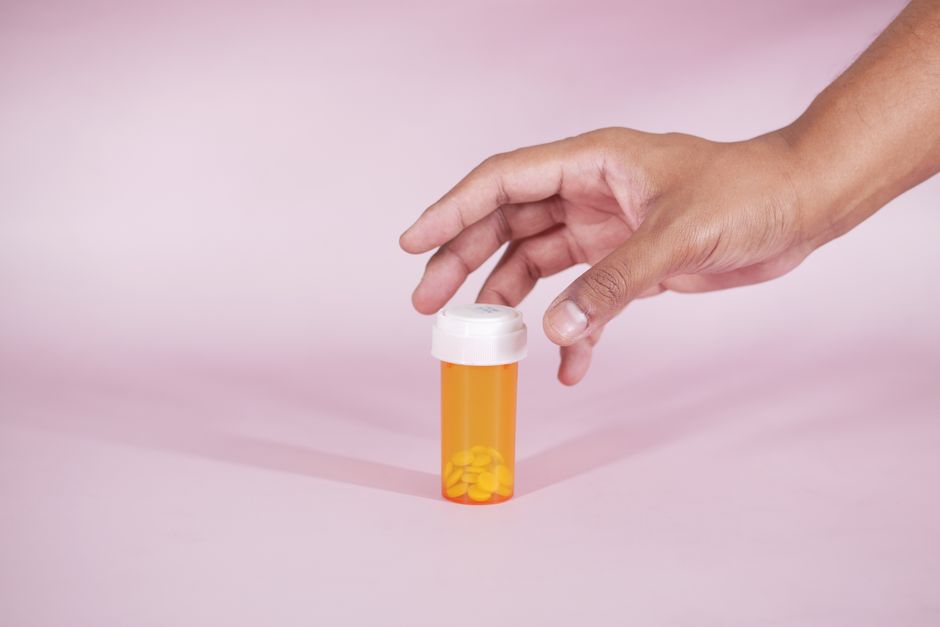
Why Isn’t My Oxycodone Working Anymore? Common Causes and What to Do
If oxycodone suddenly seems less effective, the cause could range from tolerance and drug interactions to a changed condition, genetics, or even how the medication is stored, and understanding why is the first step toward finding relief again.

Understanding Breakthrough Pain: Causes, Types, and Management Strategies
Breakthrough pain is a sudden spike in pain that cuts through an otherwise stable pain management plan; this guide explains its causes, types, and the most effective treatment strategies.