
Health Tips
The Science Behind Oxycodone: How It Works, From Molecule to Pain Relief

The science behind oxycodone is easier to follow if you picture a single tablet and trace where it goes. Doctors prescribe this medicine for severe pain, yet few patients are told how does oxycodone work once it leaves the bottle. This guide follows the dose step by step, from the plant chemical it starts as, through the bloodstream and into the brain, down to the protein switches on nerve cells that it flips. Along the way you will see why it relieves pain, why it slows your gut and your breathing, and why the body changes when the drug is used for weeks or months.
Station 1: The Molecule (Where the Science Behind Oxycodone Begins)
Our dose begins in a field of opium poppies. The sap of the poppy contains several natural alkaloids, the best known being morphine and codeine. A less famous one, thebaine, relieves almost no pain on its own, but chemists found it a useful starting block.
In Germany, around 1916, two chemists at the University of Frankfurt, Martin Freund and Edmund Speyer, converted thebaine into a new compound. Their work was published in 1917. Because it starts as a natural plant molecule and is then changed in the lab, oxycodone is called a semi-synthetic opioid. Hydrocodone and oxymorphone share this category, while fully synthetic opioids such as fentanyl are built from scratch.
Oxycodone chemistry in plain language
Think of the core opioid structure as a rigid, five-ring frame, like a key with fixed notches. Morphine, codeine, thebaine, and oxycodone all share this frame. What makes each one different is the small groups of atoms attached at certain points. Oxycodone carries a methoxy group (an oxygen bonded to a small carbon unit) in the spot where morphine has a hydroxyl group, a ketone (a carbon double-bonded to oxygen) where morphine has another hydroxyl, and an extra hydroxyl group at a position called carbon 14. Those tweaks change how well it survives the liver and how it fits its receptor.
| Fact | Oxycodone |
|---|---|
| Drug class | Opioid agonist (opioid analgesic) |
| Origin | Semi-synthetic; made from thebaine, an opium poppy alkaloid |
| U.S. legal status | Schedule II controlled substance (accepted medical use, high potential for misuse) |
| First made | Germany, about 1916 (published 1917) |
| Chemical relatives | Morphine, codeine, hydrocodone, oxymorphone |
| Common forms | Immediate-release tablets, capsules and liquid; extended-release tablets; combinations with acetaminophen |
Station 2: Into the Bloodstream
Once swallowed, the tablet breaks apart in the stomach and the drug is absorbed mainly through the wall of the small intestine. From there, blood carries it straight to the liver before it reaches the rest of the body. This is the “first-pass” checkpoint, where the liver removes a share of many drugs before they can work.
Oxycodone gets through that checkpoint unusually well. According to the FDA prescribing information for OxyContin, the oral bioavailability of oxycodone is about 60% to 87%. In everyday terms, most of what you swallow actually reaches your circulation. Oral morphine, by comparison, loses a much larger share in the liver, which is one reason the two drugs are not dosed the same way. When converting between them, prescribing references treat oral oxycodone as roughly 1.5 to 2 times as strong as oral morphine, milligram for milligram. Our full comparison of oxycodone vs morphine potency, uses, and side effects covers that topic in depth.
What happens to the drug after it has done its job (the liver enzymes that break it down, the compounds it turns into, and how the kidneys clear it) is a big subject of its own. We explain it step by step in how oxycodone is metabolized in the body, and our guide to how long oxycodone stays in your system covers detection windows. Because those same liver enzymes can be blocked or sped up by other medicines, it is also worth reading about oxycodone drug interactions you should know.
Station 3: Crossing Into the Brain
Blood vessels in the brain are lined with cells packed so tightly together that most substances cannot slip between them. This lining, the blood-brain barrier, works like a security gate. To get through, a drug generally needs to be small and able to pass through fatty cell membranes, or it needs a carrier protein to escort it.
Oxycodone is small and reasonably fat-soluble, so it moves into the brain without much trouble. Animal research suggests a transporter protein may also actively carry it across. This is one of many reasons two people can respond differently to the same prescription, a topic explored further in genetics and oxycodone response.
Station 4: The Lock and Key
Your body makes its own opioid-like chemicals, such as endorphins, that dull pain during injury or stress. To respond to them, nerve cells carry specialized docking sites on their surface called opioid receptors. Oxycodone works because its shape fits these docking sites closely enough to switch them on. In pharmacology, a drug that fits a receptor and turns it on is called an agonist.
Opioid receptors belong to a large family known as G-protein coupled receptors. Picture a doorbell mounted on the outside of a house: the button (the receptor) is pressed from outside, but the chime (the G-protein) rings inside. The drug never enters the cell; it presses the button, and machinery inside the cell responds.
There are three main types of opioid receptor. The FDA label describes oxycodone as a full agonist that is relatively selective for the mu opioid receptor, though it can bind to other types at higher doses. Reviews such as the NIH StatPearls overview of oxycodone note some activity at kappa and delta receptors too, with the mu type doing most of the work.
| Receptor | Where it is found | What switching it on does | Oxycodone’s attraction to it |
|---|---|---|---|
| Mu (MOR) | Spinal cord, brainstem, thalamus, reward areas of the brain, gut wall | Strong pain relief, euphoria, slowed breathing, constipation, small pupils, physical dependence | Strong; this is its main target |
| Kappa (KOR) | Spinal cord, brain areas linked to mood and stress, gut | Some pain relief, sedation; can cause unease or low mood rather than euphoria | Weak; may contribute modestly, especially at higher doses |
| Delta (DOR) | Brain regions tied to emotion and smell, spinal cord, gut | Mild pain relief, possible mood effects | Weak; minor role at usual doses |
How tightly a molecule clings to a receptor is called its affinity. Oxycodone actually binds the mu receptor somewhat less tightly than morphine in laboratory tests, yet it is stronger by mouth. That apparent paradox is explained by the better bioavailability and brain entry described in Stations 2 and 3. More medicine arrives at the right place.
Station 5: Turning Down the Pain Signal
To see where oxycodone steps in, it helps to know how pain travels. Specialized sensory nerve endings in your skin, muscles, and organs, called nociceptors, detect damage such as a cut, heat, or inflammation. They fire electrical signals along nerve fibers into the spinal cord, landing in a zone called the dorsal horn. There, the message is handed off to a second nerve cell that carries it up to the brainstem and the thalamus, a relay hub that forwards it to areas that register where it hurts and to emotional areas that decide how much it bothers you.
Oxycodone acts at several points on that route at once: at the hand-off in the spinal cord, in the brainstem circuits that naturally turn pain down, and in the brain areas that attach suffering to the sensation. That is the core of how opioids block pain. When oxycodone presses the mu receptor “doorbell,” a chain of events follows inside the nerve cell:
- The receptor changes shape. Binding of oxycodone twists the receptor slightly, which activates an inhibitory G-protein (known as Gi/o) attached to its inner side.
- The G-protein splits into two working parts. These pieces drift along the inside of the cell membrane and act on different targets.
- An internal messenger drops. One part slows an enzyme called adenylyl cyclase, lowering levels of cyclic AMP (cAMP), a signal molecule that normally keeps nerve cells revved up.
- Potassium channels open. Potassium flows out of the cell, leaving its inside more negatively charged. This is called hyperpolarization, and it makes the cell harder to fire, like pulling a bowstring less taut.
- Calcium channels close. At the nerve ending, calcium is the trigger that releases chemical messengers. With less calcium entering, the pain-carrying nerve releases less glutamate and substance P onto the next cell.
- The message weakens. The next nerve cell in the chain receives fewer signals and is itself less excitable, so a smaller, quieter pain message reaches the brain.
- The brain’s own brakes engage. In the brainstem, oxycodone calms cells that normally hold back the body’s descending pain-control system, so that system can do more to suppress incoming pain.
Taken together, this is the oxycodone mechanism of action and the heart of the science behind oxycodone. It does not fix the injury or reduce inflammation. Instead, it turns down the volume on the alarm. Many people notice the pain but feel less bothered by it, reflecting the drug’s effect on emotional brain areas.
The immediate-release form usually starts working within about 10 to 30 minutes, according to StatPearls, while the FDA label for the extended-release tablet reports onset within about an hour in most patients, with peak blood levels arriving a few hours after a dose.
Station 6: Effects You Didn’t Ask For
Mu receptors also sit on cells that control breathing, digestion, pupil size, alertness, and reward. Oxycodone switches on every mu receptor it reaches, so each side effect maps to a specific body location.
| Side effect | Where it happens | Why it happens |
|---|---|---|
| Slowed or shallow breathing (respiratory depression) | Breathing control centers in the brainstem (medulla and pons) | These cells become less sensitive to rising carbon dioxide, the body’s main cue to take a breath, so breathing slows and becomes shallower |
| Constipation | Enteric nervous system in the gut wall | Quieted gut nerves reduce the wave-like muscle contractions that move food along and cut fluid secretion, so stool moves slowly and dries out |
| Nausea and vomiting | Chemoreceptor trigger zone in the brainstem; inner ear balance system; stomach | The trigger zone is stimulated directly, the balance system becomes more sensitive to motion, and slowed stomach emptying adds to queasiness |
| Small “pinpoint” pupils | Edinger-Westphal nucleus in the midbrain | Opioids increase signals in the nerve pathway that tightens the pupil muscle |
| Drowsiness, slowed thinking | Brainstem arousal systems and the cortex | Reduced nerve firing in wakefulness circuits |
| Itching or flushing | Skin mast cells; itch pathways in the spinal cord | Some histamine release from skin cells, plus direct effects on itch-signaling nerves |
| Euphoria | Reward circuit (ventral tegmental area and nucleus accumbens) | Opioids lift the brakes on dopamine-releasing cells, creating a sense of pleasure or well-being |
Why oxycodone causes respiratory depression
Breathing is the side effect that matters most. The brainstem tracks carbon dioxide in the blood and triggers each breath automatically. Mu receptors are dense in these breathing centers. When oxycodone dampens them, the alarm for “time to breathe” needs a higher carbon dioxide level before it sounds. At high doses, or when combined with alcohol, benzodiazepines, or other sedating drugs, breathing can slow to a dangerous degree. This is how opioid overdoses kill.
Why oxycodone causes constipation
Your gut has its own network of nerves, sometimes called the “second brain,” and it is loaded with mu receptors. Unlike many side effects, constipation tends not to fade with continued use, because the gut adapts to opioids much more slowly than the brain does. For practical tips, see oxycodone and constipation. Related side effects have their own guides too: why you may feel nauseous after oxycodone, why oxycodone makes your pupils small, itching without a rash, and how oxycodone affects sleep.
Station 7: When the Brain Adapts
Nerve cells do not sit still. When a receptor is switched on over and over, the cell adjusts to bring itself back toward its normal state. These adjustments explain four separate effects that are often lumped together, and this part of the science behind oxycodone helps families discuss them without stigma.
Tolerance: the same dose does less
With repeated exposure, mu receptors become less responsive. Enzymes tag activated receptors with phosphate groups, and a protein called beta-arrestin then binds to them, uncoupling them from their G-protein. Some receptors are pulled inside the cell, so fewer remain on the surface. This is known as receptor desensitization and internalization. Tolerance to pain relief and euphoria tends to build faster than tolerance to constipation and small pupils. Importantly, tolerance to breathing suppression can be lost quickly after a break from opioids, which is a major overdose risk. The opioid tolerance science and what to do about it are explained in oxycodone tolerance explained.
Physical dependence: the body expects the drug
Remember that oxycodone pushes cAMP levels down. Over time, cells compensate by building more of the enzyme that makes cAMP, so levels return toward normal while the drug is present. If the drug is stopped suddenly, that extra machinery is left running with nothing to hold it back, and nerve activity rebounds. The result is withdrawal: aching, sweating, yawning, runny nose, diarrhea, goosebumps, restlessness, and anxiety. A brainstem area called the locus coeruleus, which drives alertness, is a key source of these symptoms. Physical dependence is an expected biological response to regular opioid use. It can happen to anyone taking the drug as prescribed and is not the same as addiction. It is why prescribers taper the dose gradually rather than stopping abruptly.
Addiction: changes in the reward and control circuits
Addiction, called opioid use disorder in medical terms, is a brain condition marked by compulsive use despite harm, cravings, and loss of control. Here the key player is dopamine. Normally, cells in the midbrain that release dopamine are held in check by other nerve cells that act like brakes. Opioids quiet those brake cells, so dopamine surges into the nucleus accumbens, the brain’s “that was worth repeating” signal. With repeated surges, the reward system recalibrates, everyday pleasures feel flatter, stress systems become more active, and the prefrontal cortex, which handles planning and self-control, has less influence. The National Institute on Drug Abuse describes opioid use disorder as a treatable medical condition, and effective medications exist.
Opioid-induced hyperalgesia: when pain gets louder
In a smaller number of people, long-term opioid use can make the nervous system more sensitive to pain, not less. This is called opioid-induced hyperalgesia. Scientists think it involves increased activity of NMDA glutamate receptors in the spinal cord, immune cells in the nervous system called glia releasing inflammatory signals, and enhanced descending signals that boost rather than block pain. It can look like tolerance, but raising the dose tends to make it worse, so it needs careful evaluation by a clinician. Individual differences in all these responses are discussed in why some people need less medication.
Station 8: The Off Switch
The final station on the route is the one that can save a life. Naloxone is a medicine that fits the mu receptor even more tightly than oxycodone does, but it does not switch the receptor on. In pharmacology this makes it a competitive antagonist. Imagine someone else’s key jammed in your lock: it pushes the original key out and blocks it from going back in, but it does not open the door. By pushing oxycodone off the receptors in the brainstem breathing centers, naloxone allows breathing to restart.
According to the CDC’s naloxone guidance, naloxone can restore normal breathing within two to three minutes, comes as a nasal spray or injection, and is available without a prescription in all 50 states. It will not harm someone who has not taken opioids. One scientific catch matters: naloxone often wears off sooner than oxycodone, especially extended-release forms. As naloxone leaves the receptors, any oxycodone still circulating can bind again and breathing can slow once more. That is why emergency care is still needed after giving it, and a second dose may be required.
Recognizing an opioid overdose
- Very small, pinpoint pupils
- Unresponsive or cannot be woken, even with a loud voice or firm rub on the breastbone
- Slow, shallow, or stopped breathing; gurgling or snoring sounds
- Blue or grayish lips and fingertips; cold, clammy skin
- Limp body
If you see these signs, call 911, give naloxone if you have it, try to keep the person breathing, and stay with them until help arrives. Anyone who lives with someone taking opioids, or who takes higher doses themselves, should ask a pharmacist about keeping naloxone at home and should know where it is stored.
Engineering the Pill: IR, ER, and Abuse-Deterrent Design
Formulation science controls how fast the drug leaves the tablet and enters the blood.
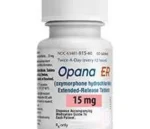
Immediate-release (IR) tablets dissolve quickly, so blood levels rise fast and fall within a few hours. These are typically used for short-term or breakthrough pain. Extended-release (ER) tablets embed the drug in a polymer matrix that releases it slowly, so one tablet supplies medicine for about 12 hours. That steadier level suits long-lasting pain that needs round-the-clock treatment, but it also means each ER tablet holds a large amount of drug. Our guide to oxycodone IR vs ER compares the two in detail.
That concentrated dose is why abuse-deterrent formulations were developed. If an ER tablet is damaged, its full contents could be released at once, which can be deadly. In 2010, the FDA approved a reformulated version of OxyContin, and in 2013 the agency approved label language describing its abuse-deterrent properties. The FDA label explains that the newer tablet is harder to crush, break, or dissolve, and that in water it forms a thick gel. The FDA’s abuse-deterrent opioid analgesics page describes how these products target expected routes of misuse.
Abuse-deterrent does not mean abuse-proof or addiction-proof; swallowing too many tablets still carries full overdose risk. ER tablets should always be swallowed whole exactly as directed.
Science Myths About Oxycodone
- Myth: Oxycodone is safer than morphine because it is “synthetic.” Fact: It is semi-synthetic, acts on the same mu receptors, and carries the same core risks, including overdose and addiction.
- Myth: Needing a higher dose means you are addicted. Fact: Tolerance is a receptor-level adaptation. Addiction is a separate condition involving compulsive use and reward-circuit changes.
- Myth: Withdrawal symptoms prove addiction. Fact: Physical dependence and withdrawal can occur in anyone who takes opioids regularly, even exactly as prescribed.
- Myth: Abuse-deterrent tablets cannot cause an overdose. Fact: Swallowing more than prescribed can still cause fatal breathing suppression.
- Myth: Naloxone is only for people who use illegal drugs. Fact: The CDC recommends it for people on higher-dose prescription opioids and their households as well.
- Myth: Constipation will go away on its own like other side effects. Fact: The gut builds little tolerance, so constipation usually persists and is best managed with a plan from your care team.
Frequently Asked Questions
How does oxycodone work in simple terms?
It attaches to mu opioid receptors on nerve cells in the spinal cord and brain. That makes those cells less excitable and less able to release the chemicals that pass pain messages along, so the brain receives a weaker pain signal and reacts to it less strongly.
Is oxycodone natural or synthetic?
Neither entirely. It is semi-synthetic: chemists start with thebaine, a natural alkaloid from the opium poppy, and modify it in the laboratory.
Why is oxycodone stronger than morphine when taken by mouth?
Mostly because more of it survives the first pass through the liver. Its oral bioavailability is roughly 60% to 87%, much higher than oral morphine, and it enters the brain efficiently. In the lab it does not bind the receptor more tightly than morphine does.
Does everyone who takes oxycodone become addicted?
No. Most people who take it short-term for a clear medical reason do not develop addiction, though the risk rises with higher doses, longer use, and a personal or family history of substance use. Tolerance and physical dependence are far more common and are different from addiction.
Why is mixing oxycodone with alcohol or sleep medicine dangerous?
Alcohol, benzodiazepines, and many sleep aids also depress the brainstem through different receptors. Their effects on breathing stack on top of oxycodone’s, which sharply raises the chance of slowed or stopped breathing.
Can naloxone reverse every overdose?
Naloxone reverses the effects of opioids only. It will not undo alcohol or sedative overdoses, though it is harmless to try when the cause is unclear. Because it can wear off before the opioid does, the person still needs emergency medical care.
The Bottom Line
The science behind oxycodone comes down to this: its benefits and risks come from one action in many places. The same receptor switch that quiets pain in the spinal cord also slows breathing in the brainstem, stalls the gut, shrinks the pupils, and lights up the reward circuit. Knowing the science behind oxycodone will not replace a conversation with your prescriber, but it can help you ask better questions, spot warning signs early, and use this medicine as safely as possible. For reliable patient information, MedlinePlus has a plain-language oxycodone drug guide.