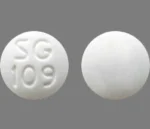

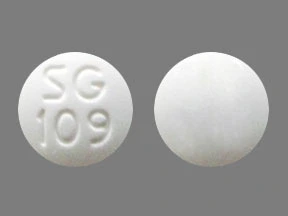
Generic Carisoprodol 350 mg
Price range: $399.00 through $649.00
| Variation | Price | Quantity | Add To Cart |
|---|---|---|---|
| 300 pills | $649.00 |
|
Add to cart |
| 240 pills | $579.00 |
|
Add to cart |
| 180 pills | $499.00 |
|
Add to cart |
| 90 pills | $399.00 |
|
Add to cart |
Carisoprodol 350 mg: A Higher-Strength Option for a Short Treatment Window
Carisoprodol 350 mg is a prescription muscle relaxant used in adults for relief of discomfort associated with acute, painful musculoskeletal conditions. It is intended to be used with rest, physical therapy and other recovery measures selected by the clinician. It is not a general solution for every type of pain, and it is not designed for continuous treatment of chronic back pain, nerve pain, arthritis or recurring muscle tension.
Current U.S. labeling limits carisoprodol treatment to a maximum of two or three weeks. Acute musculoskeletal conditions are generally short-lived, and adequate evidence of effectiveness for longer use has not been established. Longer exposure also increases concern about sedation, accidents, misuse, dependence and withdrawal.
The 350 mg tablet is the higher of the two commonly labeled strengths. A stronger tablet is not automatically more effective for an individual, and it may cause more impairment. The prescription should explain why 350 mg was selected, how often it is taken and the exact stop date. This page provides patient-safety and lawful ordering information; it is not a personal dose recommendation.
Confirm These Five Points Before the First Dose
| Question | Why the answer matters |
|---|---|
| Is the diagnosis acute and musculoskeletal? | Carisoprodol is not a diagnosis-neutral painkiller or a treatment for every chronic pain syndrome. |
| Why was 350 mg selected? | Both 250 mg and 350 mg are labeled; benefit must be balanced against sedation and individual risk. |
| Are opioids, benzodiazepines, alcohol or sleep medicines involved? | Additive central nervous system depression can cause profound impairment, slowed breathing, coma or death. |
| Is there a substance-use or dependence history? | Carisoprodol and its metabolite meprobamate can be misused and can produce dependence. |
| What is the final treatment date? | Routine use should be measured in days or a few weeks, not repeated open-ended refills. |
What Counts as an Acute Painful Musculoskeletal Condition?
An acute musculoskeletal condition may follow a strain, sprain or other recent injury involving muscles and nearby tissues. Symptoms can include pain, spasm, guarded movement and difficulty performing usual activity. The clinician should still look for fractures, neurological injury, infection, organ-related pain or another cause that will not improve with a muscle relaxant.
Back or neck pain accompanied by new weakness, loss of bladder or bowel control, numbness around the groin, fever, unexplained weight loss, major trauma, chest pain or severe abdominal symptoms requires prompt evaluation. A sedating medicine can mask how rapidly a serious condition is changing.
Recurring pain after the short course ends is not automatically the same condition. A fresh episode may need a new examination, different imaging or rehabilitation. Do not restart leftover 350 mg tablets based only on similarity of symptoms.
How Carisoprodol Works
Carisoprodol acts within the central nervous system and interrupts communication involved in pain perception and muscle activity, although its precise mechanism for relieving acute musculoskeletal discomfort is not fully defined. It does not directly “repair” a torn muscle or realign the spine.
The body converts part of carisoprodol to meprobamate, a compound with sedative and anxiolytic properties and a longer half-life. This metabolite contributes to drowsiness, impairment, dependence and withdrawal concerns. Differences in CYP2C19 metabolism can change the balance of carisoprodol and meprobamate exposure among patients.
Relief should be measured by safer movement, sleep and participation in recovery—not by how strongly sedated a person feels. Heavy sedation without functional improvement is not a desirable treatment outcome.
Carisoprodol 350 mg vs 250 mg
Both 250 mg and 350 mg tablets are labeled options. In clinical trial information included with the branded product, both strengths improved outcomes in acute low-back pain, while drowsiness was reported more often in the 350 mg group than in the 250 mg group. Group results do not tell one person which strength is correct, but they challenge the assumption that “higher” always means “better.”
The prescriber may consider age, body size, liver and kidney function, other sedatives, work duties, prior response and misuse risk. Do not switch to 250 mg because the 350 mg tablet feels too strong without contacting the prescriber, and do not increase to 350 mg because 250 mg seems weak. Tablet strength and number of daily doses must be changed through a new instruction.
Never combine strengths, split an unscored tablet or use another person’s supply. Generic tablets can differ in appearance, so strength must be confirmed from the pharmacy label and imprint rather than color alone.
Understanding the Labeled Dosing Range
Current U.S. labeling describes 250 mg to 350 mg three times daily and at bedtime, with a maximum recommended duration of two or three weeks. That sentence explains the approved range; it is not a universal direction to take four doses per day. Follow the exact prescription, which may account for individual risk.
Do not take an extra dose because pain increases before the next scheduled time. Do not combine several missed tablets or move doses closer together. If the directions are unclear, pause and ask the dispensing pharmacist.
A written stop date is as important as a start date. If the label shows recurring refills or a quantity that seems inconsistent with a short course, ask the prescriber and pharmacy to confirm the plan before payment or use.
The First-Dose Safety Plan
- Choose a safe time. Do not take the first dose before driving, climbing, operating equipment or supervising a hazardous task.
- Remove alcohol. Alcohol can magnify sedation and breathing risk.
- Review every medicine. Opioids, benzodiazepines, sleep aids, sedating antihistamines, antipsychotics and some antidepressants may add impairment.
- Tell another responsible adult when appropriate. Patients at higher risk can ask someone to watch for excessive sleepiness, confusion or breathing changes.
- Assess function. Record whether movement improves and whether dizziness, poor balance or slowed thinking occurs.
- Secure the bottle. Carisoprodol is controlled and should not be accessible to children or other adults.
Sedation, Driving and Workplace Injury
Drowsiness, dizziness and slowed reactions are among the most important practical risks. Carisoprodol has been associated with motor-vehicle accidents. A patient may underestimate impairment, particularly when the sedative effect is mistaken for relaxation.
Do not drive, operate machinery, work at height, use power tools or perform safety-sensitive duties until the response is known—and avoid them entirely whenever drowsy, dizzy, confused or poorly coordinated. Employers should not interpret a prescription as proof that hazardous work is safe.
Taking the bedtime dose does not guarantee normal alertness at an early morning shift. Meprobamate can persist. If next-day impairment occurs, arrange alternative transportation and contact the prescriber.
Opioids, Benzodiazepines and the “Triple-Depressant” Risk
Carisoprodol, opioids and benzodiazepines all depress the central nervous system. Combining them can produce extreme sleepiness, poor coordination, slowed or stopped breathing, coma and death. The combination of an opioid, a benzodiazepine and carisoprodol is sometimes associated with nonmedical use and is particularly dangerous.
Examples include oxycodone, hydrocodone, morphine, fentanyl, methadone or tramadol combined with alprazolam, clonazepam, diazepam, lorazepam or another sedative. Brand names and combination products can hide these ingredients. A pharmacist should check the complete list.
Do not assume the combination is safe because different clinicians wrote the prescriptions. Each clinician needs to know the full regimen. If concurrent use is judged necessary, the plan should use the lowest appropriate exposure, shortest duration and clear monitoring. Emergency signs include slow or shallow breathing, blue or gray lips, inability to awaken, collapse or profound confusion.
Alcohol, Cannabis and Over-the-Counter Sedatives
Alcohol should be avoided during treatment. Spacing alcohol and carisoprodol by a few hours does not reliably remove overlap. Cannabis can increase dizziness, sedation and poor judgment and should be discussed honestly with the clinician.
Nighttime cold and allergy products may contain sedating antihistamines. Sleep supplements, cough syrups and combination pain products can also add central nervous system effects. Bring the actual labels to the pharmacist; describing a product as “natural” or “over the counter” is not enough.
Do not use caffeine, energy drinks or a stimulant to counter drowsiness. Feeling more awake does not necessarily restore coordination or reaction time, and the stimulant may add heart or anxiety symptoms.
CYP2C19 Interactions
Carisoprodol is metabolized by CYP2C19 to meprobamate. CYP2C19 inhibitors such as omeprazole or fluvoxamine can change exposure, while inducers such as rifampin or St. John’s wort may shift levels in the other direction. Genetic differences in metabolism can also affect the relative amount of parent drug and metabolite.
The clinical significance varies, which is why a pharmacist review is more useful than a patient trying to “balance” the interaction by changing the dose. Include acid-reducing medicine, antidepressants, antibiotics and herbal products in the review.
Whenever a medicine is started or stopped during the two- or three-week course, recheck interactions. A short duration does not make interactions unimportant.
Who Should Not Use Carisoprodol?
Carisoprodol is contraindicated in people with acute intermittent porphyria or a hypersensitivity reaction to carisoprodol, meprobamate or a related carbamate. A previous severe reaction should be clearly documented in pharmacy and medical records.
Some conditions are precautions rather than absolute contraindications. Tell the prescriber about seizure history, liver or kidney impairment, breathing disease, repeated falls, psychiatric symptoms, pregnancy, breastfeeding and any history of alcohol, opioid, benzodiazepine or other drug misuse.
Safety and effectiveness have not been established for patients younger than 16. Data are limited in people over 65, who may be more vulnerable to sedation, falls and interactions. A safer alternative may be preferred.
Substance-Use History and Prescription Boundaries
Carisoprodol is a Schedule IV controlled substance in the United States. Misuse can involve taking higher or more frequent doses, combining it with depressants, using it for relaxation rather than acute pain, obtaining supplies from multiple sources or continuing after the injury has improved.
A history of substance use does not remove a patient’s right to pain care, but it changes the safest treatment plan. The clinician may choose another medicine, dispense a smaller quantity, schedule closer follow-up or include recovery support.
Be accurate about actual use. If more tablets were taken than prescribed, the stopping plan may need to change. Hiding use can increase withdrawal and overdose risk.
Dependence, Tolerance and Withdrawal
Dependence can develop, particularly with prolonged, high-dose or nonmedical use. Tolerance may reduce the perceived effect and lead to escalating doses. The active metabolite meprobamate contributes to these concerns.
Stopping suddenly after extended or excessive use can cause insomnia, vomiting, abdominal cramps, headache, tremor, muscle twitching, anxiety, poor coordination, hallucinations or psychosis. Severe reactions require medical care. A clinician may use a gradual reduction based on actual dose and duration.
A patient who used carisoprodol only for the prescribed brief course may have a simpler stopping plan, but should still follow the label. Do not save tablets “in case withdrawal starts” or restart without guidance.
Seizures and Severe Neurological Symptoms
Seizures have been reported, often in settings involving multiple drugs or overdose. A new seizure requires emergency evaluation. Severe confusion, hallucinations, loss of consciousness or marked poor coordination can indicate toxicity, withdrawal or an interaction.
Provide emergency clinicians with the bottle and information about opioids, benzodiazepines, antidepressants, alcohol and recreational substances. Mixed exposure changes treatment and prognosis.
Do not restrain a person having a seizure or place anything in the mouth. Protect the person from injury and call emergency services.
Common Side Effects
Drowsiness, dizziness and headache are the most commonly reported effects. Nausea, vomiting, weakness, vertigo, faintness, agitation and a fast heartbeat may also occur. Side effects can increase fall and accident risk.
Contact the prescriber if drowsiness interferes with walking, work or basic activity; if pain is unchanged; or if a new symptom persists. Do not simply reduce, skip or add doses without a plan.
Seek emergency care for breathing difficulty, inability to awaken, severe allergic swelling, seizure, collapse or suspected overdose. An unusual level of sleepiness after an opioid or alcohol exposure is an emergency signal.
Missed Dose and Accidental Extra Dose
If a dose is missed, follow the pharmacist’s instruction. Do not double the next dose. Taking two 350 mg tablets close together can sharply increase sedation and overdose risk.
For an accidental extra dose, contact poison control, the prescriber or emergency services based on amount and symptoms. Mixed use with opioids, benzodiazepines, alcohol or other depressants warrants a low threshold for emergency assessment.
Do not induce vomiting unless directed by a medical professional. Keep the labeled bottle and a list of all possible substances available.
Recognizing Possible Overdose
Overdose can produce profound sedation, poor coordination, muscle rigidity, abnormal eye movements, low blood pressure, fast heartbeat, slowed breathing, seizure, delirium, hallucinations, coma or death. Meprobamate exposure can prolong toxicity.
A person who can still speak may deteriorate. Do not allow the individual to “sleep it off,” drive to care or remain alone. Call emergency services and follow dispatcher instructions.
Intentional overdose is also a mental-health emergency. Once immediate medical care is underway, ensure appropriate psychiatric assessment and medication security.
Pregnancy and Breastfeeding
Human pregnancy data are limited, and animal studies create uncertainties that require an individualized decision. Tell the prescriber if pregnancy is planned, possible or confirmed. Do not assume a brief course is automatically safe or abruptly stop a prolonged regimen without advice.
Carisoprodol and/or meprobamate can enter breast milk. Potential concerns include infant sedation, poor feeding and effects on milk production. The prescriber and pediatric clinician should consider the necessity of treatment, alternatives and infant monitoring.
Non-drug measures and other medicines may be considered depending on the cause and severity of the musculoskeletal condition.
Older Adults, Liver Disease and Kidney Disease
Clinical data are limited in adults over 65. Sedation, impaired balance, polypharmacy and slower clearance may increase risk. A fall can have more serious consequences than the original muscle strain.
Carisoprodol and its metabolite are processed and eliminated through pathways affected by liver and kidney function. Tell the prescriber about impairment and recent laboratory or health changes. There is no safe patient-created adjustment formula.
An older adult taking opioids, sleep medicines or anxiety medicines deserves a complete deprescribing and fall-risk review before a 350 mg prescription is filled.
Use Carisoprodol as One Part of Recovery
Rest does not always mean complete inactivity. Depending on the injury, gradual movement, physical therapy, heat or cold, ergonomic changes and a staged return to activity may support recovery. The clinician or therapist should define safe limits.
Track function: ability to stand, walk, sleep, dress or perform light work can provide better evidence of benefit than a pain number alone. Heavy sedation that prevents participation in rehabilitation may undermine the treatment goal.
If pain remains severe near the end of two or three weeks, reassess the diagnosis. Continuing a muscle relaxant without explaining persistent symptoms can delay appropriate imaging, rehabilitation or specialist care.
A Seven-Day Patient Log
| Record | What to note |
|---|---|
| Dose | Time and exact prescribed amount |
| Function | Movement or activity that became easier |
| Alertness | Drowsiness, dizziness, balance and next-day effects |
| Pain pattern | Location, triggers and new neurological symptoms |
| Other substances | Every opioid, sedative, antihistamine, alcohol or cannabis exposure |
| Recovery action | Therapy, exercise, rest, heat or cold as instructed |
Bring the log to follow-up. Do not use it to self-escalate; use it to help the clinician decide whether the medicine is improving safe function.
Buying Carisoprodol 350 mg Online Safely
Searches for carisoprodol 350 mg price, generic Soma 350 mg cost or where to buy carisoprodol 350 mg online with a prescription should lead to a controlled-substance verification process. A legitimate pharmacy requires a valid prescription, holds the required licenses, provides a verifiable address and telephone number, and offers access to a licensed pharmacist.
- Confirm that the prescription and final label both say carisoprodol 350 mg.
- Check the prescribed quantity and two- or three-week stop date.
- Reject “Soma without prescription” and instant approval claims.
- Ask the pharmacist to review opioids, benzodiazepines, alcohol risk and sedating products.
- Avoid automatic shipments or unusually large supplies.
- Verify manufacturer, tablet imprint, seal and expiration on delivery.
- Use a pharmacy with a process for an incorrect, damaged or delayed package.
What Determines Carisoprodol 350 mg Price?
Price can vary with brand or generic dispensing, manufacturer, prescribed quantity, insurance coverage, pharmacy fees and delivery. Compare the complete cost for the exact strength and quantity. A low per-tablet price achieved by purchasing an excessive supply is not appropriate for a short-course controlled medicine.
A lawfully approved generic contains the same active ingredient and strength, but inactive ingredients and tablet appearance may differ. Ask the pharmacist to identify the manufacturer and imprint. Do not buy loose tablets or products described only as “Soma-like.”
Do not switch to 250 mg, double lower-strength tablets or accept another muscle relaxant because of cost without a new prescription instruction.
Package Inspection and Delivery Safety
Check the patient name, carisoprodol 350 mg strength, directions, quantity, pharmacy contact, prescription number, manufacturer and expiration. The bottle should have the expected seal and a clear dispensing label.
If tablets are broken, loose, discolored or different from the pharmacist’s description, do not use them until verified. Photograph the package for the pharmacy if requested, but do not post controlled-medication details publicly.
Keep the package secure after delivery. A parcel left in a public lobby, hot vehicle or accessible mailbox may be lost, stolen or exposed to unsuitable conditions.
Storage, Security and Disposal
Store in the original labeled container at the temperature printed on the package, protected from excess moisture. Lock it away from children, visitors and anyone for whom it was not prescribed. Keep track of the remaining quantity.
Never share or sell tablets. When the course ends, use an authorized medicine take-back program. If no program is immediately available, ask a pharmacist for locally appropriate disposal guidance.
Do not retain a “backup” supply for the next injury. A future pain episode may have a different cause, and uncontrolled reuse increases interaction and dependence risk.
Questions to Ask the Prescriber About the 350 mg Strength
- What specific acute condition is being treated?
- Why is 350 mg preferred over 250 mg for me?
- Which doses will I take, and what is the exact stop date?
- When may I drive or return to safety-sensitive work?
- Do any of my opioid, anxiety, sleep or allergy medicines need to change?
- What recovery exercises or physical therapy should accompany treatment?
- Which symptoms suggest a different or more serious diagnosis?
- What should I do if sedation is stronger than pain relief?
- Do I need a taper based on my actual use?
A Risk-Ladder Review Before Each Refill
A refill decision should begin by identifying whether risk has moved up, down or remained stable. Lower-risk features include a confirmed recent injury, a defined short end date, no other sedatives, measurable improvement in movement and no extra dosing. These features do not make the medicine risk-free; they show that use remains aligned with its intended purpose.
Moderate-risk changes include daytime drowsiness, a near-fall, a new sedating antihistamine, an early refill request, no functional improvement or pain continuing beyond the expected recovery window. These signals should trigger contact with the prescriber before more tablets are supplied.
High-risk signals include opioid or benzodiazepine combination without coordinated oversight, alcohol use during treatment, repeated dose escalation, multiple prescribers, lost prescriptions, severe confusion, breathing symptoms, withdrawal, suspected diversion or a history of overdose. Continuing an automatic refill in this setting can be dangerous. The patient may need urgent assessment, a controlled taper, another pain strategy or substance-use support.
Do Not Let Sedation Hide a Changing Diagnosis
A muscle strain should generally move toward better function. New weakness, spreading numbness, loss of coordination, fever, worsening night pain or pain unrelated to movement may point away from a simple acute strain. Because carisoprodol can make a patient sleepy and less attentive to symptoms, clinicians should reassess when the course is not following the expected pattern.
After a motor-vehicle crash or fall, severe pain may involve fracture, head injury or internal injury. Taking a sedative before evaluation can complicate neurological assessment and driving to care. Seek appropriate medical examination instead of using leftover 350 mg tablets.
Likewise, chest, flank or abdominal pain should not be labeled “muscle spasm” without considering heart, lung, kidney or abdominal causes. Emergency symptoms deserve emergency care, not an online medicine order.
Returning to Work, Sport and Exercise
Reduced pain does not necessarily mean tissue has fully healed. A staged return should consider strength, range of motion, balance, medication impairment and the physical demands of the activity. A therapist or clinician can set limits for lifting, bending, driving and contact sport.
Do not take an extra 350 mg dose before exercise to “loosen” muscles or cover pain. Sedation and slowed reactions can increase injury risk, while masking pain may encourage excessive loading. Use the medicine only on the prescribed schedule.
For drivers, machine operators, construction workers, healthcare staff and others responsible for safety, ask for explicit written restrictions. A bedtime-only instruction may still affect an early shift because the metabolite can persist.
Travel and Transporting a Controlled Medicine
Carry carisoprodol in the original pharmacy-labeled container. Controlled-substance rules vary across states and countries; check official requirements before traveling. Do not place loose tablets in luggage or buy replacement tablets from an unfamiliar seller if a bag is delayed.
Long trips can add dehydration, alcohol exposure, prolonged sitting and driving fatigue. These factors can worsen both pain and impairment. Arrange a sober, alert driver and follow safe movement advice rather than increasing the dose for the journey.
If medicine is lost or stolen, contact the pharmacy and prescriber and follow local reporting requirements. Replacement may require a new assessment and should never be obtained from a social-media or marketplace seller.
Common Marketing Claims to Reject
- “350 mg works twice as well as a lower dose.” Milligram difference does not translate into a guaranteed proportional benefit.
- “Safe because it is not an opioid.” Carisoprodol is sedating, controlled and associated with dependence, overdose and dangerous drug combinations.
- “Long-term relief for any back pain.” Labeled treatment is short and limited to acute painful musculoskeletal conditions.
- “No prescription needed.” This bypasses legal and clinical safeguards for a Schedule IV medicine.
- “Take with an opioid for maximum relief.” The combination can suppress breathing and should occur only under coordinated clinician oversight, if at all.
- “Stock up while the price is low.” Excess supply conflicts with the short treatment window and increases diversion and misuse risk.
Carisoprodol 350 mg Frequently Asked Questions
Is carisoprodol 350 mg a painkiller?
It is a centrally acting muscle relaxant used for discomfort associated with acute painful musculoskeletal conditions. It is not an opioid and is not appropriate for every kind of pain.
Is 350 mg stronger than 250 mg?
It contains more active ingredient per tablet, but that does not guarantee better individual relief. It may increase sedation and impairment.
How long can I take it?
Current U.S. labeling limits use to a maximum of two or three weeks. The individual prescription may be shorter.
Can carisoprodol treat chronic back pain?
Its labeled role is short-term treatment of acute musculoskeletal discomfort. Chronic or recurring pain needs diagnosis-specific long-term care.
Can I take it with an opioid?
Only if the treating clinicians know the full regimen and determine the combination is necessary. Combined sedation and breathing suppression can be fatal.
Can I drink alcohol?
No. Alcohol can magnify sedation, poor coordination and overdose risk.
Can I drive after a bedtime dose?
Next-day impairment can remain. Do not drive if drowsy, dizzy or poorly coordinated, and follow the prescriber’s work and driving restrictions.
What if I miss a dose?
Follow the pharmacist’s instructions and do not double the next dose.
Can carisoprodol cause dependence?
Yes. Risk increases with prolonged, high-dose or nonmedical use. Take only the prescribed amount for the short planned course.
Should I taper carisoprodol?
The answer depends on actual dose and duration. Prolonged or excessive use may require a gradual reduction. Ask the prescriber rather than stopping or tapering independently.
Is generic Soma 350 mg equivalent?
A lawfully approved generic contains carisoprodol 350 mg, although inactive ingredients and appearance may differ. The pharmacist can verify substitution.
Can I split a 350 mg tablet?
Only if the prescriber and pharmacist confirm that the specific tablet is suitable for splitting and provide the intended dose. Do not split an unscored tablet on your own.
Can I buy carisoprodol without a prescription?
A legitimate pharmacy requires a valid prescription for this Schedule IV controlled substance. Avoid prescription-free offers.
What if the online pharmacy offers a six-month supply?
That conflicts with routine labeled use of two or three weeks and should be rejected or clarified before payment.
What should I do with leftovers?
Use an authorized take-back option. Do not keep them for a future injury or give them to another person.
Final Safety Summary
Carisoprodol 350 mg is a higher-strength, short-course muscle relaxant for selected adults with acute painful musculoskeletal conditions. The treatment plan should have a diagnosis, functional goal and stop date. Avoid alcohol, coordinate any opioid or benzodiazepine use, do not drive while impaired and obtain emergency help for slow breathing, inability to awaken, seizure or suspected overdose. Purchase only from a licensed pharmacy that requires a valid prescription and supplies the prescribed short quantity.
This content provides general education and lawful prescription-ordering guidance. It does not diagnose pain, authorize a dose or replace the current Medication Guide and advice from a licensed prescriber and pharmacist.
| Select Variation |
300 pills ,180 pills ,240 pills ,90 pills |
|---|