
Carisoprodol
Showing all 4 resultsSorted by popularity

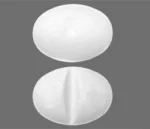
Generic Soma 350 mg
In stock
Price range: $399.00 through $649.00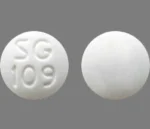
Generic Carisoprodol 350 mg
In stock
Price range: $399.00 through $649.00
Generic Soma 250 mg
In stock
Price range: $399.00 through $569.00
Generic Carisoprodol 250 mg
In stock
Price range: $399.00 through $569.00Carisoprodol Patient Guide: Uses, Safety and Short-Term Treatment
Carisoprodol is a prescription skeletal muscle relaxant used to relieve discomfort associated with certain acute and painful musculoskeletal conditions in adults. It is commonly prescribed alongside rest, physical therapy and other measures intended to support recovery from muscle strains, sprains and related injuries.
Carisoprodol is generally intended for short-term treatment rather than ongoing management of chronic pain. It can cause sleepiness, dizziness and reduced coordination, and it also carries risks of misuse, physical dependence and withdrawal. Patients should take it only as prescribed and should not combine it with alcohol, opioids or other sedating substances without professional medical approval.
Important safety information: Carisoprodol can impair alertness and breathing, especially when combined with alcohol, opioids, benzodiazepines, sleeping medicines or other central nervous system depressants. Seek emergency assistance if a patient becomes difficult to wake, breathes slowly, loses consciousness or develops signs of an overdose.
Understanding Carisoprodol Before Treatment Begins
Carisoprodol belongs to a group of medicines known as centrally acting skeletal muscle relaxants. Although it is described as a muscle relaxant, it does not primarily act directly on injured skeletal muscle.
Instead, it affects communication within the brain and nervous system. This action may reduce the perception of pain and discomfort associated with acute muscle injuries while also producing sedation.
Carisoprodol and the Brand Name Soma
Soma is a well-known brand name containing carisoprodol. Generic carisoprodol products contain the same active ingredient but may differ in:
- Tablet appearance
- Color and shape
- Tablet markings
- Inactive ingredients
- Manufacturer
- Packaging
The tablet should always be identified using its original prescription container rather than color or shape alone. Contact a pharmacist if the tablet looks different from a previous refill or cannot be confidently identified.
What Conditions Is Carisoprodol Prescribed For?
Carisoprodol is prescribed to relieve discomfort associated with acute, painful musculoskeletal conditions in adults.
Examples of situations in which a healthcare provider may consider a short course include:
- Acute muscle strain
- Muscle sprain
- Sudden lower-back muscle discomfort
- Neck muscle injury
- Muscle spasm following an injury
- Painful muscle stiffness after physical strain
- Other recent musculoskeletal injuries evaluated by a clinician
Carisoprodol is generally used as one part of a broader recovery plan. It does not repair damaged muscle tissue and does not replace treatment of the underlying cause of pain.
What Carisoprodol Is Not Intended to Treat
Carisoprodol should not automatically be used for every type of pain. It may not be appropriate for:
- Long-term chronic pain without a recent muscle injury
- Nerve pain
- Migraine
- Arthritis as the sole cause of pain
- Abdominal pain of unknown origin
- Chest pain
- Unexplained weakness
- Pain caused by infection
- Pain requiring urgent diagnostic evaluation
Persistent or recurring pain may indicate a condition that requires further investigation rather than repeated courses of a sedating muscle relaxant.
How Carisoprodol Works
Carisoprodol acts within the central nervous system and changes communication between nerves in the brain and spinal cord. Its effects can reduce the sensation of musculoskeletal discomfort and promote relaxation.
The body also converts some carisoprodol into meprobamate, a substance with sedative and dependence-forming properties. This conversion contributes to some of the medication’s calming effects as well as its safety risks.
What Patients May Notice
After taking carisoprodol, a patient may experience:
- Reduced muscle discomfort
- Less awareness of painful muscle tension
- A feeling of relaxation
- Drowsiness
- Slower reaction time
- Dizziness or lightheadedness
Feeling sedated does not necessarily mean the injury has healed. Patients should avoid returning too quickly to strenuous work, exercise or lifting simply because pain temporarily feels less intense.
Why Carisoprodol Is Used Only for a Short Time
Carisoprodol is normally prescribed for an acute treatment period of no more than approximately two or three weeks.
Short treatment is recommended because:
- Most acute muscle injuries are expected to improve within a limited period.
- Evidence supporting prolonged effectiveness is limited.
- Sedation can interfere with daily functioning.
- The risk of misuse may increase with continued use.
- Physical dependence can develop.
- Withdrawal may occur after regular or prolonged use.
- Long-lasting pain may need a different diagnosis or treatment approach.
Patients whose symptoms continue beyond the prescribed period should contact their healthcare provider instead of independently extending treatment.
Carisoprodol Strengths and Dosage Forms
Carisoprodol is commonly supplied as an oral tablet in two strengths.
| Strength | Dosage Form | Patient Reminder |
|---|---|---|
| 250 mg | Oral tablet | Take only when this exact strength has been prescribed. |
| 350 mg | Oral tablet | Do not substitute it for a lower strength without medical approval. |
Tablet color, shape and imprint can differ between manufacturers. Patients should confirm the medication name and strength printed on the pharmacy label before taking it.
How the Prescriber Selects a Dose
The appropriate dose and schedule should be determined by a licensed healthcare professional. Factors that may influence the prescribing decision include:
- Severity of the musculoskeletal condition
- Patient age
- Previous response to muscle relaxants
- Kidney and liver function
- Other medications being used
- Risk of sedation or falls
- Breathing conditions
- History of alcohol or substance misuse
- Need to drive or operate machinery
- Overall treatment duration
Taking more carisoprodol does not necessarily provide better pain relief. A larger or more frequent dose can increase the risk of excessive sedation, confusion, breathing suppression, overdose and dependence.
How to Take Carisoprodol Correctly
Follow the prescription label exactly. Do not make independent changes to the dose, frequency or duration.
Basic Administration Guidance
- Take the tablet with water.
- Take it at the times specified by the prescriber.
- Use the same prescribed strength throughout treatment unless the prescription is changed.
- Do not take additional tablets when pain feels worse.
- Do not take doses closer together than directed.
- Do not share the medication.
- Do not use another person’s prescription.
- Do not continue after the treatment period without medical review.
Carisoprodol may be prescribed several times during the day and at bedtime. The patient should follow the individual directions on the prescription rather than using a general schedule found online.
Can Carisoprodol Be Taken With Food?
Carisoprodol may generally be taken with or without food unless the prescription instructions state otherwise.
A patient who experiences stomach discomfort may ask a pharmacist whether taking the medicine with food is appropriate. Food does not prevent sedation, impairment or drug interactions.
What to Do After Taking a Dose
Because carisoprodol may cause drowsiness and impaired coordination, patients should plan their activities carefully after each dose.
Avoid Activities Requiring Full Alertness
Until the individual effects are known, avoid:
- Driving
- Operating machinery
- Working at heights
- Using power tools
- Cooking over an open flame while drowsy
- Swimming alone
- Activities requiring fast reactions
- Making important decisions while impaired
A patient should not assume that driving is safe merely because the medicine was legally prescribed.
What Should You Do If You Miss a Dose?
Follow the instructions supplied by the prescriber or pharmacist.
- Take the missed dose only when professionally advised.
- Skip it when the next scheduled dose is approaching.
- Do not take two doses together.
- Do not add an extra bedtime dose.
- Contact a pharmacist if uncertain.
Doubling a dose can significantly increase sedation and overdose risk.
Do Not Increase the Dose Independently
Contact your healthcare provider if pain relief seems inadequate. Do not:
- Take an extra tablet
- Shorten the time between doses
- Combine carisoprodol with another muscle relaxant
- Add an opioid pain medicine without approval
- Mix it with alcohol
- Use leftover tablets from an earlier prescription
Pain that is becoming worse rather than improving may require a fresh medical evaluation.
Carisoprodol as Part of a Recovery Plan
Medication alone does not treat every aspect of a muscle injury. A healthcare provider may recommend a combination of:
- Temporary activity modification
- Appropriate rest
- Physical therapy
- Gentle movement
- Stretching when medically appropriate
- Heat or cold therapy
- Posture correction
- Ergonomic changes
- Non-opioid pain-relief measures
Avoid Excessive Bed Rest
Although short periods of rest may be useful after an acute injury, prolonged inactivity can sometimes worsen stiffness and delay recovery. Follow the activity instructions provided by the treating healthcare professional.
Return to Activity Gradually
Pain relief can make an injury feel better before full strength and flexibility have returned. Increase activity gradually and avoid heavy lifting or strenuous exercise until medically appropriate.
Common Side Effects of Carisoprodol
Side effects can occur even when carisoprodol is taken correctly.
Frequently Reported Effects
- Drowsiness
- Dizziness
- Headache
- Lightheadedness
- Reduced alertness
- Slowed reactions
- Impaired balance
- Weakness or fatigue
Contact the prescribing healthcare provider if a side effect becomes severe, persistent or interferes with normal activities.
Serious Side Effects
Some reactions require urgent medical attention.
Seek Medical Help for Symptoms Such As:
- Extreme drowsiness
- Difficulty waking
- Slow, shallow or difficult breathing
- Loss of consciousness
- Severe confusion
- Hallucinations
- Seizures
- Fainting
- Very rapid heartbeat
- Severe weakness
- Loss of coordination
- Symptoms of an allergic reaction
Signs of a Severe Allergic Reaction
Stop using the medication and obtain emergency care if symptoms include:
- Hives
- Severe rash
- Swelling of the face
- Swelling of the lips, tongue or throat
- Difficulty breathing
- Difficulty swallowing
Carisoprodol and Sedation
Sedation is one of the most important risks associated with carisoprodol. The effect may be mild in one patient and severe in another.
Sedation may be stronger in:
- Older adults
- Patients taking other sedating medicines
- People who drink alcohol
- Patients with reduced liver or kidney function
- People with sleep apnea or breathing disorders
- Patients taking opioids or benzodiazepines
Patients who appear unusually sleepy, confused or difficult to wake require immediate assessment.
Carisoprodol, Misuse and Dependence
Carisoprodol is classified as a controlled substance in the United States because it can be misused and may lead to dependence.
Misuse May Include:
- Taking more than prescribed
- Taking it more often than prescribed
- Using it for its sedative or calming effects
- Combining it with alcohol or other drugs
- Using another person’s tablets
- Continuing treatment after the prescription period
Ways to Reduce Risk
- Use the lowest prescribed amount.
- Follow the short treatment period.
- Store tablets securely.
- Never sell or share the medicine.
- Keep track of the remaining tablets.
- Inform the prescriber about past substance misuse.
- Dispose of unused tablets appropriately.
Physical Dependence and Withdrawal
Physical dependence may occur after regular or prolonged carisoprodol use. This means the body has adapted to the medicine and may react when it is stopped.
Possible Withdrawal Symptoms
- Insomnia
- Anxiety
- Restlessness
- Tremors
- Muscle twitching
- Nausea or vomiting
- Abdominal discomfort
- Headache
- Confusion
- Hallucinations
- Unusual behavior
- Seizures
Patients who have been taking carisoprodol regularly, in high doses or longer than prescribed should not make abrupt changes without professional advice.
Carisoprodol Drug Interactions
Carisoprodol can interact with medicines and substances that slow activity in the central nervous system.
Opioid Pain Medicines
Combining carisoprodol with opioids can increase:
- Extreme sedation
- Confusion
- Impaired coordination
- Slow or stopped breathing
- Loss of consciousness
- Overdose risk
- Risk of death
Use both medicines together only when the combination has been specifically prescribed and monitored.
Benzodiazepines
Medicines such as alprazolam, clonazepam, diazepam and lorazepam can add to carisoprodol’s sedating effects. The combination may significantly impair breathing and alertness.
Sleeping Medicines
Prescription or over-the-counter sleep aids can cause excessive sedation when combined with carisoprodol.
Sedating Antihistamines
Some allergy, cold and nighttime medicines can increase drowsiness and impair coordination.
Other Muscle Relaxants
Using multiple muscle relaxants may increase sedation without providing a proportional improvement in pain relief.
Antidepressants and Antipsychotic Medicines
Certain psychiatric medicines can increase central nervous system depression. A pharmacist should review all combinations.
Seizure Medicines
Some antiseizure medications can cause additional drowsiness or affect the way carisoprodol is processed.
Alcohol and Carisoprodol
Alcohol can substantially increase carisoprodol’s sedative effects.
The combination may cause:
- Severe drowsiness
- Poor judgment
- Slurred speech
- Loss of balance
- Memory problems
- Falls and accidents
- Slow breathing
- Loss of consciousness
- Fatal overdose
Avoid drinking alcohol while taking carisoprodol unless a healthcare provider has specifically determined that it is safe.
Before Starting Carisoprodol
Tell the healthcare provider about all medical conditions, medicines and substances used.
Medical Conditions to Report
- Liver disease
- Kidney disease
- Seizure disorder
- Sleep apnea
- Breathing problems
- Acute intermittent porphyria
- Previous allergy to carisoprodol
- Previous allergy to meprobamate or related carbamates
- History of alcohol misuse
- History of drug dependence
- Pregnancy or pregnancy plans
- Breastfeeding
Medicines and Substances to Report
- Opioid pain medicines
- Benzodiazepines
- Sleeping medicines
- Other muscle relaxants
- Sedating antihistamines
- Antidepressants
- Antipsychotic medicines
- Seizure medicines
- Herbal sleep products
- Alcohol
- Cannabis
- Recreational drugs
Who Should Not Take Carisoprodol?
Carisoprodol is generally contraindicated in patients with:
- A history of acute intermittent porphyria
- A hypersensitivity reaction to carisoprodol
- A hypersensitivity reaction to meprobamate
- A known allergy to related carbamate medicines
Other patients may require careful assessment rather than an absolute prohibition.
Acute Intermittent Porphyria
Carisoprodol should not be used in patients with a history of acute intermittent porphyria. Patients who have this condition or a family history of porphyria should inform their healthcare provider before treatment.
Liver and Kidney Conditions
The liver and kidneys help process and remove medicines from the body. Impairment may increase exposure to carisoprodol or its active metabolite.
Patients should disclose:
- Chronic kidney disease
- Dialysis
- Reduced kidney function
- Hepatitis
- Cirrhosis
- Fatty liver disease
- Abnormal liver tests
The prescriber may choose a different medicine or use additional monitoring.
Older Adults
Older adults may be more vulnerable to:
- Excessive drowsiness
- Confusion
- Falls
- Fractures
- Medication accumulation
- Drug interactions
- Impaired driving
A healthcare provider should carefully assess whether the expected benefit outweighs these risks.
Carisoprodol in Children and Teenagers
The safety and effectiveness of carisoprodol have not been established for every pediatric age group. It is not generally recommended for patients younger than 16 years of age.
Never give a child or teenager medication prescribed to an adult.
Pregnancy and Carisoprodol
Tell the prescriber if you are pregnant, planning pregnancy or believe you may be pregnant. Available information may not fully define every pregnancy-related risk.
Do not start or stop carisoprodol during pregnancy without professional guidance.
Breastfeeding and Carisoprodol
Carisoprodol and its metabolite may pass into breast milk. A nursing infant could potentially experience sedation or other effects.
A healthcare provider should evaluate:
- The need for treatment
- The duration of therapy
- Possible alternatives
- The health and age of the infant
- Signs of infant drowsiness or poor feeding
Signs of a Possible Carisoprodol Overdose
An overdose requires immediate emergency medical care.
Possible Warning Signs
- Extreme sleepiness
- Inability to wake
- Confusion
- Loss of coordination
- Blurred vision
- Abnormal eye movements
- Muscle stiffness
- Very low blood pressure
- Rapid heartbeat
- Slow or shallow breathing
- Seizures
- Loss of consciousness
- Coma
Do not wait for the person to become unconscious. Call emergency services immediately and provide information about all medicines or substances that may have been taken.
When Muscle Pain Needs Urgent Evaluation
Do not rely only on a muscle relaxant when symptoms could indicate a serious medical problem.
Seek prompt medical care for:
- Chest pain
- Difficulty breathing
- Sudden weakness or paralysis
- Loss of bladder or bowel control
- Severe back pain after a major accident
- Numbness in the groin or saddle area
- Fever with severe muscle or back pain
- Unexplained weight loss
- Severe abdominal pain
- Pain accompanied by confusion or fainting
- Symptoms that rapidly worsen
How to Store Carisoprodol
- Keep it in the original prescription container.
- Store it at the temperature stated on the label.
- Protect it from moisture and excessive heat.
- Keep the lid securely closed.
- Do not store it in an unlocked or easily accessible location.
- Keep it away from children and pets.
- Keep it away from family members or visitors who may misuse it.
Because carisoprodol is a controlled medication, secure storage is essential.
How to Dispose of Unused Carisoprodol
Unused or expired tablets should be disposed of responsibly.
- Use an authorized medication take-back program when available.
- Ask a pharmacist about local controlled-medication disposal.
- Never share leftover tablets.
- Do not keep old tablets for a future injury.
- Remove personal details from empty packaging.
- Follow official local disposal instructions.
Frequently Asked Questions About Carisoprodol
What is carisoprodol used for?
It is used for short-term relief of discomfort associated with acute and painful musculoskeletal conditions in adults.
Is carisoprodol a painkiller?
Carisoprodol is classified as a skeletal muscle relaxant rather than a traditional pain reliever. It acts within the central nervous system to reduce discomfort associated with acute muscle conditions.
Is carisoprodol the same as Soma?
Soma is a brand name containing carisoprodol. Generic products contain the same active ingredient but may look different.
How long is carisoprodol normally prescribed?
It is generally prescribed for a short period of up to approximately two or three weeks.
Can carisoprodol be used for chronic pain?
It is not generally intended for prolonged treatment of chronic pain. Persistent symptoms should be medically reassessed.
Does carisoprodol make you sleepy?
Yes. Drowsiness and dizziness are common effects. Patients should avoid driving or hazardous work until they know how the medicine affects them.
Can I drive while taking carisoprodol?
Do not drive when drowsy, dizzy, confused or uncoordinated. Carisoprodol may impair driving even when taken as prescribed.
Can I drink alcohol while taking carisoprodol?
Alcohol may dangerously increase sedation and breathing suppression. The combination should be avoided unless specifically approved by a healthcare provider.
Can carisoprodol be taken with opioid pain medicine?
The combination can increase the risk of extreme sedation, respiratory depression, overdose and death. Use both only when specifically prescribed and monitored.
Can carisoprodol be taken with alprazolam?
Alprazolam and carisoprodol both depress the central nervous system. Combining them can cause dangerous sedation and breathing problems. The combination requires professional medical review.
Is carisoprodol a controlled substance?
Yes. Carisoprodol is classified as a Schedule IV controlled substance in the United States.
Can carisoprodol cause dependence?
Yes. Regular, prolonged or high-dose use may lead to physical dependence and withdrawal symptoms.
Can I stop carisoprodol suddenly?
Patients who have taken it only briefly as prescribed may complete treatment according to their instructions. Those who have used it regularly, for a prolonged period or at high doses should seek medical advice before stopping.
What should I do if I miss a dose?
Follow the prescriber’s instructions. Do not take two doses together or take extra medicine to compensate.
Can I take two tablets if the pain is severe?
No. Do not increase the dose independently. Contact the prescribing healthcare provider if pain is not adequately controlled.
Can carisoprodol be used during pregnancy?
Pregnant patients should discuss potential benefits, risks and alternatives with a qualified healthcare provider.
Can carisoprodol be used while breastfeeding?
Carisoprodol and its metabolite may pass into breast milk. The risks and alternatives should be discussed with a healthcare provider.
Can older adults take carisoprodol?
Older adults may have a greater risk of sedation, confusion and falls. Treatment requires careful professional assessment.
What should I do if muscle pain continues?
Contact your healthcare provider. Continuing pain may require a revised diagnosis, physical examination, imaging, physical therapy or another treatment.
Should I save leftover tablets for another injury?
No. A future injury may have a different cause or require different treatment. Dispose of unused medication according to pharmacy or take-back guidance.
Carisoprodol Treatment Checklist
Before the First Dose
- Confirm the medication name and strength.
- Review all other medicines with a pharmacist.
- Discuss alcohol and substance use.
- Arrange not to drive until the effects are known.
- Understand the expected treatment duration.
During Treatment
- Take only the prescribed amount.
- Avoid alcohol and unapproved sedatives.
- Follow rest and physical-therapy recommendations.
- Monitor for excessive drowsiness.
- Report worsening or unusual symptoms.
At the End of Treatment
- Do not continue using leftover tablets.
- Contact the prescriber if pain persists.
- Follow the recommended rehabilitation plan.
- Dispose of unused medication securely.
- Seek advice if withdrawal symptoms occur.
Medical Disclaimer
This information is provided for general patient education only. It does not replace professional medical advice, diagnosis or treatment.
Always consult a licensed physician, pharmacist or another qualified healthcare professional before starting, stopping or changing carisoprodol or any other medication. Treatment decisions must consider the patient’s diagnosis, medical history, other medicines and individual risk factors.
Seek immediate emergency help for severe drowsiness, slow or difficult breathing, seizures, loss of consciousness, suspected overdose or signs of a serious allergic reaction.
Medical References
- U.S. Food and Drug Administration prescribing information for Soma and carisoprodol tablets
- DailyMed prescribing information for carisoprodol tablets
- DailyMed patient counseling information for carisoprodol
- MedlinePlus patient medication information for carisoprodol
- Official controlled-substance and medication-safety guidance applicable to carisoprodol