
Generic Subutex 8 mg
Price range: $389.00 through $549.00
| Variation | Price | Quantity | Add To Cart |
|---|---|---|---|
| 180 pills | $549.00 |
|
Add to cart |
| 90 pills | $389.00 |
|
Add to cart |
Subutex 8 mg: A Stability-Focused Guide to Buprenorphine-Only Treatment
Subutex 8 mg is a commonly recognized name for an 8 mg buprenorphine-only sublingual tablet used in the treatment of opioid use disorder (OUD). In the United States, the original Subutex brand is discontinued, while FDA-approved generic buprenorphine sublingual tablets remain available. Patients may still say “Subutex” when referring to a single-ingredient buprenorphine tablet, but the pharmacy label—not the familiar brand name—confirms the actual manufacturer and product.
This medicine is not approved for ADHD. Although this page URL places Subutex in an ADHD category, buprenorphine should not be presented as a medicine for focus, hyperactivity, school performance, wakefulness, or productivity. Its role is to treat opioid dependence within a complete program that includes medical follow-up and psychosocial care. Accurate categorization is important for patient safety and for search quality.
The 8 mg strength is a potent prescription dosage unit. It is not appropriate for experimentation, self-detoxification, occasional craving, pain self-treatment, or recreational use. Starting buprenorphine at the wrong time can precipitate severe withdrawal; combining it with alcohol, benzodiazepines, sleep medicines, other opioids, or other sedatives can cause respiratory depression, coma, and death. Obtain it only through a licensed prescriber and a verified pharmacy.
Understanding the 8 mg Tablet
An 8 mg buprenorphine-only sublingual tablet contains buprenorphine hydrochloride equivalent to 8 mg of buprenorphine. It does not contain naloxone. That is different from a product labeled “8 mg/2 mg,” which ordinarily contains 8 mg of buprenorphine plus 2 mg of naloxone. These products are related but not automatically interchangeable, and a patient should never switch between them without prescriber instructions.
The strength of a tablet is not the same thing as the patient’s total daily dose. A prescription may involve one tablet, part of a clinician-approved regimen using different strengths, or multiple dosage units. The prescriber selects the regimen based on withdrawal suppression, craving control, ongoing opioid use, adverse effects, interactions, liver function, stability, and diversion risk. An 8 mg tablet should never be doubled because symptoms return, split because the patient wants to taper, or combined with another formulation without approval.
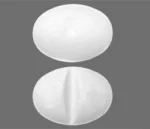
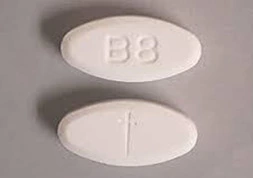
One current generic manufacturer describes an 8 mg tablet as white, round, unscored, and marked “M” over “924.” Other legitimate manufacturers use other colors and imprints. The former brand tablet was a white, oval “B8” pill. Searching for a “B8 white oval Subutex pill” may help interpret an old record, but it cannot authenticate medicine from an unknown source. Counterfeit tablets can copy imprints and may contain fentanyl or another unexpected drug.
Where 8 mg May Fit in a Treatment Journey
The 8 mg unit is often associated with stabilization or maintenance because it allows a prescriber to assemble common therapeutic regimens with fewer tablets. However, it is not correct to call 8 mg the “standard dose” for every patient. Effective buprenorphine treatment is individualized, and the amount that controls withdrawal and cravings without unacceptable adverse effects varies.
During induction, the central question is not whether an 8 mg tablet is available; it is whether the patient is in an appropriate state to receive buprenorphine. Buprenorphine has high affinity for mu-opioid receptors. If it displaces a full opioid agonist while the body remains heavily dependent on that agonist, symptoms can worsen abruptly. Fentanyl exposure, methadone use, long-acting opioids, and uncertain street-drug contents can complicate timing.
After stabilization, clinicians look beyond the absence of obvious withdrawal. A useful maintenance review asks whether the patient:
- Has meaningful control of cravings across the full dosing interval
- Has stopped or substantially reduced non-prescribed opioid use
- Can function safely without intoxication or marked sedation
- Is attending follow-up and can follow the storage plan
- Has manageable side effects and stable liver health
- Has access to naloxone and overdose education
- Has support for mental health, housing, pain, and other recovery needs
These outcomes matter more than matching someone else’s dose. A person who needs continuing medication is not “replacing one addiction with another.” Evidence-based OUD medication can reduce illicit opioid use, support survival, and allow recovery without repeated cycles of withdrawal and intoxication.
Buprenorphine’s Partial-Agonist Action
Buprenorphine is a partial mu-opioid receptor agonist. It binds strongly and produces opioid effects that can reduce withdrawal and cravings in a person with OUD. Compared with full agonists, its pharmacology includes a ceiling in some effects, but this should not be misread as an overdose guarantee. Serious respiratory depression and death have occurred, particularly with sedatives or misuse.
The same receptor affinity that helps block or blunt effects from other opioids can complicate acute pain treatment and transitions between medicines. Emergency, surgical, dental, and anesthesia teams should know that the patient takes buprenorphine. Patients should not stop it before a procedure unless the treating clinicians create a coordinated plan; unplanned interruption can increase withdrawal and relapse risk.
Buprenorphine can also cause physical dependence. If it is stopped suddenly, withdrawal may occur. Physical dependence during appropriate treatment is not the same as uncontrolled addictive behavior. The clinical goal is stable, safer function and reduced harm.
A Practical Safety Review Before Each Refill
Refill appointments are an opportunity to prevent problems, not merely renew tablets. Patients should update the prescriber about:
- Any fentanyl, heroin, prescription opioid, stimulant, alcohol, or sedative use
- New prescriptions from emergency, dental, psychiatric, or surgical care
- Episodes of unusual sleepiness, slowed breathing, fainting, falls, or confusion
- Cravings, withdrawal before the next dose, or return to opioid use
- Yellowing of the eyes or skin, dark urine, abdominal pain, or poor appetite
- New pregnancy, breastfeeding, or fertility plans
- Tooth decay, mouth pain, infection, sensitivity, or broken dental work
- Lost, stolen, damaged, or unexpectedly missing tablets
- Changes in housing or household members that affect secure storage
Urine or oral-fluid testing, liver tests, medication counts, or prescription-monitoring checks may be part of a treatment agreement. These tools should inform care and risk reduction. A positive result should be discussed honestly so the plan can be adjusted; it is not a reason to hide substance use or take extra buprenorphine.
Correct Sublingual Administration
Take buprenorphine exactly as prescribed. Place the tablet under the tongue and allow it to dissolve completely. Do not chew or swallow the intact tablet. Avoid eating or drinking while it dissolves, and minimize talking. If the prescribed dose requires more than one tablet, follow the clinician’s consistent placement method.
Do not crush the tablet into food or drink, snort it, smoke it, or inject it. Non-sublingual misuse can produce unpredictable exposure, infection, blood-vessel injury, overdose, and severe withdrawal. Giving the tablet to another person is dangerous and illegal. A person without opioid tolerance can experience serious poisoning from buprenorphine.
Food does not usually determine whether a sublingual tablet works because absorption occurs through tissue under the tongue, but a dry mouth, incorrect placement, swallowing too early, and inconsistent technique can affect the experience. Before assuming the dose is too low, review technique with the pharmacist.
Oral Health Instructions That Should Not Be Skipped
Buprenorphine tablets and films that dissolve in the mouth have been associated with serious dental problems, including cavities, erosion, infection, and tooth loss. FDA has reported cases in people without prior dental disease. The benefits of OUD treatment still generally outweigh this risk; prevention and early dental care are the appropriate response.
When the dose has completely dissolved:
- Take a large sip of water.
- Gently swish the water around the teeth and gums.
- Swallow the water.
- Wait at least one hour before brushing the teeth.
Arrange a baseline dental visit soon after treatment begins and tell the dentist about sublingual buprenorphine. Regular fluoride care, checkups, and a dentist-designed prevention plan may be helpful. Do not stop medication suddenly when a dental problem appears. Contact both the prescriber and dentist so OUD stability and dental treatment can be protected.
Expected and Common Adverse Effects
Headache, nausea, constipation, vomiting, sweating, insomnia, fatigue, dizziness, abdominal discomfort, and pain are among the effects reported with buprenorphine. Some are temporary; others require a prevention plan or a dose and interaction review.
Constipation should be addressed early. Tell the clinician about baseline bowel disease, prior obstruction, severe straining, or medications that slow the bowel. Seek urgent care for intense abdominal pain, repeated vomiting, major distension, or inability to pass stool or gas. For nausea, do not add a sedating anti-nausea medicine without checking interactions.
Dizziness and sleepiness can impair driving and increase fall risk. Avoid driving, machinery, ladders, swimming alone, or hazardous work until the patient is stable and knows the medicine’s effects. New sedation after a period of stability can indicate a new interaction, illness, organ-function change, or unreported substance exposure and should be evaluated.
Breathing Emergencies and Naloxone
Warning signs of opioid overdose include unusually slow or shallow breathing, long pauses, choking or atypical snoring sounds, blue or gray lips, limp muscles, pinpoint pupils, severe confusion, and inability to awaken. Call emergency services immediately. Give naloxone if available and follow dispatcher instructions for rescue breathing or CPR.
Because buprenorphine binds strongly to opioid receptors, one naloxone dose may not be enough. Repeat doses may be needed according to the naloxone product instructions and emergency guidance. The person must still be evaluated because sedation and respiratory depression can return. Do not leave the person alone or allow them to “sleep it off.”
Household members should know how to recognize an overdose and where naloxone is kept. The presence of naloxone does not encourage misuse; it is a basic safety layer. Replace used or expired naloxone promptly.
Why Alcohol and Benzodiazepines Are Especially Dangerous
Alcohol, alprazolam, diazepam, clonazepam, lorazepam, sleep medicines, other opioids, sedating antipsychotics, tranquilizers, muscle relaxants, and some antihistamines can add to buprenorphine’s central nervous system effects. The combination may produce profound sedation, low oxygen, respiratory arrest, coma, and death.
Do not take a benzodiazepine that was not prescribed to you. If benzodiazepine use is already regular, disclose it. Abrupt benzodiazepine discontinuation can cause severe withdrawal and seizures, so clinicians may need to coordinate a gradual strategy. Similarly, a patient with heavy alcohol use should seek a medically safe plan rather than suddenly withdrawing alone.
Medication Interactions Beyond Sedation
The complete medication list should be reviewed at every transition of care. Interaction categories include:
- CYP3A4 inhibitors: some antibiotics, antifungals, and antiviral medicines may increase buprenorphine exposure and sedation.
- CYP3A4 inducers: some antiseizure and other medicines may lower exposure and contribute to withdrawal or reduced control.
- Serotonergic medicines: antidepressants, triptans, tramadol, linezolid, and related drugs can contribute to serotonin syndrome when combined with opioids.
- MAO inhibitors: current labeling does not recommend use during MAOI therapy or within 14 days after it ends.
- Anticholinergic drugs: may worsen constipation or urinary retention.
- Muscle relaxants: may increase respiratory depression.
- Other opioid agonists: can create complex effects on analgesia, sedation, withdrawal, and overdose.
Serotonin syndrome can involve agitation, confusion, sweating, fever, rapid heart rate, muscle rigidity, tremor, poor coordination, nausea, vomiting, or diarrhea. It requires prompt medical assessment. Do not attempt to distinguish it from withdrawal or intoxication without professional help.
Liver, Lung, and Other Medical Conditions
Buprenorphine is processed primarily by the liver. Tell the prescriber about hepatitis, cirrhosis, abnormal liver tests, heavy alcohol use, and medicines that affect the liver. Baseline and periodic testing may be appropriate. Yellow skin or eyes, dark urine, pale stools, marked fatigue, persistent nausea, and upper-abdominal pain should be reported promptly.
People with chronic obstructive pulmonary disease, reduced respiratory reserve, hypoxia, hypercapnia, or existing respiratory depression may face greater breathing risk. Sleep apnea, older age, frailty, and sedating co-medications also matter. A “ceiling effect” should never be used to dismiss these risks.
Buprenorphine can complicate evaluation of head injury, low blood pressure, adrenal insufficiency, gallbladder disease, or urinary retention. Give every clinician the full medication list, including the 8 mg buprenorphine product and prescribed daily regimen.
Pregnancy, Newborn Care, and Breastfeeding
OUD treatment should not be interrupted because of pregnancy without specialist guidance. Untreated or relapsing OUD can expose the pregnant patient and fetus to overdose, infection, inconsistent prenatal care, and an unpredictable illicit supply. Buprenorphine may be part of an evidence-based pregnancy plan.
Prolonged opioid exposure during pregnancy can cause neonatal opioid withdrawal syndrome. The condition is expected and treatable when the obstetric and newborn teams know about exposure and monitor the infant. A pregnant patient should not lower, skip, or stop doses to prevent newborn withdrawal; destabilization can be more dangerous.
The choice between buprenorphine-only and buprenorphine/naloxone formulations should be individualized. Breastfeeding decisions depend on treatment stability, other substance use, infant health, and current clinical advice. Coordinate OUD, obstetric, pediatric, and lactation care.
Planning for Surgery, Dental Procedures, or Acute Pain
Tell the surgeon, anesthetist, dentist, emergency clinician, and pain team about buprenorphine before a procedure. Do not stop it automatically. Because it occupies opioid receptors strongly, pain management may require a coordinated multimodal plan. Depending on the procedure and clinical situation, clinicians may continue the medicine, adjust timing, and add non-opioid or supervised opioid strategies.
Self-stopping creates risks: withdrawal, cravings, relapse, loss of tolerance, and overdose. Self-adding leftover opioids can cause sedation without adequate pain control. A written plan should cover the day of the procedure, postoperative medicines, restart or continuation instructions, naloxone, and which clinician manages changes.
Missed Doses, Lost Tablets, and Gaps in Treatment
For a missed dose, follow the Medication Guide and prescription instructions. If it is close to the next scheduled dose, do not double unless the prescriber specifically directs it. For vomiting after dissolution, do not repeat the dose automatically because buprenorphine may already have been absorbed.
Report lost or stolen tablets promptly according to the treatment agreement. Do not buy replacements from another person. A treatment interruption can reduce tolerance or coincide with return to fentanyl or another opioid. Contact the prescriber before restarting an old regimen after a significant gap.
Secure Storage for an 8 mg Controlled Medicine
Keep the tablets in their original labeled package inside a locked storage container. The location should be out of sight and inaccessible to children, teenagers, visitors, roommates, and pets. Do not store them in a car, handbag, kitchen drawer, countertop, or unlocked bathroom cabinet.
Accidental ingestion by a child can be fatal. Treat any possible pediatric exposure as an emergency even if no symptoms are visible. Unused medicine should be disposed of promptly through a take-back program or according to current FDA and product-specific instructions. Never save surplus tablets for another person or a future self-directed restart.
Buying Subutex 8 mg Online: Prescription and Pharmacy Checks
Searches for “buy Subutex 8 mg online,” “generic buprenorphine 8 mg price,” “order B8 pills,” or “Subutex delivery” should lead to licensed treatment, not anonymous tablet sales. In the United States, buprenorphine is a Schedule III controlled substance and requires a valid prescription. A legitimate pharmacy verifies the prescription, state licensure, patient information, and legal dispensing requirements.
Before paying an online pharmacy, confirm:
- It is licensed by the relevant state board of pharmacy.
- It requires a prescription from a licensed healthcare professional.
- It has a verifiable U.S. street address and working telephone number.
- A licensed pharmacist is available to answer questions.
- The site identifies the actual generic product and does not promise a discontinued brand.
- The medicine arrives in sealed, patient-labeled, child-resistant packaging with a Medication Guide.
- The site does not advertise bulk controlled drugs, “no Rx,” or anonymous international shipping.
Do not purchase buprenorphine through social media, encrypted messaging, auction listings, or a friend. A counterfeit “B8” tablet can contain fentanyl and may be fatal. The safest price comparison is between verified pharmacies after a prescription is issued. Insurance formulary, generic manufacturer, quantity, and local availability affect cost.
How Subutex 8 mg Differs From Subutex 2 mg
The active ingredient is the same; the amount per tablet differs. One 8 mg tablet contains four times the buprenorphine amount in one 2 mg tablet. That arithmetic does not mean the clinical effect, absorption, or safety can be managed by unsupervised tablet swapping. Product shape, scoring, dissolution, and prescribed placement also matter.
The 2 mg unit may give a clinician finer control during certain inductions or tapers, while the 8 mg unit can reduce pill burden in some maintenance regimens. Neither is universally “better,” and a higher-strength tablet is not evidence of more severe addiction. The right prescription balances symptoms, stability, safety, adherence, and access.
A Maintenance Dashboard for Follow-Up Visits
Once the patient has moved beyond induction, follow-up should measure more than whether tablets were taken. A concise maintenance dashboard can help the patient and clinician identify patterns:
- Withdrawal coverage: whether sweating, cramps, restlessness, runny nose, or other withdrawal symptoms return before the next prescribed dose.
- Craving intensity: frequency, duration, triggers, and whether cravings lead to action.
- Other opioid exposure: any fentanyl, heroin, pain-pill, methadone, or unknown-pill use, including nonfatal overdose.
- Sedation: nodding off, slowed breathing, falls, driving problems, or family concern.
- Adherence and access: missed doses, pharmacy delays, lost tablets, cost, transportation, or unstable housing.
- Health indicators: constipation, dental symptoms, liver-related symptoms, mood, sleep, pain, infection, and pregnancy status.
- Recovery priorities: relationships, work, education, legal needs, housing, and personal goals selected by the patient.
A single difficult week does not erase progress. The dashboard is useful because it points toward a specific response: adjust monitoring, improve access, address a trigger, treat a co-occurring condition, or reconsider the prescribed regimen. It should never become a reason for the patient to change the dose without authorization.
Diversion Prevention Without Undermining Treatment
Buprenorphine can be diverted, so safe prescribing and storage matter. Yet overly punitive responses can push people away from effective care. A balanced plan may include limited early supplies, timely follow-up, pharmacy coordination, secure storage, medication counts when clinically justified, and a clear process for lost or stolen medicine.
Patients should not trade tablets, save them for friends, or give a dose to someone experiencing withdrawal. Even when the intention is to help, the recipient may have unknown sedative exposure, low tolerance, pregnancy, serious illness, or a need for a different induction strategy. The safer help is connection to a licensed treatment provider, an urgent OUD service, and naloxone.
If someone pressures the patient to share or sell medication, tell the care team. Moving the locked storage location, using individual blister packaging when available, or arranging more frequent dispensing may protect treatment. A theft that creates immediate withdrawal risk should be reported through the prescriber’s established process; buying replacement B8 pills from the street can expose the patient to counterfeit fentanyl.
Traveling With Buprenorphine 8 mg
Carry only the prescribed medicine in its original pharmacy-labeled container. Keep it in personal hand luggage rather than an unattended or checked bag when transport rules permit, and protect it from heat, moisture, loss, and access by others. Bring enough for the authorized trip, not an unexplained bulk supply.
Rules for controlled medicines vary by destination and can change. Before international travel, check the requirements of the destination and transit countries through official government or embassy sources and consult the prescriber and pharmacist. A valid U.S. prescription may not automatically authorize entry elsewhere. Do not repackage tablets to save space, mail them to yourself without confirming legality, or buy replacements abroad from an unverified source.
Time-zone changes can affect the dosing schedule. Obtain a written timing plan rather than taking doses closer together. Keep the prescriber and pharmacy contact information available, while remembering that controlled-substance prescriptions may not be replaceable quickly across jurisdictions.
When Treatment Feels Too Sedating or Not Strong Enough
Excessive sedation is not evidence that the patient is “finally relaxed.” It can signal an overly high exposure, an interaction, alcohol or benzodiazepine use, illness, reduced liver function, or another opioid. Hold hazardous activities and contact the clinician. Slow breathing, inability to awaken, blue lips, or collapse requires emergency care and naloxone.
Breakthrough cravings or withdrawal do not prove that the only answer is a larger dose. Technique, missed doses, shortened absorption, metabolic interactions, untreated pain, stress, and continuing exposure to fentanyl may contribute. A clinical review can separate these possibilities. Taking extra 8 mg tablets can increase adverse effects and cause the supply to run out early, creating a new treatment gap.
Frequently Asked Questions About Subutex 8 mg
Is an 8 mg buprenorphine tablet strong?
It is a substantial controlled dosage unit and should be used only as prescribed. “Strong” is not a safe way to choose treatment. Opioid tolerance, recent opioid exposure, other sedatives, and the treatment phase determine risk and clinical effect.
Does Subutex 8 mg contain naloxone?
Buprenorphine-only sublingual tablets do not. A label written as 8 mg/2 mg generally indicates a combination of buprenorphine and naloxone. Verify both active ingredients every time a formulation changes.
Can the 8 mg tablet be used for ADHD?
No. It is not an ADHD treatment and should not be used for attention, wakefulness, motivation, or studying. Misusing an opioid for those goals can cause dependence, overdose, and diversion.
Can I take half of an 8 mg tablet?
Only if the prescriber and pharmacist specifically approve it for the exact product. Some tablets are unscored, and pieces may not provide equal amounts. A 2 mg tablet or another formulation may offer more accurate prescribed adjustment.
Is 8 mg the maximum daily amount?
No. An individual tablet strength is not a universal maximum or complete dosing recommendation. Treatment ranges vary, and only the prescriber should select or change the total daily amount. More is not automatically more effective.
Can I switch from an 8 mg/2 mg film to an 8 mg tablet?
Not without instructions. Formulations can differ in absorption and active ingredients. The prescriber should specify the new product, dose, timing, and monitoring plan.
Why do I still have cravings on treatment?
Cravings may reflect incomplete stabilization, inconsistent technique, missed doses, interactions, ongoing triggers, pain, stress, or another condition. Contact the care team. Do not add tablets or use another opioid to test whether the medicine is working.
Can I use alcohol if I feel stable?
No. Stability does not remove the risk of additive sedation and respiratory depression. Alcohol can also impair judgment and undermine safe storage and adherence.
What if the 8 mg pill looks different at refill?
Manufacturers may differ. Check the imprint, manufacturer, and active ingredient on the pharmacy label and ask the pharmacist before taking an unfamiliar tablet. A legitimate change should be traceable.
Will buprenorphine block all other opioids?
Its high receptor affinity can blunt other opioid effects, but blockade is not absolute and should never be tested. Taking larger quantities of another opioid to overcome it can cause fatal overdose, especially as buprenorphine levels change.
Can I stop after I have been stable for a month?
Do not stop abruptly. Early stability is valuable but does not eliminate relapse risk. Discuss long-term goals with the prescriber. If tapering is eventually appropriate, it should be gradual and supported.
Is online Subutex without a prescription safe?
No. It bypasses clinical assessment and pharmacy safeguards and may expose the buyer to counterfeit fentanyl-containing tablets. A legitimate U.S. online pharmacy requires a valid prescription.
What should I do if a child touches or swallows a tablet?
Possible swallowing is an emergency. Call emergency services immediately. Do not wait for sleepiness or breathing changes. Bring the labeled package for clinicians if it is safe to do so.
Does long-term treatment mean recovery failed?
No. OUD is a chronic, treatable condition, and medication can be part of sustained recovery. Duration should be based on benefits, safety, and patient goals rather than stigma.
Patient Takeaway
Subutex 8 mg is a familiar name for a high-strength buprenorphine-only sublingual tablet used in opioid-use-disorder care. It is not an ADHD medicine and should never be purchased without a prescription. Safe treatment centers on an individualized regimen, consistent sublingual technique, avoidance of alcohol and non-prescribed sedatives, dental protection, naloxone access, secure storage, and regular follow-up. Do not split, switch, increase, taper, or restart the medicine without direction from the prescribing clinician.
Medical References Reviewed
- FDA-approved Subutex labeling: https://www.accessdata.fda.gov/drugsatfda_docs/label/2021/020732s024lbl.pdf
- DailyMed buprenorphine hydrochloride sublingual tablet labeling: https://dailymed.nlm.nih.gov/dailymed/drugInfo.cfm?setid=593c2a50-de4f-6bf8-e053-2a91aa0ae306
- FDA communication on dental risks and prevention: https://www.fda.gov/drugs/drug-safety-and-availability/fda-warns-about-dental-problems-buprenorphine-medicines-dissolved-mouth-treat-opioid-use-disorder
- SAMHSA buprenorphine treatment overview: https://www.samhsa.gov/substance-use/treatment/options/buprenorphine
- FDA safe online pharmacy checklist: https://www.fda.gov/drugs/besaferx-your-source-online-pharmacy-information/considering-online-pharmacy
| Select Variation |
180 pills ,90 pills |
|---|