

Health Tips
How Long Does Adderall Stay in Your System?

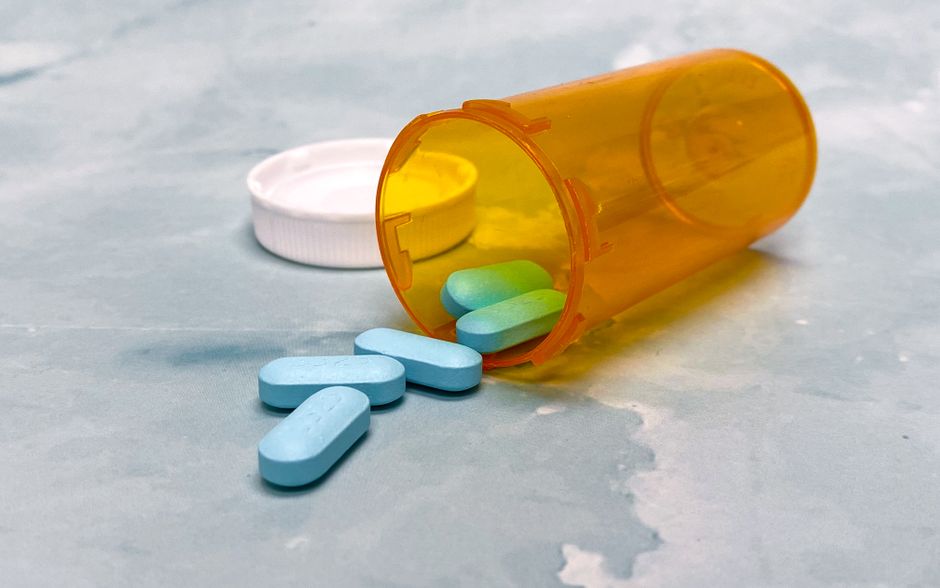
If you take Adderall or you’re getting ready for a drug test, you have probably asked yourself one question: how long does Adderall stay in your system? The answer depends on more factors than most people realize, including your metabolism, dose, kidney function, and even the acidity of your urine.
In this guide, we will break down exactly how long Adderall stays detectable in blood, urine, saliva, and hair, what affects that timeline, and what you can expect as the drug clears your body. We will also cover withdrawal, safety tips, and answer the most common questions patients ask their prescribers.
What Is Adderall and How Does It Work?
Adderall is a prescription stimulant made of a mixture of amphetamine and dextroamphetamine salts. Doctors prescribe it to treat attention-deficit/hyperactivity disorder (ADHD) and narcolepsy. It works by increasing levels of dopamine and norepinephrine in the brain, which helps improve focus, attention, and impulse control.
Adderall comes in two main forms:
- Adderall IR (immediate-release): Starts working within 30 to 60 minutes and lasts around 4 to 6 hours.
- Adderall XR (extended-release): Releases the medication gradually over the day and can last up to 12 hours.
The form you take plays a direct role in how long Adderall stays in your system, since extended-release capsules take longer to fully clear the body than immediate-release tablets. For a deeper look at how quickly the medication kicks in, check out our article on how long Adderall takes to start working.
Adderall Half-Life: The Key to Understanding Elimination
The half-life of a drug is the time it takes for your body to eliminate half of the substance from your bloodstream. Adderall’s half-life typically ranges from 9 to 14 hours, though this can vary based on individual factors like age, metabolism, and urine pH.
As a general rule, it takes about five half-lives for a drug to be almost completely cleared from the body. Using the average half-life of Adderall, that means the drug can stay in your system for approximately 45 to 70 hours, or roughly two to three days, after your last dose. However, this is just an estimate for the parent drug’s presence in blood plasma. Detectable traces can linger much longer in certain tissues, like hair, as we will explore below.
For a full breakdown of how half-life affects dosing schedules and duration of effects, take a look at our detailed guide on the half-life of Adderall.
How Long Does Adderall Stay in Your System by Test Type?
Different drug tests have different detection windows because they measure Adderall and its metabolites in different parts of the body. Here is a closer look at what you can expect from each type of test.
Blood Test
Blood tests are among the least common ways to test for Adderall because the detection window is relatively short. Amphetamines are typically detectable in blood for up to 24 to 46 hours after the last dose. Because blood testing requires a more invasive collection process and has a shorter window, it is usually reserved for situations like emergency room evaluations or specific medical or legal investigations rather than routine drug screening.
Urine Test
Urine testing is the most common method used for detecting Adderall, largely because it is noninvasive, inexpensive, and offers a longer detection window than blood testing. In most cases, Adderall can be detected in urine for 2 to 4 days after the last dose. Some heavy or chronic users may test positive for up to a week, especially if kidney function is impaired or urine is more acidic.
Employers, athletic organizations, and healthcare providers often rely on urine tests because they strike a good balance between practicality and accuracy. If you are curious about how these tests are typically conducted and interpreted in a clinical setting, our article on urine drug testing offers helpful context, even though it focuses on pain management patients specifically.
Saliva Test
Saliva testing is becoming more popular because it is fast, noninvasive, and harder to tamper with than urine samples. Adderall is generally detectable in saliva for about 20 to 50 hours after the last dose. This window is shorter than urine but can still catch recent use effectively, which is why saliva tests are often used for roadside drug testing or workplace screening that requires quick results.
Hair Follicle Test
Hair testing offers by far the longest detection window of any drug test. Once amphetamines enter the bloodstream, small amounts become trapped in the hair follicle as the hair grows. Because of this, Adderall can be detected in hair for up to 90 days after the last use, regardless of how frequently someone takes the medication.
Hair tests are less common for routine screening because they are more expensive and cannot detect very recent use (it typically takes about a week for drug traces to appear in new hair growth near the scalp). However, they are frequently used in legal cases, long-term monitoring programs, or when an employer wants insight into a longer pattern of drug use.
Factors That Affect How Long Adderall Stays in Your System
No two people process Adderall exactly the same way. Several variables influence how quickly the drug is metabolized and eliminated, which is why detection windows are always presented as ranges rather than exact numbers.
1. Dosage and Formulation
Higher doses naturally take longer to clear the body than lower doses. Additionally, extended-release formulations like Adderall XR release the medication over a longer period, which extends the time it takes for the body to fully metabolize and excrete the drug compared to immediate-release Adderall.
2. Metabolism and Enzyme Activity
Adderall is broken down primarily in the liver through the CYP2D6 enzyme pathway. People with faster metabolisms, or those who are “rapid metabolizers” genetically, tend to clear the drug more quickly. On the other hand, individuals with slower metabolic rates, older adults, or those with liver conditions may retain the drug in their system longer. To learn more about the biological process behind this, read our article on how Adderall is metabolized by the body.
3. Urine pH Levels
This is one of the more surprising factors. Amphetamines are eliminated faster in acidic urine (lower pH) and more slowly in alkaline urine (higher pH). This means that diet, hydration, and even certain medications or supplements that alter urine pH can shift how long Adderall stays detectable in a urine test.
4. Kidney Function
Since the kidneys are responsible for filtering and excreting Adderall and its metabolites, impaired kidney function can significantly slow down elimination. Patients with kidney disease or reduced renal function should talk to their doctor about how this may affect drug clearance and dosing.
5. Age and Body Composition
Older adults often have slower metabolic rates and reduced organ function, which can extend how long Adderall remains in the system. Body fat percentage, hydration levels, and overall health also play a role, since amphetamines are somewhat lipophilic (fat-soluble) and can be stored temporarily in fatty tissue.
6. Frequency and Duration of Use
Someone who has taken Adderall consistently for months or years will likely have a longer elimination timeline than someone taking it for the first time. Chronic use can lead to accumulation in tissues, which extends the overall time needed for full clearance from the body.
Adderall’s Effects vs. Its Presence in Your System
It is important to understand that the noticeable effects of Adderall, like improved focus or increased energy, wear off well before the drug is completely eliminated from your body. Just because you no longer feel the effects does not mean Adderall is undetectable on a drug test.
For immediate-release Adderall, effects typically last 4 to 6 hours, while extended-release versions can last up to 12 hours. However, as we covered above, traces of the drug can still show up on tests for days or even months afterward, depending on the testing method. If you want to understand more about how long the noticeable, functional effects last compared to detection windows, our article on how long the effects of Adderall last dives deeper into this distinction.
What Happens When Adderall Leaves Your System?
As Adderall clears out of your body, many people experience what is often called a “crash.” This can include fatigue, irritability, difficulty concentrating, and even low mood. These symptoms occur because dopamine and norepinephrine levels drop after being artificially elevated by the medication.
For people who take Adderall as prescribed and stop appropriately under medical guidance, this crash is usually mild and temporary. However, those who misuse the medication, take higher-than-prescribed doses, or stop abruptly after long-term heavy use may experience more intense withdrawal symptoms, including:
- Extreme fatigue or oversleeping
- Increased appetite
- Depression or anxiety
- Vivid or unpleasant dreams
- Difficulty concentrating
- Slowed thinking and movement
Withdrawal symptoms typically peak within the first few days and can last one to three weeks, depending on how long and how heavily the person used Adderall. If withdrawal symptoms are severe or interfering with daily life, it is important to speak with a healthcare provider rather than trying to manage it alone.
Tips for Safely Managing Adderall Use
Whether you are new to Adderall or have been taking it for years, there are several steps you can take to use it safely and minimize unwanted side effects or withdrawal symptoms.
- Take it exactly as prescribed. Never adjust your dose or frequency without consulting your doctor first.
- Stay hydrated. Proper hydration supports kidney function and helps your body process medications more efficiently.
- Avoid mixing with other stimulants. Combining Adderall with caffeine or other stimulant medications can increase side effects like anxiety, rapid heartbeat, or insomnia.
- Do not stop abruptly after long-term use. If you need to stop taking Adderall, ask your doctor about tapering the dose gradually to reduce withdrawal symptoms.
- Monitor for side effects. Keep track of how you feel and report any unusual symptoms, like chest pain, severe mood changes, or significant weight loss, to your healthcare provider promptly.
- Store it securely. Because Adderall is a controlled substance with potential for misuse, keep it in a secure location, especially if there are children or other individuals in the household who should not have access to it.
For a comprehensive overview of dosage guidelines, safety precautions, and daily living tips while taking this medication, check out our complete Adderall patient handbook. You can also explore our ultimate Adderall resource center for more in-depth information on uses, side effects, and long-term safety.
Can You Speed Up How Fast Adderall Leaves Your System?
Many people wonder if there is a way to flush Adderall out of their system faster, especially before a drug test. While there is no guaranteed method to instantly eliminate the drug, certain habits may support your body’s natural elimination process:
- Stay well hydrated to support kidney filtration, though excessive water intake will not dramatically speed up elimination and can be dangerous in extreme amounts.
- Maintain a healthy diet rich in fiber and nutrients to support liver and kidney function.
- Get adequate sleep and exercise to support overall metabolic health.
- Avoid alkalizing substances like certain antacids, since alkaline urine can slow amphetamine excretion.
It is worth noting that trying to manipulate a drug test through unnatural means, like excessive water consumption or unproven detox products, can be risky and is not recommended. If you have concerns about an upcoming drug test while taking prescribed Adderall, the best step is to speak honestly with your prescriber or the testing organization about your prescription.
When to Talk to Your Doctor
If you are concerned about how long Adderall stays in your system, whether because of an upcoming drug test, plans to switch medications, or worries about side effects, it is always best to have an open conversation with your healthcare provider. They can offer personalized guidance based on your dosage, health history, and specific circumstances.
You should also reach out to your doctor if you experience any of the following:
- Signs of an allergic reaction, such as swelling, rash, or difficulty breathing
- Severe withdrawal symptoms after stopping the medication
- Signs of dependence or misuse, including taking more than prescribed or feeling unable to function without it
- New or worsening cardiovascular symptoms, like chest pain or irregular heartbeat
According to Mayo Clinic, Adderall carries a risk of dependence, particularly with long-term or high-dose use, which is why medical supervision is so important throughout treatment.
Frequently Asked Questions About Adderall and Drug Testing
How long does Adderall stay in your urine?
Adderall is typically detectable in urine for 2 to 4 days after the last dose, though heavy or chronic users may test positive for up to a week in some cases.
Does Adderall show up the same as methamphetamine on a drug test?
Standard drug tests screen for amphetamines as a class, so Adderall can trigger a positive result on an amphetamine panel. Confirmatory testing, like gas chromatography-mass spectrometry (GC-MS), can distinguish between prescription amphetamines and other substances like methamphetamine.
Will drinking more water help me pass a drug test faster?
While staying hydrated supports normal kidney function, excessive water intake will not significantly speed up Adderall elimination and could dilute your urine sample enough to trigger a retest or be flagged as suspicious.
How long does Adderall stay in your hair?
Adderall can be detected in hair follicle tests for up to 90 days after the last use, making it the longest detection window of any standard drug test.
Can secondhand exposure to Adderall cause a positive drug test?
Unlike some substances, secondhand exposure to Adderall is extremely unlikely to cause a positive drug test, since it is an oral medication rather than something that is smoked or aerosolized.
The Bottom Line
So, how long does Adderall stay in your system? The short answer is that it depends. While the drug’s half-life suggests it clears the bloodstream within two to three days for most people, traces can remain detectable in urine for up to a week, in saliva for around two days, and in hair for as long as three months. Factors like dosage, metabolism, kidney function, and urine pH all play a role in shaping this timeline.
If you are prescribed Adderall and have questions about drug testing, withdrawal, or how the medication interacts with your body, do not hesitate to reach out to your healthcare provider. Understanding how your body processes this medication can help you use it safely and confidently, whether you are managing ADHD symptoms, preparing for a drug screening, or simply curious about how prescription stimulants work. For more detailed guidance on dosage, safety, and daily management strategies, resources like Healthline’s overview of Adderall’s effects on the body can also serve as a helpful supplementary reference alongside advice from your prescriber.