

Lorazepam – Uses, Side Effects, Dosage & Pill Identifier
Lorazepam is a benzodiazepine—a Schedule IV controlled substance and central nervous system (CNS) depressant with anxiolytic properties.
What Is Lorazepam Used For?
Lorazepam tablets treat anxiety disorders and provide "short-term relief of the symptoms of anxiety or anxiety associated with depressive symptoms." The medication is not recommended for everyday stress-related anxiety. Long-term effectiveness beyond 4 months has not been established through systematic clinical studies.
Available Forms & Dosage
| Forms | Tablet |
|---|---|
| Strengths | LORAZEPAM 0.5 mg; LORAZEPAM 1 mg; LORAZEPAM 2 mg |
Always follow the dose and schedule your prescriber or the product label specifies — do not change your dose based on this page.
All Pill Identifiers for Lorazepam (332)
Every pill in our database containing this medication. Click a pill to see its imprint, shape, colour, and manufacturer in detail.


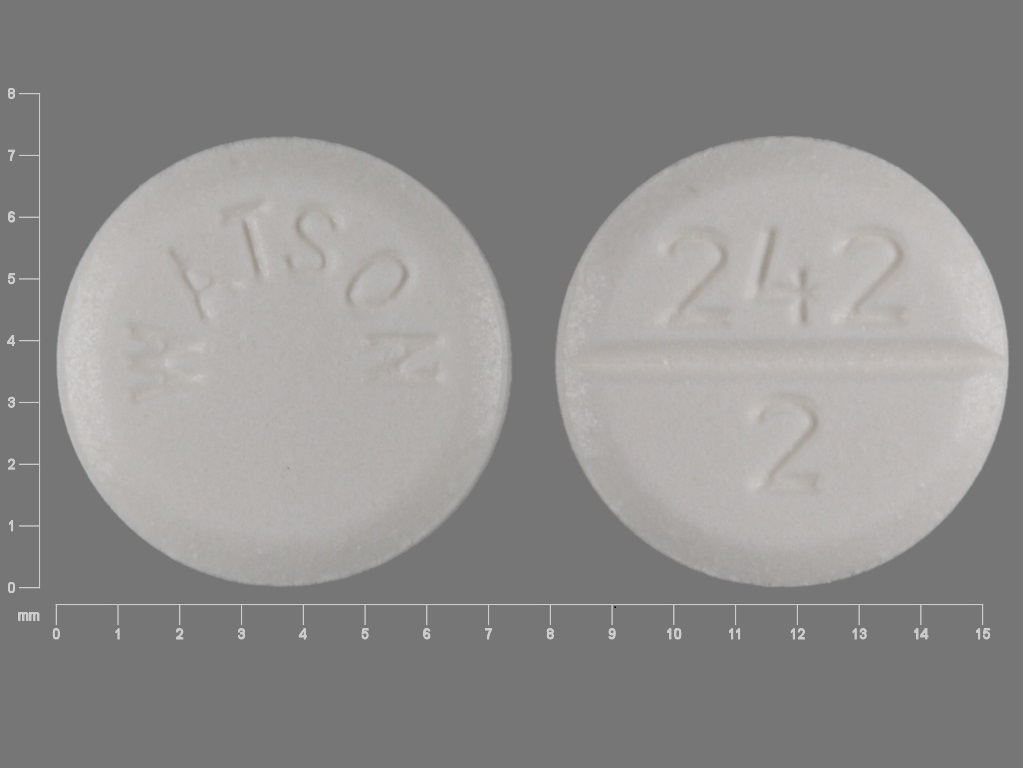


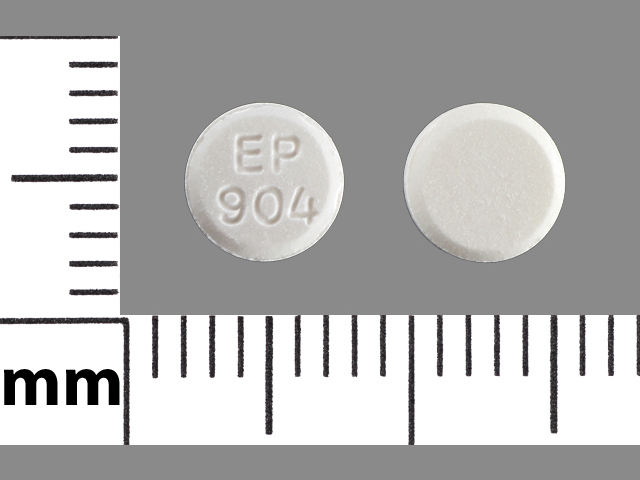


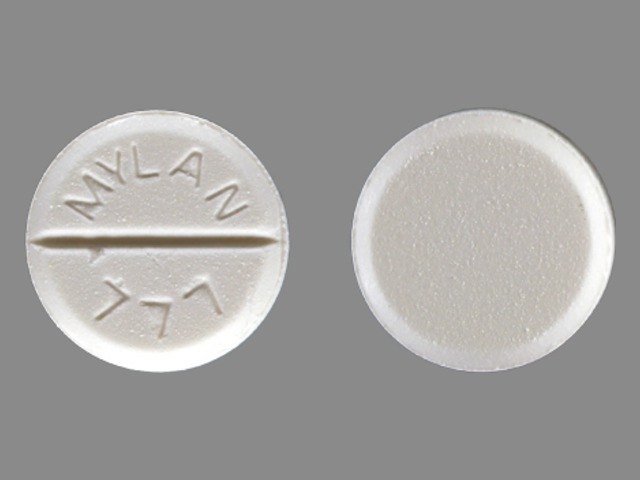
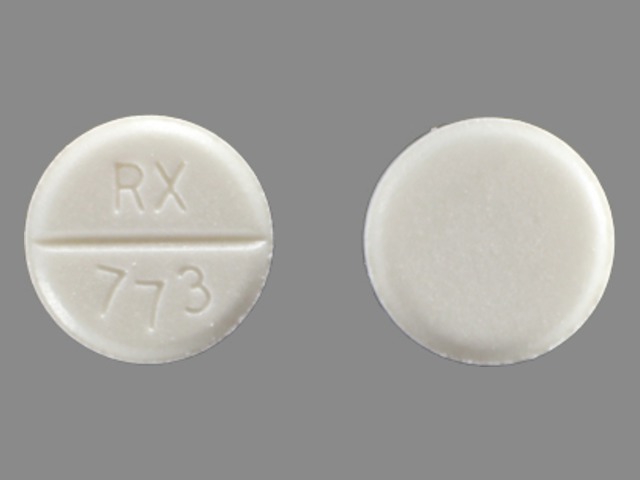


Lorazepam Side Effects
The most frequent adverse reactions include: sedation (15.9%), dizziness (6.9%), weakness (4.2%), and unsteadiness (3.4%). Incidence increases with age.
This is not a complete list of side effects. Contact your doctor for medical advice about side effects.
Lorazepam Warnings & Precautions
BOXED WARNING highlights three major risks: - Opioid Concomitant Use: Combined benzodiazepine-opioid therapy risks "profound sedation, respiratory depression, coma, and death." Prescribers should reserve this combination for inadequate alternative options and monitor closely. - Abuse, Misuse, Addiction: Lorazepam exposes users to "risks of abuse, misuse, and addiction, which can lead to overdose or death," especially when combined with alcohol, other drugs, or medications. - Physical Dependence & Withdrawal: Continued use may cause "clinically significant physical dependence." Abrupt discontinuation risks "life-threatening" withdrawal reactions including seizures. Gradual tapering is required. Additional Precautions: Use caution with respiratory compromise, hepatic/renal impairment, depression, or suicidal ideation. Elderly patients require lower doses due to increased sedation sensitivity.
Frequently Asked Questions
What is Lorazepam used for?
Lorazepam tablets treat anxiety disorders and provide "short-term relief of the symptoms of anxiety or anxiety associated with depressive symptoms." The medication is not recommended for everyday stress-related anxiety. Long-term effectiveness beyond 4 months has not been established through systematic clinical studies.
What are the common side effects of Lorazepam?
The most frequent adverse reactions include: sedation (15.9%), dizziness (6.9%), weakness (4.2%), and unsteadiness (3.4%). Incidence increases with age.
What forms does Lorazepam come in?
Tablet
Is Lorazepam safe to take?
Only take this medication as prescribed or directed by a licensed healthcare provider. Always read the full warnings section above and tell your doctor about any other medications you take.


