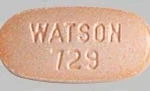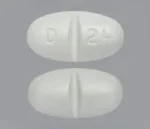

Halcion
Showing all 2 resultsSorted by popularity

Generic Halcion 25 mg
In stock
Price range: $613.80 through $2,046.00
Generic Halcion 50 mg
In stock
Price range: $613.80 through $2,046.00Halcion Prescription and Patient Safety Guide
Halcion is the brand name for triazolam, a short-acting benzodiazepine prescribed for short-term treatment of insomnia. It can help selected patients who have difficulty falling asleep, wake frequently during the night or experience significant sleep-related distress. It is not intended to replace evaluation of persistent insomnia, healthy sleep opportunities or treatment of an underlying medical, psychiatric or sleep disorder.
In the United States, triazolam is a prescription-only Schedule IV controlled substance. Current benzodiazepine labeling warns about abuse, misuse, addiction, physical dependence and withdrawal. Combining Halcion with an opioid can cause profound sedation, slowed or stopped breathing, coma and death. Alcohol and other central nervous system depressants can add to these risks.
Halcion must not be sold or used as a prescription-free sleeping pill. A legitimate prescription should follow a medical review of the insomnia, other medicines, alcohol or drug use, breathing problems, mental-health history, pregnancy status and the patient’s ability to remain in bed for a full night.
Critical Strength Correction for This Product Page
U.S. Halcion tablets are associated with strengths measured in fractions of a milligram, including 0.125 mg and 0.25 mg. Current triazolam labeling describes a maximum recommended adult dose of 0.5 mg once before bedtime. A listing that says “Halcion 25 mg” or “Halcion 50 mg” is not a minor formatting variation; it is 100 to 200 times the decimal strengths commonly associated with the branded tablets.
Remove any 25 mg or 50 mg Halcion product variation until a licensed pharmacist has verified the exact product. Never infer that “25 mg” means 0.25 mg. The dispensing label, manufacturer’s package and prescription must all show the same medicine and decimal strength.
What Responsible Prescribing Should Establish
- The sleep complaint is severe enough to justify a short course of medication.
- The patient has adequate time for a full night of sleep after the dose.
- Another condition, medicine or substance is not the main cause of insomnia.
- Opioids, alcohol, sedatives and strong CYP3A-interacting medicines have been reviewed.
- The patient understands next-day impairment, memory problems and unusual behavior warnings.
- A stop or follow-up plan exists before treatment begins.
What Halcion Is and When It May Be Used
Triazolam enhances the activity of gamma-aminobutyric acid, commonly called GABA, at benzodiazepine receptors in the central nervous system. This produces sedative and sleep-promoting effects. The medicine can act quickly, which is why it is taken only when the patient is ready to go to bed and can remain there for the required sleep period.
Current labeling describes Halcion for short-term treatment of insomnia, generally for 7 to 10 days. Persistent insomnia after that interval should prompt reassessment rather than automatic repeat purchasing. Some patients need longer evaluation, but continued benzodiazepine treatment is a clinician’s decision based on benefit, harm and the underlying diagnosis.
Insomnia Is a Symptom, Not One Single Disease
Difficulty sleeping may be related to stress, depression, anxiety, pain, sleep apnea, restless legs syndrome, circadian disruption, menopause, thyroid disease, stimulant use, alcohol, caffeine, another medicine or an unsuitable sleep schedule. A sedative may temporarily reduce awareness of the problem without correcting its cause.
Tell the prescriber about loud snoring, witnessed breathing pauses, gasping, morning headaches, uncomfortable leg sensations, nightmares, panic, low mood, mania, substance use and a work schedule that rotates through nights. These details can materially change the safest treatment.
Halcion Is Not an Everyday Sleep Supplement
Triazolam should not be used casually after a stressful day, borrowed for travel or taken to force sleep after stimulant use. It can impair judgment, coordination and memory even when the patient does not feel extremely sleepy. Repeated unsupervised use can lead to tolerance, dependence and withdrawal.
Halcion Strengths and Patient-Specific Directions
Branded Halcion has been supplied as 0.125 mg and 0.25 mg tablets. Generic triazolam products may look different and may use different imprints. A list of tablet strengths is product information, not a recommendation to select or combine tablets.
Current labeling states that the recommended dose for most adults is 0.25 mg before bedtime, while 0.125 mg may be sufficient for some patients. A 0.5 mg dose is reserved in labeling for patients who do not respond adequately to a lower dose, and it is the maximum recommended dose. Older adults have a lower labeled range and a lower maximum because adverse reactions are more likely. Only the prescriber should determine the individual regimen.
Take It Only at Bedtime
Use Halcion exactly as written on the patient-specific pharmacy label. Take it immediately before getting into bed, not earlier in the evening and not while continuing to work, cook, drive or use stairs. The patient should be able to stay in bed for a full night, generally seven to eight hours, before becoming active again.
Do not take a second tablet during the night because sleep has not occurred quickly enough. Do not combine it with another sleeping pill, an antihistamine, alcohol, cannabis, an opioid or a family member’s sedative. Contact the prescriber if the prescribed plan does not work.
If a Dose Is Missed
Halcion is usually used at bedtime rather than on a schedule that should be “caught up.” If the patient is already partway through the night or cannot remain asleep for the required time, the missed dose should not automatically be taken. Ask the prescriber or pharmacist for patient-specific instructions. Never double the next dose.
Do Not Adjust the Decimal Point
Triazolam doses are small, so decimal accuracy matters. A label reading 0.25 mg is not the same as 25 mg. Do not cut, combine or substitute tablets to recreate a dose unless the dispensing pharmacist confirms that the exact product can be used that way and the prescriber has ordered it.
Why Halcion Is Usually Limited to Short-Term Use
Sleep medicines can lose effectiveness, produce rebound symptoms or create physical dependence. In clinical studies supporting the label, some effectiveness was demonstrated through 14 nights, but the usual prescribed period is shorter. Treatment that continues without reassessment can conceal worsening depression, sleep apnea or another cause of insomnia.
Tolerance
Tolerance means that the same exposure produces less effect over time. It is unsafe to respond by adding tablets or buying a stronger product. Reduced benefit may reflect tolerance, an incorrect diagnosis, an interaction, alcohol use, a changed sleep schedule or a new medical problem.
Rebound Insomnia
Sleep can temporarily worsen after a benzodiazepine is stopped, particularly after repeated use. Rebound insomnia does not prove that the medicine is permanently necessary. The prescriber can distinguish a short withdrawal-related change from recurrence of the original sleep disorder.
Follow-Up When Insomnia Persists
Failure of insomnia to improve within 7 to 10 days may indicate a primary psychiatric or medical illness. Contact the prescriber rather than obtaining another supply from a different seller. The review may include sleep habits, breathing symptoms, mood, pain, medicines, substance use and the timing of light, work and caffeine.
Halcion Boxed Warnings: Opioids, Misuse, Dependence and Withdrawal
Halcion and other benzodiazepines carry prominent class warnings. These warnings apply even when a product is authentic and initially prescribed appropriately.
Opioid Combination
Taking a benzodiazepine with an opioid can cause extreme sleepiness, respiratory depression, coma and death. Opioids may be prescribed for pain or cough and can include products that a patient does not initially recognize as opioids. Tell every prescriber and pharmacist about Halcion before receiving pain, dental, cough or surgical medicine.
If combined treatment is considered medically necessary, current labeling directs clinicians to limit dose and duration and to monitor closely. A patient should not make the combination independently or assume that separating the medicines by a few hours removes the danger.
Abuse, Misuse and Addiction
Taking more than prescribed, using Halcion for intoxication, mixing it with other substances or obtaining it from several sources can lead to overdose and addiction. Risk can be higher in a person with a history of alcohol or drug misuse, but it is not limited to that group.
Physical Dependence
The body can adapt to triazolam. Physical dependence may occur after continued use even when the medicine is taken as directed. It is not identical to addiction, but it means abrupt stopping or a large reduction can trigger withdrawal.
Withdrawal Can Be Serious
Withdrawal symptoms may include increased anxiety, insomnia, irritability, sweating, tremor, muscle pain, perceptual changes and confusion. Severe withdrawal can cause seizures, hallucinations, delirium or other life-threatening reactions. Do not stop a regularly used benzodiazepine abruptly without medical advice.
Some patients report prolonged symptoms after discontinuation. A patient experiencing symptoms should contact the prescriber rather than restarting, increasing or purchasing triazolam without supervision.
Halcion Interactions and Combinations to Avoid
Triazolam is metabolized mainly through CYP3A. Medicines or foods that strongly inhibit this pathway can markedly increase triazolam exposure, while inducers can reduce exposure. A complete interaction review is essential before the first dose and whenever another medicine changes.
Strong CYP3A Inhibitors
Halcion is contraindicated with medicines that significantly impair oxidative metabolism through CYP3A. Current labeling identifies examples such as ketoconazole, itraconazole, nefazodone and certain HIV protease inhibitor regimens. The exact interaction depends on the medicine, dose and timing, so the prescriber and pharmacist must review the full list.
Some antibiotics, antifungals, antivirals and heart medicines can also raise exposure and may require avoidance or a different plan. Do not omit a short course of medicine from the interaction list simply because it is temporary.
Grapefruit
Grapefruit and grapefruit juice can increase triazolam exposure. Follow the product and prescriber instructions and avoid grapefruit unless the treating professional specifically says it is acceptable.
Alcohol and Other Sedatives
Alcohol can intensify sedation, memory impairment, poor coordination and breathing risk. Other relevant depressants include opioids, sleep medicines, sedating antihistamines, antipsychotics, muscle relaxants, gabapentinoids, cannabis and some seizure medicines. Do not use alcohol as a way to “boost” Halcion or to manage rebound insomnia.
Medicines That May Reduce Effect
CYP3A inducers can lower triazolam levels and change effectiveness. The patient should not compensate by adding tablets. The prescriber may need to change the interacting medicine or choose a different sleep treatment.
Common Halcion Side Effects and Next-Day Impairment
Commonly reported reactions include drowsiness, dizziness, light-headedness, headache, problems with coordination and nervousness. The risk of excessive sedation and impaired motor performance rises with a higher dose, inadequate sleep time, older age and combinations with other depressants.
Morning Drowsiness
Do not drive, operate machinery, work at height or perform a safety-sensitive task until the patient knows how Halcion affects them and is fully alert. Feeling awake after coffee does not prove that reaction time and judgment have returned to normal.
Falls
Dizziness, poor balance and nighttime confusion can lead to falls. Older adults are particularly vulnerable to fractures and injury. Clear the route to the bathroom, use adequate lighting and report any fall, near-fall or morning confusion to the prescriber.
Memory Problems
Triazolam can cause anterograde amnesia, meaning the patient may not remember events that occur after the dose. Risk increases when the patient does not obtain a full night of sleep or combines the medicine with alcohol or other sedatives.
Unexpected Agitation or Behavior Change
Paradoxical reactions such as agitation, irritability, disinhibition, aggression, hallucinations or unusual behavior can occur. A sudden change deserves prompt medical assessment and should not be managed by taking more medicine.
Serious Reactions and When to Seek Emergency Help
Call emergency services for slow or difficult breathing, inability to wake, collapse, seizure, severe confusion, a serious allergic reaction, dangerous behavior, suspected overdose or immediate risk of self-harm. Provide the medicine name, strength, approximate amount and time taken, along with all other substances involved.
Severe Sedation or Breathing Problems
Extreme sleepiness, shallow breathing, bluish lips, choking sounds or unresponsiveness may indicate life-threatening central nervous system depression. Do not let the person “sleep it off.” Place emergency services on the call immediately and follow their instructions.
Complex Sleep-Related Behavior
Sleep medicines can be associated with activity that the patient does not fully remember, such as eating, making calls, leaving the home or attempting to drive. Stop further doses and contact the prescriber urgently after any such event. Emergency help is appropriate if the person is missing, injured, driving or endangering others.
Worsening Depression or Suicidal Thinking
Insomnia can accompany depression, and sedative medicines do not treat the underlying mood disorder. New hopelessness, severe mood change, self-harm thoughts or threatening behavior requires urgent professional support.
Who Needs Special Caution with Halcion
A prescriber should evaluate medical and social factors that change the risk of triazolam. Online checkout questions are not enough when important history is missing.
Older Adults
Older adults can be more sensitive to benzodiazepines and are more likely to experience excessive sedation, confusion, falls and impaired coordination. Current labeling uses a lower initial range and lower maximum for geriatric patients. A family member should not divide or increase tablets on the patient’s behalf.
Breathing Disorders
Tell the prescriber about sleep apnea, chronic obstructive pulmonary disease, reduced respiratory reserve and any previous episode of medicine-related breathing suppression. Sedation can worsen risk, especially when combined with an opioid or alcohol.
Liver or Kidney Disease
Impaired medicine clearance can increase or prolong effects. The clinician may select another treatment or use closer observation. Do not infer safety from a normal dose used by someone else.
Pregnancy and Breastfeeding
Pregnancy, possible pregnancy and breastfeeding must be discussed before use. Benzodiazepine exposure can affect a fetus or newborn, and a pregnant patient who has used Halcion regularly should not stop abruptly without professional guidance because withdrawal can also be dangerous.
Substance-Use History
Disclose current or previous problems with alcohol, opioids, benzodiazepines or other drugs. This does not automatically prevent treatment, but it helps the clinician choose safer options, limit quantity and plan monitoring.
Stopping Halcion and Managing Continuing Insomnia
The correct discontinuation plan depends on duration, dose, frequency and the patient’s history. A brief prescribed course may not require the same plan as repeated daily use, but the patient should follow the prescriber’s instructions rather than improvising.
Do Not Create a Taper from Internet Examples
Generic taper schedules cannot account for other sedatives, seizure risk, pregnancy, liver function or previous withdrawal. A safe plan may require gradual reductions and follow-up. Never replace Halcion with another benzodiazepine from an unverified source.
Evidence-Based Insomnia Care
Cognitive behavioral therapy for insomnia, commonly called CBT-I, is an important non-drug treatment for chronic insomnia. It addresses sleep timing, conditioned wakefulness, time in bed and thoughts or behaviors that perpetuate insomnia. A clinician can also evaluate sleep apnea, restless legs, circadian problems, mood disorders and medicine-related causes.
Useful Information for Follow-Up
- Bedtime, estimated time to fall asleep and final wake time.
- Night awakenings and total sleep opportunity.
- Exact dose time and any missed or additional dose.
- Alcohol, caffeine, cannabis and other medicines used that day.
- Morning alertness, memory problems, falls or unusual behavior.
- Snoring, gasping, leg discomfort, panic, depression or pain.
Before the First Halcion Dose
The first dose should be planned, not taken impulsively. The patient should already understand the tablet strength, bedtime timing, expected sleep opportunity and substances that must be avoided. A safe environment matters because dizziness, memory loss or unusual behavior may occur before the individual knows how sensitive they are.
First-Dose Checklist
- Confirm the label says Halcion or triazolam and shows the correct decimal strength.
- Verify that no opioid, alcohol or unreviewed sedative was used that evening.
- Confirm that no contraindicated antifungal, antiviral or other CYP3A inhibitor has been started.
- Allow a full sleep period without an early drive, flight, meeting or caregiving duty.
- Finish essential tasks before taking the tablet.
- Make the route to the bathroom safe and keep emergency contact information available.
Do not take the first dose in a hotel, on an aircraft, before a long road trip or while responsible for a child or dependent adult overnight unless the prescriber has specifically reviewed the situation. A medicine that produces sleep rapidly can make it difficult to respond to an emergency.
After Taking the Dose
Go directly to bed. Do not continue browsing, shop online, prepare food, drink alcohol or make important decisions. Memory impairment can leave the patient unaware of conversations or activities performed after the dose.
The Next Morning
Assess alertness, balance, memory and reaction time before driving or working. If excessive sleepiness, confusion, a fall, an unexplained injury or evidence of nighttime activity occurred, do not take another dose until the prescriber has been contacted.
Distinguishing Expected Sedation from Unsafe Impairment
Sleepiness is an intended pharmacologic effect, but excessive or prolonged impairment is not something to ignore. The patient should be able to wake and breathe normally. A trusted person who notices very slow breathing, unusual snoring with long pauses or inability to awaken the patient should call emergency services.
Symptoms to Discuss Before the Next Dose
- Morning confusion or significant memory gaps.
- Unsteadiness, a fall or an injury.
- Unusual irritability, agitation or disinhibition.
- Excessive sleepiness continuing into the day.
- Worsening snoring, gasping or breathing pauses.
- Evidence of eating, calling, walking or leaving home without memory.
Symptoms That Cannot Wait
Breathing difficulty, collapse, seizure, inability to wake, severe allergy or dangerous confused behavior requires immediate care. Do not wait for the dispensing pharmacy to open and do not drive an impaired patient to obtain help.
Reviewing Halcion Benefit Without Escalating the Dose
A sleep diary is more useful than judging treatment from one difficult night. Record the estimated time to fall asleep, number of awakenings, total sleep opportunity and morning function. The goal is improved sleep with acceptable next-day safety—not unconsciousness or a stronger sedative sensation.
Reasons a Prescribed Dose May Appear Less Effective
- Caffeine, stimulant or decongestant use later in the day.
- Alcohol-related sleep fragmentation.
- A changed bedtime or insufficient sleep opportunity.
- Pain, depression, mania, sleep apnea or restless legs syndrome.
- A medicine that induces triazolam metabolism.
- Tolerance after repeated benzodiazepine exposure.
- An unverified, expired or improperly stored product.
These possibilities require assessment rather than a larger purchase. Increasing exposure can worsen amnesia, falls and respiratory risk without treating the cause of wakefulness.
When Sleep Improves
Improvement does not automatically justify continuing beyond the planned course. The original prescription should already include a review or stop point. The patient can use the period of better sleep to establish a consistent schedule and begin longer-term treatment when needed.
Halcion and Common Sleep-Related Scenarios
Jet Lag
Travel across time zones can disrupt sleep, but triazolam is not automatically appropriate for jet lag. Air travel, alcohol, unfamiliar surroundings and reduced mobility may add risk. A clinician should consider the itinerary, age, medical history and available sleep time.
Shift Work
A sedative does not correct a rotating schedule or guarantee safe alertness on the next shift. Shift workers need protected sleep time, light and caffeine planning and assessment for shift work disorder. Halcion should not be used to force a short daytime sleep before safety-sensitive work without clinical guidance.
Grief or Acute Stress
Short-lived insomnia after a major event may improve without a benzodiazepine. When medication is considered, the clinician should assess depression, self-harm risk, alcohol use and the need for psychological support. Emotional pain should not be repeatedly suppressed with escalating sedatives.
Insomnia After a Stimulant
Do not use Halcion to counteract an unprescribed stimulant, cocaine, methamphetamine, excessive caffeine or an incorrectly timed ADHD medicine. This “up-and-down” pattern can increase cardiovascular, behavioral and overdose risk. Report the actual substances used to a clinician.
Pain-Related Insomnia
Pain treatment may involve an opioid, creating a high-risk combination. The pain prescriber and sleep prescriber must coordinate. A patient should not use leftover Halcion on a night when an opioid was taken.
Questions to Ask the Prescriber or Pharmacist
- What specific sleep problem is Halcion intended to address?
- How many nights is the prescription intended to cover?
- Which medicines, foods and substances must be avoided?
- What should happen if the first dose does not help?
- What morning symptoms mean the medicine should be held?
- Will regular use require a taper rather than abrupt stopping?
- What longer-term insomnia treatment should begin now?
A licensed pharmacist can confirm tablet identity, decimal strength, interaction concerns and storage. The prescriber is responsible for deciding whether treatment remains appropriate and how it should end.
Branded Halcion, Generic Triazolam and Product Authenticity
An FDA-approved generic triazolam product must meet applicable quality and bioequivalence requirements. It may have a different color, shape, imprint, manufacturer or inactive ingredients. A different appearance is not proof that a product is counterfeit, but an unexpected change should be confirmed with the dispensing pharmacist before use.
Verify the Decimal Strength
- Confirm that the label says triazolam or Halcion.
- Check for the leading zero and decimal point in 0.125 mg or 0.25 mg.
- Confirm the patient’s name and bedtime directions.
- Match the quantity and tablet description with the pharmacy record.
- Do not accept a 25 mg or 50 mg listing as a substitute.
Possible Counterfeit or Mishandling Signs
Do not use loose tablets without a patient-specific label, damaged or damp tablets, inconsistent packaging, an altered expiration date, an unexpected imprint or a shipment from an unidentified source. Appearance alone cannot establish authenticity because counterfeit packaging can look convincing.
How to Evaluate an Online Halcion Prescription Service
A website offering immediate checkout does not make triazolam over the counter. A responsible service requires a valid prescription, uses appropriately licensed clinicians, identifies the dispensing pharmacy and provides access to a pharmacist.
Safer Online-Pharmacy Checklist
- The seller requires a real medical review and valid prescription.
- The pharmacy can be verified through the relevant state licensing database.
- A U.S. physical address and working telephone number are provided.
- A licensed pharmacist is available for interaction and storage questions.
- The exact product, decimal strength and manufacturer can be verified.
- The medicine arrives in a patient-specific, tamper-evident labeled container.
Online Seller Red Flags
- “No prescription,” “free prescription” or guaranteed approval claims.
- Products described as Halcion 25 mg or Halcion 50 mg.
- No licensed pharmacy or prescriber identity.
- Anonymous social-media ordering or cryptocurrency-only payment.
- Loose tablets, foreign labeling or no patient-specific directions.
- Promises that the product is addiction-free or safe with alcohol.
A padlock icon only shows that a connection may be encrypted. It does not verify the pharmacy, prescriber or medicine.
Safe Storage, Travel and Disposal
Keep Halcion in the original pharmacy-labeled container under the storage conditions stated for the exact product. Protect it from excessive heat, moisture and unauthorized access. Because it is controlled and can impair a person rapidly, secure storage is essential.
At Home
- Use a locked location away from children, visitors and anyone at risk of misuse.
- Keep tablets separate from nonprescription sleep products.
- Do not store them loose in a bedside cup or unmarked organizer.
- Maintain a count if diversion or accidental use is a concern.
- Never share a tablet with a partner or relative.
Travel
Carry triazolam in its pharmacy-labeled container and check destination rules before international travel. Do not use it for the first time on an aircraft, in a vehicle or in a place where a full, safe sleep period and medical help are unavailable.
Unused Medicine
Use an authorized medicine take-back option when available or follow current FDA disposal guidance for the exact product. Do not sell, donate or retain an unnecessary supply “just in case.”
Frequently Asked Questions About Halcion
What is Halcion?
Halcion is the brand name for triazolam, a short-acting prescription benzodiazepine used for short-term treatment of insomnia.
Is Halcion available without a prescription?
No. Triazolam is a prescription-only Schedule IV controlled substance in the United States.
Is Halcion 25 mg a normal tablet strength?
No. U.S. Halcion strengths are written with decimals, including 0.125 mg and 0.25 mg. A 25 mg listing should be removed and investigated, not interpreted as 0.25 mg.
Is Halcion 50 mg an approved strength?
No. Current labeling describes a maximum recommended adult dose of 0.5 mg, not 50 mg. Do not use or sell a product labeled 50 mg as Halcion.
How long is Halcion usually prescribed?
Current labeling describes short-term use, generally 7 to 10 days. Persistent insomnia should be reassessed by the prescriber.
Why must I have a full night available?
Getting up too soon increases the risk of sedation, memory impairment, poor coordination and unsafe behavior.
Can Halcion be taken with an opioid?
The combination can cause profound sedation, respiratory depression, coma and death. It should occur only when a qualified prescriber determines it is necessary and arranges close monitoring.
Can I drink alcohol after taking Halcion?
No. Alcohol can intensify sedation, memory loss, impaired coordination and breathing risk.
Can grapefruit interact with triazolam?
Yes. Grapefruit can increase triazolam exposure. Follow the prescriber and product instructions and avoid it unless specifically cleared.
Can Halcion cause memory loss?
Yes. Anterograde amnesia can occur, particularly when there is insufficient sleep time or the medicine is combined with other depressants.
Can Halcion cause dependence?
Yes. Physical dependence can develop with continued use, even when the prescription is followed.
Can Halcion be stopped suddenly?
Do not abruptly stop regular use without medical advice. Withdrawal can include severe symptoms such as seizures, hallucinations or delirium.
What should I do if Halcion stops working?
Contact the prescriber. Do not add tablets; tolerance, interactions, the diagnosis and other sleep factors need review.
Is generic triazolam the same as branded Halcion?
An FDA-approved generic contains the same active ingredient and must meet applicable quality and bioequivalence standards, although appearance and inactive ingredients may differ.
What symptoms require emergency help?
Slow or difficult breathing, inability to wake, collapse, seizure, severe confusion, serious allergic reaction, dangerous behavior or suspected overdose requires emergency care.
Can older adults use Halcion?
Some may be prescribed it, but they have greater risk of sedation, confusion and falls. Current labeling uses a lower starting range and lower maximum for geriatric patients.
Can Halcion treat chronic insomnia permanently?
No. It may provide short-term symptom relief but does not correct every underlying cause of chronic insomnia.
What should I do after unusual nighttime behavior?
Do not take another dose. Contact the prescriber urgently and use emergency help if the person is injured, driving, missing or endangering anyone.
How can I verify an online Halcion pharmacy?
Confirm the pharmacy through the relevant official state licensing database, require a valid prescription and verify pharmacist access, address and dispensing details.
How should Halcion be stored?
Keep it in the labeled container under the product’s storage conditions and in a secure, preferably locked location.
Medical Disclaimer and Authoritative Sources
This information is educational and does not replace diagnosis, prescribing, monitoring or emergency care from a qualified healthcare professional. Halcion is prescription-only and should be used only by the patient for whom it was prescribed. Call emergency services for severe sedation, slowed breathing, seizure, loss of consciousness, suspected overdose, serious allergic reaction or immediate danger of self-harm.