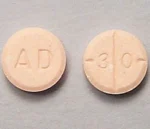

Adipex
Showing the single result

Generic Adipex-P 37.5 mg
In stock
Price range: $249.00 through $619.00Adipex (Phentermine): Complete Patient Information Guide
Adipex-P is a prescription weight-management medication containing phentermine hydrochloride. It may be prescribed for short-term use in certain adults with obesity or overweight accompanied by weight-related health conditions.
Adipex should be used only under the supervision of a licensed healthcare professional. It is intended to support—not replace—a reduced-calorie diet, regular physical activity, behavioral changes, adequate sleep, and ongoing medical monitoring.
Important: Adipex is a prescription-only controlled medication. Do not take it without a valid prescription, increase your dosage independently, share it with another person, or combine it with other weight-loss medicines unless specifically directed by your healthcare provider.
What Is Adipex?
Adipex is a brand-name form of phentermine hydrochloride. Phentermine belongs to a group of medications called sympathomimetic amines. These medicines stimulate parts of the central nervous system and may temporarily reduce appetite.
Adipex is not a permanent cure for obesity and should not be treated as a substitute for healthy eating or physical activity. Healthcare providers generally consider it only after reviewing a patient’s body mass index, medical history, current medications, cardiovascular health and previous weight-management efforts.
What Is Adipex Used For?
Adipex may be prescribed as part of a medically supervised, short-term weight-management program for certain adults who meet established clinical criteria.
Adults Who May Qualify
A healthcare provider may consider Adipex for an adult with:
- A body mass index of 30 kg/m² or greater, generally classified as obesity.
- A body mass index of 27 kg/m² or greater with at least one weight-related health condition.
- Insufficient weight loss after attempting diet, physical activity and behavioral changes.
- No medical condition or medication interaction that makes stimulant treatment unsafe.
Weight-Related Conditions
Conditions that may be considered during the prescribing decision include:
- High blood pressure
- Type 2 diabetes
- High cholesterol
- Dyslipidemia
- Other obesity-related health concerns
Meeting a body mass index threshold does not automatically mean Adipex is appropriate. The prescribing decision should be individualized by a qualified healthcare professional.
How Does Adipex Work?
Adipex acts on the central nervous system and may increase the activity of certain neurotransmitters, particularly norepinephrine. This action can temporarily reduce feelings of hunger and may help some patients follow a reduced-calorie eating plan.
Potential Effects
- Reduced appetite
- Feeling satisfied with smaller portions
- Less hunger between meals
- Improved adherence to a medically recommended calorie plan
- Short-term support during a structured weight-management program
Responses differ between patients. Adipex does not guarantee weight loss, and its effects may decrease with continued use. Long-term results depend largely on sustainable changes in nutrition, exercise, sleep, stress management and daily habits.
Is Adipex Intended for Long-Term Use?
Adipex is generally intended for short-term treatment, often for a limited number of weeks. The exact duration should be determined by the prescribing healthcare provider.
It is not usually intended for indefinite use because:
- Its appetite-suppressing effect may decrease over time.
- Longer use may increase the risk of adverse reactions.
- Phentermine has the potential for misuse and dependence.
- Regular medical assessment is needed to determine whether treatment remains appropriate.
Do not continue taking Adipex after your healthcare provider has advised you to stop.
Available Adipex Strengths and Dosage Forms
Phentermine products may be available in different strengths and formulations. Availability can vary by manufacturer, country and pharmacy.
| Strength | Possible Dosage Form | Important Note |
|---|---|---|
| 15 mg | Capsule in certain phentermine products | Not every strength is sold under the Adipex-P brand. |
| 30 mg | Capsule in certain phentermine products | Use only the exact product and strength prescribed. |
| 37.5 mg | Tablet or capsule depending on the product | Adipex-P is commonly associated with the 37.5 mg strength. |
Always check the medication name, strength, dosage form and directions printed on your prescription label. Different phentermine products may not be interchangeable without professional guidance.
How Is the Appropriate Dose Selected?
Only a licensed healthcare provider can determine the appropriate dosage. The prescribing decision may be based on:
- Current weight and body mass index
- Age
- Medical history
- Blood pressure and heart rate
- Cardiovascular health
- Kidney function
- Other prescription medications
- Previous responses to weight-management treatments
- Risk of stimulant-related side effects
Taking a larger dose does not necessarily result in greater weight loss. It may instead increase the risk of insomnia, high blood pressure, rapid heartbeat, anxiety and other adverse reactions.
How to Take Adipex Safely
Take Adipex exactly as directed by your healthcare provider and as written on the prescription label.
General Administration Instructions
- Take only the prescribed amount.
- Swallow the tablet or capsule with water.
- Take it at approximately the same time each day.
- Follow the meal-related instructions provided with your prescription.
- Do not crush, split or alter the medication unless your pharmacist confirms that it is appropriate.
- Continue following your recommended diet and activity plan.
Because Adipex may interfere with sleep, healthcare providers commonly direct patients to take it earlier in the day. Follow the exact schedule given to you rather than selecting a dosing time independently.
Never Do the Following
- Take more than the prescribed dose.
- Take it more frequently than directed.
- Use someone else’s prescription.
- Share your medication with another person.
- Combine it with another stimulant or weight-loss product without medical approval.
- Continue treatment longer than prescribed.
What Should You Do If You Miss a Dose?
Follow the missed-dose instructions supplied by your healthcare provider or pharmacist. In general, patients should not take an extra dose to compensate for a missed one.
- Do not double the next dose.
- Do not take additional tablets or capsules.
- Do not take a late dose without advice, particularly if it may interfere with sleep.
- Contact your pharmacist or healthcare provider when unsure.
Signs of a Possible Adipex Overdose
Taking too much phentermine can cause serious and potentially life-threatening symptoms. Seek emergency medical assistance immediately if an overdose is suspected.
Possible Overdose Symptoms
- Severe restlessness or agitation
- Tremors
- Very rapid or irregular heartbeat
- Chest pain
- Difficulty breathing
- Panic or extreme anxiety
- Confusion
- Hallucinations
- High fever
- Seizures
- Loss of consciousness
Do not wait for symptoms to become severe before seeking emergency help.
Who Should Not Take Adipex?
Adipex is not suitable for everyone. A healthcare provider may decide that the risks outweigh the potential benefits for patients with certain medical conditions or medication histories.
Cardiovascular Disease
Adipex is generally avoided in people with a history of significant cardiovascular disease, including:
- Coronary artery disease
- Previous heart attack
- Serious heart rhythm disorders
- Congestive heart failure
- Stroke
- Other significant heart or blood-vessel disease
Uncontrolled High Blood Pressure
Phentermine may increase blood pressure and heart rate. It may therefore be inappropriate for people whose hypertension is not adequately controlled.
Hyperthyroidism
People with an overactive thyroid may be advised not to take Adipex because stimulant medicines can worsen rapid heartbeat, tremors, anxiety, sweating and elevated blood pressure.
Glaucoma
Adipex may be inappropriate for people with glaucoma. Inform both your eye specialist and prescribing healthcare provider about any history of increased eye pressure.
History of Drug Misuse
Phentermine is classified as a Schedule IV controlled substance in the United States. Patients with a history of medication misuse, stimulant misuse or substance dependence require careful evaluation and may be offered another treatment.
Pregnancy
Adipex should not be used for weight loss during pregnancy. Intentional weight loss during pregnancy is generally not recommended because adequate nutrition and appropriate weight gain support fetal development.
Contact your healthcare provider promptly if you become pregnant during treatment.
Breastfeeding
Phentermine is generally avoided during breastfeeding unless a qualified healthcare professional determines otherwise. Discuss potential risks and alternative treatment options with your healthcare provider.
Recent MAOI Use
Do not take Adipex during treatment with a monoamine oxidase inhibitor or within the period specified by the prescribing information after stopping one. This combination can cause a dangerous increase in blood pressure and other serious reactions.
Allergy to Phentermine
Do not use Adipex if you have previously experienced an allergic reaction to phentermine, related stimulant medicines or any ingredient in the prescribed product.
Before Taking Adipex
Give your healthcare provider a complete and accurate account of your medical history, medications and supplements before treatment begins.
Medical Conditions to Discuss
- Heart disease
- High blood pressure
- Previous stroke
- Diabetes
- Kidney disease
- Liver disease
- Thyroid disease
- Glaucoma
- Seizure disorders
- Anxiety disorders
- Depression
- Bipolar disorder
- Agitation or severe restlessness
- History of substance misuse
- Pregnancy or plans to become pregnant
- Breastfeeding
Medicines and Products to Report
- Prescription medications
- Over-the-counter medicines
- Cold, cough and allergy products
- Decongestants
- Vitamins
- Herbal supplements
- Energy products
- Weight-loss supplements
- Other stimulant medicines
Checks Your Healthcare Provider May Perform
- Weight and height measurement
- Body mass index calculation
- Blood pressure check
- Heart-rate check
- Cardiovascular assessment
- Medication review
- Evaluation of weight-related health conditions
Patients Who May Require Additional Monitoring
Some patients may be considered for treatment but require closer follow-up, dosage limitations or additional testing.
Diabetes
Weight loss and reduced food intake can affect blood glucose levels. Patients with diabetes should monitor their blood sugar as instructed and report symptoms of low or high blood sugar.
Do not independently reduce or stop insulin or other diabetes medicines. Your healthcare provider may adjust them as your weight, eating habits or blood glucose levels change.
Kidney Disease
Kidney function may influence how phentermine is cleared from the body. Inform your healthcare provider if you have:
- Chronic kidney disease
- Reduced kidney function
- A history of kidney stones
- Dialysis treatment
Liver Disease
Discuss hepatitis, fatty liver disease, cirrhosis, abnormal liver tests or other liver conditions with your healthcare provider before starting treatment.
Older Adults
Older adults may be more sensitive to stimulant-related side effects. Healthcare providers may consider heart health, kidney function, blood pressure, fall risk and possible medication interactions before prescribing Adipex.
Children and Adolescents
Adipex is not appropriate for every age group. It should only be used when specifically prescribed for an eligible patient by a qualified healthcare provider. Never give an adult’s medication to a child or teenager.
Potential Benefits of Adipex
When prescribed appropriately and combined with lifestyle treatment, Adipex may offer short-term support by:
- Reducing appetite
- Helping some patients feel full with smaller meals
- Reducing hunger between planned meals
- Supporting adherence to a calorie-controlled diet
- Helping initiate progress in a medically supervised program
Individual results vary. No specific amount or rate of weight loss can be guaranteed.
What Weight-Loss Results Can You Expect?
The amount of weight lost depends on several factors, including:
- Starting weight
- Daily calorie intake
- Physical activity
- Sleep quality
- Medical conditions
- Medication tolerance
- Consistency with the treatment plan
- Individual biological response
Your healthcare provider may assess more than the number on the scale. Monitoring may also include blood pressure, blood glucose, cholesterol, waist measurement, physical function and improvement in weight-related health concerns.
If the medicine is not producing a clinically meaningful benefit or is causing unacceptable side effects, your healthcare provider may discontinue it or discuss another approach.
Common Adipex Side Effects
Not everyone experiences side effects. Some reactions may improve as the body adjusts, while others may require medical attention.
- Dry mouth
- Difficulty sleeping
- Nervousness
- Restlessness
- Dizziness
- Headache
- Constipation
- Tremor
- Irritability
- Increased heart rate
- Increased blood pressure
- Unusually strong appetite suppression
Contact your healthcare provider if a side effect is persistent, worsening or interfering with daily activities.
Serious Side Effects Requiring Urgent Medical Attention
Seek urgent or emergency medical care if you experience:
- Chest pain
- Severe shortness of breath
- Fainting
- Swelling of the ankles or legs
- Fast, pounding or irregular heartbeat
- Severe dizziness
- Confusion
- Hallucinations
- Seizures
- Sudden weakness
- Difficulty speaking
- Significant vision changes
- Loss of consciousness
- Symptoms of a severe allergic reaction
Symptoms of an Allergic Reaction
Stop taking the medication and seek immediate medical care if you develop:
- Hives
- Severe rash or itching
- Swelling of the face, lips, tongue or throat
- Difficulty breathing
- Difficulty swallowing
Heart and Blood-Pressure Warnings
Adipex can affect the cardiovascular system. Your healthcare provider may monitor your blood pressure and heart rate before and during treatment.
Patients should promptly report:
- New chest discomfort
- Unusually rapid heartbeat
- Irregular heartbeat
- Shortness of breath
- Fainting
- Leg or ankle swelling
- Significantly elevated blood-pressure readings
Do not stop prescribed blood-pressure medication unless your healthcare provider instructs you to do so.
Mental Health and Mood Changes
Stimulant medicines can sometimes affect mood, anxiety, sleep and behavior. Contact your healthcare provider if you notice:
- Severe anxiety
- Panic symptoms
- Agitation
- Unusual irritability
- Depression
- Mood swings
- Unusual behavior
- Hallucinations
- Thoughts of self-harm
Thoughts of self-harm or severe changes in behavior require immediate professional assistance.
Adipex and Sleep Problems
Difficulty sleeping is a commonly reported side effect. Measures that may help include:
- Taking the medication at the prescribed time.
- Avoiding an unapproved late-day dose.
- Limiting caffeine when it worsens restlessness or insomnia.
- Maintaining a consistent sleep schedule.
- Avoiding highly stimulating activities near bedtime.
Persistent or severe insomnia should be discussed with your healthcare provider.
Dependence, Misuse and Controlled-Substance Warning
Phentermine has the potential for misuse and dependence. To reduce these risks:
- Take only the amount prescribed.
- Do not use it for longer than directed.
- Never share it with another person.
- Keep it in a secure location.
- Do not combine it with recreational stimulants.
- Tell your healthcare provider about any history of substance misuse.
Adipex Drug Interactions
Adipex can interact with prescription medicines, over-the-counter products and supplements. This is not a complete interaction list.
Prescription Medicines
Tell your healthcare provider if you use:
- Monoamine oxidase inhibitors
- Other stimulant medications
- ADHD medicines
- Antidepressants
- Blood-pressure medicines
- Diabetes medicines
- Other prescription weight-loss medicines
- Medicines that affect heart rate or blood pressure
Over-the-Counter Medicines
Some cold, allergy and cough products contain stimulating ingredients. Discuss the use of:
- Decongestants
- Cold and flu medicines
- Allergy products
- Cough remedies
- Energy products
Vitamins and Herbal Supplements
Inform your healthcare provider about all supplements, including products marketed for energy, appetite control or fat burning.
Products requiring particular caution may include:
- Guarana
- Ginseng
- Yohimbe
- Concentrated green tea extracts
- St. John’s wort
- High-stimulant pre-workout products
- Unapproved weight-loss supplements
A product being described as “natural” does not guarantee that it is safe to combine with Adipex.
Can Adipex Be Taken With Vitamins?
Some standard vitamins may be compatible with Adipex, but combinations should still be reviewed by a pharmacist or healthcare provider. This is especially important for products containing stimulants, concentrated herbal extracts or ingredients marketed for appetite suppression.
Discuss the following before use:
- Multivitamins
- Herbal products
- Energy supplements
- Weight-loss supplements
- Protein or workout supplements
- High-dose individual vitamins or minerals
Alcohol and Adipex
Alcohol may worsen certain Adipex side effects, including:
- Dizziness
- Difficulty concentrating
- Impaired judgment
- Changes in heart rate
- Changes in blood pressure
- Sleep disruption
Follow your healthcare provider’s advice about whether alcohol should be avoided completely during treatment.
Caffeine and Adipex
Caffeine may increase stimulant-related effects in some patients. Excess coffee, energy drinks or other caffeinated products may worsen:
- Jitteriness
- Anxiety
- Rapid heartbeat
- High blood pressure
- Tremors
- Insomnia
Ask your healthcare provider whether you should reduce or avoid caffeine.
Driving and Operating Machinery
Do not drive, operate machinery or perform hazardous tasks until you understand how Adipex affects you.
Avoid these activities if you experience dizziness, impaired concentration, unusual agitation, visual changes or any symptom that could reduce your ability to respond safely.
Pregnancy and Breastfeeding
Pregnancy
Adipex should not be used to promote weight loss during pregnancy. Contact your healthcare provider promptly if you become pregnant or think you may be pregnant while taking it.
Breastfeeding
Discuss breastfeeding with your healthcare provider before taking Adipex. A different weight-management strategy may be recommended to avoid potential risks to a nursing infant.
Healthy Habits During Adipex Treatment
Medication is only one part of a weight-management plan. Patients are generally advised to work on sustainable habits that can continue after treatment ends.
Follow a Balanced Eating Plan
Depending on your individual dietary plan, healthy food choices may include:
- Vegetables
- Whole fruits
- Whole grains
- Lean protein
- Beans and legumes
- Appropriate portions of healthy fats
Foods and beverages that may need to be limited include:
- Sugary drinks
- Highly processed snacks
- Fried foods
- Frequent sweets
- Large portion sizes
- High-calorie beverages
Stay Physically Active
Choose activities appropriate for your health and fitness level. Options may include:
- Walking
- Cycling
- Swimming
- Resistance training
- Yoga
- Low-impact aerobic activity
Patients with heart disease, joint problems, diabetes or other medical conditions should consult a healthcare provider before beginning a new exercise program.
Stay Hydrated
Dry mouth is a possible side effect of Adipex. Drinking adequate water may support hydration and general health. Patients with kidney, heart or fluid-balance conditions should follow their healthcare provider’s specific fluid recommendations.
Get Adequate Sleep
Poor sleep can influence appetite, cravings, stress and energy. Many adults benefit from approximately seven to nine hours of sleep, although individual requirements differ.
Monitoring During Treatment
Regular follow-up appointments help your healthcare provider determine whether treatment is effective and safe.
Monitoring May Include
- Body-weight changes
- Blood pressure
- Heart rate
- Medication side effects
- Sleep quality
- Mood or behavioral changes
- Blood glucose when relevant
- Progress toward health goals
- Need for continued treatment
Do not skip follow-up appointments or continue treatment without the recommended monitoring.
When to Contact Your Healthcare Provider
Contact your healthcare provider if you experience:
- Side effects that persist or worsen
- New or unexpected symptoms
- Persistent insomnia
- Significant blood-pressure increases
- Rapid or irregular heartbeat
- Mood or behavioral changes
- Difficulty following the prescribed dosage
- Questions about another medicine or supplement
- Pregnancy during treatment
- No meaningful benefit from treatment
Seek emergency assistance for chest pain, fainting, severe breathing difficulty, seizures, loss of consciousness or signs of a severe allergic reaction.
Adipex Storage Instructions
Store the medication according to the directions on the prescription label and product packaging.
- Keep it at the recommended room temperature.
- Protect it from excessive heat and moisture.
- Keep it away from direct sunlight.
- Store it in its original labeled container.
- Keep the container securely closed.
- Keep it out of the reach of children, pets and other people.
- Avoid storing it in a humid bathroom unless instructed otherwise.
Because phentermine is a controlled substance, secure storage is particularly important.
How to Dispose of Unused Adipex
Do not keep unused controlled medication unnecessarily and never give it to another person.
- Use an authorized medication take-back program when available.
- Ask your pharmacist about local disposal options.
- Follow applicable local or national disposal guidance.
- Remove or obscure personal information on the prescription label before discarding an empty container.
- Do not flush the medication unless official guidance specifically instructs you to do so.
Frequently Asked Questions About Adipex
What is Adipex used for?
Adipex is used as part of a short-term, medically supervised weight-management program for certain adults with obesity or overweight accompanied by weight-related health conditions.
Is Adipex the same as phentermine?
Adipex-P is a brand-name product containing phentermine hydrochloride. Other phentermine products may be available in different strengths or dosage forms.
Is Adipex available without a prescription?
No. Adipex is a prescription-only controlled medication and should be used only by the patient for whom it was prescribed.
How long can Adipex be taken?
Adipex is generally intended for short-term use. Your healthcare provider will determine the appropriate duration based on your response, side effects and overall health.
Can Adipex cure obesity?
No. Obesity is a complex, chronic condition. Adipex may provide temporary appetite-control support but does not cure obesity or replace long-term lifestyle and medical management.
Does Adipex guarantee weight loss?
No. Individual responses vary, and no amount of weight loss can be guaranteed. Results depend on diet, activity, medical conditions, treatment adherence and other factors.
Should I follow a diet while taking Adipex?
Yes. Adipex is intended to be combined with a professionally recommended reduced-calorie eating plan and healthy lifestyle changes.
Can I exercise while taking Adipex?
Physical activity is commonly included in weight-management plans. Ask your healthcare provider what type and intensity of exercise are safe for you.
Can I drink coffee while taking Adipex?
Caffeine may worsen jitteriness, insomnia, anxiety, rapid heartbeat or high blood pressure. Discuss an appropriate caffeine limit with your healthcare provider.
Can I drink alcohol while taking Adipex?
Alcohol may increase dizziness, impaired judgment and cardiovascular effects. Follow your healthcare provider’s recommendations.
What should I do if I miss a dose?
Follow the instructions supplied with your prescription. Do not double the next dose or take extra medication without professional guidance.
Can I take Adipex later in the day?
Late dosing may increase the risk of insomnia. Take it only at the time directed on your prescription.
Can Adipex interact with other medicines?
Yes. Interactions may occur with MAO inhibitors, stimulants, antidepressants, decongestants, diabetes medicines, blood-pressure medicines and other products. Provide a complete medication list to your healthcare provider.
Can Adipex be combined with another weight-loss medication?
Do not combine it with another prescription or nonprescription weight-loss product unless the combination has been specifically prescribed and monitored by a qualified healthcare provider.
Can Adipex be taken with vitamins?
Some standard vitamins may be acceptable, but herbal, energy and weight-loss supplements may contain interacting ingredients. Ask your pharmacist or healthcare provider before combining products.
Can I share Adipex with a family member?
No. Sharing a controlled prescription medication is unsafe and may also be unlawful. Another person may have contraindications or drug interactions that are not immediately apparent.
Can Adipex cause insomnia?
Yes. Difficulty sleeping is a commonly reported side effect. Contact your healthcare provider if it becomes persistent or severe.
Can Adipex increase blood pressure?
It may increase blood pressure or heart rate in some patients. Regular monitoring may be required.
Is Adipex addictive?
Phentermine has the potential for misuse and dependence. Use only the prescribed amount, store it securely and do not continue treatment longer than directed.
Can Adipex be used during pregnancy?
No. Weight-loss treatment with Adipex is not appropriate during pregnancy. Contact your healthcare provider promptly if pregnancy occurs.
Can Adipex be used while breastfeeding?
It is generally avoided during breastfeeding unless a healthcare provider determines otherwise. Discuss safer alternatives.
How often should I see my healthcare provider?
Attend all appointments recommended by your prescriber. Follow-up frequency depends on your health, blood pressure, treatment response and side effects.
What happens when Adipex is stopped?
Appetite may increase after treatment ends. Maintaining healthy eating, activity, sleep and behavioral strategies is important for continued weight management.
What should I do if Adipex is not working?
Do not increase your dose. Speak with your healthcare provider, who can assess adherence, side effects, health changes and whether treatment should be continued or changed.
Key Patient Safety Points
- Adipex contains phentermine hydrochloride.
- It is a prescription-only controlled medication.
- It is generally intended for short-term use.
- It should be combined with diet, physical activity and behavioral changes.
- It is not safe or appropriate for every patient.
- Do not increase the dose without medical instruction.
- Do not combine it with other stimulants or weight-loss products without approval.
- Never share it with another person.
- Attend all recommended monitoring appointments.
- Seek immediate help for serious cardiovascular, neurological or allergic symptoms.
Medical Disclaimer
This content is provided for general educational purposes only. It does not provide medical advice and is not intended to diagnose, treat, cure or prevent any disease or medical condition.
Always consult a licensed physician, pharmacist or other qualified healthcare professional before starting, stopping or changing Adipex, phentermine or any other medication. Individual prescribing decisions must be based on the patient’s medical history, current medicines, examination findings and applicable prescribing information.
Seek immediate emergency assistance for chest pain, severe breathing difficulty, fainting, seizures, loss of consciousness, severe behavioral changes, suspected overdose or symptoms of a serious allergic reaction.
Medical References
- U.S. Food and Drug Administration prescribing information for phentermine-containing products
- DailyMed prescribing information for Adipex-P and phentermine hydrochloride
- National Institute of Diabetes and Digestive and Kidney Diseases resources on adult weight management
- American Association of Clinical Endocrinology guidance related to obesity treatment
- American Heart Association resources concerning weight management and cardiovascular health