
Lisinopril – Uses, Side Effects, Dosage & Pill Identifier
Pharmacologic Class: Angiotensin-converting enzyme (ACE) inhibitor
Brand Names
Lisinopril and Hydrochlorothiazide
What Is Lisinopril Used For?
Lisinopril is indicated for: treatment of hypertension in adults and pediatric patients 6 years and older; adjunct therapy for heart failure; and reduction of mortality following acute myocardial infarction. The medication works by lowering blood pressure to reduce risk of cardiovascular events like strokes and heart attacks.
Available Forms & Dosage
| Forms | Tablet |
|---|---|
| Strengths | LISINOPRIL 10 mg; LISINOPRIL 10 mg;HYDROCHLOROTHIAZIDE 12.5 mg; LISINOPRIL 2.5 mg; LISINOPRIL 20 mg; LISINOPRIL 20 mg;HYDROCHLOROTHIAZIDE 12.5 mg; LISINOPRIL 20 mg;HYDROCHLOROTHIAZIDE 25 mg; LISINOPRIL 30 mg; LISINOPRIL 40 mg; LISINOPRIL 5 mg |
Always follow the dose and schedule your prescriber or the product label specifies — do not change your dose based on this page.
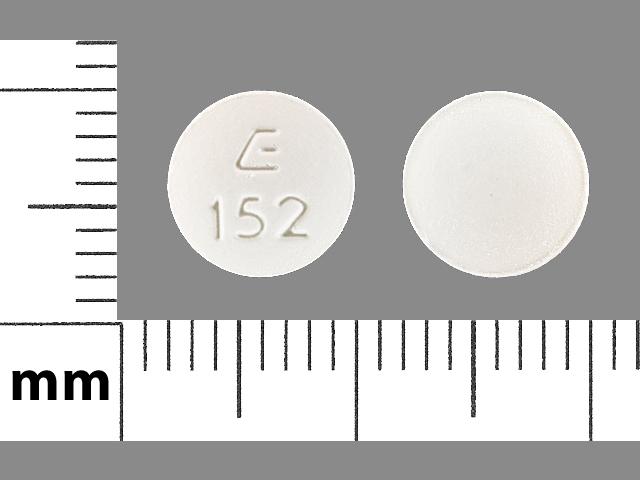
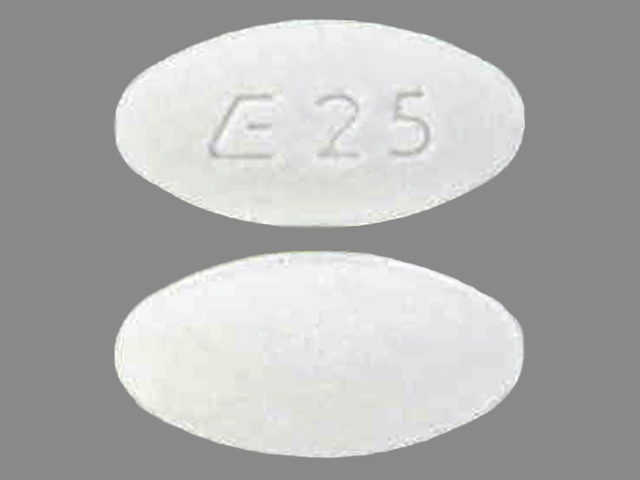
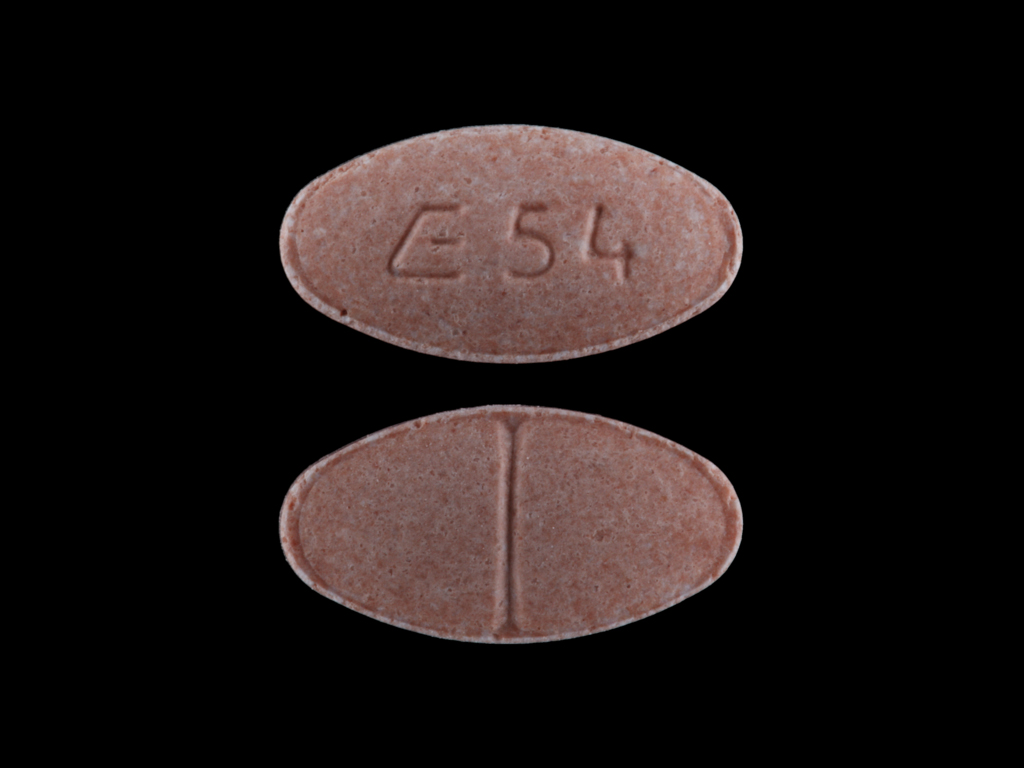
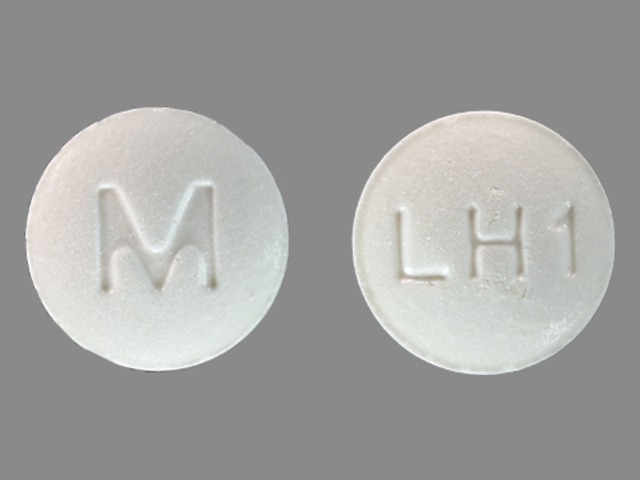
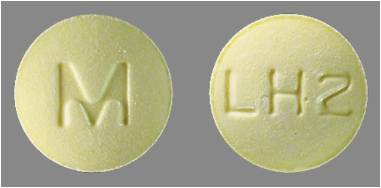
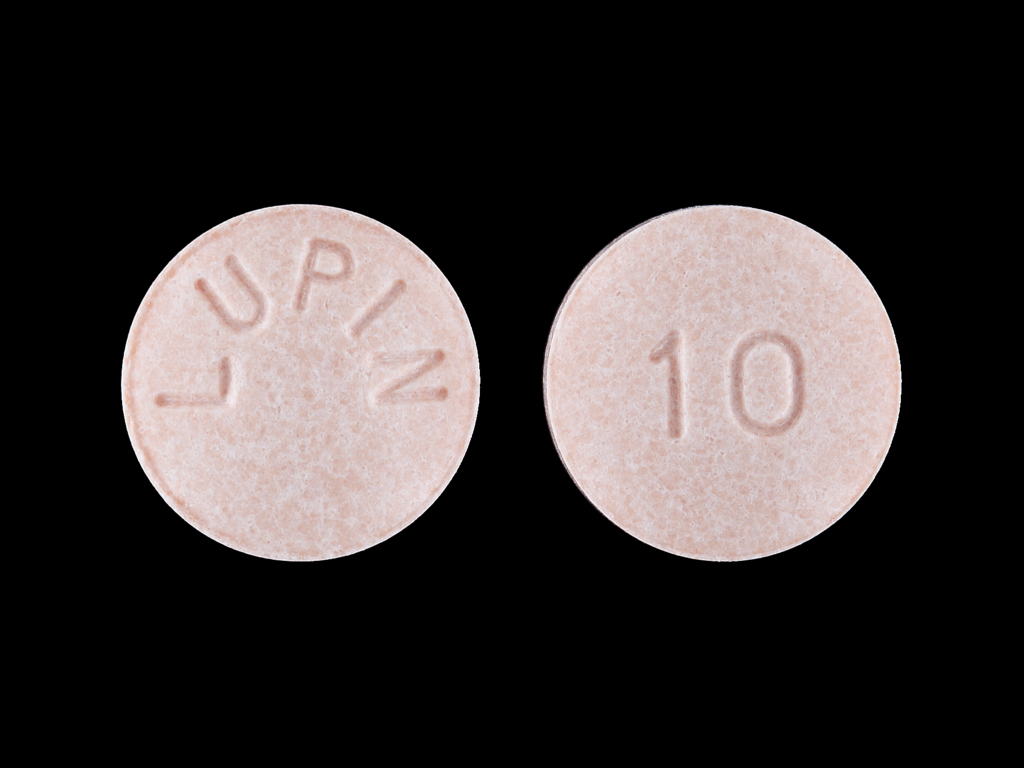
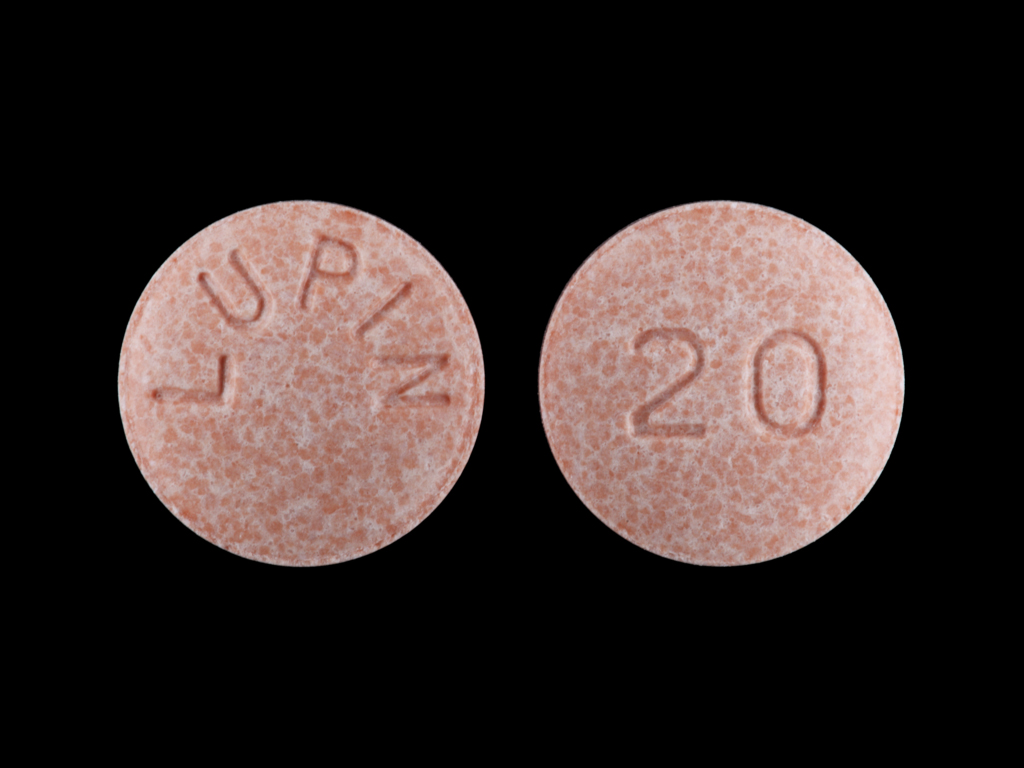
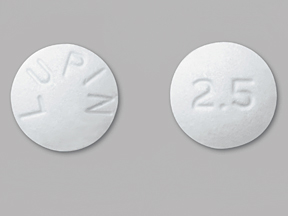
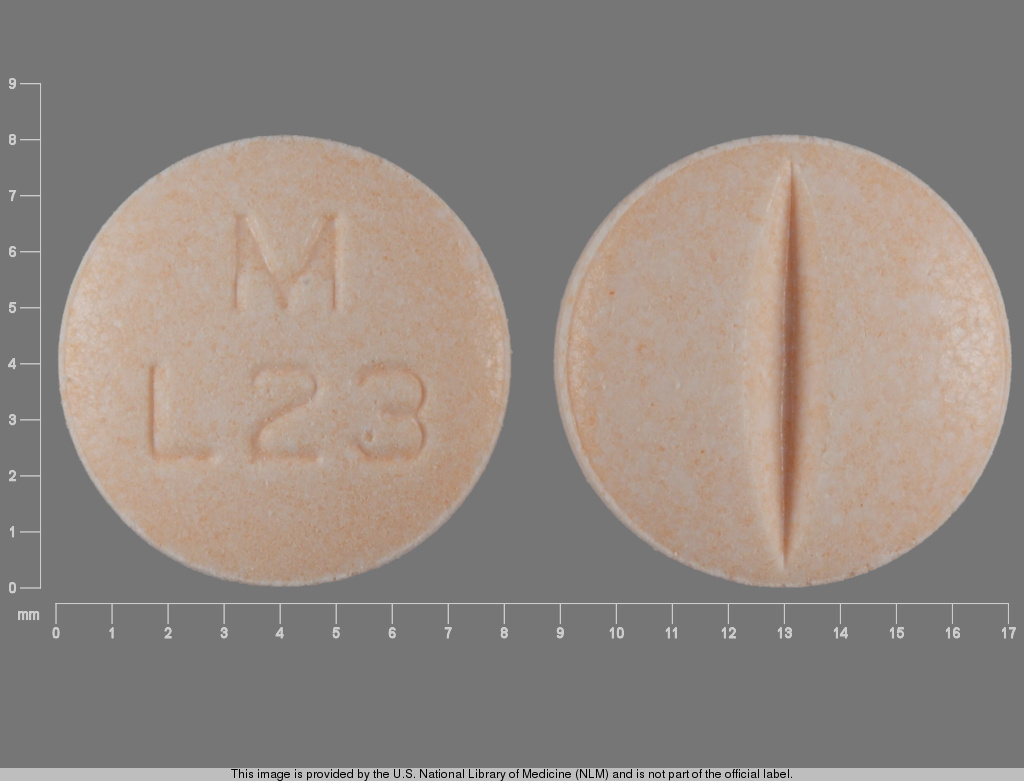
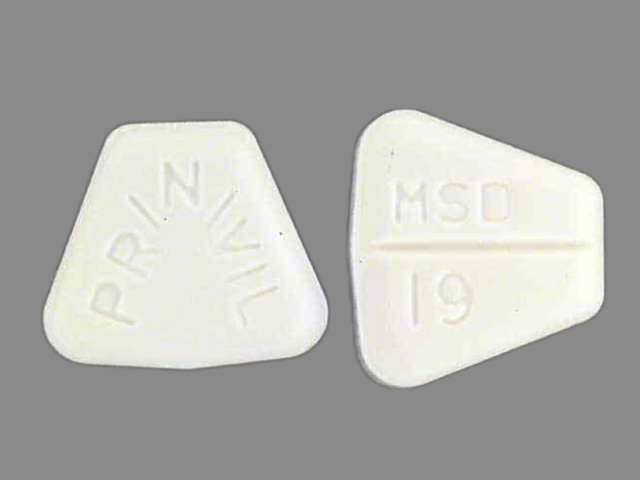
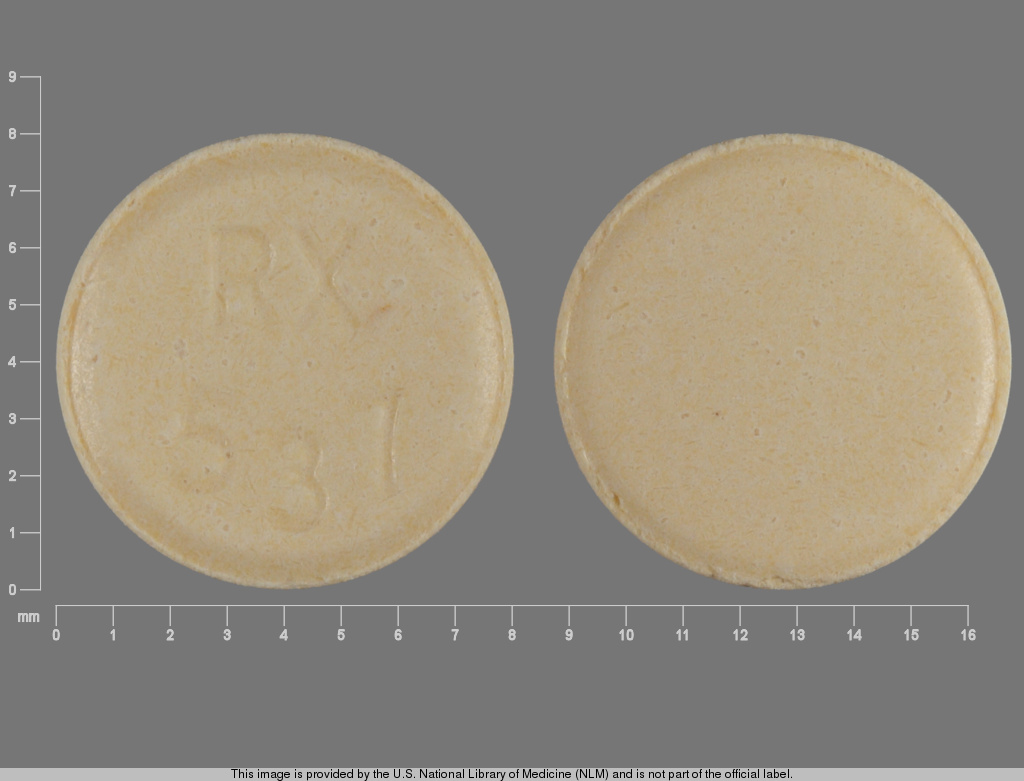
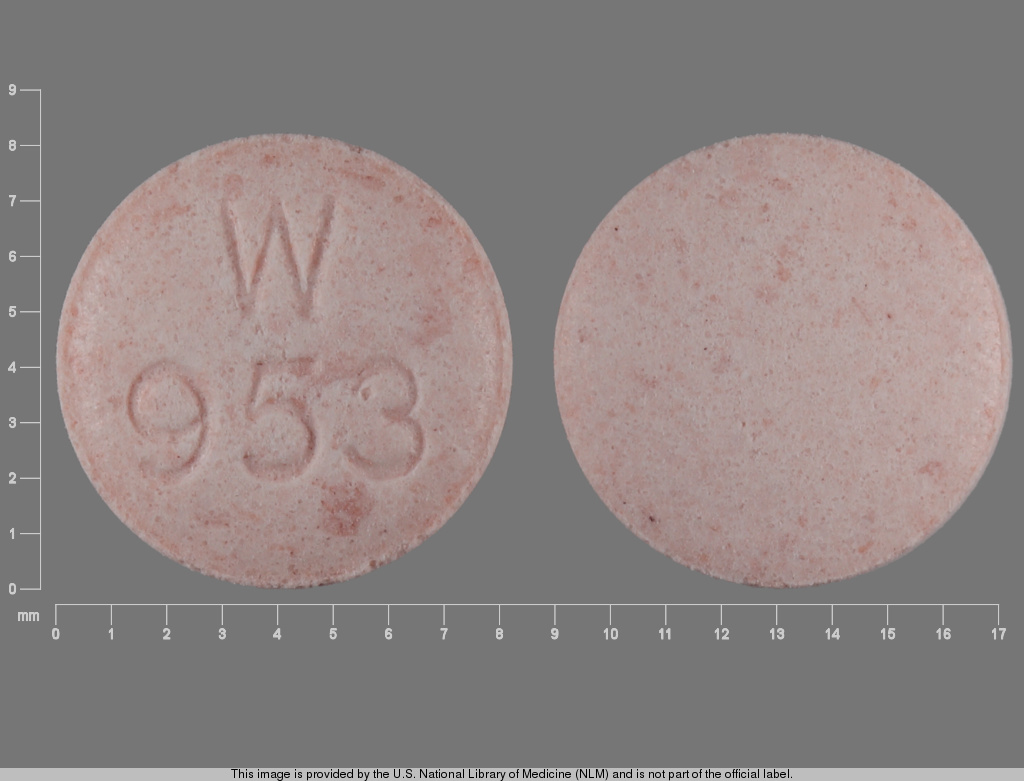
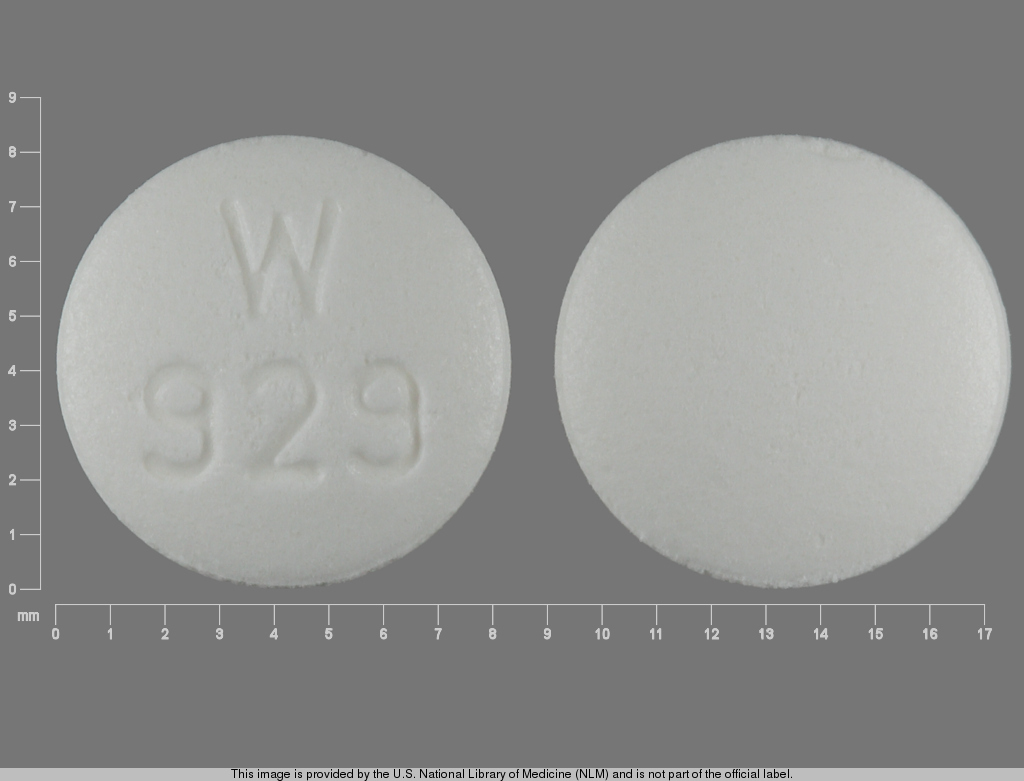
All Pill Identifiers for Lisinopril (970)
Every pill in our database containing this medication. Click a pill to see its imprint, shape, colour, and manufacturer in detail.






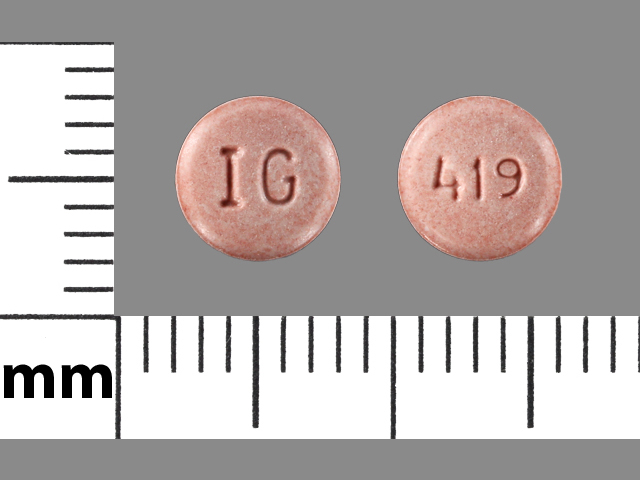

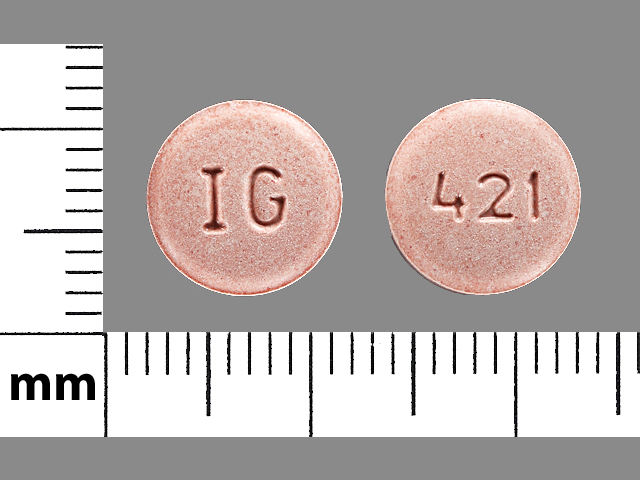

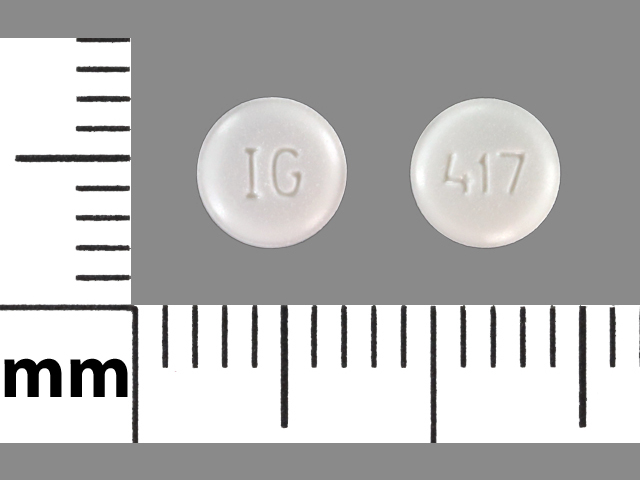


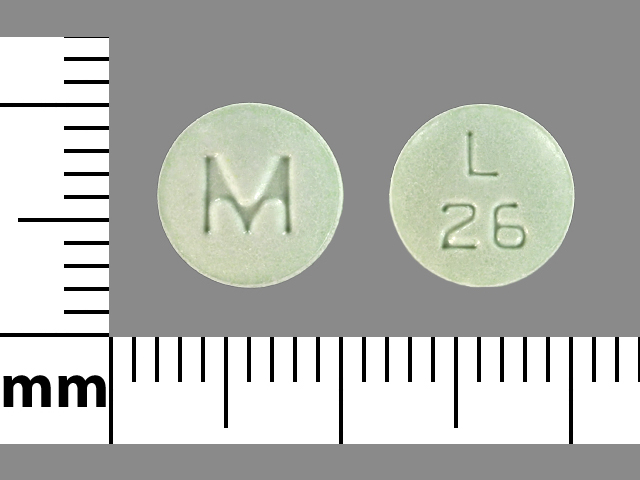














Lisinopril Side Effects
Hypertension: headache (3.8% above placebo), dizziness (3.5%), cough (2.5%) Heart Failure: hypotension (3.8% above placebo), chest pain (2.1%) Acute MI: higher incidence of hypotension and renal dysfunction compared to untreated patients
This is not a complete list of side effects. Contact your doctor for medical advice about side effects.
Lisinopril Warnings & Precautions
BOXED WARNING: BOXED WARNING - FETAL TOXICITY: "When pregnancy is detected, discontinue Lisinopril Tablets as soon as possible." ACE inhibitors can cause injury and death to developing fetuses, particularly during the second and third trimesters. Key warnings include: - Angioedema: Can occur at any time; may involve face, lips, tongue, or airway—potentially fatal - Renal impairment: Monitor kidney function; risk of acute renal failure in vulnerable patients - Hypotension: Risk especially in heart failure, volume depletion, or concurrent diuretic use - Hyperkalemia: Monitor potassium levels; increased risk with renal insufficiency or diabetes | BOXED WARNING - FETAL TOXICITY: "When pregnancy is detected, discontinue Lisinopril Tablets as soon as possible." ACE inhibitors can cause injury and death to developing fetuses, particularly during the second and third trimesters. Key warnings include: - Angioedema: Can occur at any time; may involve face, lips, tongue, or airway—potentially fatal - Renal impairment: Monitor kidney function; risk of acute renal failure in vulnerable patients - Hypotension: Risk especially in heart failure, volume depletion, or concurrent diuretic use - Hyperkalemia: Monitor potassium levels; increased risk with renal insufficiency or diabetes
Frequently Asked Questions
What is Lisinopril used for?
Lisinopril is indicated for: treatment of hypertension in adults and pediatric patients 6 years and older; adjunct therapy for heart failure; and reduction of mortality following acute myocardial infarction. The medication works by lowering blood pressure to reduce risk of cardiovascular events like strokes and heart attacks.
What are the common side effects of Lisinopril?
Hypertension: headache (3.8% above placebo), dizziness (3.5%), cough (2.5%) Heart Failure: hypotension (3.8% above placebo), chest pain (2.1%) Acute MI: higher incidence of hypotension and renal dysfunction compared to untreated patients
What forms does Lisinopril come in?
Tablet
What are the brand names for Lisinopril?
Lisinopril and Hydrochlorothiazide
Is Lisinopril safe to take?
Only take this medication as prescribed or directed by a licensed healthcare provider. Always read the full warnings section above and tell your doctor about any other medications you take.