

Furosemide – Uses, Side Effects, Dosage & Pill Identifier
LASIX is a potent loop diuretic belonging to the anthranilic acid derivative class. It inhibits sodium and chloride absorption in the proximal tubule, distal tubule, and loop of Henle.
Brand Names
Lasix
What Is Furosemide Used For?
Edema: LASIX treats edema associated with congestive heart failure, liver cirrhosis, and renal disease, particularly when "an agent with greater diuretic potential is desired." Hypertension: Oral LASIX may be used alone or combined with other antihypertensive agents for treating high blood pressure in adults. The label notes that patients inadequately controlled with thiazides will likely not respond adequately to LASIX monotherapy. ---
Available Forms & Dosage
| Forms | Tablet |
|---|---|
| Strengths | FUROSEMIDE 20 mg; FUROSEMIDE 40 mg; FUROSEMIDE 80 mg; Furosemide 20 mg; furosemide 80 mg |
Always follow the dose and schedule your prescriber or the product label specifies — do not change your dose based on this page.
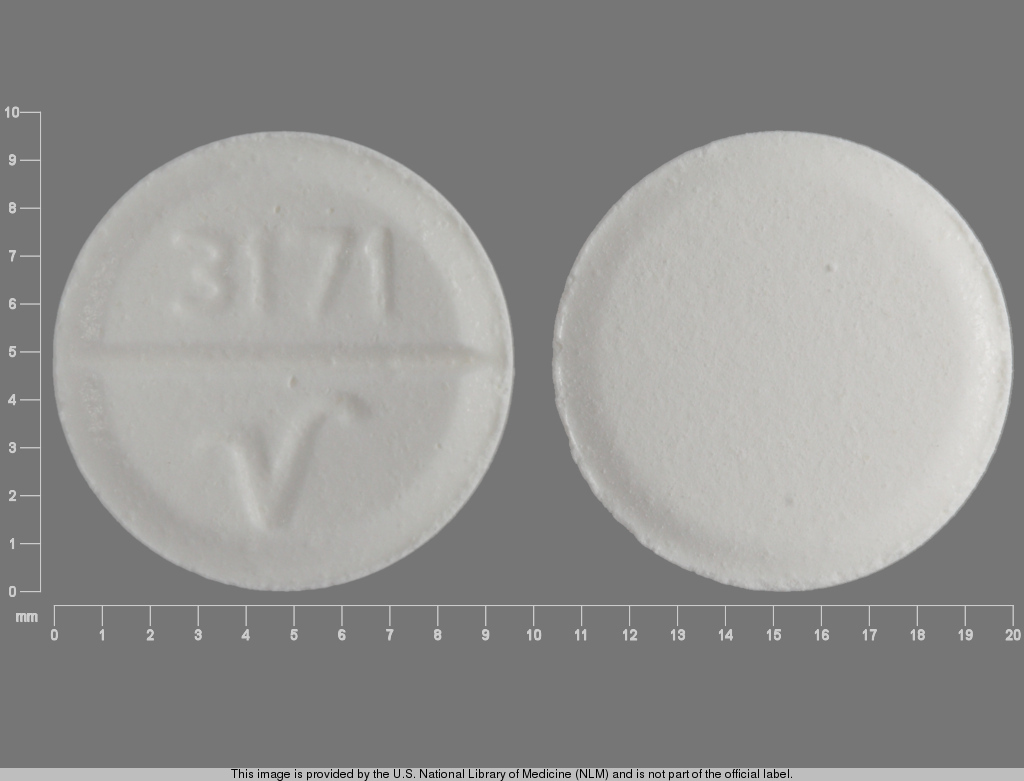
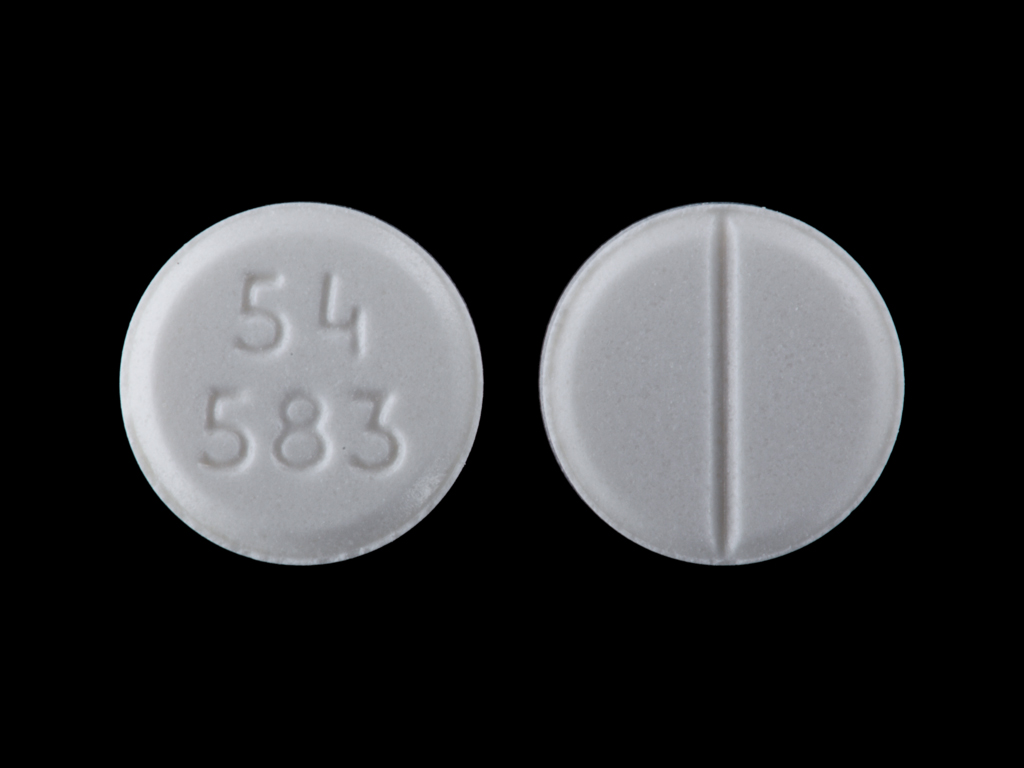
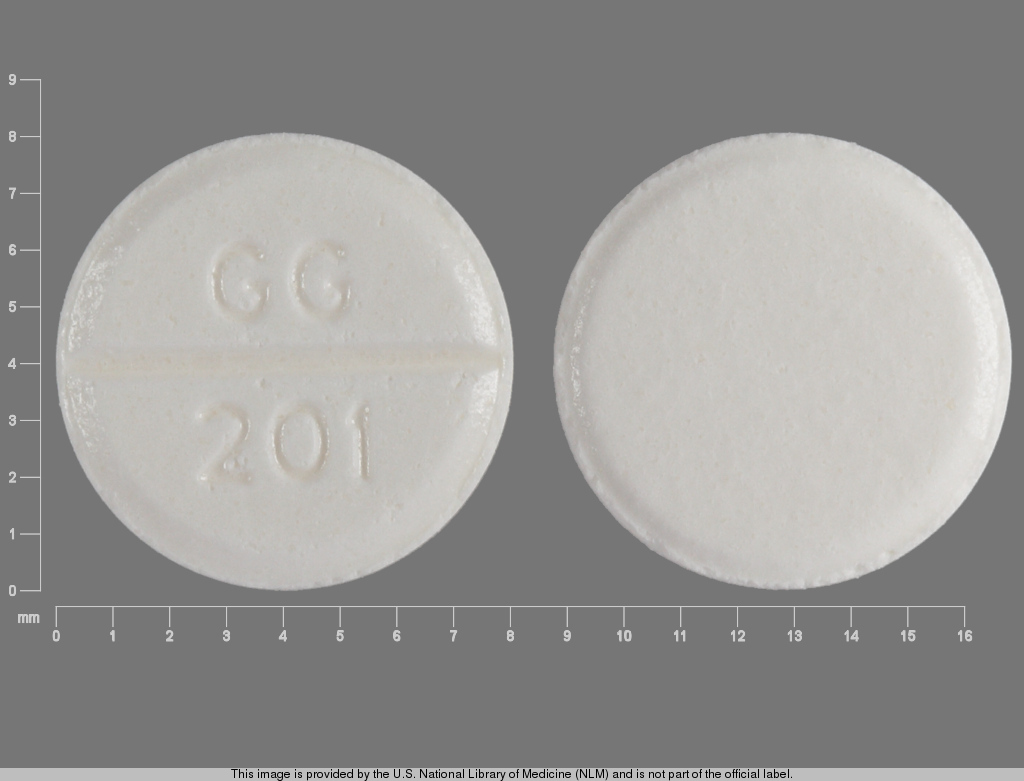
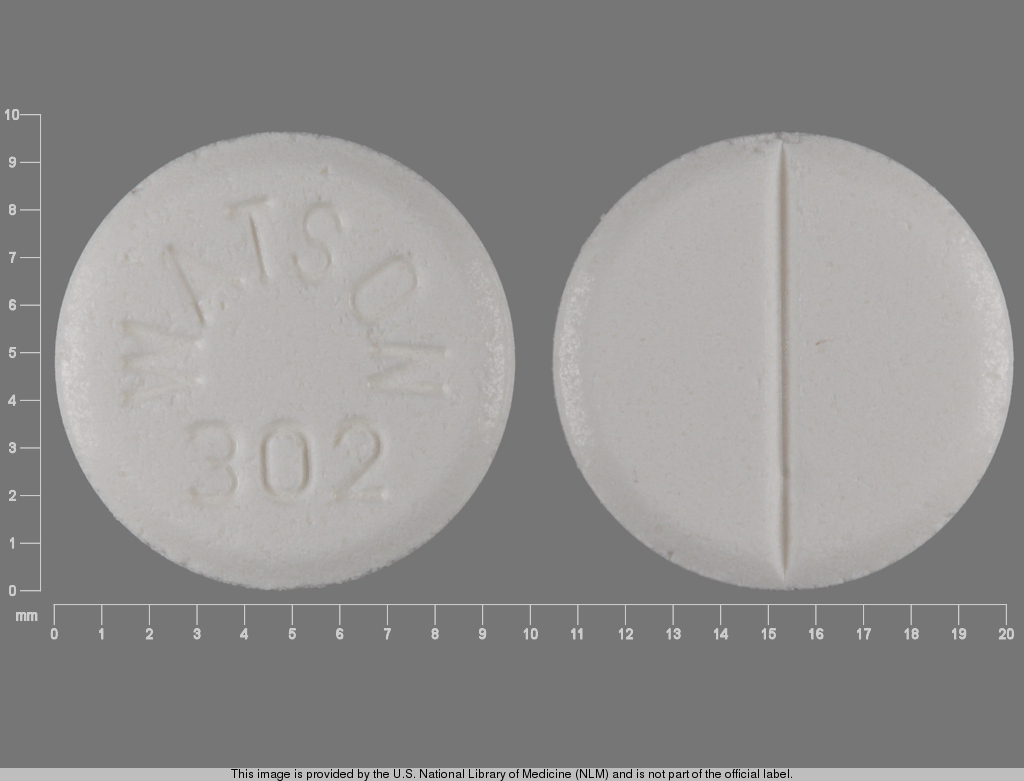
All Pill Identifiers for Furosemide (315)
Every pill in our database containing this medication. Click a pill to see its imprint, shape, colour, and manufacturer in detail.







Furosemide Side Effects
- Hypokalemia and electrolyte depletion - Ototoxicity (tinnitus, hearing loss) - Orthostatic hypotension - Hyperglycemia - Hyperuricemia/gout - Gastrointestinal disturbances (nausea, vomiting, cramping) - Headache, dizziness, weakness ---
This is not a complete list of side effects. Contact your doctor for medical advice about side effects.
Furosemide Warnings & Precautions
BOXED WARNING: BOXED WARNING: LASIX is a potent diuretic that "if given in excessive amounts, can lead to a profound diuresis with water and electrolyte depletion." Careful medical supervision and individualized dosing are required. Key Warnings: - Risk of severe dehydration and electrolyte imbalances (hypokalemia, hyponatremia) - Ototoxicity (hearing loss/tinnitus), especially with rapid IV injection or renal impairment - In liver cirrhosis: sudden fluid/electrolyte shifts may precipitate hepatic coma - Hyperglycemia and diabetes precipitation possible - Acute urinary retention risk in patients with urinary obstruction ---
Frequently Asked Questions
What is Furosemide used for?
Edema: LASIX treats edema associated with congestive heart failure, liver cirrhosis, and renal disease, particularly when "an agent with greater diuretic potential is desired." Hypertension: Oral LASIX may be used alone or combined with other antihypertensive agents for treating high blood pressure in adults. The label notes that patients inadequately controlled with thiazides will likely not respond adequately to LASIX…
What are the common side effects of Furosemide?
- Hypokalemia and electrolyte depletion - Ototoxicity (tinnitus, hearing loss) - Orthostatic hypotension - Hyperglycemia - Hyperuricemia/gout - Gastrointestinal disturbances (nausea, vomiting, cramping) - Headache, dizziness, weakness ---
What forms does Furosemide come in?
Tablet
What are the brand names for Furosemide?
Lasix
Is Furosemide safe to take?
Only take this medication as prescribed or directed by a licensed healthcare provider. Always read the full warnings section above and tell your doctor about any other medications you take.