
Dexamethasone – Uses, Side Effects, Dosage & Pill Identifier
"Synthetic adrenocortical steroid" (glucocorticoid) used for anti-inflammatory effects across multiple organ systems.
What Is Dexamethasone Used For?
Dexamethasone treats severe allergic conditions, dermatologic diseases, endocrine disorders, gastrointestinal diseases, hematologic disorders, neoplastic diseases, nervous system conditions, ophthalmic diseases, renal diseases, respiratory diseases, and rheumatic disorders. Specific uses include "control of severe or incapacitating allergic conditions" and management of conditions like multiple sclerosis exacerbations, cerebral edema, and various inflammatory disorders.
Available Forms & Dosage
| Forms | Tablet |
|---|---|
| Strengths | DEXAMETHASONE 0.5 mg; DEXAMETHASONE 0.75 mg; DEXAMETHASONE 1 mg; DEXAMETHASONE 1.5 mg; DEXAMETHASONE 2 mg; DEXAMETHASONE 4 mg; DEXAMETHASONE 6 mg |
Always follow the dose and schedule your prescriber or the product label specifies — do not change your dose based on this page.
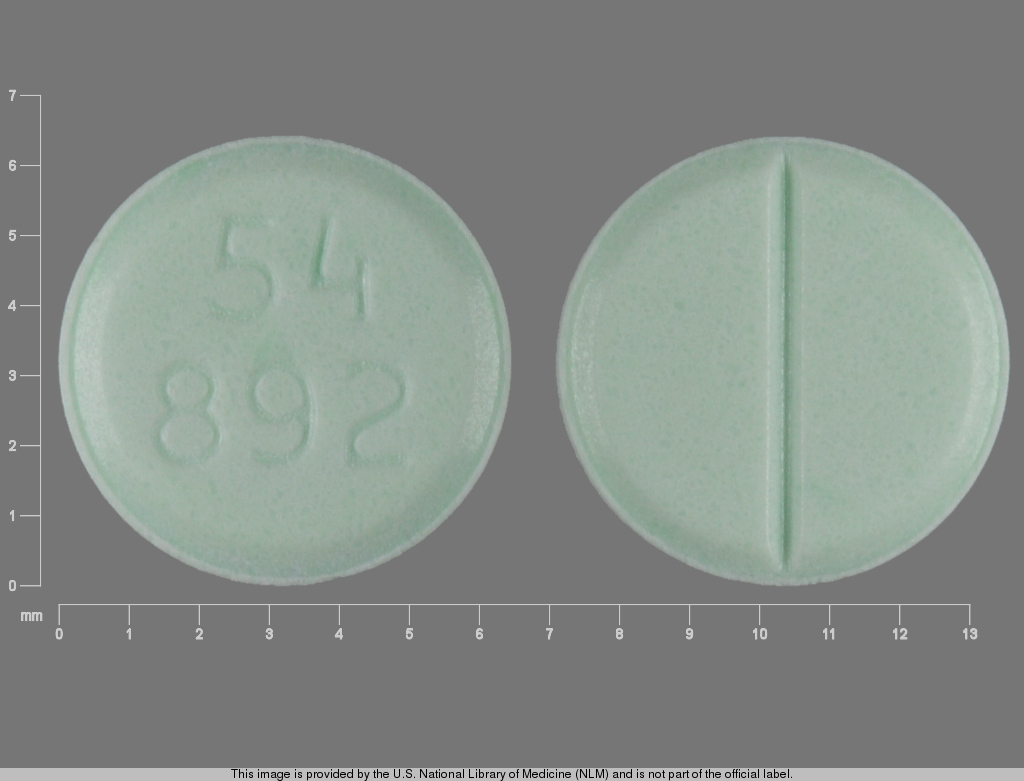
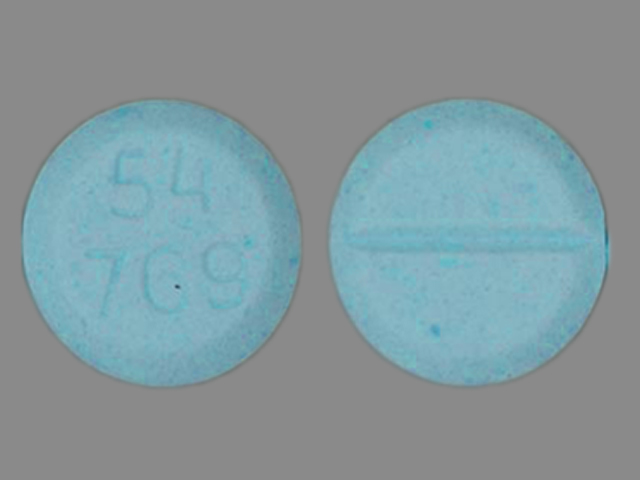
All Pill Identifiers for Dexamethasone (138)
Every pill in our database containing this medication. Click a pill to see its imprint, shape, colour, and manufacturer in detail.






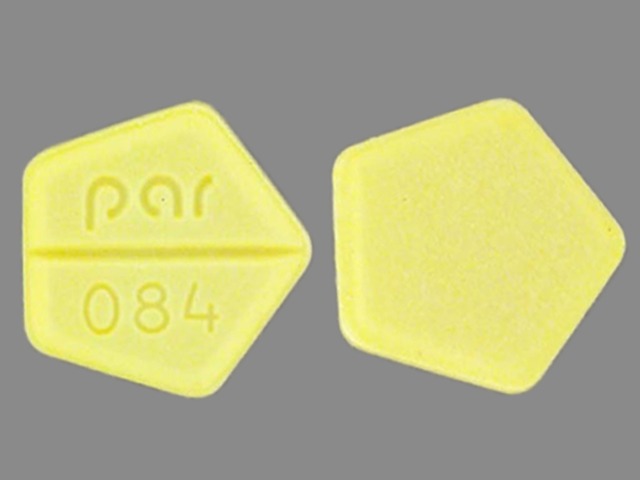
Dexamethasone Side Effects
Include hyperglycemia, fluid retention, hypokalemia, increased appetite, nausea, insomnia, mood swings, weight gain, acne, impaired wound healing, and osteoporosis. Serious reactions include cardiac arrhythmias, myocardial rupture, pancreatitis, and GI perforation.
This is not a complete list of side effects. Contact your doctor for medical advice about side effects.
Dexamethasone Warnings & Precautions
Key warnings include: - Increased susceptibility to infections; corticosteroids "may mask some signs of current infection" - Risk of HPA axis suppression and adrenocortical insufficiency upon withdrawal - "Average and large doses of corticosteroids can cause elevation of blood pressure, sodium and water retention" - Potential for posterior subcapsular cataracts and glaucoma - Increased osteoporosis risk and growth velocity reduction in pediatric patients - Psychic disturbances ranging from "euphoria, insomnia, mood swings" to "frank psychotic manifestations" - Live vaccine contraindication in patients receiving immunosuppressive doses
Frequently Asked Questions
What is Dexamethasone used for?
Dexamethasone treats severe allergic conditions, dermatologic diseases, endocrine disorders, gastrointestinal diseases, hematologic disorders, neoplastic diseases, nervous system conditions, ophthalmic diseases, renal diseases, respiratory diseases, and rheumatic disorders. Specific uses include "control of severe or incapacitating allergic conditions" and management of conditions like multiple sclerosis exacerbations, cerebral edema, and various inflammatory disorders.
What are the common side effects of Dexamethasone?
Include hyperglycemia, fluid retention, hypokalemia, increased appetite, nausea, insomnia, mood swings, weight gain, acne, impaired wound healing, and osteoporosis. Serious reactions include cardiac arrhythmias, myocardial rupture, pancreatitis, and GI perforation.
What forms does Dexamethasone come in?
Tablet
Is Dexamethasone safe to take?
Only take this medication as prescribed or directed by a licensed healthcare provider. Always read the full warnings section above and tell your doctor about any other medications you take.