

Clindamycin – Uses, Side Effects, Dosage & Pill Identifier
Clindamycin is a semisynthetic lincosamide antibiotic. It "inhibits bacterial protein synthesis by binding to the 50S subunit of the ribosome" and is bacteriostatic against gram-positive and anaerobic
Brand Names
Antirobe; Cleocin Hydrochloride; Clindamycin Hydrochloride; Clindamycin hydrochloride; clindamycin hydrochloride
What Is Clindamycin Used For?
Clindamycin treats serious infections caused by susceptible bacteria, including anaerobes, streptococci, pneumococci, and staphylococci. Use should be reserved for penicillin-allergic patients or when penicillin is inappropriate. Specific indications include respiratory tract infections, skin and soft tissue infections, septicemia, intra-abdominal infections, and pelvic/genital infections. "Bacteriologic studies should be performed to determine the causative organisms and their susceptibility."
Available Forms & Dosage
| Forms | Capsule |
|---|---|
| Strengths | CLINDAMYCIN HYDROCHLORIDE 150 mg; CLINDAMYCIN HYDROCHLORIDE 300 mg; CLINDAMYCIN HYDROCHLORIDE 75 mg |
Always follow the dose and schedule your prescriber or the product label specifies — do not change your dose based on this page.
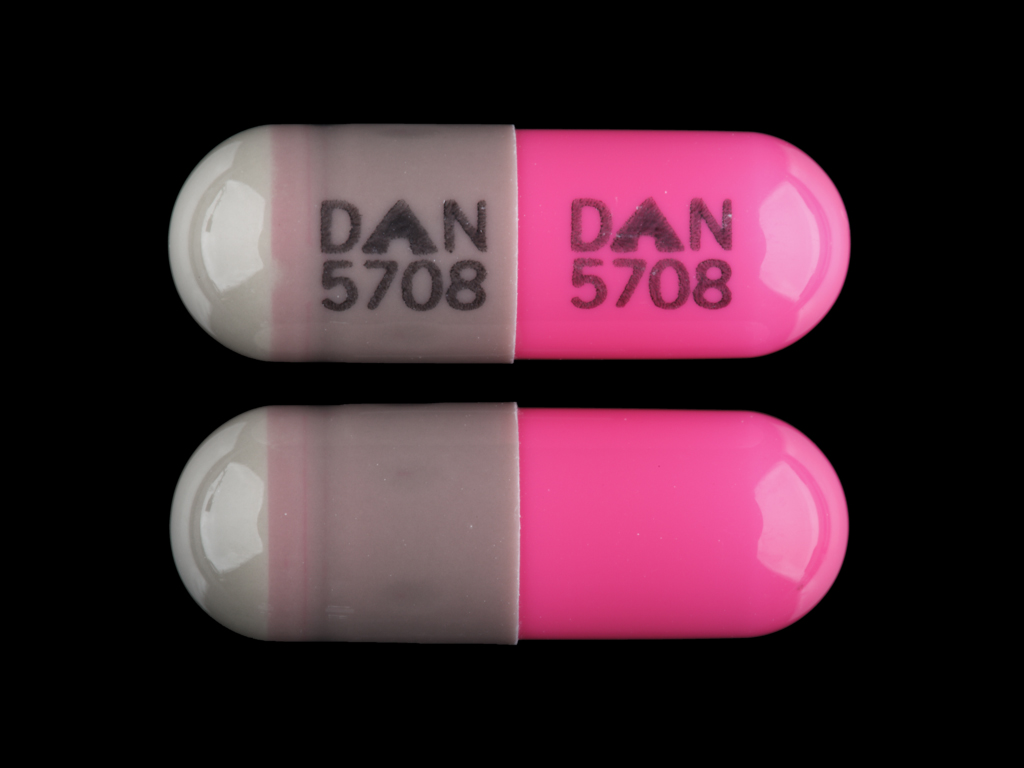
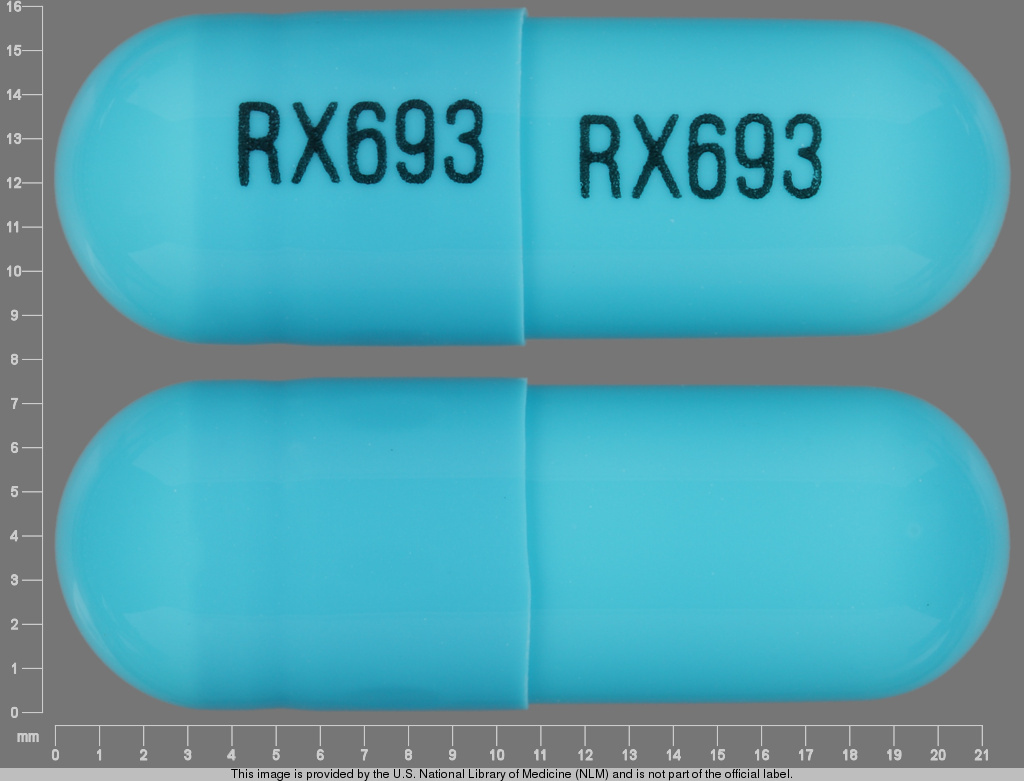
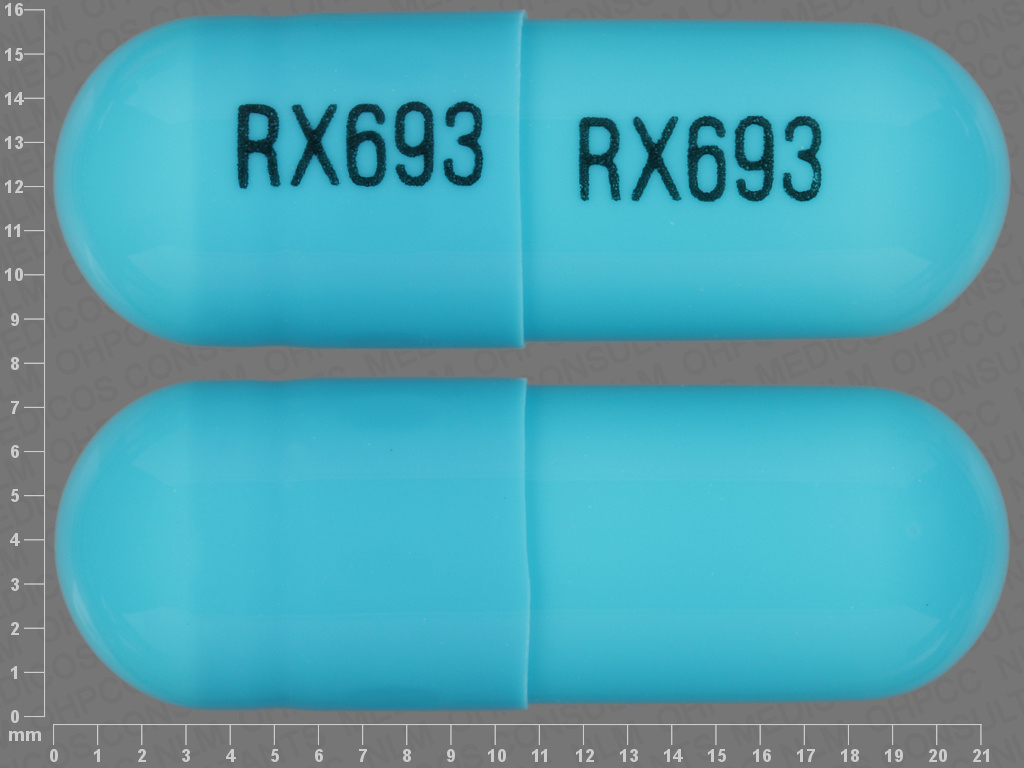
All Pill Identifiers for Clindamycin (222)
Every pill in our database containing this medication. Click a pill to see its imprint, shape, colour, and manufacturer in detail.






Clindamycin Side Effects
Most frequent adverse reactions are mild-to-moderate skin rashes. Other reported effects include gastrointestinal symptoms (abdominal pain, nausea, vomiting, diarrhea), pseudomembranous colitis, hypersensitivity reactions, and rare severe reactions like Stevens-Johnson syndrome.
This is not a complete list of side effects. Contact your doctor for medical advice about side effects.
Clindamycin Warnings & Precautions
Boxed Warning: Clostridium difficile-associated diarrhea (CDAD) ranging from mild diarrhea to fatal colitis has been reported. The drug alters normal colon flora, risking C. difficile overgrowth. "CDAD must be considered in all patients who present with diarrhea following antibiotic use," even occurring over two months after therapy ends. Additional warnings include severe skin reactions (including fatal cases), contraindication in meningitis (inadequate CSF penetration), and caution in patients with gastrointestinal disease or hepatic/renal impairment.
Frequently Asked Questions
What is Clindamycin used for?
Clindamycin treats serious infections caused by susceptible bacteria, including anaerobes, streptococci, pneumococci, and staphylococci. Use should be reserved for penicillin-allergic patients or when penicillin is inappropriate. Specific indications include respiratory tract infections, skin and soft tissue infections, septicemia, intra-abdominal infections, and pelvic/genital infections. "Bacteriologic studies should be performed to determine the causative organisms and their susceptibility."
What are the common side effects of Clindamycin?
Most frequent adverse reactions are mild-to-moderate skin rashes. Other reported effects include gastrointestinal symptoms (abdominal pain, nausea, vomiting, diarrhea), pseudomembranous colitis, hypersensitivity reactions, and rare severe reactions like Stevens-Johnson syndrome.
What forms does Clindamycin come in?
Capsule
What are the brand names for Clindamycin?
Antirobe; Cleocin Hydrochloride; Clindamycin Hydrochloride; Clindamycin hydrochloride; clindamycin hydrochloride
Is Clindamycin safe to take?
Only take this medication as prescribed or directed by a licensed healthcare provider. Always read the full warnings section above and tell your doctor about any other medications you take.