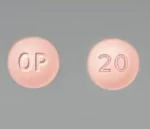

Lorazepam
Showing all 2 resultsSorted by popularity

Generic Ativan 2 mg
In stock
Price range: $538.00 through $1,514.00
Generic Ativan 1 mg
In stock
Price range: $533.00 through $1,507.00Lorazepam Prescription and Patient Safety Guide
Lorazepam is a prescription benzodiazepine used for management of anxiety disorders or short-term relief of anxiety symptoms. The brand name Ativan is widely associated with lorazepam, while FDA-approved generic products are also available. Oral lorazepam is not a routine treatment for the ordinary stress or tension of everyday life.
In the United States, lorazepam is a Schedule IV controlled substance. It can cause sedation, impaired coordination, abuse, addiction, physical dependence and potentially dangerous withdrawal. Using it with opioids, alcohol or other central nervous system depressants can cause profound sedation, respiratory depression, coma and death.
Lorazepam must not be promoted as available without a prescription. A responsible prescription requires evaluation of the anxiety, other medicines, alcohol or drug use, breathing health, pregnancy, fall risk, mental-health history and whether a longer-term treatment may be more appropriate.
What Responsible Treatment Should Include
- A clinical reason for using a benzodiazepine and a clear treatment goal.
- Review of opioids, alcohol, sleep medicines and other sedating products.
- Assessment of past or current substance misuse and previous withdrawal.
- Discussion of driving, work hazards, falls and adequate supervision.
- A defined duration, refill plan and instructions for stopping safely.
- Consideration of psychotherapy, antidepressants or other longer-term care when indicated.
What Lorazepam Treats
Lorazepam enhances the effect of gamma-aminobutyric acid, commonly called GABA, in the central nervous system. This can reduce anxiety and produce sedation, muscle relaxation and memory impairment. The calming effect can begin sooner than the full effect of many antidepressants, but rapid relief does not make the medicine suitable for every patient or indefinite use.
Anxiety Disorders
Current oral labeling includes management of anxiety disorders and short-term relief of anxiety symptoms or anxiety associated with depressive symptoms. Diagnosis should distinguish an anxiety disorder from temporary stress, stimulant effects, thyroid disease, medication withdrawal, trauma, bipolar disorder, depression and other causes.
Anxiety-Related Insomnia
Lorazepam is sometimes used when sleep difficulty is closely related to anxiety. Sedation does not prove that the underlying condition has improved. Persistent insomnia should be evaluated for sleep apnea, restless legs syndrome, mood disorders, pain, substance use and sleep-schedule problems.
Uses of Injectable Lorazepam
Injectable lorazepam has hospital indications, including status epilepticus and pre-anesthetic use. Those uses do not mean an oral tablet should be self-administered for a seizure, alcohol withdrawal or procedure. Acute treatment requires the correct formulation, route, monitoring and emergency support.
Off-Label Uses
Clinicians may use lorazepam in circumstances not specifically included in the oral tablet label. An off-label decision should be made by a qualified professional who has considered evidence, alternatives and patient-specific risks. A retail page should not present every reported use as an approved reason to buy the medicine.
Lorazepam Forms, Strengths and Prescription Directions
Oral lorazepam tablets are commonly available in 0.5 mg, 1 mg and 2 mg strengths. An oral concentrate and injectable products also exist, with different handling and administration requirements. A strength list is product information, not a dosing recommendation.
The prescribed amount depends on the indication, age, health, other medicines, treatment duration and response. Older or debilitated patients may require lower exposure. Do not use another person’s schedule or combine tablets to recreate a dose that was not prescribed.
Use the Exact Pharmacy Label
Take only the number of tablets and frequency written for the named patient. Do not add a dose after a stressful event, use extra medicine to force sleep or take it before driving. If the prescription is written “as needed,” the maximum allowed frequency and the situations in which it may be used should still be clear.
If a Dose Is Missed
Follow the prescriber or pharmacist’s instructions. Do not double the next dose. The correct response depends on whether lorazepam is taken on a regular schedule or only in defined circumstances and how close it is to the next dose.
Oral Concentrate
The concentrated liquid requires accurate measurement and product-specific storage. Use only the supplied calibrated dropper and follow the pharmacist’s mixing and immediate-use instructions. A household spoon cannot measure the dose safely.
How Long Lorazepam Should Be Used
The effectiveness of oral lorazepam for long-term use beyond four months has not been systematically assessed in clinical studies cited by the label. This does not establish one automatic stopping date, but it means continued prescribing should include periodic reassessment.
Short-Term Relief Versus Long-Term Recovery
Rapid symptom reduction can help during a limited crisis, but benzodiazepines do not teach coping skills or address every cause of chronic anxiety. Psychotherapy, an SSRI or SNRI, sleep treatment and care for coexisting depression or substance use may be more appropriate for sustained management.
Tolerance
Some sedative or anxiety-relieving effects can diminish with repeated exposure. Taking more without approval increases impairment and overdose risk. The prescriber should reassess the diagnosis, actual use, other substances and treatment goals.
Refill Review
A refill should not be a simple checkout. It is an opportunity to review benefit, daytime sedation, falls, memory, missed work, dose escalation, early refill requests and whether the patient is ready for a clinician-directed reduction.
Boxed Warning: Lorazepam with Opioids
Concomitant use of benzodiazepines and opioids can cause profound sedation, respiratory depression, coma and death. Opioids may appear in pain medicine, cough products, medication for opioid use disorder or illicit substances.
If Both Medicines Are Medically Necessary
Current labeling directs prescribers to reserve the combination for patients whose alternatives are inadequate, use the lowest effective exposure and duration and monitor for respiratory depression and sedation. The patient must not create the combination independently.
Emergency Warning Signs
- Unusual dizziness or inability to stand.
- Extreme sleepiness or inability to wake.
- Slow, shallow, difficult or stopped breathing.
- Bluish lips or fingertips.
- Unresponsiveness, collapse or coma.
Call emergency services immediately. Do not wait for the person to wake naturally. If naloxone is available because an opioid may be involved, use it according to prior training while emergency help is on the way; naloxone does not reverse lorazepam itself.
Abuse, Misuse, Addiction and Diversion
Lorazepam can be misused for intoxication, sleep, emotional escape or to alter the effect of another drug. Misuse and polysubstance use increase overdose risk. A legitimate prescription reduces supply-chain uncertainty but does not eliminate addiction risk.
Possible Warning Signs
- Taking more than prescribed or using it at unapproved times.
- Mixing it with alcohol, opioids or other sedatives for a stronger effect.
- Repeated reports of lost tablets or requests for early refills.
- Obtaining benzodiazepines from several prescribers or sellers.
- Crushing tablets or using a route other than prescribed.
- Continuing despite falls, accidents, relationship harm or memory problems.
What to Do When Use Feels Out of Control
Tell the prescriber the actual dose, frequency and substances used. Honest information is essential for safe withdrawal planning. Severe sedation, overdose, seizure, psychosis or immediate self-harm danger requires emergency care.
Never Share Lorazepam
A relative with similar anxiety may have a breathing disorder, opioid exposure, pregnancy or another contraindication. Sharing a controlled medicine is unsafe and unlawful.
Physical Dependence and Lorazepam Withdrawal
Physical dependence means the body has adapted to the medicine. It can develop after continued use, even when the patient follows the prescription. Dependence is not the same as addiction, although both can occur.
Possible Withdrawal Symptoms
Symptoms can include anxiety, insomnia, irritability, restlessness, sweating, tremor, muscle pain, nausea, perceptual changes, sensitivity to light or sound and difficulty concentrating. Severe withdrawal can cause seizures, hallucinations, delirium, psychosis and other life-threatening reactions.
Do Not Stop Abruptly
Current benzodiazepine labeling directs clinicians to use a gradual taper in a physically dependent patient. The plan must be individualized to dose, duration, other sedatives, seizure risk, prior withdrawal and the patient’s response. Internet schedules and another patient’s taper are not safe substitutes.
Protracted Withdrawal
Some patients report symptoms continuing for weeks or longer after benzodiazepine discontinuation. Persistent symptoms require clinical assessment to distinguish withdrawal, recurrence of anxiety, depression, sleep problems and other illness.
Do Not Switch Benzodiazepines Yourself
Diazepam, clonazepam, alprazolam and lorazepam differ in potency, duration and metabolism. There is no simple tablet-for-tablet substitution. A clinician must direct any conversion.
Lorazepam Interactions and Substances to Avoid
Provide a complete list of prescriptions, nonprescription medicines, supplements, alcohol, cannabis and recreational substances. Do not assume an over-the-counter sleep product is harmless.
Alcohol
Alcohol can intensify sedation, poor judgment, loss of coordination, memory impairment and respiratory depression. Do not drink alcohol while taking lorazepam or use it to manage rebound anxiety or insomnia.
Other Central Nervous System Depressants
Risk can increase with opioids, other benzodiazepines, sleep medicines, sedating antihistamines, antipsychotics, anticonvulsants, muscle relaxants, anesthetics, gabapentinoids and cannabis. The prescriber may sometimes use combinations, but only after reviewing the additive effects.
Probenecid and Valproate
Current labeling describes interactions that can increase lorazepam effects when it is used with probenecid or valproate. The prescriber may need to adjust the plan. A patient should not alter the dose independently.
Clozapine and Other High-Risk Combinations
Serious sedation, respiratory effects, hypotension, delirium and other problems have been reported with some psychiatric combinations. Every mental-health medicine belongs on the interaction list.
Common Lorazepam Side Effects
Sedation, dizziness, weakness and unsteadiness are among the more common reactions. Risk often increases with age and higher exposure. The medicine can also impair memory, concentration and reaction time.
Driving and Hazardous Work
Do not drive, operate machinery, work at height or make safety-critical decisions until the patient knows how lorazepam affects them and the prescriber considers the activity safe. Feeling less anxious does not mean coordination is normal.
Falls
Nighttime use, low blood pressure, poor balance and other sedatives can increase fall risk. Report falls, near-falls, unexplained bruising or morning confusion. Older adults and people with frailty are particularly vulnerable.
Memory and Concentration
Lorazepam may impair formation of new memories and reduce attention. This can affect study, work, caregiving and consent to important decisions. Do not use it to manage routine performance anxiety without a clinical evaluation.
Paradoxical Reactions
Some patients experience agitation, rage, irritability, aggression, hallucinations or increased anxiety rather than calming. These reactions require prompt contact with the prescriber and may be more likely in children or older adults.
Serious Reactions and Emergency Care
Seek emergency help for slow or difficult breathing, inability to wake, collapse, seizure, severe allergic reaction, severe confusion, suspected overdose or immediate danger of self-harm. Tell responders about every medicine, substance and approximate time of use.
Suspected Overdose
Overdose may produce severe drowsiness, confusion, poor coordination, reduced reflexes, low blood pressure, respiratory depression, coma and death, especially with other depressants. Call emergency services or Poison Control immediately. Do not induce vomiting.
Worsening Depression
Anxiety can coexist with depression. Lorazepam can reduce distress temporarily without treating the underlying mood disorder. New hopelessness, suicidal thinking or dangerous impulsivity requires urgent assessment.
Serious Allergy
Face, tongue or throat swelling, breathing difficulty, collapse or widespread hives requires emergency care. Do not take another dose while waiting for help.
Who Needs Extra Caution
Breathing Problems
Tell the prescriber about sleep apnea, chronic lung disease, reduced respiratory reserve and previous respiratory depression. Risk rises sharply with opioids, alcohol and other sedatives.
Acute Narrow-Angle Glaucoma
Current tablet labeling contraindicates lorazepam in acute narrow-angle glaucoma. Patients with eye disease should provide the exact diagnosis and treatment rather than simply stating that they have “glaucoma.”
Liver or Kidney Disease
Medical illness can change sensitivity and clearance. The prescriber may choose a lower dose or a different treatment and monitor more closely.
Older or Debilitated Patients
Older adults are more vulnerable to sedation, confusion, falls and fractures. Initial exposure is generally kept lower, and ongoing need should be reviewed carefully.
Children
Safety and effectiveness of oral lorazepam are not established for routine anxiety treatment in children younger than 12 in current product labeling. Pediatric use requires specialist judgment and close monitoring.
Pregnancy, Newborn Exposure and Breastfeeding
Pregnancy
Tell the prescriber about pregnancy or plans for pregnancy before use. Benzodiazepine exposure can affect the fetus, and use later in pregnancy may cause sedation or withdrawal in the newborn. A patient taking lorazepam regularly should not stop abruptly after learning of pregnancy because maternal withdrawal can also be dangerous.
Newborn Monitoring
Neonatal symptoms can include excessive sleepiness, low muscle tone, breathing or feeding difficulty and withdrawal signs. The obstetric and newborn-care teams should know about the actual dose, duration and timing of exposure.
Breastfeeding
Lorazepam is present in human milk. The prescriber and pediatric professional should weigh treatment need and monitor the infant as appropriate for sedation, poor feeding or poor weight gain.
Longer-Term Anxiety Care
For chronic anxiety, a plan may include psychotherapy, an SSRI or SNRI, sleep care, reduced stimulant and alcohol use, treatment of depression and practical support. Lorazepam may sometimes serve a limited role while longer-term strategies take effect.
Psychotherapy
Cognitive behavioral therapy and exposure-based approaches can address avoidance, catastrophic beliefs and behaviors that maintain anxiety. Therapy can improve skills without causing sedation or controlled-substance dependence.
Monitoring Questions
- Is anxiety-related functioning improving?
- Is sedation affecting driving, work or caregiving?
- Has the patient increased use or requested early refills?
- Are alcohol, opioids or other sedatives being used?
- Are depression, panic, sleep and suicide risk changing?
- Is the current plan still worth its risks?
Before the First Lorazepam Dose
The patient should understand whether lorazepam is scheduled or as needed, what the maximum prescribed use is and what activities must be avoided. The first dose should not be taken just before driving, working at height, caring for a dependent person alone or making an important legal or financial decision.
First-Dose Checklist
- Confirm the tablet or liquid strength and patient name.
- Verify that no opioid, alcohol or unreviewed sedative was taken.
- Ensure the patient can remain in a safe environment until effects are known.
- Plan transport that does not require the patient to drive.
- Know who to contact for excessive sedation or paradoxical agitation.
- Secure the remaining supply immediately after use.
As-Needed Does Not Mean Unlimited
An “as-needed” prescription still has defined limits. The patient should know which symptoms qualify, the minimum interval and the maximum amount. Using a tablet before every uncomfortable conversation or ordinary stressor can reinforce avoidance and lead to escalating reliance.
Document the Response
Record the trigger, dose time, relief, sedation and effect on functioning. This helps the prescriber decide whether the medicine is reducing disabling anxiety or merely producing impairment.
Lorazepam for Panic and Acute Anxiety
Some clinicians use lorazepam for severe acute anxiety or panic while a broader treatment plan is established. Panic symptoms can include sudden fear, palpitations, chest discomfort, trembling, breathlessness and a sense of catastrophe. These symptoms can resemble cardiac, respiratory or metabolic emergencies.
Do Not Automatically Treat New Chest Symptoms as Anxiety
New chest pain, fainting, severe shortness of breath or neurologic symptoms need appropriate medical assessment. Taking a sedative at home can delay emergency care or obscure symptoms.
A Rescue Plan Should Be Specific
The clinician may outline breathing or grounding strategies, when to use the prescribed medicine, when to contact the clinic and when emergency evaluation is necessary. The plan should also address driving after a dose.
Frequent Rescue Use Is a Signal
If lorazepam is needed more often than expected, the treatment plan requires review. Possibilities include worsening panic disorder, depression, stimulant or caffeine use, medication withdrawal, an ineffective longer-term treatment or developing dependence.
Distinguishing Anxiety, Withdrawal and Rebound Symptoms
Symptoms between doses may reflect the original anxiety disorder, short-lived rebound anxiety or benzodiazepine withdrawal. The distinction affects treatment, and it cannot be made safely from one symptom alone.
Information That Helps the Prescriber
- Exact dose, time and frequency over recent weeks.
- When anxiety begins relative to the last dose.
- Changes in sleep, tremor, sweating or sensory sensitivity.
- Alcohol, opioid, stimulant or cannabis use.
- Missed doses, lost supply or unplanned reductions.
- Prior benzodiazepine withdrawal or seizures.
Do not take repeated doses to test whether symptoms are withdrawal. That can deepen dependence and make the pattern harder to assess.
Lorazepam Taper Follow-Up
A taper is an active treatment process, not simply a smaller prescription. Follow-up should review withdrawal symptoms, anxiety function, sleep, other substance use and the pace of reductions. Some patients require pauses or smaller reductions, while serious risk may require more supervised care.
Factors That Can Complicate a Taper
- High or prolonged exposure.
- Use of more than one benzodiazepine.
- Alcohol, opioid or sedative dependence.
- A previous withdrawal seizure or delirium.
- Pregnancy, serious medical illness or unstable housing.
- Severe untreated panic, depression or suicide risk.
Symptoms During a Reduction
Record timing and severity rather than changing the schedule repeatedly. Emergency symptoms include seizure, delirium, hallucinations, dangerous behavior or severe confusion. Routine but distressing symptoms still deserve clinical support.
Psychological Support
Therapy, sleep interventions and treatment of the underlying anxiety can improve the chance of a successful reduction. The goal is not to force rapid discontinuation but to reduce harm while maintaining safety and function.
Coordinating Lorazepam Across Multiple Clinicians
Dental, surgical, pain, emergency and mental-health clinicians may each prescribe medicines that affect sedation. Every clinician should know about lorazepam, and the patient should use one accurate medication list.
Before a Procedure
Do not take an extra lorazepam dose for procedural anxiety unless the treating team directs it. Anesthetics, opioids and other sedatives may already be planned, and the combination can suppress breathing.
After Emergency or Hospital Care
Reconcile the medicine list before resuming the usual schedule. The hospital may have administered lorazepam, another benzodiazepine or an opioid. Duplicate dosing after discharge can be dangerous.
New Pain Prescription
Ask directly whether it contains an opioid. If it does, both prescribers and the pharmacist must review the combination. Do not assume a short dental prescription is too small to matter.
Questions for a Lorazepam Follow-Up Visit
- Which symptoms improved and what daily functions changed?
- How often was “as-needed” medicine actually used?
- Did sedation, memory problems, falls or driving impairment occur?
- Were alcohol, opioids or other sedatives used?
- Are early refills, dose escalation or withdrawal symptoms emerging?
- What longer-term anxiety treatment is active?
- Is a gradual reduction appropriate now?
A prescription should continue only when the clinician and patient can identify a meaningful benefit that outweighs sedation, dependence and interaction risks.
Branded Ativan, Generic Lorazepam and Authenticity
An FDA-approved generic lorazepam product must meet applicable quality and bioequivalence requirements. It may look different from branded Ativan because color, shape, imprint, inactive ingredients and manufacturer can differ.
Check Every Refill
- Patient name, medicine, strength and instructions.
- Tablet versus oral concentrate or another formulation.
- Pharmacy name, manufacturer and tablet imprint.
- Expiration or beyond-use information.
- An unexpected change in appearance or quantity.
Confirm uncertainty with the dispensing pharmacist before taking the medicine. A photograph or imprint-search website alone cannot verify the supply chain.
How to Evaluate an Online Lorazepam Pharmacy
A website cannot convert a Schedule IV benzodiazepine into an over-the-counter product. A legitimate service must comply with prescription and controlled-substance requirements and use appropriately licensed prescribers and pharmacies.
Safer-Service Checklist
- A real medical review is required before prescribing.
- The clinician is authorized for the patient’s location.
- The dispensing pharmacy is active in the official state licensing database.
- A pharmacist is available to discuss opioids, alcohol and withdrawal.
- The product arrives in a patient-specific labeled container.
- Refills involve monitoring rather than guaranteed approval.
Red Flags
- “Buy lorazepam without prescription” or “free prescription” claims.
- Bulk quantities offered without diagnosis or follow-up.
- No verifiable pharmacy address, license or pharmacist.
- Anonymous social-media ordering or loose tablets.
- Promises that lorazepam is safe with opioids or alcohol.
- Advice to hide other controlled medicines from the prescriber.
Secure Storage, Travel and Disposal
Keep lorazepam in the original pharmacy-labeled container under the exact product’s storage conditions. Protect it from heat, moisture, children, visitors and anyone who may misuse it.
Prevent Diversion
Use a locked location and maintain a tablet count when appropriate. Do not keep controlled medicine in an unlocked bathroom cabinet, shared nightstand, purse or vehicle. Do not disclose the storage location publicly.
Travel
Carry the prescription in its labeled container. Check destination requirements before international travel and plan refills in advance to avoid abrupt interruption.
Disposal
Use an authorized medicine take-back program when available or follow current FDA disposal guidance for the exact product. Never sell or give away unused tablets.
Frequently Asked Questions About Lorazepam
What is lorazepam?
Lorazepam is a prescription benzodiazepine used for anxiety disorders or short-term relief of anxiety symptoms. Ativan is a well-known brand name.
Is lorazepam available without a prescription?
No. It is a prescription-only Schedule IV controlled substance in the United States.
Is lorazepam the same as Ativan?
Ativan is a brand name for lorazepam. FDA-approved generics contain the same active ingredient but may look different.
What strengths are lorazepam tablets?
Common U.S. tablet strengths include 0.5 mg, 1 mg and 2 mg. Only the prescriber should select the patient’s dose.
Can lorazepam be used for everyday stress?
Current labeling states that anxiety or tension associated with ordinary daily stress usually does not require an anxiolytic.
Why is combining lorazepam with an opioid dangerous?
The combination can cause profound sedation, respiratory depression, coma and death.
Can I drink alcohol while taking lorazepam?
No. Alcohol can intensify sedation, memory impairment, poor coordination and breathing risk.
Can lorazepam cause addiction?
Yes. Abuse, misuse and addiction can occur, particularly with higher or unapproved use and polysubstance exposure.
Can physical dependence occur when I follow the prescription?
Yes. Physical dependence can develop with continued use even when lorazepam is taken as directed.
Can I stop lorazepam suddenly?
Do not abruptly stop regular use. Withdrawal can include seizures, hallucinations, delirium and other serious reactions.
What are common lorazepam side effects?
Sedation, dizziness, weakness and unsteadiness are common and can impair driving or increase fall risk.
Can lorazepam affect memory?
Yes. It can impair memory, concentration and formation of new memories.
What should I do after a missed dose?
Follow the prescriber or pharmacist’s instructions and never double the next dose.
Can lorazepam be used long term?
Long-term effectiveness beyond four months has not been systematically assessed in studies cited by the oral label. Ongoing use requires periodic clinical review.
Can older adults take lorazepam?
Some may receive it, but older adults have greater risk of sedation, confusion, falls and fractures and often require lower exposure.
Can lorazepam be used during pregnancy?
Pregnancy requires individualized medical review. Do not stop regular use abruptly; contact the prescriber promptly.
Which symptoms require emergency care?
Slow or difficult breathing, inability to wake, collapse, seizure, severe allergy, suspected overdose or immediate self-harm danger requires emergency help.
Is generic lorazepam weaker than Ativan?
An FDA-approved generic must meet applicable quality and bioequivalence standards. Different appearance does not mean it is weaker.
How can I verify an online lorazepam pharmacy?
Check the pharmacy in the relevant official state licensing database and avoid any seller that does not require a valid prescription.
How should lorazepam be stored?
Keep it in the labeled container under product-specific conditions and in a secure, preferably locked location.
Medical Disclaimer and Authoritative Sources
This information is educational and does not replace diagnosis, prescribing, monitoring or emergency care from a qualified healthcare professional. Lorazepam is a prescription-only controlled substance. Call emergency services for slowed breathing, inability to wake, seizure, collapse, severe allergic reaction, suspected overdose or immediate danger of self-harm.