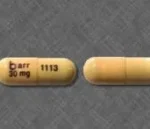

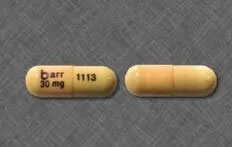
Generic Phentermine 30 mg
Price range: $548.00 through $1,519.00
| Variation | Price | Quantity | Add To Cart |
|---|---|---|---|
| 360 pills | $1,519.00 |
|
Add to cart |
| 180 pills | $921.00 |
|
Add to cart |
| 90 pills | $548.00 |
|
Add to cart |
Phentermine 30 mg: prescription weight-management information before you fill
Phentermine 30 mg is a prescription appetite suppressant used for a limited period as an adjunct to a clinician-directed weight-reduction plan. That plan should include reduced-calorie nutrition, physical activity, and behavior change. Phentermine is not a stand-alone cure for obesity, is not intended for cosmetic weight loss, and should not be ordered because an online height-and-weight chart appears to qualify someone.
The medicine is a sympathomimetic amine with pharmacologic activity related to amphetamines. It can increase heart rate and blood pressure, disturb sleep, worsen agitation, interact with other medicines, and lead to tolerance or dependence. Phentermine is a Schedule IV controlled substance in the United States and requires a valid prescription.
This guide focuses on the 30 mg capsule strength commonly dispensed as generic phentermine hydrochloride. “30 mg” identifies the capsule strength; it is not a recommendation for every adult and does not establish a safe schedule. The prescriber must decide whether short-term treatment is appropriate after reviewing cardiovascular health, pregnancy status, medications, weight history, and obesity-related risks.
The 30-second product overview
- Active ingredient: phentermine hydrochloride.
- Strength: 30 mg capsule.
- Drug class: sympathomimetic anorectic/appetite suppressant.
- Usual treatment role: short-term adjunct to diet, activity, and behavior change for selected patients with obesity or weight-related risk.
- Controlled status: Schedule IV under U.S. federal law.
- Not the same as: phentermine/topiramate extended-release, which is a different combination product with different strengths, directions, warnings, and treatment duration.
- Major screening areas: heart and vascular disease, blood pressure, thyroid disease, glaucoma, agitation, substance-use history, MAOI use, pregnancy, and breastfeeding.
- Major red flags: chest pain, fainting, new shortness of breath, reduced exercise tolerance, leg swelling, severe headache, neurological symptoms, or marked mood and behavior changes.
Who may be considered for prescription phentermine?
The FDA labeling describes phentermine as a short-term adjunct in a weight-reduction regimen for patients whose initial body mass index (BMI) is generally 30 kg/m² or higher, or 27 kg/m² or higher when other risk factors are present, such as controlled hypertension, diabetes, or high cholesterol. BMI is only a screening measurement. It does not show body composition, establish medical necessity by itself, or replace assessment of the patient’s overall health.
A clinician may consider:
- Weight trajectory and previous structured weight-management attempts.
- Waist circumference and metabolic risk where clinically relevant.
- Blood pressure, pulse, cardiovascular symptoms, and family history.
- Blood glucose, lipids, liver health, thyroid symptoms, and sleep apnea risk.
- Eating patterns, food access, sleep, stress, activity limitations, and weight-promoting medicines.
- History of eating disorders, anxiety, depression, bipolar disorder, and substance misuse.
- Pregnancy plans and contraceptive needs.
- Whether another anti-obesity treatment is safer or more suitable.
Patients with a lower BMI who want to lose a small amount for appearance are not appropriate candidates based on the labeled indication. Neither are athletes, students, or shift workers seeking stimulation. Weight stigma should not drive prescribing; the decision should be tied to health risks, realistic goals, and an evidence-based plan.
What short-term adjunct treatment really means
Phentermine was approved for short-term use, commonly described in labeling as a few weeks. It should not be marketed as an indefinite subscription with automatic refills and no reassessment. The benefit of appetite suppression must be weighed against risks such as blood-pressure elevation, insomnia, tolerance, and misuse.
“Adjunct” means the capsule supports—not replaces—a structured program. A useful plan addresses meal pattern, calorie quality and quantity, protein and fiber intake, movement that fits the patient’s abilities, sleep, stress, and triggers for overeating. The program should be specific enough to follow but flexible enough to be sustainable.
The desired outcome is not the fastest possible number on the scale. Clinicians consider weight change, waist measurements where appropriate, blood pressure, glucose, lipids, mobility, sleep, adverse effects, and quality of life. Dehydration, crash dieting, stimulant stacking, or extreme exercise can make the scale fall while health worsens.
How phentermine reduces appetite
Phentermine stimulates the central nervous system and increases sympathetic activity, which can reduce appetite. Patients may notice less hunger or find it easier to follow a reduced-calorie eating plan. It does not block all food absorption, melt fat directly, or permanently reset metabolism. Appetite effects can lessen as tolerance develops.
Because the medicine is activating, timing matters for sleep, but patients must follow the specific pharmacy label rather than use a general online schedule. Taking it later than directed can contribute to insomnia. Taking an extra capsule because appetite returns can cause dangerous exposure. A 30 mg capsule should never be opened, divided, or combined with another strength unless the pharmacist confirms the product and prescriber instructions.
The non-negotiable contraindication screen
Cardiovascular disease
Phentermine is contraindicated in patients with a history of cardiovascular disease, including coronary artery disease, stroke, arrhythmias, congestive heart failure, and uncontrolled hypertension. A person with chest pain, unexplained fainting, palpitations, or shortness of breath needs evaluation before considering an appetite suppressant. “My blood pressure is usually fine” is not a substitute for a current measurement and medication review.
Monoamine oxidase inhibitors
Phentermine must not be used during or within 14 days after an MAOI because of the risk of hypertensive crisis. MAOIs may be prescribed for depression, Parkinson’s disease, infections in the case of certain drugs, or other conditions. The pharmacist should check exact names and stop dates.
Hyperthyroidism, glaucoma, and agitated states
Patients with overactive thyroid disease, glaucoma, or marked agitation should not use phentermine under the labeled contraindications. Symptoms such as tremor, heat intolerance, unexplained weight change, severe anxiety, eye pain, or visual halos should be investigated rather than masked with a stimulant-like medicine.
History of drug abuse
A history of drug abuse is a labeled contraindication. Honest discussion helps the clinician choose a safer approach. The goal is not to punish disclosure; it is to prevent a medicine with misuse potential from worsening a substance-use problem.
Pregnancy and breastfeeding
Phentermine is contraindicated during pregnancy because weight loss offers no potential benefit to a pregnant patient and may harm fetal development. It is also contraindicated during nursing under product labeling. Anyone who is pregnant, might be pregnant, is trying to conceive, or is breastfeeding should not start treatment without immediate professional review.
Allergy to sympathomimetic amines
A history of hypersensitivity or idiosyncratic reaction to sympathomimetic amines should be reported. Inactive ingredients vary by manufacturer, so a pharmacist should check the exact capsule when food dyes, gelatin, or other excipients are a concern.
Health conditions requiring extra caution
Even when a condition is not an absolute contraindication, it can change the risk-benefit decision. Mild hypertension may worsen, diabetes medicines may need adjustment as eating and weight change, and seizure or psychiatric history may influence product choice. Kidney function can affect exposure to some phentermine products, especially in significant impairment.
Tell the prescriber about:
- Any history of high blood pressure, even if currently controlled.
- Diabetes and every insulin or glucose-lowering medicine.
- Kidney disease or reduced kidney function.
- Anxiety, panic attacks, depression, mania, psychosis, or severe insomnia.
- Seizures, tremor, migraines, or neurological symptoms.
- Sleep apnea or persistent daytime sleepiness.
- Eating-disorder symptoms, binge eating, purging, or extreme restriction.
- Planned surgery, dental sedation, or anesthesia.
Primary pulmonary hypertension and heart-valve warnings
Primary pulmonary hypertension is a rare but often serious disorder involving high pressure in the lung arteries. It was reported more often with certain historical appetite-suppressant combinations, and rare cases have been reported in people taking phentermine alone. New unexplained shortness of breath, chest pain, fainting, reduced exercise tolerance, or swelling of the lower legs requires immediate discontinuation and medical evaluation as directed by a clinician.
Valvular heart disease was also associated with historical combination regimens involving other appetite suppressants. Rare cases have been reported with phentermine alone, and a causal relationship cannot simply be ruled out. Patients should report a new heart murmur, unusual fatigue, breathlessness, swelling, or palpitations.
Phentermine should not be confused with fenfluramine or the former “fen-phen” combination. Adding another weight-loss medicine, even one sold as natural, recreates uncertainty and may increase cardiovascular or serotonin-related risk.
Tolerance, dose escalation, and dependence
Tolerance to the appetite-suppressing effect may develop within weeks. The response should not be to exceed the prescribed amount. The labeling advises discontinuation rather than dose escalation when tolerance develops. Contact the prescriber for reassessment.
Phentermine is chemically and pharmacologically related to amphetamines and can be abused. Taking large amounts for a long period may cause marked insomnia, irritability, personality changes, hyperactivity, or psychosis. Physical and psychological dependence can occur. Patients should tell the clinician about cravings for the capsule, taking it for mood or energy, running out early, or obtaining it from multiple sources.
A prescriber may limit the quantity, check controlled-substance records, schedule regular visits, and reassess treatment. These are safety measures. No patient should share phentermine with a friend or family member who wants to lose weight.
Common phentermine 30 mg side effects
Reported adverse effects can include increased heart rate, palpitations, elevated blood pressure, restlessness, dizziness, tremor, insomnia, headache, dry mouth, unpleasant taste, constipation, diarrhea, and changes in sexual interest or function. Some patients feel overstimulated or anxious; others may experience fatigue or low mood when the effect fades.
Dry mouth does not mean the body needs extreme amounts of water. Follow clinician guidance, particularly with heart or kidney conditions. Sugar-free gum, oral hygiene, and dental care may help. Persistent constipation should be addressed with a clinician-approved plan rather than repeated stimulant laxatives.
Contact the prescriber when symptoms are persistent, intense, or interfering with sleep, eating, work, or emotional stability. Seek urgent care for chest pain, fainting, severe shortness of breath, stroke-like symptoms, severe headache with very high blood pressure, or marked confusion or agitation.
Medicine, supplement, and alcohol interactions
Provide a full list of prescription and nonprescription medicines. Important categories include MAOIs, other stimulants, ADHD medicines, decongestants, antidepressants, thyroid medicines, blood-pressure drugs, insulin and other diabetes treatments, antipsychotics, and weight-loss products. Seemingly harmless supplements may contain caffeine, synephrine, yohimbine, or undeclared drug ingredients.
Combining phentermine with another medication or supplement intended for weight loss is not recommended unless a qualified prescriber is using an FDA-approved combination according to its own labeling. Safety and effectiveness of unapproved combinations have not been established.
Alcohol can produce an adverse interaction and impair judgment. Energy drinks and high-dose caffeine may add to insomnia, anxiety, tremor, heart-rate increase, and blood-pressure elevation. Patients should also tell the clinician about nicotine and recreational stimulants.
As calorie intake and weight change, insulin or oral diabetes medicine requirements can change. Symptoms of low blood sugar—sweating, shakiness, confusion, fast heartbeat, or weakness—can overlap with stimulant effects. Patients with diabetes need a monitoring and medication-adjustment plan.
Driving, work, heat, and exercise safety
Phentermine may impair the ability to perform hazardous tasks even though it is stimulating. Dizziness, overconfidence, agitation, visual symptoms, or sleep loss can reduce safety. Do not drive or operate machinery until the individual response is known.
Intense exercise, hot environments, dehydration, stimulants, and reduced food intake can combine to increase risk. Begin activity according to the clinician’s plan and report chest symptoms, faintness, or unusual breathlessness. A weight-management program should improve health, not require exercising through warning signs.
A realistic nutrition and behavior plan
Medication-assisted weight management works best when the daily plan is concrete. A registered dietitian or trained clinician can help design an energy deficit that preserves adequate nutrition. The plan may include regular meals, sufficient protein and fiber, water, produce, portion awareness, and strategies for restaurant meals or shift work.
Behavioral tools can include:
- Tracking hunger, meals, sleep, and triggers without obsessive restriction.
- Preparing convenient foods before high-risk times.
- Reducing liquid calories and highly processed snack cues.
- Using gradual activity goals suited to joints, heart health, and fitness.
- Protecting sleep, because sleep loss can increase hunger and worsen metabolic health.
- Addressing emotional eating, binge eating, trauma, or depression with appropriate care.
Skipping food all day because appetite is reduced can lead to poor nutrition and rebound eating. Patients should follow the nutrition plan even when hunger cues change.
What clinicians monitor during short-term phentermine treatment
Monitoring may include weight trend, blood pressure, pulse, adverse effects, sleep, mood, dietary intake, activity, and adherence. Patients with diabetes may need glucose review; those with cardiovascular symptoms need prompt reassessment. The clinician should also check whether the medicine is being used exactly as prescribed and whether tolerance is developing.
A home scale can be useful, but daily fluctuations reflect fluid, salt, bowel contents, and menstrual changes as well as fat mass. Frequent weighing can worsen anxiety or disordered eating for some people. Agree on a measurement schedule that supports health rather than compulsive behavior.
If progress is limited, the clinician may review adherence, sleep, medications that promote weight gain, endocrine conditions, eating patterns, and whether another obesity treatment is appropriate. Patients should not add extra capsules or combine online weight-loss drugs.
Missed doses, stopping, and overdose
Follow the missed-dose instructions on the prescription. A late dose can interfere with sleep, so do not take it automatically and never double the next dose. If the prescriber ends treatment, ask what symptoms to expect and how the longer-term weight plan will continue.
Acute overdose can cause restlessness, tremor, overactive reflexes, rapid breathing, confusion, aggression, hallucinations, panic, very high or low blood pressure, abnormal heartbeat, nausea, vomiting, diarrhea, abdominal cramps, collapse, coma, or death. A suspected overdose requires immediate professional help.
In the United States, contact Poison Control at 1-800-222-1222. Call 911 for chest pain, collapse, seizure, severe agitation, stroke-like symptoms, breathing difficulty, or inability to wake. Do not induce vomiting unless a medical professional directs it.
Pregnancy and reproductive planning
Phentermine is contraindicated during pregnancy. Intentional weight loss is not recommended during pregnancy, and fetal exposure may carry risk. A patient who could become pregnant should discuss contraception and pregnancy plans before starting. If pregnancy occurs, stop taking action based on internet instructions and contact the prescriber promptly for individualized guidance.
Phentermine is contraindicated during nursing under the product labeling. The clinician should help weigh the importance of treatment, breastfeeding goals, and safer alternatives. Do not use a capsule obtained before pregnancy or from another person after delivery.
Brand, generic, and combination-product confusion
Generic phentermine hydrochloride 30 mg capsules may be marketed by different manufacturers and may vary in color, imprint, and inactive ingredients. An FDA-approved generic must meet applicable standards for identity, strength, quality, purity, and bioequivalence. The pharmacist can identify the manufacturer and check excipients.
Adipex-P is a phentermine brand commonly associated with a 37.5 mg tablet or capsule, while other products and generics use 15 mg or 30 mg capsule strengths. Qsymia contains phentermine plus topiramate in extended-release form. A Qsymia strength such as 7.5 mg/46 mg does not convert directly to a 30 mg phentermine capsule. Never substitute one product based on name recognition.
A capsule imprint can help a pharmacist identify a product, but patients should not rely on a web photo. Counterfeit or foreign-market products may copy appearance. The patient-specific pharmacy label and licensed supply chain are essential.
Phentermine 30 mg cost: what a useful price comparison includes
When comparing the phentermine 30 mg price, confirm that every quote refers to the same strength, capsule dosage form, prescribed quantity, and manufacturer or substitution status. Ask whether the amount is a cash price or insurance estimate and whether the pharmacy is in network. Controlled-substance policies, appointment costs, and required monitoring may also affect total treatment expense.
Discount cards and coupons can have eligibility limits and may not be combined with insurance. A “per-pill” price for 180 or 360 capsules is not a meaningful comparison when the medicine is labeled for short-term use and the prescription authorizes a much smaller quantity. Large bulk offers without reassessment are a safety warning, not an automatic saving.
How to buy phentermine 30 mg online through a lawful prescription process
Search terms such as “buy phentermine 30 mg online,” “phentermine prescription online,” “generic phentermine delivery,” and “phentermine 30 mg price” reflect real access concerns. A safe online process must still include an appropriate medical evaluation, a valid prescription, a state-licensed pharmacy, and access to a pharmacist.
Before placing a prescription order, verify:
- Clinical evaluation: the prescriber reviewed current weight, BMI context, blood pressure, cardiovascular history, medications, contraindications, pregnancy status, and treatment goals.
- Current legal requirements: the prescriber and pharmacy comply with federal and state rules for controlled medicines and telemedicine.
- Pharmacy license: the pharmacy can be confirmed through the relevant state board or a recognized verification resource.
- Prescription match: the checkout reflects phentermine hydrochloride 30 mg capsules and only the quantity authorized.
- Pharmacist availability: a licensed pharmacist can answer questions about interactions, appearance, missed doses, and adverse effects.
- Secure dispensing: the shipment uses a patient-specific label, sealed packaging, and appropriate delivery controls.
Avoid “no prescription phentermine,” guaranteed approvals, bulk capsule packages, social-media sellers, and sites that hide their physical location or license. Products from unverified sources may be counterfeit, contaminated, expired, or adulterated with undeclared stimulants.
Inspecting a delivered prescription
Before taking the first capsule, check the patient name, medicine, 30 mg strength, directions, quantity, prescriber, pharmacy, manufacturer, and expiration or beyond-use information. Make sure the seal is intact and the capsules are not cracked, discolored, damp, or unusually odorous. Compare the imprint with the pharmacy’s description.
If the appearance changed between refills, call the pharmacist. A manufacturer switch can be legitimate, but verification is still appropriate. Do not take a mystery capsule or use an online image search as the final decision.
Secure storage and disposal
Store phentermine under the conditions on the pharmacy label, in the original container, protected from excessive heat and moisture. Keep it locked away from children, visitors, and anyone who might misuse stimulants. Do not carry loose capsules in a pocket, purse, or vehicle.
For travel, retain the original labeled container and check laws at the destination, especially for international trips. Use an authorized take-back option for unwanted medicine. Never sell, share, or save capsules for an unsupervised future weight-loss attempt.
Planning for the day the short-term prescription ends
Phentermine’s appetite effect is temporary, but weight-management care should continue. Before the last refill, the patient and clinician should agree on the next phase. That may involve continuing the same nutrition and activity program without medication, treating an underlying sleep or endocrine issue, switching to another approved obesity treatment, or increasing behavioral and dietitian support.
Appetite may return when phentermine stops. This is a biological response, not a lack of willpower. A practical maintenance plan can include regular meal timing, protein and fiber targets, prepared foods for busy days, self-monitoring that does not become obsessive, and early follow-up when weight begins to rise. The plan should anticipate holidays, travel, illness, shift changes, and emotional stress.
Some people feel tired or low after stopping a stimulant-like medicine, particularly after prolonged or high exposure. Tell the prescriber about marked fatigue, depression, sleep disruption, or strong urges to restart. Do not use leftover capsules intermittently or obtain another prescription from a separate clinic without disclosing prior treatment.
If another anti-obesity medicine is considered, it needs its own eligibility and safety review. A washout period or new monitoring may be required. Online conversion charts cannot safely translate phentermine 30 mg to a GLP-1 medicine, phentermine/topiramate, bupropion/naltrexone, or another product.
How to judge marketing claims on a weight-loss listing
- “Lose a guaranteed amount.” Individual results vary, and a guarantee ignores health and adherence differences.
- “Clinically proven fat burner.” Phentermine primarily suppresses appetite and must accompany a broader plan.
- “Safe because it is FDA approved.” Approval applies to defined use with contraindications, warnings, and prescription monitoring.
- “Herbal boosters improve results.” Supplements can add undeclared stimulants or interact with heart, mood, and blood-pressure medicines.
- “More capsules save money.” Bulk quantities can conflict with short-term use, follow-up, and controlled-substance rules.
- “No blood-pressure check needed.” Cardiovascular screening and monitoring are central to safe use.
A trustworthy page does not hide pregnancy, heart, MAOI, misuse, or pulmonary-hypertension warnings below promotional text. Those facts belong before the purchase decision.
When the scale is not the right measure
Weight can fluctuate because of hydration, salt, constipation, hormones, medication changes, and illness. A short plateau does not justify extra phentermine. The clinician may instead evaluate waist measurement, blood pressure, glucose, stamina, sleep, mobility, and whether the patient is following a plan that can continue safely.
Some situations need a pause in weight-focused treatment. Warning signs include compulsive weighing, severe food restriction, bingeing and purging, dizziness from under-eating, exercising despite injury, or intense fear of normal weight fluctuation. These symptoms deserve respectful eating-disorder assessment, not stronger appetite suppression.
Body weight is also affected by medicines and medical conditions. Insulin, some psychiatric drugs, corticosteroids, menopause, thyroid disease, sleep apnea, and mobility limitations may change the strategy. Do not discontinue an essential medicine to accelerate weight loss. The prescribing clinicians can compare risks and consider alternatives.
Success can include preventing further gain, improving blood pressure or glucose, sleeping better, walking farther, or reducing medication burden under supervision. A page promising only a rapid number fails to reflect the medical purpose of obesity care.
Questions to ask before agreeing to treatment
- What health goal are we treating, beyond the number on the scale?
- Why is short-term phentermine appropriate for me?
- Why was the 30 mg capsule selected instead of another medicine or strength?
- How often should I check blood pressure, pulse, weight, and glucose?
- Which symptoms mean I must stop and seek urgent evaluation?
- Do any antidepressants, decongestants, ADHD medicines, supplements, or diabetes drugs interact?
- What nutrition, activity, sleep, and behavior plan will continue after the prescription ends?
- How will we identify tolerance or misuse?
- What is the follow-up date, and what result will determine whether treatment continues?
- Is generic phentermine suitable, and which manufacturer will be dispensed?
Frequently asked questions about phentermine 30 mg
Is phentermine 30 mg a fat burner?
No. It is a prescription appetite suppressant used as a short-term adjunct to a structured weight-reduction plan. It does not directly melt fat or replace a calorie and behavior plan.
How much weight will I lose?
Results vary with baseline health, adherence, diet, activity, sleep, medical conditions, and individual response. No legitimate prescriber or pharmacy can guarantee a specific amount. Rapid loss is not always safe or sustainable.
Is phentermine the same as Ozempic or a GLP-1 medicine?
No. Phentermine is a sympathomimetic appetite suppressant. GLP-1 receptor agonists and related medicines work differently, have different indications, risks, dosing schedules, and costs. They should not be combined or substituted without a prescriber.
Is phentermine 30 mg the same as Qsymia?
No. Qsymia is an extended-release combination of phentermine and topiramate. Its paired strengths and warnings are different. A standalone 30 mg phentermine capsule is not interchangeable with a Qsymia capsule.
Can I use phentermine if my blood pressure is controlled?
Only after the prescriber reviews cardiovascular history and current readings. Uncontrolled hypertension and cardiovascular disease are contraindications, and even mild hypertension can worsen. Monitoring may be required.
Can I combine phentermine with an energy drink?
That combination may increase insomnia, anxiety, tremor, palpitations, and blood pressure. Discuss total caffeine and all stimulant ingredients with the prescriber. “Natural energy” products are not automatically safe.
What if appetite suppression stops?
Do not increase the dose. Tolerance can develop, and product labeling advises discontinuation rather than exceeding the recommended amount. Contact the prescriber to reassess the plan.
Can I take phentermine while pregnant?
No. Phentermine is contraindicated in pregnancy. Contact the prescriber promptly if pregnancy occurs or is suspected.
Is phentermine controlled?
Yes. It is a Schedule IV controlled substance under U.S. federal law. It has misuse and dependence potential and should be stored securely.
Can I order phentermine 30 mg without a prescription?
A legitimate U.S. pharmacy requires a valid prescription. Sites that remove the prescription and medical evaluation safeguards should be avoided.
Final suitability check before a phentermine 30 mg purchase
A responsible phentermine decision is based on medical eligibility, not only price or desired weight loss. The patient should have a clear indication, current cardiovascular and medication review, no contraindication, a short-term treatment plan, monitoring, and a durable nutrition and behavior strategy.
If a licensed clinician has issued a prescription, compare pharmacies by licensure, pharmacist access, exact product, and total cost—not by bulk quantity or promises of guaranteed loss. Stop activity and seek urgent care for chest pain, fainting, new shortness of breath, stroke-like symptoms, or suspected overdose. Contact the prescriber for persistent insomnia, palpitations, marked anxiety, tolerance, or misuse concerns.
| Select Variation |
360 pills ,180 pills ,90 pills |
|---|