
Sonata
Showing all 2 resultsSorted by popularity
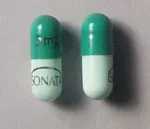
Generic Sonata 5 mg
In stock
Price range: $991.80 through $3,306.00
Generic Sonata 10 mg
In stock
Price range: $1,018.80 through $3,390.00Sonata Is a Short-Acting Prescription Hypnotic for Falling Asleep
Sonata is a brand name for zaleplon, a nonbenzodiazepine hypnotic used for short-term treatment of insomnia in adults who have difficulty falling asleep. It has a rapid onset and short duration, so its clinical purpose is narrower than a general promise of “better sleep.” It does not reliably treat frequent awakenings or early-morning waking.
Zaleplon is a Schedule IV controlled substance in the United States. It carries a boxed warning about complex sleep behaviors such as sleepwalking, sleep-driving and other activities performed while not fully awake. Serious injury and death have occurred, including after recommended doses.
A legitimate prescription requires an insomnia assessment, medicine and substance review, evaluation of next-day responsibilities and confirmation that the patient can obtain a full sleep period. Sonata should never be presented as a prescription-free sedative or combined casually with another sleeping pill.
- Primary role: short-term treatment of difficulty falling asleep.
- Common capsule strengths: 5 mg and 10 mg; labeling also discusses a 20 mg adult dose in selected circumstances.
- Boxed warning: complex sleep behaviors can occur after the first or a later dose.
- Alcohol, opioids, benzodiazepines and other CNS depressants add risk.
- A prior complex sleep behavior with zaleplon is a contraindication.
Sonata’s Narrow Sleep-Onset Role Prevents Misleading Claims
Zaleplon may reduce the time needed to fall asleep. Patient information specifically notes that it does not treat other insomnia symptoms such as waking too early or waking frequently. A page that promises uninterrupted all-night sleep creates the wrong expectation and may encourage repeat dosing.
Short-term hypnotic use should follow evaluation of why sleep initiation is difficult. Caffeine, late light exposure, shift work, stimulant medicines, anxiety, pain, restless legs syndrome and a delayed circadian rhythm may require targeted changes. Sleep apnea can coexist even when falling asleep is the main complaint.
When to Seek a Broader Sleep Evaluation
- Loud snoring, witnessed breathing pauses or gasping.
- Uncomfortable leg sensations relieved by movement.
- Insomnia lasting beyond the intended treatment period.
- Depression, mania, trauma symptoms or suicidal thinking.
- Reliance on alcohol, cannabis or sedatives to sleep.
- Sleepiness that makes driving or work unsafe.
How Zaleplon Produces Sleepiness
Although zaleplon is chemically different from benzodiazepines, it interacts with the GABA-benzodiazepine receptor complex. It depresses central nervous system activity and can impair memory, coordination and judgment. Calling it a nonbenzodiazepine does not mean it lacks benzodiazepine-like hazards.
Its short half-life helps explain why it is used for sleep onset, but rapid clearance does not guarantee that every patient will be unimpaired the next morning. Dose, sleep time, age, liver function, food, other depressants and individual sensitivity all matter.
Sonata Strengths and Safe Bedtime Timing
Zaleplon capsules are commonly available in 5 mg and 10 mg strengths. Labeling describes 10 mg for most nonelderly adults, 5 mg for older or debilitated adults and 20 mg for selected adults when a lower amount is inadequate. These are label facts, not a self-selection guide.
Take the prescribed dose immediately before bed or after going to bed when difficulty falling asleep occurs. Do not take it while still driving, cooking, supervising children, bathing or using stairs. Do not take a second sedative-hypnotic at bedtime or in the middle of the night.
Food Can Delay the Effect
A heavy or high-fat meal can delay absorption and make the effect less predictable. Do not respond to delayed sleep by adding another capsule. Follow the product-specific food and timing directions from the pharmacist.
Boxed Warning: Complex Sleep Behaviors
Sleepwalking, sleep-driving, preparing food, making calls, having sex or performing other activities while not fully awake can occur after zaleplon. The patient may not remember the event. Reports include serious injury and death.
These events may occur with zaleplon alone at recommended doses and can occur after the first or a subsequent dose. Alcohol and other depressants may increase risk but are not required for the event to happen.
- Stop taking zaleplon after a suspected complex sleep behavior.
- Contact the prescriber immediately and describe the event.
- Obtain emergency help if anyone is injured, missing, driving or in danger.
- Do not restart zaleplon or switch to another Z-drug without a clinician’s assessment.
A person who has experienced a complex sleep behavior after zaleplon should not take it again under current contraindication language.
Next-Day Impairment, Memory and Falls
Zaleplon can cause drowsiness, dizziness, slowed reaction, poor coordination, memory impairment and abnormal thinking. Risk increases if the patient takes more than prescribed, has insufficient sleep time, combines depressants or uses it at an unsafe time.
Do not drive, operate machinery or perform hazardous work unless fully awake and certain that performance is unimpaired. Coffee cannot reliably reverse a hypnotic’s effect. Older adults need particular attention to nighttime falls, confusion and injury.
Make the Sleep Environment Safer
- Clear the path to the bathroom and use low-level lighting.
- Avoid stairs after the dose when possible.
- Keep car keys and cooking appliances inaccessible after a prior unusual event.
- Tell a household member about the prescription and emergency warning signs.
Alcohol, Opioids and Other Sonata Interactions
Alcohol should not be used with zaleplon. Additive CNS depression can also occur with opioids, benzodiazepines, other hypnotics, sedating antihistamines, antipsychotics, tricyclic antidepressants, muscle relaxants, gabapentinoids, seizure medicines and cannabis.
Combining depressants can cause extreme sleepiness, poor coordination, memory loss, slowed breathing, coma or death. Separating doses by a few hours does not automatically make the combination safe.
Zaleplon is metabolized through aldehyde oxidase and CYP3A4 pathways. Cimetidine can increase exposure; strong enzyme modifiers may alter effect. Tell the prescriber about every prescription, supplement and short antibiotic or antifungal course.
Misuse, Dependence, Rebound Insomnia and Withdrawal
As a Schedule IV hypnotic, zaleplon has abuse potential. Taking it for intoxication, combining it with other substances, escalating the amount or using several prescribers increases harm. Secure storage and limited quantities can reduce diversion.
Rebound insomnia can occur after stopping a hypnotic, and withdrawal-like symptoms are possible, particularly after repeated or high-dose use. Do not respond to a difficult night by doubling, borrowing another product or purchasing an unknown capsule.
A clinician should review duration before extending treatment. If dependence is a concern, the stop plan should be individualized. The return of insomnia may require behavioral therapy or evaluation of the original cause rather than indefinite automatic refills.
Common and Serious Zaleplon Reactions
Reported effects include headache, drowsiness, dizziness, nausea, abdominal discomfort, memory problems, coordination difficulty and unusual sensory symptoms. The exact pattern varies and should be judged by severity and impact on function.
- Emergency: slowed breathing, inability to wake, collapse, severe allergic reaction or suspected overdose.
- Urgent: complex sleep behavior, hallucinations, dangerous agitation or suicidal thinking.
- Prompt review: repeated falls, morning confusion, significant memory loss or worsening depression.
- Routine contact: persistent headache, dizziness, nausea or inadequate sleep benefit.
Do not induce vomiting after suspected overdose. Call Poison Control or emergency services and provide the container, approximate amount and all other substances involved.
Liver Function, Older Age, Pregnancy and Breastfeeding
Hepatic impairment can increase zaleplon exposure, and severe hepatic impairment is not recommended in current labeling. Older or debilitated patients are generally more sensitive and have lower label-based dosing. Kidney, respiratory and mental-health history should also be reviewed.
Pregnancy and breastfeeding require clinician assessment. Sedation, maternal safety, newborn effects and the risks of untreated severe insomnia all matter. Do not borrow Sonata during pregnancy or use it to manage postpartum sleep without a prescription.
Safety and effectiveness are not established for pediatric patients. A child who accidentally ingests zaleplon needs immediate Poison Control or emergency guidance.
Short-Term Sonata Use Should Lead to a Long-Term Sleep Plan
Clinical trials supporting efficacy ranged from a single night to several weeks. Persistent insomnia should trigger reassessment. Cognitive behavioral therapy for insomnia can address conditioned arousal, inconsistent schedules and unhelpful sleep habits without creating sedative dependence.
Track the time to fall asleep, number of nights used, next-day function and any unusual behavior. A sleep diary can show whether benefit is clinically meaningful. It can also reveal that a delayed schedule, long naps or late caffeine is maintaining the problem.
If Sonata does not help, do not stack Rozerem, temazepam, Halcion or an antihistamine. Different sleep medicines have different targets and risks, and combination treatment requires a prescriber.
Middle-of-the-Night Use Is Not an Invitation to Repeat Doses
Zaleplon’s rapid action leads some patients to ask whether it can be taken after awakening. The prescription and available sleep time control that decision. Patient guidance requires going directly to bed and allowing a full sleep period. A dose should never be improvised when the person must drive, work or supervise someone soon.
Do not take Sonata if alcohol or another sleep medicine has already been used. Do not repeat a dose because the first capsule seemed delayed after food. Accumulated impairment and complex sleep behavior can occur even when the patient does not feel heavily sedated.
If waking during the night is the recurring problem, the diagnosis and treatment target may be wrong. Record the awakening pattern, breathing symptoms, pain, urinary symptoms and environmental disturbance for the prescriber.
Controlled-Substance Safeguards for Zaleplon
Use one prescriber and pharmacy when possible, keep the capsules in a locked or otherwise secure location and count remaining doses if diversion is a concern. Do not store a large leftover supply after the short treatment period.
Warning signs of problematic use include taking it during the day, combining it for intoxication, needing a higher amount, repeatedly reporting lost capsules or feeling unable to sleep without obtaining more. These signs call for supportive assessment, not concealment.
A licensed pharmacy will not sell zaleplon without a valid prescription. Social-media sellers and loose “sleep capsules” are especially dangerous because counterfeit tablets may contain potent opioids or unlisted sedatives.
Travel, Jet Lag and Schedule Changes Need Separate Planning
Sonata is not a general travel accessory. Crossing time zones, early departures and hotel alcohol use can make bedtime dosing unsafe. The patient must still have enough time for sleep and must understand local controlled-medicine rules.
Carry the labeled container and only the authorized quantity. Do not place capsules in a mixed pill organizer for international travel without confirming documentation requirements. Keep them in hand luggage protected from theft and inaccessible to children.
Jet lag often responds to timed light, a stable wake time and carefully planned sleep. Ask a clinician before using zaleplon on an overnight flight, where movement, alcohol, unfamiliar surroundings and limited emergency access change the risk.
Safe Online Sonata Prescribing Requires a Real Insomnia Review
Prescription fulfillment begins with an individualized decision, not a product selection. The clinician should ask why treatment is requested, how symptoms affect function, what has already been tried and what medical or psychiatric factors could make the medicine unsafe.
After approval, the prescription should go to a pharmacy whose license and address can be independently verified. The seller should state who dispenses the medicine, where questions go and how a product-quality concern will be investigated.
- No guaranteed approval before the medical history is reviewed.
- No request to omit another medicine or substance from the form.
- No substitution of strength or formulation without authorization.
- No bulk quantity inconsistent with follow-up needs.
- No refusal to identify the responsible prescriber or pharmacist.
If the service relies on an emergency disclaimer while offering no routine clinical follow-up, it is not providing complete ongoing care. Keep a copy of the visit summary and pharmacy contact with the medication record.
How to Verify Sonata or Generic Zaleplon Capsules
The product page should never be the final identification source. Read the pharmacy label and medication guide, and confirm that the dosage form matches the prescriber’s order. Similar brand names may represent products that release or absorb differently.
Authentic medicine can change appearance after a manufacturer switch, while counterfeit medicine can imitate a familiar tablet. A pharmacist should resolve the difference using the imprint, National Drug Code, lot and dispensing record.
Report a wrong-strength or wrong-patient label immediately. Keep the product separate, avoid taking a test dose and retain the shipping materials for a quality or regulatory report.
Secure Zaleplon Storage, Travel and Disposal
Choose storage that preserves quality and prevents accidental or intentional misuse. The original container provides the medicine name, strength, directions and pharmacy contact needed in an emergency.
Keep a controlled product locked when household risk warrants it and never disclose the storage location casually. Count remaining doses when theft or diversion is a concern and report a loss to the prescriber.
Travel rules for prescription and controlled medicines differ. Carry supporting documentation and avoid temperature extremes. Use pharmacy take-back options for unwanted doses and follow product-specific disposal advice when take-back is unavailable.
Reviewing Sonata Benefit Before Another Refill
Before renewing, reconcile the exact product, formulation, strength and schedule with the dispensing label. Then review symptom goals, adverse effects, adherence and any emergency care since the last visit.
A stable patient may need less frequent visits, but stability should still be documented. Controlled medicines, high-risk interactions or laboratory concerns can require closer follow-up.
If treatment is transferred to a new clinician or pharmacy, share relevant records and the last fill information. Continuity reduces duplicate therapy, withdrawal, unsafe overlap and counterfeit exposure.
Frequently Asked Questions About Sonata and Zaleplon
What is Sonata?
Sonata is a brand of zaleplon, a short-acting prescription hypnotic used for short-term treatment of difficulty falling asleep.
Does Sonata help people stay asleep?
Its main evidence and indication concern sleep onset. Patient information notes that it does not treat frequent awakening or early-morning waking.
Is Sonata a benzodiazepine?
It is chemically a nonbenzodiazepine hypnotic, but it acts at the GABA-benzodiazepine receptor complex and has important CNS-depressant risks.
Is zaleplon controlled?
Yes. Zaleplon is a Schedule IV controlled substance in the United States.
What strengths does zaleplon come in?
Common capsule strengths are 5 mg and 10 mg. Labeling discusses dose selection by age and response; a prescriber must choose the regimen.
When should Sonata be taken?
Only exactly as prescribed, immediately before bed or after going to bed when unable to fall asleep, with adequate time for sleep.
Can Sonata be taken after a heavy meal?
A heavy or high-fat meal can delay absorption. Follow the exact food and timing instructions and do not add another capsule.
What is a complex sleep behavior?
It is an activity such as walking, driving, eating or making calls while not fully awake, often without later memory. Serious injury and death have occurred.
What should I do after sleep-driving?
Stop zaleplon and contact the prescriber immediately. Obtain emergency help if anyone is injured or in danger. Do not restart without medical direction.
Can I drink alcohol with Sonata?
No. Alcohol adds sedation, memory impairment, abnormal behavior and breathing risk.
Can Sonata be combined with another sleeping pill?
Not unless a prescriber explicitly directs it. Combining hypnotics at bedtime or in the middle of the night is not recommended.
What are common Sonata side effects?
Headache, drowsiness, dizziness, nausea, memory problems and coordination difficulty are among reported effects.
Can Sonata cause dependence?
It has abuse potential and is controlled. Repeated use can create dependence or rebound problems in some patients, so duration and stopping require review.
Can I drive the morning after Sonata?
Only when fully awake and certain you are unimpaired. Inadequate sleep time, other depressants and individual sensitivity can create next-day risk.
Can Sonata be used in liver disease?
Exposure can rise with hepatic impairment, and severe hepatic impairment is not recommended. A clinician must assess suitability.
Can children take Sonata?
Safety and effectiveness are not established in pediatric patients.
Can Sonata be purchased without a prescription?
No legitimate U.S. pharmacy should dispense zaleplon without a valid prescription.
What if Sonata no longer helps?
Do not increase or combine it. Review diagnosis, timing, food, tolerance, sleep opportunity and behavioral insomnia treatment with the prescriber.
Medical Disclaimer and Authoritative Sources
This page is educational and does not diagnose a condition, select a medicine or replace advice from a licensed prescriber or pharmacist. Product labeling changes over time, and the instructions supplied with the dispensed medicine take priority. Call emergency services for severe breathing difficulty, collapse, seizure, serious allergic reaction, dangerous behavior, suspected overdose or immediate self-harm risk.