

Clopidogrel – Uses, Side Effects, Dosage & Pill Identifier
Pharmacologic Class: P2Y12 platelet inhibitor (thienopyridine class); irreversible ADP receptor antagonist on platelets
Brand Names
Clopidogrel Bisulfate; Clopidogrel bisulfate; Plavix; clopidogrel bisulfate
What Is Clopidogrel Used For?
Clopidogrel is indicated to reduce cardiovascular events in patients with: - Acute Coronary Syndrome (ACS): Non-ST-segment elevation ACS (unstable angina/NSTEMI) and ST-elevation MI, administered with aspirin - Secondary Prevention: Recent MI, recent stroke, or established peripheral arterial disease
Available Forms & Dosage
| Forms | Tablet; Tablet, Film Coated |
|---|---|
| Strengths | CLOPIDOGREL BISULFATE 300 mg; CLOPIDOGREL BISULFATE 75 mg; Clopidogrel bisulfate 75 mg |
Always follow the dose and schedule your prescriber or the product label specifies — do not change your dose based on this page.
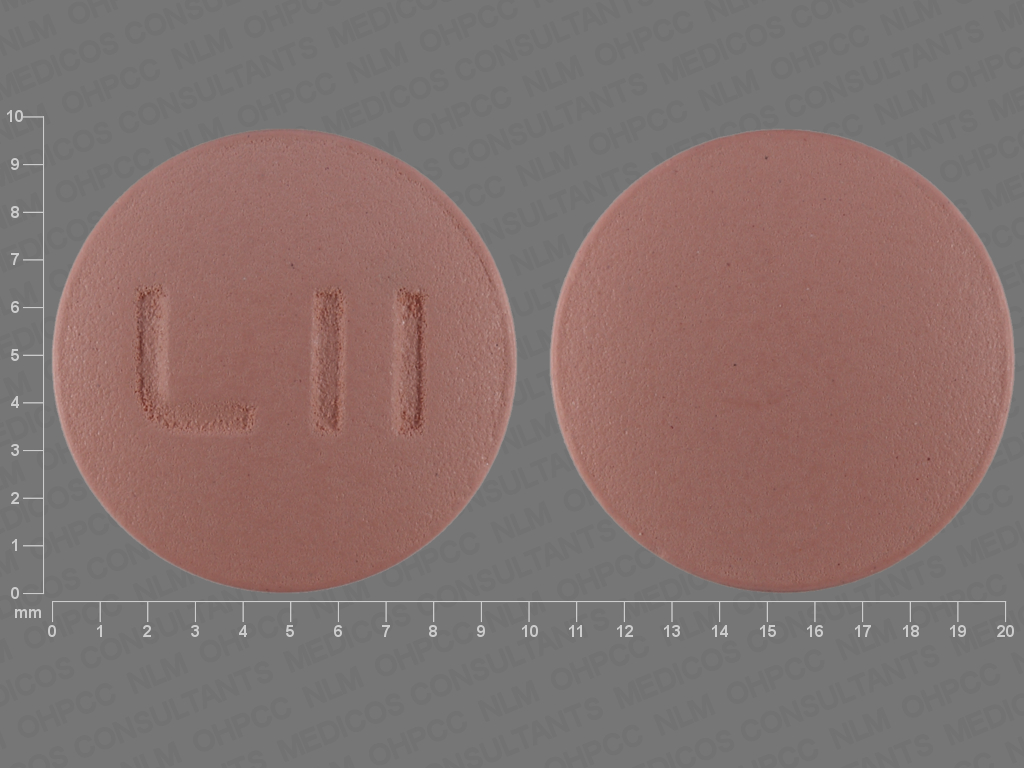
All Pill Identifiers for Clopidogrel (159)
Every pill in our database containing this medication. Click a pill to see its imprint, shape, colour, and manufacturer in detail.




Clopidogrel Side Effects
Most Significant: "Bleeding, including life-threatening and fatal bleeding, is the most commonly reported adverse reaction." CURE Trial Major Bleeding: 3.7% (clopidogrel + aspirin) vs. 2.7% (placebo + aspirin) Other Common Events: Epistaxis, hematuria, bruising, GI hemorrhage Postmarketing: TTP, agranulocytosis, rash/angioedema, hepatitis, pancreatitis
This is not a complete list of side effects. Contact your doctor for medical advice about side effects.
Clopidogrel Warnings & Precautions
BOXED WARNING: "Effectiveness of clopidogrel tablets depends on conversion to an active metabolite by the cytochrome P450 (CYP) system, principally CYP2C19." Patients who are CYP2C19 poor metabolizers have diminished antiplatelet effect. Consider alternative P2Y12 inhibitors for identified poor metabolizers. Key Warnings: - Bleeding Risk: Increases risk of bleeding; avoid omeprazole/esomeprazole (CYP2C19 inhibitors) - Discontinuation: Premature discontinuation increases cardiovascular event risk; interrupt 5 days before elective surgery - Thrombotic Thrombocytopenic Purpura (TTP): Serious, sometimes fatal condition; requires urgent plasmapheresis - Cross-Reactivity: Hypersensitivity reactions possible in patients with prior thienopyridine reactions
Frequently Asked Questions
What is Clopidogrel used for?
Clopidogrel is indicated to reduce cardiovascular events in patients with: - Acute Coronary Syndrome (ACS): Non-ST-segment elevation ACS (unstable angina/NSTEMI) and ST-elevation MI, administered with aspirin - Secondary Prevention: Recent MI, recent stroke, or established peripheral arterial disease
What are the common side effects of Clopidogrel?
Most Significant: "Bleeding, including life-threatening and fatal bleeding, is the most commonly reported adverse reaction." CURE Trial Major Bleeding: 3.7% (clopidogrel + aspirin) vs. 2.7% (placebo + aspirin) Other Common Events: Epistaxis, hematuria, bruising, GI hemorrhage Postmarketing: TTP, agranulocytosis, rash/angioedema, hepatitis, pancreatitis
What forms does Clopidogrel come in?
Tablet; Tablet, Film Coated
What are the brand names for Clopidogrel?
Clopidogrel Bisulfate; Clopidogrel bisulfate; Plavix; clopidogrel bisulfate
Is Clopidogrel safe to take?
Only take this medication as prescribed or directed by a licensed healthcare provider. Always read the full warnings section above and tell your doctor about any other medications you take.