

Azithromycin – Uses, Side Effects, Dosage & Pill Identifier
Azithromycin is a macrolide antibacterial drug that acts by binding to the 50S ribosomal subunit and interfering with bacterial protein synthesis.
Brand Names
Azithromycin Dihydrate; ZITHROMAX; Zithromax
What Is Azithromycin Used For?
Adults: Azithromycin treats mild to moderate bacterial infections including acute bronchitis exacerbations, sinusitis, community-acquired pneumonia, pharyngitis/tonsillitis, skin infections, urethritis, cervicitis, and genital ulcer disease. Pediatrics: Indicated for acute otitis media, community-acquired pneumonia, and pharyngitis/tonsillitis (age-dependent). Limitation: "Should not be used in patients with pneumonia who are judged to be inappropriate for oral therapy because of moderate to severe illness or risk factors." ---
Available Forms & Dosage
| Forms | Tablet, Film Coated |
|---|---|
| Strengths | AZITHROMYCIN DIHYDRATE 250 mg; AZITHROMYCIN DIHYDRATE 500 mg; AZITHROMYCIN DIHYDRATE 600 mg; AZITHROMYCIN MONOHYDRATE 250 mg; AZITHROMYCIN MONOHYDRATE 500 mg; AZITHROMYCIN MONOHYDRATE 600 mg |
Always follow the dose and schedule your prescriber or the product label specifies — do not change your dose based on this page.
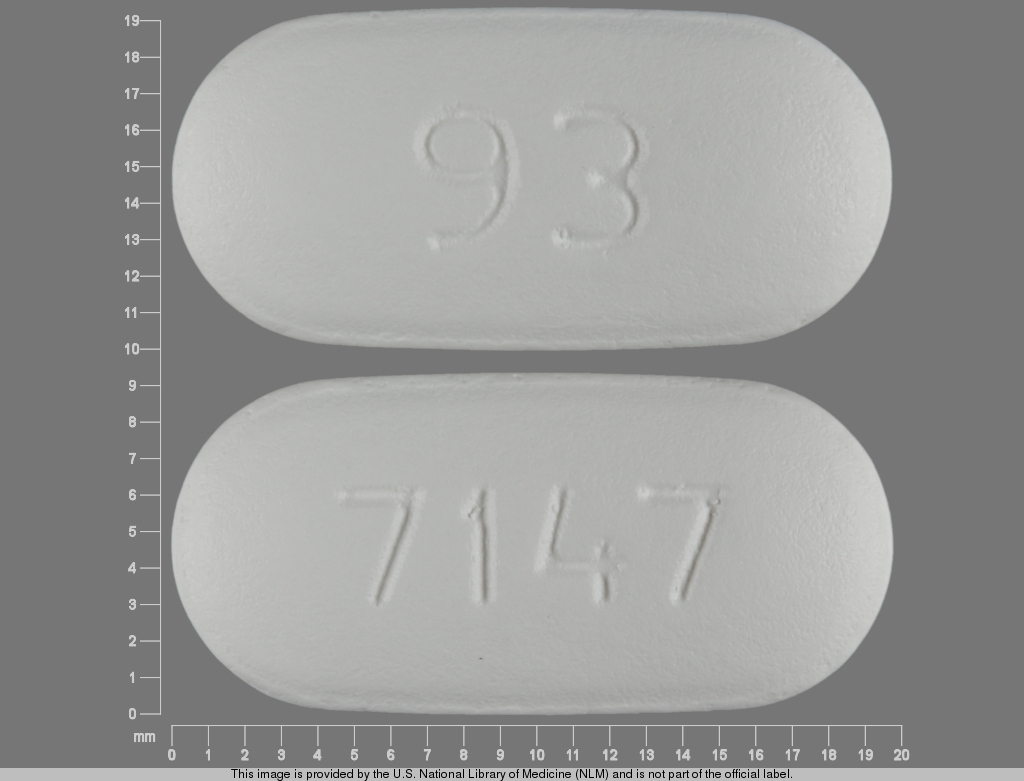
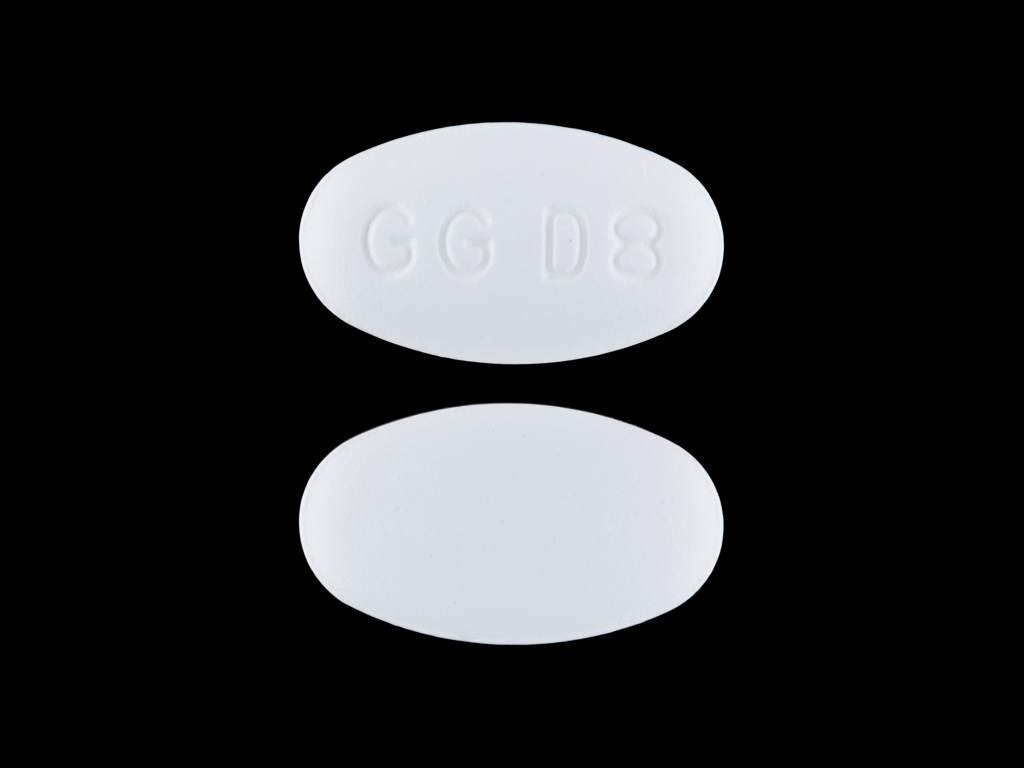
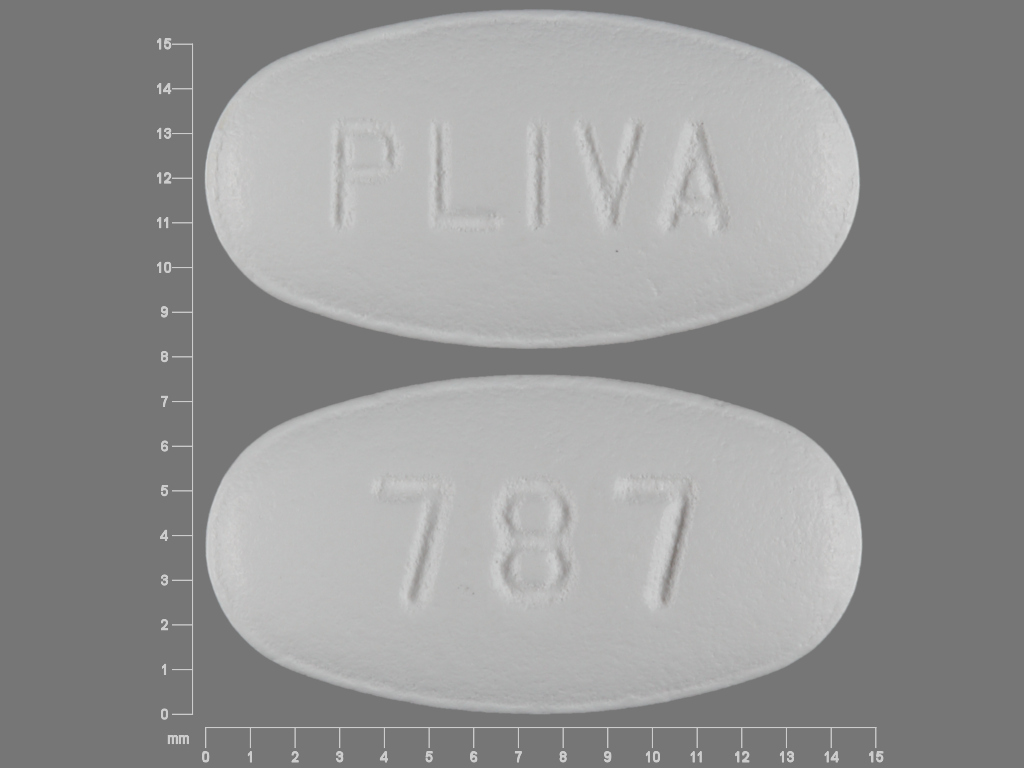
All Pill Identifiers for Azithromycin (336)
Every pill in our database containing this medication. Click a pill to see its imprint, shape, colour, and manufacturer in detail.









Azithromycin Side Effects
"Most common adverse reactions are diarrhea (5 to 14%), nausea (3 to 18%), abdominal pain (3 to 7%), or vomiting (2 to 7%)." ---
This is not a complete list of side effects. Contact your doctor for medical advice about side effects.
Azithromycin Warnings & Precautions
No boxed warning is present in this label. Key warnings include: - "Serious allergic reactions, including angioedema, anaphylaxis, and dermatologic reactions including Stevens-Johnson syndrome and toxic epidermal necrolysis" - Hepatotoxicity: "Abnormal liver function, hepatitis, cholestatic jaundice, hepatic necrosis, and hepatic failure have been reported" - QT prolongation risk, particularly in elderly patients and those with cardiac conditions - Clostridium difficile-associated diarrhea - May exacerbate myasthenia gravis symptoms ---
Frequently Asked Questions
What is Azithromycin used for?
Adults: Azithromycin treats mild to moderate bacterial infections including acute bronchitis exacerbations, sinusitis, community-acquired pneumonia, pharyngitis/tonsillitis, skin infections, urethritis, cervicitis, and genital ulcer disease. Pediatrics: Indicated for acute otitis media, community-acquired pneumonia, and pharyngitis/tonsillitis (age-dependent). Limitation: "Should not be used in patients with pneumonia who are judged to be inappropriate for oral therapy because of moderate to severe illness or…
What are the common side effects of Azithromycin?
"Most common adverse reactions are diarrhea (5 to 14%), nausea (3 to 18%), abdominal pain (3 to 7%), or vomiting (2 to 7%)." ---
What forms does Azithromycin come in?
Tablet, Film Coated
What are the brand names for Azithromycin?
Azithromycin Dihydrate; ZITHROMAX; Zithromax
Is Azithromycin safe to take?
Only take this medication as prescribed or directed by a licensed healthcare provider. Always read the full warnings section above and tell your doctor about any other medications you take.