
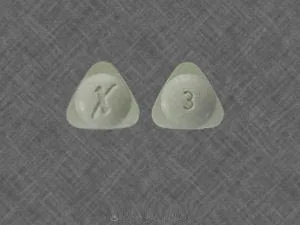
Generic Xanax XR 3 mg
Price range: $548.00 through $1,519.00
| Variation | Price | Quantity | Add To Cart |
|---|---|---|---|
| 360 pills | $1,519.00 |
|
Add to cart |
| 180 pills | $921.00 |
|
Add to cart |
| 90 pills | $548.00 |
|
Add to cart |
Xanax XR 3 mg: extended-release alprazolam information for panic disorder
Xanax XR 3 mg is an extended-release tablet containing 3 mg of alprazolam, a benzodiazepine. It is approved for the treatment of panic disorder, with or without agoraphobia, in adults. The extended-release design delivers alprazolam over time and must not be confused with immediate-release Xanax 3 mg total daily dosing, alprazolam orally disintegrating tablets, or another benzodiazepine.
The 3 mg tablet is a higher single-unit strength, not a standard self-selected starting dose. A prescriber usually individualizes treatment and changes it gradually based on panic symptoms, adverse effects, age, liver function, interacting medicines, and prior benzodiazepine exposure. The tablet must be swallowed whole; crushing, chewing, or breaking it can alter release and may create unsafe exposure.
Alprazolam is a Schedule IV controlled substance in the United States. Its boxed warning addresses the dangers of combining benzodiazepines with opioids, the risks of abuse, misuse, and addiction, and physical dependence with potentially life-threatening withdrawal. A legitimate Xanax XR prescription therefore requires assessment, monitoring, secure storage, and a planned discontinuation strategy.
What a patient should know at a glance
- Brand: Xanax XR.
- Active ingredient: alprazolam.
- Dosage form: extended-release tablet.
- Strength discussed: 3 mg per tablet.
- Approved use: panic disorder with or without agoraphobia in adults.
- Drug class: benzodiazepine.
- Controlled status: Schedule IV.
- Do not: crush, chew, divide, dissolve, snort, inject, share, or take more than prescribed.
- Highest-risk combination: opioids and other central nervous system depressants, which can cause profound sedation, respiratory depression, coma, and death.
- Stopping warning: abrupt discontinuation or rapid dose reduction can cause severe withdrawal, including seizures.
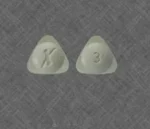
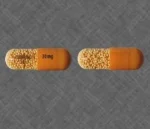
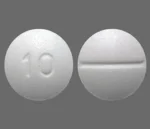
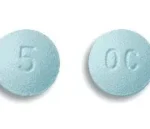
Brand Xanax XR 3 mg tablets have a described appearance in labeling, but generic alprazolam extended-release tablets may look different. Color and imprint are not enough to prove authenticity. The pharmacy label, manufacturer, strength, release type, and pharmacist verification are what matter.
Panic disorder: the diagnosis behind the prescription
Panic disorder involves recurrent, unexpected panic attacks and ongoing concern or behavioral change related to future attacks. A panic attack can include an abrupt surge of intense fear with palpitations, sweating, trembling, shortness of breath, chest discomfort, nausea, dizziness, chills or heat, numbness, derealization, fear of losing control, or fear of dying. Agoraphobia may involve fear and avoidance of places where escape or help might feel difficult.
Not every panic-like episode is panic disorder. Heart rhythm problems, thyroid disease, asthma, low blood sugar, seizures, medication effects, caffeine or stimulant use, cannabis, alcohol withdrawal, and other conditions can mimic anxiety. Initial evaluation may include physical examination, medication and substance review, mental-health assessment, and testing guided by the symptoms.
Chest pain, fainting, new neurological symptoms, severe shortness of breath, or a first unexplained episode should not automatically be labeled “just anxiety.” Emergency evaluation may be necessary. Once panic disorder is diagnosed, treatment choices may include cognitive behavioral therapy, antidepressants, lifestyle and sleep interventions, and, in selected circumstances, a benzodiazepine.
Where Xanax XR may fit—and its limitations
Xanax XR can reduce panic symptoms, but benzodiazepine treatment carries risks that require regular review. It does not teach coping skills, address avoidance patterns, or resolve every coexisting depression, trauma-related symptom, or substance-use problem. Psychotherapy, especially evidence-based cognitive behavioral approaches, can be central to long-term recovery.
Because alprazolam can cause sedation, memory problems, impaired coordination, dependence, and difficult withdrawal, the patient and clinician should establish treatment goals. Useful goals include fewer unexpected attacks, reduced avoidance, restored work or social function, and ability to engage in therapy—not simply “feeling numb” or never experiencing anxiety.
Xanax XR is not approved as a general sleep medicine, a treatment for everyday stress, or an instant calming agent for every difficult situation. Extended release also means it is not intended to be manipulated for a faster effect.
Why extended release changes how the tablet must be used
XR means extended release. The tablet is designed to release alprazolam over a longer period. Swallow it whole with the fluid and timing instructions provided by the prescriber. Breaking or crushing the tablet can disrupt the delivery system and increase adverse effects or overdose risk.
Xanax XR and immediate-release alprazolam should not be interchanged without explicit conversion instructions. The same total milligrams can produce a different concentration-time pattern. If the pharmacy dispenses “alprazolam ER” rather than brand Xanax XR, verify that it is an FDA-approved extended-release product in the prescribed strength.
Three milligrams is one tablet strength, not permission to take a second tablet when panic breaks through. Extra dosing, combining XR with immediate-release alprazolam, or taking a tablet borrowed from someone else can cause prolonged sedation and respiratory risk.
The boxed warning, translated into patient decisions
Decision one: never combine with opioids without coordinated medical care
Benzodiazepines and opioids both suppress the central nervous system. Together they can cause extreme sleepiness, slowed or stopped breathing, coma, and death. This includes prescription pain or cough medicines containing codeine, hydrocodone, oxycodone, morphine, fentanyl, methadone, tramadol, or other opioids, as well as illicit opioids.
If no alternative exists, clinicians may use the lowest appropriate doses and duration with close monitoring. Every prescriber must know about every controlled medicine. Patients and household members may be advised to keep rescue naloxone available when opioid exposure is possible. Naloxone reverses opioid effects, not benzodiazepine effects, so emergency services must still be called.
Decision two: recognize misuse before it becomes a crisis
Misuse includes taking more than prescribed, taking it more often, seeking euphoria, using a non-oral route, mixing it with alcohol or other drugs, or obtaining it from multiple sources. Misuse can cause overdose and death. Risk may be higher in people with a personal or family history of alcohol or drug problems, but anyone can develop problematic use.
Early warning signs include running out early, repeatedly losing prescriptions, taking tablets to manage every emotion, obsessing about the next dose, escalating without approval, or hiding use. Tell the prescriber promptly. Do not wait for severe withdrawal or an overdose.
Decision three: plan discontinuation before treatment ends
Physical dependence can develop even when Xanax XR is taken exactly as prescribed. Abrupt stopping or rapid reduction can cause acute withdrawal, including seizures, hallucinations, severe anxiety, insomnia, tremor, muscle cramps, vomiting, sensory sensitivity, abnormal perceptions, psychosis, and suicidal thoughts. Some patients experience prolonged symptoms.
A taper must be individualized. There is no safe universal percentage or online calendar for every patient. Current dose, duration, other medicines, prior withdrawal, medical conditions, and symptom response all matter. If symptoms emerge during a taper, the clinician may pause or adjust it. Patients should never stockpile unverified tablets to conduct a self-designed taper.
Who should not take Xanax XR?
Xanax XR is contraindicated in patients with a known serious hypersensitivity to alprazolam or other benzodiazepines and in certain situations involving strong CYP3A inhibitors, subject to the current labeling’s specific exceptions and interaction guidance. Examples historically associated with major interaction include ketoconazole and itraconazole. A pharmacist must check the exact medicine rather than relying on a memorized list.
Some patients may require a different medicine or substantially closer monitoring because of:
- Severe breathing disease, sleep apnea, or reduced respiratory reserve.
- Liver impairment or older age, which can increase exposure and sedation.
- Depression, suicidal thoughts, bipolar disorder, psychosis, or significant personality change.
- Alcohol, opioid, benzodiazepine, or other substance-use disorder.
- Pregnancy, pregnancy plans, or breastfeeding.
- History of falls, confusion, memory impairment, or frailty.
- Jobs involving driving, heights, weapons, machinery, or public safety.
Common Xanax XR 3 mg side effects
Commonly reported effects in panic-disorder treatment include sedation or sleepiness, impaired coordination, memory problems, speech difficulty, decreased mental alertness, dizziness, fatigue, irritability, and changes in sexual function. Appetite or weight changes, constipation, dry mouth, and other effects may occur.
Ataxia and slowed reaction time can increase the risk of falls and vehicle crashes. A patient may underestimate impairment because anxiety feels better. Family members may notice slurred speech, unusual forgetfulness, unsteady walking, or excessive sleeping. These observations should be shared with the prescriber.
Contact the clinic when adverse effects are persistent, worsening, or interfering with work, therapy, parenting, or self-care. Seek emergency help for slowed breathing, inability to wake, collapse, severe confusion, suspected overdose, or a serious allergic reaction.
Paradoxical reactions and mental-health monitoring
Although alprazolam is calming for many patients, benzodiazepines can occasionally cause paradoxical agitation, aggression, rage, disinhibition, impulsivity, nightmares, hallucinations, or abnormal behavior. Alcohol and other drugs may increase unpredictability. New or extreme behavior changes require prompt assessment.
Panic disorder can coexist with depression and suicidal thinking. Benzodiazepines should be prescribed cautiously with a clear quantity and monitoring plan. If a patient has thoughts of self-harm, feels unable to stay safe, or shows severe behavioral change, seek immediate crisis or emergency support. Do not leave a large medication supply accessible during an acute crisis.
Driving, work, and falls
Do not drive, operate machinery, work at heights, or perform hazardous tasks until the effects of Xanax XR are known and the prescriber considers the activity safe. Sedation may persist into the next day, especially after a dose increase, with interacting medicines, in older adults, or with liver impairment.
Falls may occur when getting up at night or rising quickly. Good lighting, clear walkways, slow position changes, and medication review can help. An activating drink does not reverse benzodiazepine impairment; caffeine may make someone feel awake while coordination and judgment remain reduced.
Interactions that can change alprazolam exposure
Alprazolam is metabolized mainly through CYP3A. Strong inhibitors can raise its concentration and prolong sedation, while inducers can reduce exposure and potentially contribute to loss of control or withdrawal. Interaction relevance can change when another medicine is started, stopped, or dose-adjusted.
Tell the prescriber and pharmacist about:
- Opioid pain and cough medicines.
- Other benzodiazepines, sleeping pills, muscle relaxants, sedating antihistamines, antipsychotics, and seizure medicines.
- Antifungal medicines, macrolide antibiotics, HIV antivirals, and other CYP3A inhibitors.
- Rifampin, certain seizure medicines, St. John’s wort, and other possible inducers.
- Antidepressants and other medicines used for anxiety or panic.
- Grapefruit or grapefruit juice, which may affect metabolism and should be discussed with the pharmacist.
- Alcohol, cannabis, illicit drugs, and over-the-counter “sleep” or “calm” products.
Do not space interacting substances a few hours apart and assume the risk is gone. Xanax XR is long-acting by design, and many interacting medicines have effects that last beyond the time they are taken.
Alcohol and recreational substances
Alcohol should be avoided because it can add to sedation, memory loss, disinhibition, falls, respiratory depression, and overdose. A person who drinks heavily should not stop abruptly without medical advice because alcohol withdrawal can also cause seizures and death.
Counterfeit tablets sold as Xanax may contain fentanyl or other potent substances. Never buy alprazolam from a friend, dealer, social-media profile, messaging app, or unlicensed website. A tablet that looks genuine can still be counterfeit. If an unknown pill may have been taken and the person is unusually sleepy or breathing slowly, give rescue naloxone if available, call emergency services, and remain with them.
Pregnancy, newborn risks, and breastfeeding
Anyone who is pregnant, plans pregnancy, or could become pregnant should discuss Xanax XR with the prescriber. Benzodiazepine exposure later in pregnancy may cause neonatal sedation, respiratory depression, low muscle tone, and withdrawal symptoms. The risk of untreated severe panic disorder also matters, so treatment changes must be individualized.
Do not stop alprazolam abruptly after learning about a pregnancy; severe withdrawal can endanger the patient. Contact the prescriber promptly to create a safe plan. Alprazolam is present in breast milk, and the current labeling advises that breastfeeding is not recommended during treatment. A clinician can discuss feeding options and alternative therapies.
Older adults and medically vulnerable patients
Older adults may be more sensitive to benzodiazepine sedation, confusion, impaired coordination, and falls. Reduced liver function or multiple interacting medicines can increase exposure. A 3 mg extended-release tablet may be particularly concerning without established tolerance and careful review. Treatment should use the lowest appropriate regimen and ongoing reassessment.
People with severe illness, frailty, breathing disorders, or a history of falls should discuss non-benzodiazepine treatments and safety supports. Pill organizers, caregiver involvement, and home fall-prevention measures may be helpful, but the medicine must remain secured from unauthorized access.
Missed doses, late doses, and vomiting
Follow the missed-dose instructions provided by the prescriber or pharmacist. Do not take two 3 mg tablets to replace a missed one. Because the formulation releases medicine over time, an unscheduled dose can overlap with the next dose and prolong impairment.
If vomiting occurs after a dose, do not automatically repeat the tablet; the amount already absorbed is unknown. Call the pharmacist or prescriber. If several doses have been missed, withdrawal risk may depend on prior exposure and timing, so professional advice is especially important.
Overdose recognition and emergency response
Alprazolam overdose can cause extreme drowsiness, confusion, impaired coordination, reduced reflexes, coma, and death. Outcomes are more dangerous when opioids, alcohol, or other depressants are involved. An apparently sleeping person who cannot be awakened may be overdosing.
Call 911 for slowed or difficult breathing, blue or gray lips, collapse, seizure, or inability to wake. If opioid exposure is possible, administer rescue naloxone as directed; it will not reverse alprazolam itself, but it may reverse an opioid component. Do not leave the person alone or induce vomiting.
In the United States, Poison Control is available at 1-800-222-1222 for immediate guidance. Provide the product name, XR formulation, strength, estimated quantity, time taken, and other possible substances. Medical monitoring may be required even if the person initially appears stable.
A treatment plan should include more than refills
Follow-up should review panic-attack frequency, avoidance, functioning, therapy participation, mood, sleep, adverse effects, driving safety, alcohol and substance use, and any early-refill pattern. The prescriber should periodically reassess whether benefit still outweighs risk and whether a gradual taper is appropriate.
Cognitive behavioral therapy can help patients understand panic sensations, reduce catastrophic interpretation, gradually face avoided situations, and build durable skills. Antidepressants may be considered for longer-term pharmacologic treatment in some patients. Those medicines also have risks and take time to work; changes should be clinician-directed.
Lifestyle measures are supportive rather than curative. Regular sleep, limiting caffeine and nicotine, consistent meals, exercise when medically appropriate, and breathing or grounding skills can reduce vulnerability. They should not be presented as a reason to shame someone who needs medication or therapy.
How a gradual taper is planned
A taper is not simply “take half until finished,” especially with a 3 mg extended-release tablet that should not be broken. The clinician may need different strengths or formulations and a sequence of small reductions. The pace may change in response to withdrawal symptoms, return of panic, medical illness, or other stressors.
Withdrawal can include rebound anxiety and insomnia, but severe symptoms such as seizures, hallucinations, psychosis, uncontrolled vomiting, severe confusion, or suicidal thinking require urgent care. Patients should have a plan for contacting the clinic between visits. Alcohol, opioids, unverified benzodiazepines, and sedating supplements are not safe taper aids.
Some patients experience protracted symptoms after the acute withdrawal period. Continued clinical support is appropriate. A difficult taper does not mean the patient has failed; it means the nervous system needs a safer, individualized approach.
Xanax XR 3 mg price and generic alprazolam ER comparison
A meaningful Xanax XR 3 mg price comparison distinguishes brand Xanax XR from generic alprazolam extended-release 3 mg tablets. Immediate-release alprazolam prices are not equivalent. Confirm the prescribed quantity, manufacturer, insurance network, deductible, prior authorization, and whether substitution is allowed.
An FDA-approved generic contains the same active ingredient and labeled strength and must meet applicable quality and bioequivalence standards. Inactive ingredients and appearance may differ. A patient who has lactose intolerance, dye sensitivity, or another excipient concern should ask the pharmacist to review the exact manufacturer.
Do not choose a bulk package because the advertised cost per tablet is lower. The pharmacy may dispense only the authorized quantity, and limiting supply can be an important safety measure for a controlled medicine with overdose and dependence risk.
Filling a Xanax XR 3 mg prescription online safely
Patients searching “buy Xanax XR 3 mg online,” “alprazolam ER 3 mg delivery,” “Xanax XR prescription price,” or “generic Xanax XR pharmacy” may be seeking convenience, privacy, or continuity. A lawful online pharmacy must preserve the same safeguards as a local pharmacy: a valid prescription, controlled-substance compliance, identity verification where required, pharmacist review, and a patient-specific label.
Use this checklist before submitting an order:
- The prescription followed an appropriate evaluation by an authorized clinician.
- The site requires the prescription and does not promise automatic approval.
- The pharmacy is licensed in the relevant jurisdiction and can be verified independently through a state board of pharmacy.
- A physical U.S. address and working telephone number are provided.
- A licensed pharmacist is available to discuss interactions and the XR formulation.
- The order shows alprazolam extended-release 3 mg—not immediate-release alprazolam.
- The prescribed quantity, directions, and substitution status match.
- Delivery uses sealed, trackable packaging and appropriate controlled-medicine procedures.
Avoid any website offering “Xanax without prescription,” “overnight Xanax no questions,” loose green tablets, anonymous bulk orders, or payment methods designed to prevent charge disputes. These are warning signs for counterfeit or unlawfully distributed drugs. Fake alprazolam tablets are a well-known overdose hazard because they may contain fentanyl or other unexpected substances.
What to check when the package arrives
Read the pharmacy label before opening the container. Verify the patient, medicine name, “XR” or “extended-release” wording, 3 mg strength, directions, quantity, prescriber, manufacturer, and expiration or beyond-use information. The package should include required warnings and a Medication Guide.
Do not take a tablet if the seal is broken, the count is wrong, the appearance conflicts with the dispensing description, the tablet is chipped or damp, or the label says immediate release. Call the dispensing pharmacist. Preserve packaging and tracking information if tampering or counterfeit medicine is suspected.
Storage, household safety, and travel
Keep Xanax XR in its original labeled container, under the storage conditions stated by the pharmacy, in a secure location away from children and unauthorized adults. Do not store it in a bathroom, vehicle, purse, or unlocked bedside drawer. Keep track of the number of tablets.
Never share alprazolam. Another person may have an opioid prescription, breathing disorder, pregnancy, interaction, or no benzodiazepine tolerance. Sharing a controlled medicine is illegal and potentially fatal.
Travel with the original labeled container and check destination laws, particularly for international travel. Some countries restrict alprazolam or require documentation. Dispose of unwanted tablets through an authorized take-back option when possible; ask a pharmacist for current alternatives if a take-back site is unavailable.
A panic plan for symptoms that break through
Breakthrough symptoms do not automatically mean the prescription is too weak. Panic can increase with missed sleep, caffeine, stimulant medicines, alcohol withdrawal, illness, relationship stress, or avoidance of feared situations. Keep a simple record of the trigger, physical sensations, thoughts, duration, coping response, prescribed dose time, and recovery. Bring it to therapy or the prescribing visit rather than taking an extra tablet.
A written panic plan can separate medical emergencies from familiar symptoms while preserving caution. It may include a safe place to sit, slow breathing taught in therapy, grounding to the immediate environment, a supportive contact, and criteria for emergency evaluation. A first severe episode, chest pain with exertion, fainting, one-sided weakness, sustained abnormal heartbeat, or symptoms unlike the patient’s usual panic require medical assessment.
Exposure-based cognitive behavioral therapy is designed to reduce fear of bodily sensations and avoided situations in a gradual, supported way. Taking extra benzodiazepine before every exposure may interfere with learning for some patients, so the therapist and prescriber should coordinate. No patient should change medication to “prove” they can face a fear.
If the person begins avoiding more places, relying on family members for every outing, or using alcohol to leave home, the treatment plan needs review. Functional change can be more important than the number of panic attacks.
Care coordination protects against duplicate sedatives
Use one accurate medication list across primary care, psychiatry, urgent care, dentistry, pain care, and hospital visits. Include Xanax XR, the 3 mg strength, dose timing, and pharmacy. A patient may receive an opioid after surgery, a muscle relaxant for injury, or a sedating antihistamine for allergy without each clinician realizing the combined risk.
Before any procedure involving sedation or anesthesia, tell the clinical team about alprazolam use and physical dependence. Do not skip or take extra medicine unless the anesthesia and prescribing teams provide a plan. At discharge, review every new prescription with a pharmacist and ask when driving may resume.
If multiple clinicians prescribe controlled medicines, ask them to communicate. Pharmacy and prescription-monitoring checks are useful, but they do not replace a conversation about actual use, alcohol, nonprescription sleep products, and leftover medicines at home.
Red flags in an online benzodiazepine offer
- A claim that a 3 mg XR tablet is suitable for any anxiety.
- No distinction between extended-release and immediate-release alprazolam.
- No warning about opioids, dependence, withdrawal, or tablet manipulation.
- Photos of loose tablets instead of manufacturer-sealed, pharmacy-labeled dispensing.
- Promises of anonymous bulk shipping or no-prescription checkout.
- Instructions to pay only through cryptocurrency, wire transfer, or gift cards.
- No verifiable pharmacy license or pharmacist contact.
Questions to ask before accepting a 3 mg XR prescription
- How was panic disorder distinguished from a heart, thyroid, substance, or other medical problem?
- Why is extended-release alprazolam appropriate for me?
- Why was the 3 mg strength selected, and have I developed tolerance to lower strengths?
- Which opioid, sleep, allergy, muscle, seizure, or psychiatric medicines create extra risk?
- Should my household have rescue naloxone because of possible opioid exposure?
- When can I safely drive or return to safety-sensitive work?
- What symptoms indicate oversedation, paradoxical reaction, or withdrawal?
- What therapy or longer-term treatment accompanies the prescription?
- How often will dependence and continued need be reviewed?
- What is the taper plan if treatment ends?
Frequently asked questions about Xanax XR 3 mg
Is Xanax XR 3 mg the same as three 1 mg immediate-release tablets?
No. The total milligrams may be the same, but the release pattern is different. Extended-release and immediate-release alprazolam should not be interchanged without specific prescriber instructions.
Can I cut a Xanax XR 3 mg tablet in half?
No. Xanax XR tablets should be swallowed whole and not chewed, crushed, or broken. If a lower amount is needed, the prescriber can choose an appropriate strength or formulation.
Is 3 mg a normal starting strength?
It is a higher single-unit strength and should not be self-selected. The current label uses lower initial dosing and gradual individual adjustment. Only the prescriber should determine whether 3 mg is appropriate for a particular patient.
Can Xanax XR be taken only when a panic attack starts?
Use it only according to the prescribed schedule. XR is designed for extended release and should not be converted into an as-needed rescue strategy without medical direction. Discuss breakthrough panic with the clinician.
Is Xanax XR safe with hydrocodone or oxycodone?
The combination can cause profound sedation, respiratory depression, coma, and death. It should be avoided unless clinicians determine there is no adequate alternative and coordinate the lowest appropriate exposure with monitoring and overdose prevention.
Can I drink alcohol with Xanax XR?
No safe combination should be assumed. Alcohol can add to sedation, memory loss, disinhibition, impaired coordination, respiratory depression, and overdose.
What if I want to stop?
Contact the prescriber for an individualized taper. Abrupt stopping or rapid reduction can cause life-threatening withdrawal, including seizures. Do not break XR tablets to create an improvised taper.
Is generic alprazolam ER equivalent to Xanax XR?
An FDA-approved generic extended-release product with the same strength must meet applicable standards, but appearance and inactive ingredients may differ. Confirm that it says ER or extended release; immediate-release alprazolam is not the same product.
Can I buy Xanax XR 3 mg without a prescription?
A legitimate U.S. pharmacy requires a valid prescription and controlled-substance safeguards. Avoid no-prescription sellers and social-media sources because counterfeit tablets may contain fentanyl or another dangerous ingredient.
What if panic symptoms continue?
Do not add another tablet. Avoid driving if symptoms or medication effects make it unsafe and contact the prescriber. The clinician may review diagnosis, adherence, therapy, interactions, dose timing, and alternative treatment.
Final review before ordering or refilling Xanax XR 3 mg
Xanax XR 3 mg requires more caution than a simple anxiety-product listing suggests. The patient should have a confirmed adult panic-disorder diagnosis, a clear reason for the extended-release formulation and 3 mg strength, complete opioid and interaction screening, safe storage, functional treatment goals, and a future taper plan.
If a valid prescription has been issued, fill it through a licensed pharmacy that can verify the XR dosage form and provide pharmacist counseling. Do not crush the tablet, combine it with alcohol, share it, or stop abruptly. Call emergency services for slowed breathing, inability to wake, seizure, collapse, or suspected overdose, and seek urgent clinical help for severe behavior change, suicidal thoughts, or serious withdrawal symptoms.
| Select Variation |
360 pills ,180 pills ,90 pills |
|---|